Published: 02 October 2026. The English Chronicle Desk. The English Chronicle Online
For generations, the glasshouses at the Royal Botanic Garden Edinburgh have offered rare and vulnerable plants protection from Scotland’s often unforgiving weather. Yet the structures designed to shelter those collections have increasingly become a source of danger themselves, with ageing glass, storm damage and deteriorating infrastructure threatening both plants and the people responsible for caring for them.
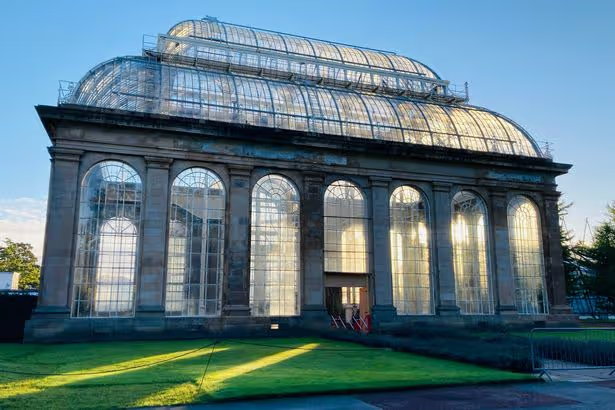
That situation is now beginning to change. After five years of extensive restoration, the garden’s historic palm houses are reopening with thousands of newly installed toughened glass panels intended to provide stronger protection for one of Britain’s most important plant collections.
A total of 5,750 panels have been installed as part of a £23.5m refurbishment that has preserved almost all of the buildings’ original sandstone and wrought-iron structure. The work represents a major investment in the conservation of the historic glasshouses and in the protection of the plants housed within them.

For horticultural staff, the project has particular importance because severe Scottish weather has repeatedly damaged the ageing structures. During powerful storms, glass panels have fallen from the buildings, forcing staff to stay away from some greenhouses whenever wind speeds become too high.
Sadie Barber, a glasshouse curator at the Royal Botanic Garden Edinburgh, has described the consequences for the plants as particularly distressing. Tropical ferns, cycads and rare alpine heathers can be exposed to freezing air when panels break, while falling glass can physically damage or destroy plants that horticulturalists may have spent decades cultivating.
The problem is not simply one of maintaining an old building. For a major botanical collection, the condition of the glasshouses can directly affect conservation work, scientific research and the survival of plant species that may be difficult or impossible to replace.
Before the latest renovation, horticultural staff had installed protective netting inside some areas to reduce the danger from falling panels. The replacement glass is not designed to be completely impervious to damage, but the newly installed toughened panels are considerably more resilient and are capable of resisting impacts such as bird strikes.
The restoration has retained much of the historic character of the palm houses while creating a safer environment for the plants. The buildings combine architectural features from the Georgian and Victorian periods, reflecting the long history of the Royal Botanic Garden Edinburgh and its evolution from a teaching collection into an internationally recognised centre for botanical science and conservation.
More than 600 temperate plants have returned to the restored building. Inside, the environment is carefully managed to provide conditions suitable for species that would struggle to survive Scotland’s outdoor climate. Temperature and humidity remain important elements of the glasshouse environment, while the historic mechanisms used to control aspects of the building have also been retained.
The result is intended to combine historic preservation with modern conservation needs. The restored space has been described as a vast, cathedral-like environment for temperate plants, with mature specimens once again occupying the building.
Among the plants is a tree fern originating from Tasmania. Its presence demonstrates the international character of the garden’s collections, which bring together species from different parts of the world while also supporting research into their biology, conservation and long-term survival.
The Royal Botanic Garden Edinburgh was founded in 1670 by two physicians who established the collection to teach doctors about medicinal plants. Over more than three centuries, its role has expanded dramatically. It is now home to a vast collection representing global plant diversity and has become an important centre for botanical research and conservation.
Its collections include rare ginger species, bananas, blueberries and numerous varieties of begonias. The institution is also recognised for its work involving rhododendrons and ferns, while some of its conservation collections contain plants that have disappeared from their natural habitats.
That role has become increasingly important as ecosystems around the world face pressure from habitat destruction, climate change and other forms of environmental damage. Maintaining plants outside their natural habitats, known as ex situ conservation, provides researchers and conservationists with an additional means of safeguarding species.
The garden’s scientific work extends beyond simply growing plants. Researchers have contributed to developments such as DNA barcoding, a technique that can help identify plant species through genetic information. Such tools are increasingly important as scientists attempt to document and protect biodiversity.
The garden also has a connection to Britain’s cultural history. Arthur Conan Doyle studied at the institution, and his botanical knowledge later found echoes in his Sherlock Holmes stories. Today, however, the organisation’s principal priorities include scientific research, horticulture and plant conservation.
The reopening of the palm houses does not mean the garden’s infrastructure problems have been completely solved. Many other glasshouses remain several decades beyond the lifespan for which they were originally designed. Their ageing condition continues to create challenges for staff working to protect valuable collections.
Water penetration is among the concerns. Persistent Scottish rain can enter deteriorating structures and damage plant root systems, potentially leading to disease or death. Strong winds create another serious problem because staff cannot safely enter some buildings when conditions become dangerous.
Last year, horticulturalists were prevented from entering the greenhouses on 20 days because of high winds. During 2026, staff had already been kept out 15 times according to the information supplied for the report. When they are eventually able to return following storms, they may need protective equipment, including hard hats, while checking the buildings and removing broken glass.
For horticulturalists, those interruptions can be especially difficult because plants require regular care regardless of the weather outside. A damaged greenhouse can suddenly transform a carefully controlled growing environment into one exposed to cold air, rain and debris.
The loss of a plant can also represent more than the death of an individual specimen. Some botanical collections contain plants that are rare, genetically significant or difficult to obtain. A specimen may have taken many years to mature, meaning that replacing it can be impossible or require decades of cultivation.
The experience of recent storms has therefore highlighted the connection between historic building maintenance and modern conservation. The glasshouses may be architectural landmarks, but their most important function is to provide stable environments in which living collections can survive.
The restoration of the palm houses is consequently being viewed not simply as a construction project but as part of a broader effort to protect botanical resources for future generations. Stronger glass can reduce one immediate danger, but the continuing condition of other greenhouses means further investment will remain necessary.
For the Royal Botanic Garden Edinburgh, the challenge is to preserve historic structures while ensuring they remain capable of performing their original practical purpose. As extreme weather events put increasing pressure on ageing infrastructure, that balance is becoming more important.

The newly restored palm houses now offer a renewed level of protection for hundreds of plants, allowing visitors to experience the collections while giving horticulturalists a safer working environment. But beyond the restored building lies a larger task: ensuring that the wider network of glasshouses is capable of protecting plants from the increasingly unpredictable conditions outside.
The story of Edinburgh’s botanical collection therefore reflects a broader conservation challenge. Protecting biodiversity does not only mean preserving forests, wetlands and natural habitats. It also means maintaining the scientific institutions, collections and infrastructure that provide a safety net for species facing growing threats in the wild.
For the plants inside Edinburgh’s glasshouses, the difference can be immediate. A stronger roof can mean protection from a Scottish storm, a stable temperature during winter and another opportunity for a rare specimen to survive and continue contributing to scientific knowledge. After five years of restoration, the reopening of the palm houses marks an important step, but the work of protecting the garden’s living collections is far from finished.
Related News:
 London Tube Heat Reaches Dangerous Levels
 Three-Quarters of England’s Riverbanks Still Off Limits
 London’s 2026 ‘Great Stink’ Raises Sewer Concerns
 Battery Fires Cost UK Recycling Industry £1bn
 Heathrow Expansion Faces New Climate Conditions Over CO₂
 UK Heatwaves Set to Worsen Pothole Damage, RAC Warns
 Norfolk Broads Housing Levy Faces Environmental Criticism
 Scotland’s Climate Plans Face Scrutiny Over ‘Science Fiction’ Targets
 Ocean Warming Drives Massive Marine Life Loss, Study Warns
 UK Records Earliest Spring as Nature Awakens Fast
 Storm Dave Disrupts Travel but Conditions Set to Ease
 Heavier SUVs Accelerate Britain’s Pothole Crisis
 Chornobyl Still at Risk 40 Years After Disaster
 Reform UK funding: mystery billionaire revealed
 Older Than Dinosaurs: Secrets of Mayfly Dance Revealed
 Record May Heat to Cold Front in Eastern Australia
 Tractor Breakdown Tests Lincolnshire Farmers
 Britons Build Emergency Supplies Amid Rising Fears
 UK Faces Mass Water Shortages by 2055, Lords Warn
 Sycamore Gap Artwork Chosen After Public Vote
 UK rejects EV charging VAT cut amid Treasury clash
 Essex valley emerges as rising English wine hub
 UK Seas Face Extreme Heatwave as Global Temperatures Surge
 UK Schools Struggle as Classrooms Top 40C
 Olympus Awaits Unesco Heritage Recognition
 Burnham unveils £65m drought aid for farmers
 Gen Z turns to BirdTok for a gentler digital escape
 Queue row erupts on Wales’ highest mountain
 Australia Races to Find Tourists Missing in Nepal
 Former Railway Line Named Britain’s Favourite Path
 UN Warns Record El Niño Could Supercharge Global Heat
 London Launches First Self-Driving Taxis
 UK Subsidence Claims Surge After Record-Breaking Summer
 Australia gives users control over social media algorithms
 Nats Boss Summoned as UK Flight Chaos Continues
 Thames Water Revises Oxfordshire Mega-Reservoir Plan
 Election Candidate Abuse Raises Alarm in England
 Nature Access Gaps Expose Inequality Across England
 Europe Faces Climate Reckoning After Extreme Summer
 UK Funds Gene Editing to Protect Threatened Wildlife
 Tropics May Wait Longest for Net-Zero Climate Benefits
 Super El Niño Threatens Hundreds of Thousands of Lives
 Roman Finds Reveal Bath’s Suburban Past
 Nepal PM calls deadly flood a global climate warning
 New UK Homes in Flood Zones Face Insurance Risk
 London Facial Recognition Trial Ends With False Alert
 Swiss Glaciers Lose Nearly One-Fifth of Ice in Five Years
 Berlin App Helps Residents Protect City Trees
 UK Bans Fake Numbers: Scammers Lose Their Trick
 Patients to Test Health at Home to Ease NHS Winter Pressure
 Northern Lights may illuminate UK skies this week
 Judi Dench Champions Fight to Save London’s Green Spaces
 Childnet Censorship Row Over Teen Safety Speeches
 Facial Recognition Error Leads to Wrongful Arrest in Milton Keynes
 Rolling Hills and Heritage: A Car-Free Break in Leicestershire
 ‘Drinking from a Fetid Pond’: Superbug Genes in Lough Neagh
 Rising Costs Force Families to Rethink Days Out
 Greens Face Internal Row Over Antisemitism Claims
 Barrister Criticises Trial After Suicide Case Verdict
 Pope Meets Families in Italy Toxic Waste Zone
 Farage and Reform UK Reshape British Politics
 Tech Trends and the Battle Against Exam Hall Cheating
 Stolen Mobiles Could Soon Become Useless Bricks
 British Teens in EU Face Soaring UK University Fees
 England and Norway Fans Turn Miami Into World Cup Carnival
 Westminster Council Threatens Charing Cross Soup Kitchen
 Ghent Professors Questioned Cofnas Appointment
 British Museum Faces Questions Over Peter Thiel’s Private Bayeux Viewing
 UK Retailers Accused of Breaking Refund Laws
 Mayors Could Gain Greater Powers Over Water Firms
 Tom Watson Takes Senior Role at Palantir
 Mahmood Warns Far Right Over Asylum Protests
 UK Rent Gap Puts Low-Income Families Under Pressure
 Chinese Hybrid Car Surge Raises EU Auto Industry Concerns
 Frome Community Loses Bid for Major Regeneration Site
 Drones Could Speed Up Defibrillator Delivery
 Free Speech Emerges as Key UK Election Issue
 Pelicot Trial Play Comes to London for One Night
 UK University Strikes Spread as Financial Pressure Grows
 Healey urged to act as UK energy bills rise 4%