
Published: 19 September 2026. The English Chronicle Desk. The English Chronicle Online.
Europe is confronting a growing climate challenge after a summer marked by record-breaking heat, devastating wildfires, shrinking rivers and reservoirs, extreme rainfall and major damage to infrastructure and agriculture. The scale of the disruption has intensified questions about whether governments are moving quickly enough to address climate change and prepare communities for increasingly severe weather.
European Commission President Ursula von der Leyen described the season as a “summer of truth”, warning that the extreme conditions could represent an indication of what lies ahead as global temperatures continue to rise. European institutions have estimated that the economic damage from this summer’s climate-related events could reach about €180 billion, although the final cost is expected to increase as agricultural losses and infrastructure repairs become clearer.
The human consequences have also been significant. About 35,000 deaths across Europe have been associated with the extreme heat, according to estimates cited in the debate surrounding the summer’s events. Heatwaves placed pressure on healthcare systems, while drought affected water supplies, agriculture and energy production in several countries.
Europe has warmed faster than any other continent in recent decades, making it particularly vulnerable to the effects of rising global temperatures. But the latest events demonstrated that climate-related disruption is not confined to Europe. Extreme heat, drought, flooding and severe storms have affected communities across North America and Asia as well.

The United States experienced exceptional heat and widespread drought during the summer, while parts of Asia were hit by intense rainfall, flash floods and typhoons. Large numbers of people were displaced in some areas, while agricultural production suffered from flooding and other weather-related damage.
The latest developments have therefore placed climate policy back at the centre of international discussion. The challenge for governments is twofold: reducing greenhouse gas emissions while simultaneously preparing societies for climate impacts that are already occurring.
European governments have responded in different ways. The European Commission has reiterated its commitment to low-carbon energy and has proposed measures aimed at strengthening resilience to extreme heat. The institution has also promoted electrification and other measures intended to reduce dependence on fossil fuels.
Several European countries have announced initiatives in the same direction. The Netherlands has produced a roadmap focused on moving away from fossil fuels, while France has advanced plans for electrification. In the United Kingdom, a community energy programme has begun receiving initial funding, while commitments to achieving net-zero emissions by 2050 remain part of the country’s long-term climate policy.
However, environmental organisations and climate campaigners have criticised governments for what they describe as a gap between climate commitments and actual policies. Concerns have been raised about continued investment in fossil-fuel infrastructure, delays in emissions reductions and the possibility of new oil and gas development.
Germany, for example, has been pursuing additional gas-fired electricity generation as it seeks to maintain energy security. France has faced questions over progress towards its emissions-reduction objectives, while debate continues in the UK about future oil and gas development.
The tension reflects one of the central difficulties of climate policy. Governments must balance emissions reduction with energy security, industrial competitiveness, employment and the cost of living. Decisions that may reduce fossil-fuel dependence over the long term can also create short-term political and economic pressures.
Outside Europe, a number of countries have also announced measures intended to expand clean energy. Thailand has moved away from plans for additional gas-fired power generation, while Indonesia has been expanding solar energy as part of efforts to reduce dependence on imported oil.
India has also made substantial progress in expanding renewable energy capacity. The country has already reached a target of having renewable sources account for half of its installed electricity-generation capacity and has indicated that it intends to expand renewable capacity further.
China’s energy transition has also attracted attention. Rapid growth in electric vehicles, solar power and wind generation has been accompanied by expectations that the country’s carbon dioxide emissions could decline during the year. At the same time, China remains one of the world’s largest energy consumers and continues to rely on fossil fuels alongside its expanding renewable sector.
The forthcoming United Nations climate summit in Turkey will provide another test of international cooperation. Questions about fossil-fuel investment remain particularly sensitive because countries hosting or participating in global climate negotiations also face domestic energy demands and economic pressures.
Australia recently approved the expansion of a coal project expected to continue producing for decades. Turkey, meanwhile, has not established a specific date for phasing out coal. Such decisions highlight the continuing gap between international climate objectives and national energy policies.
In the United States, the climate debate has taken a different direction under President Donald Trump. His administration has pursued changes to federal climate regulations and has sought to reduce restrictions on fossil-fuel production. Environmental organisations have criticised these policies, while supporters have argued that expanded domestic energy production can strengthen energy security and economic activity.
Climate policy has also become increasingly connected with wider political divisions. In several countries, rightwing and populist political movements have criticised emissions-reduction policies on the grounds that they could increase energy costs, restrict economic activity or place excessive burdens on households and businesses.
The debate has increasingly shifted from whether climate change should be addressed to how societies should respond to its consequences. Adaptation measures, including cooling systems, flood protection, water management and infrastructure upgrades, are becoming more important as extreme weather becomes more frequent or intense.
However, scientists and climate policy specialists generally distinguish adaptation from emissions reduction. Preparing for heatwaves and floods can reduce immediate harm, but it does not eliminate the underlying driver of long-term warming. Without reductions in greenhouse gas emissions, global temperatures are expected to continue increasing.
This distinction has become particularly important during the latest period of extreme weather. The severity of the events has made it increasingly difficult for governments and political parties to treat climate change solely as a long-term environmental issue.
Public opinion is also an important part of the equation. Recent polling cited in the climate debate suggests that many people in major economies continue to support stronger action on clean energy and pollution. In the United States, significant proportions of respondents have expressed concern that failing to acknowledge global warming could increase risks from extreme weather.
European polling has similarly indicated that climate change has become a more prominent concern following the latest heatwaves. Respondents in several major European countries increasingly identified extreme heat as being connected to climate change.
Nevertheless, public concern does not automatically translate into political agreement over specific policies. Questions surrounding household costs, energy prices, industrial competitiveness and employment can complicate efforts to introduce faster climate measures.
Developing countries face additional difficulties. Many vulnerable nations have limited financial resources for adapting to climate impacts and are simultaneously dealing with debt burdens. Governments in these countries may have to choose between servicing existing debts and investing in infrastructure capable of protecting populations from floods, storms, heat and other climate-related threats.
This financial divide has become one of the most persistent issues in international climate negotiations. Developing countries have repeatedly called for greater financial support from wealthier nations, arguing that countries with fewer resources are often among those most exposed to climate impacts.
The events of the latest summer have therefore created a complicated political landscape. There are signs of progress in renewable energy, electrification and climate adaptation, but these developments exist alongside continued fossil-fuel investment and disagreements over the pace of transition.

For governments, the challenge is no longer simply preparing for a distant environmental threat. Heatwaves, droughts, floods and wildfires are already affecting communities, economies and public infrastructure.
The economic consequences could become increasingly difficult to ignore. Reduced harvests can place pressure on food prices, while damage to roads, railways, buildings, power systems and water infrastructure can require substantial public and private investment.
The political response will ultimately determine how societies manage these risks. Governments can pursue emissions reductions, strengthen adaptation measures, improve infrastructure resilience and support communities affected by climate-related disasters. But the choices involve difficult economic and social trade-offs.
The “summer of truth” has therefore become a test of whether climate warnings can translate into sustained policy action. The extreme conditions have demonstrated the scale of the risks, while the debate over energy, affordability and political priorities continues.
For Europe and other regions facing increasingly severe weather, the challenge is to ensure that climate policy remains focused not only on the next election or the next crisis, but also on the long-term resilience of societies and economies.
Related News:
 Wildfires rage across Europe as hundreds arrested in France
 UN Warns Record El Niño Could Supercharge Global Heat
 Ocean Warming Drives Massive Marine Life Loss, Study Warns
 Musk’s xAI Permit Sparks Fury Over Power Plant Expansion
 Chornobyl Still at Risk 40 Years After Disaster
 Capitalism ‘Suicidal’, Warns Petro at Climate Summit
 Record May Heat to Cold Front in Eastern Australia
 Ukraine strikes Tuapse as oil disaster worsens
 Norway Doubles Down on Oil and Gas for Europe Energy Security
 Doomsday Clock Nears Midnight Amid Global Crises
 Pope Meets Families in Italy Toxic Waste Zone
 UN Issues Urgent Warning: Imminent Return of El Niño
 Wildfires Force Mass Evacuations in France And Spain
 Deadly TikTok Driving Trend Alarms Ireland
 Battery Fires Cost UK Recycling Industry £1bn
 Turkmenistan Begins Fixing Major Methane Mega-Leaks
 Nepal seeks $20m climate compensation after deadly floods
 Britain deploys RAF specialists to assist Belgium with drone threats
 Hitler’s DNA Confirms He Truly Had Only One Testicle
 ‘Extinct’ Antelope Returns to Sahara, Bringing Hope
 High-speed Spain train crash leaves nation in mourning
 Half the World’s Largest Cities Face Rising Water Stress
 The Sound of Mayhem’: Terror and Loss at Mount Maunganui
 EU launches Grok AI probe into X over explicit images
 UK New Car Discounts Near £6,000 as Prices Are Slashed
 TikTok Design Faces EU Crackdown Over Addictive Features
 Portugal Election Delivers Socialist Win as Far Right Surges
 Greenpeace $345m Ruling Sparks Appeal Battle
 Cyprus Drone Strike Sparks Europe’s Strong Response
 The Kill Line: A Shifting Vision of the American Dream
 The Truth Behind Rising Energy Costs and Fossil Fuel Myths
 ‘Drinking from a Fetid Pond’: Superbug Genes in Lough Neagh
 ABC Staff Strike Over Pay and AI Concerns
 Extreme Weather: Europe Shivers as Cyclone Narelle Hits
 Trump to Deploy “God Squad” Over Gulf Wildlife Protections
 Artemis II: Humanity Returns to the Moon After Decades
 Italian Town Buys Mussolini Villa to Keep Away Fascist Fans
 Evacuations Ordered as California Wildfires Spread Fast
 Apple at 50: Three Products That Changed How We Live
 Hungary election: Orbán faces biggest test amid scandal
 Artemis II Returns After Historic Moon Flyby
 Escobar’s Hippos May Be Moved to India Zoo
 Older Than Dinosaurs: Secrets of Mayfly Dance Revealed
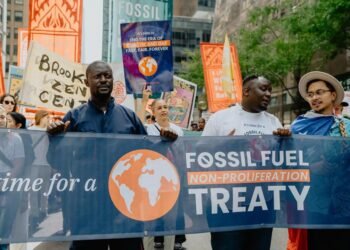 Coalition pushes fossil fuel phaseout plan
 Germany to Return Rare Irritator Dinosaur Skull to Brazil
 France Faces Record Presidential Crowded Race Amid Far-Right Surge
 Ex-Chief of Staff Named in Major Ukraine Corruption Probe
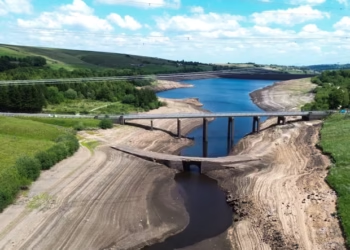 UK Faces Mass Water Shortages by 2055, Lords Warn
 UK rejects EV charging VAT cut amid Treasury clash
 Man killed in shark attack on Great Barrier Reef
 Hope for mountain bongos returns to Kenya
 Former ICC prosecutor condemns US sanctions
 Deadly Russian Air Raids Strike Across Ukraine
 Papal Visit Offers Political Lifeline to Spanish Premier
 Deadly H5 Bird Flu Reaches Australia’s East Coast
 Germany Summons Chinese Envoy Over Russian Troop Training
 Sydney Records Hottest June Since 1859 as Expert Warns New High a ‘Signature’ of Global Warming
 UK Heatwaves Ignite Crisis of Sleep and Public Safety
 Le Pen to Run for President Despite Embezzlement Conviction
 Concerns Rise Over New Zealand’s AI Datacentre Plans
 Meta Under Fire: The Battle Over Addictive Social Media Design
 England and Norway Fans Turn Miami Into World Cup Carnival
 Venezuela Quake Death Toll Surpasses 4,000
 Olympus Awaits Unesco Heritage Recognition
 Three-Quarters of England’s Riverbanks Still Off Limits
 Powerful 7.7-Magnitude Earthquake Hits Eastern Indonesia
 Gen Z turns to BirdTok for a gentler digital escape
 Russian Missiles Intensify Pressure on Kyiv
 Nepal-Tibet Flood Death Toll Rises as 2,478 Remain Missing
 Ukraine Villagers Demand Answers After Deadly Arms Depot Strike
 Nepal Flood Survivors Face Unimaginable Loss
 Bayeux Tapestry Revives Franco-British Ties
 Nepal Tunnel Rescue Offers Hope Amid Flood Devastation
 Swedish Mining Push Puts Sami Land Rights Under Pressure
 Europe’s democracies face a growing far-right threat
 Sweden Election Hangs on Far-Right Breakthrough
 Heathrow Expansion Faces New Climate Conditions Over CO₂

 Russia’s Max App Raises Surveillance Concerns
 Indonesia Receives First Aircraft Carrier