Published: 10 July 2026. The English Chronicle Desk. The English Chronicle Online.
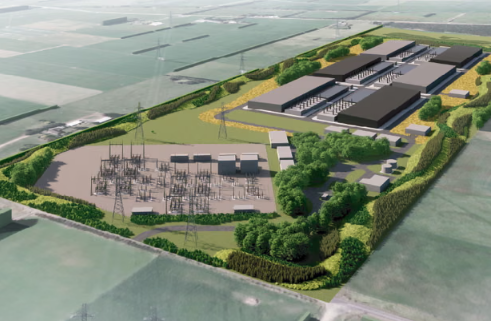
The serene landscape of Makarewa faces a massive transformation as plans for a new datacentre proceed rapidly. Residents living near this planned site are now demanding much greater transparency from the developers involved. The Singaporean firm Datagrid recently secured approval for a significant project valued at billions of dollars. This massive facility will cover forty-nine hectares of land located just north of the city of Invercargill. Construction for this site is scheduled to begin later this year with operations starting by early twenty-twenty-eight. The facility intends to support advanced artificial intelligence training and various essential cloud storage services for global clients. Datagrid also plans to install a high-speed internet cable directly connecting the southern region with distant Australia. While the company promotes these technological advancements, local citizens express deep anxiety regarding the environmental impact of the centre.
Datacentres typically require truly massive amounts of both electricity and water to function at full capacity daily. The rapid growth of this global industry is currently sparking intense debates and protests across many different nations. Local communities often find themselves grappling with difficult environmental issues and rising power bills while seeking meaningful economic benefits. Promises made by large data companies often fail to meet the high expectations of the residents living nearby the sites. The Makarewa facility will soon become the second largest user of electricity throughout the entire country of New Zealand. Only the nearby Tiwai Point aluminium smelter currently consumes more electricity than this planned artificial intelligence hub will soon require. The facility will draw nearly three hundred megawatts of power to maintain its complex operations around the clock every single year.
Local government authorities have consistently hailed this project as a major economic win for the southern region of the country. They claim that the facility will create many new jobs and significantly speed up internet services for the entire nation. Datagrid reports that approximately twelve hundred workers will be required during the active construction phase of the project this year. However, they expect only about fifty permanent positions to remain once the site finally becomes fully operational for global clients. Angus Dowell, an expert in economic geography, suggests that these statistics hide a more complicated reality for local taxpayers today. He argues that many red flags surround this specific project and the broader national push to become a primary technological hub. He notes that such facilities provide only short-term construction employment while offering very few long-term jobs for local residents.
The long-term economic benefits for the local community simply do not stack up when considering the total investment required for success. Residents in the neighbouring community feel increasingly excluded from the decision-making processes that will forever alter their quiet rural way of life. Kelly Blomfield, who leads a local advocacy group, states that the region feels as though it has been sold out to international interests. She believes that most local people are deeply frustrated because they learn almost nothing until the final decisions are already officially signed. Attempts to gather specific information directly from the company regarding their operational plans have proven to be largely unsuccessful for the locals. This project represents part of a wider government strategy to attract significant foreign investment while building essential national infrastructure for the future.
The national agency Invest New Zealand hopes to secure billions of dollars in foreign funding to build more datacentres across the country. Their official website highlights the compelling opportunities that the nation offers as a safe harbour for global investors seeking new opportunities today. They frequently cite the reliable access to renewable energy and the naturally cool climate as major advantages for building these power-hungry structures. The agency also promotes the excellent digital connectivity and the presence of a highly skilled local workforce as key reasons to choose New Zealand. A recent report commissioned by the agency claims that this industry could unlock seventy billion dollars of economic activity over the next decade. Many residents remain skeptical of these large promises despite the optimism displayed by government officials and corporate leaders during various public meetings.
Amanda, a resident of Makarewa, shares that her early curiosity about the project has now transformed into genuine concern for her community. After researching similar developments overseas, she feels deeply alarmed about the potential environmental consequences for both her town and the country at large. She worries significantly about the massive water consumption and the overall power usage required to keep the cooling systems running every day. Furthermore, she expresses concern about the potential operation of dozens of diesel generators during any unforeseen power shortages in the southern regional grid. The possibility of round-the-clock noise and light pollution also troubles local farmers who fear the impact on their livestock and their general peace. Environment Southland reports confirm that Datagrid has received approval to discharge air contaminants from eighty-four different diesel backup generators for emergency site operations.
The company is also authorised to draw over six hundred thousand litres of groundwater per day while discharging thousands of litres of treated wastewater. These environmental permits also allow for the removal of a nearby wetland area to accommodate the large footprint of the planned server facility. While direct neighbours to the specific site received some consultation, the broader community felt entirely left out of the formal planning and approval process. Anti-datacentre sentiment is now growing steadily throughout the region as more residents learn about the true scale of the massive industrial development project. Blomfield explains that the local people never asked to be part of an international race to host such energy-intensive facilities near their homes. As people begin to understand the massive scope of the project, they are increasingly vocal about their desire to keep such developments out of their backyard.
Datagrid has not provided any formal response to requests for comment regarding these growing community concerns during the last several weeks of reporting. Its chief executive, Rémi Galasso, previously claimed that public worries about water and power usage were entirely unfounded and based on simple misunderstandings. He insists that the cool climate of Southland minimises the need for water cooling while the company maintains long-term renewable energy contracts for power. He also asserts that the company will not compete with local household electricity supplies because of these specific, long-standing, and secure private arrangements. The chief executive of Invest New Zealand was not available to provide further clarification or comment on the project status during this investigation. Dowell maintains that there is far too much opacity surrounding the Datagrid project to ensure that it benefits the local people in any meaningful way.
He encourages the public to look at other places around the world that have already suffered the negative environmental impacts of hosting similar datacentres. The distribution of value within the big tech economy often appears highly asymmetrical to local stakeholders who bear the brunt of the industrial costs. He suggests that the community deserves to know much more about how this facility will function within the broader artificial intelligence ecosystem before construction begins. Transparency remains a vital element of public trust whenever large-scale foreign infrastructure projects are introduced into small and fragile rural environments. The residents of Makarewa will likely continue to demand more accountability as they watch the initial development phases begin near their homes later this year. Only time will tell if these concerns lead to a more collaborative approach or a deeper divide between the developers and the people living on the front lines of this technological expansion.
Related News:
 BP’s Influence Sparks Controversy in UK STEM Education
 AI Climate Claims Face Greenwashing Backlash
 Ocean Warming Drives Massive Marine Life Loss, Study Warns
 Musk’s xAI Permit Sparks Fury Over Power Plant Expansion
 ‘Drinking from a Fetid Pond’: Superbug Genes in Lough Neagh
 Big Tech Lobbies EU to Hide Massive Datacentre Emissions
 Record May Heat to Cold Front in Eastern Australia
 AI Turf War Erupts at the Prestigious Chelsea Flower Show
 Cambridge Recreates Historic 336-Year-Old Garden
 Green Lawsuits Surge as AI Expansion Strains Planet
 Deadly H5 Bird Flu Reaches Australia’s East Coast
 Lanarkshire AI Hub Fails Energy Promises
 Virgin Trains Moves Closer to Challenging Eurostar Monopoly
 UK Bans Fake Numbers: Scammers Lose Their Trick
 Vibe coding’ named Collins dictionary’s word of the year
 Patients to Test Health at Home to Ease NHS Winter Pressure
 Britain deploys RAF specialists to assist Belgium with drone threats
 Stop using ChatGPT to write speeches, AI minister tells MPs
 Northern Lights may illuminate UK skies this week
 New laws to bolster UK’s defences against cyber attacks on NHS, transport and energy
 New AI tool could cut wasted efforts in organ transplants
 Sundar Pichai Cautions on AI Hype and Market Risks
 Google Chief Urges Caution: Don’t Trust AI Blindly
 Healthy Habits in Your 30s That Boost Life in Your 70s
 Coffins Now Too Large to Cremate Amid Rising Obesity Crisis
 ‘Extinct’ Antelope Returns to Sahara, Bringing Hope
 Google Removes Some AI Health Summaries Over Safety Concerns
 Polycrisis Anxiety Leaves Many Feeling Trapped in the Present
 Judi Dench Champions Fight to Save London’s Green Spaces
 Half the World’s Largest Cities Face Rising Water Stress
 EU launches Grok AI probe into X over explicit images
 AI job losses UK: Britain faces sharper employment shock
 ABC Facebook Page Briefly Hacked, Adult Photos Posted
 US Robotaxis Train for London Streets Before Launch
 Meta trial over child exploitation claims begins
 Autistic Girls Often Missed in Childhood Diagnoses, Study Finds
 Childnet Censorship Row Over Teen Safety Speeches
 BT Names New Openreach Chief Amid Major Fibre Expansion
 Tech Trends Set to Transform Life in 2026
 Chikungunya Spread in Europe Climbs as Climate Warms
 Stewart Brand on Musk, Bezos and a Life of Long Thinking
 Facial Recognition Error Leads to Wrongful Arrest in Milton Keynes
 Greenpeace $345m Ruling Sparks Appeal Battle
 Zorevunersen Breakthrough for Dravet Syndrome
 Cancer Death Rate in Britain Falls by Nearly a Third
 Taking Multivitamins Daily Could Slightly Slow Ageing, Study Finds
 Welsh Water Faces £44.7m Enforcement Over Sewage Breaches
 The Kill Line: A Shifting Vision of the American Dream
 Extreme Weather: Europe Shivers as Cyclone Narelle Hits
 Middle East Deluge: Freak Storms Bangle Desert Nations
 Artemis II: Humanity Returns to the Moon After Decades
 Artemis II Returns After Historic Moon Flyby
 UK Banks to Deploy Controversial Mythos AI Tool Next Week
 Medellín’s Green Revolution: A Global Climate Blueprint
 Robots Outpace Humans in Beijing Half-Marathon
 UK Faces Growing Threat of Scale Hacktivist Attacks
 Urban Flood Crisis: A Growing Threat to English Homes
 WHO approves first malaria drug for babies
 UK Watchdogs Warn Over AI Facial Recognition Oversight
 DeepMind Staff Vote to Unionize Over US Military Contract
 EU Deal May Force UK Ban on Cancer-Linked Weedkiller
 Britain’s Quest to Crown Its Ultimate Butterfly Superstar
 Court Upholds Landmark Win for Transgender Rights
 UK Faces Mass Water Shortages by 2055, Lords Warn
 Tech Trends and the Battle Against Exam Hall Cheating
 Stolen Mobiles Could Soon Become Useless Bricks
 From Pocket Monsters to the Frontline
 Trump Faces Backlash Over $2bn Earnings Since Return
 US Courts Back Trump on Park Signage Removals
 Sydney Records Hottest June Since 1859 as Expert Warns New High a ‘Signature’ of Global Warming
 Southern Europe Reels as Wildfires Force Mass Evacuations
 Britain’s Mini Fan Craze Sparks Major Waste Crisis
 Telstra Software Fault Triggers Massive Nationwide Outage
 Telstra Software Fault Triggers Massive Nationwide Outage
 Colombia’s Fight Over Fossil Fuels
 US Chemical Accidents Rise as Protections Are Rolled Back
 Swift Nesting Crisis Sparks Outrage in South Tyneside
 Japan Bear Hunt: Serial Fridge Raider Sparks Panic
 Thames Water Future Remains Uncertain Amid Funding Crunch
 Gen Z turns to BirdTok for a gentler digital escape