Published: 31 August 2026. The English Chronicle Desk. The English Chronicle Online.
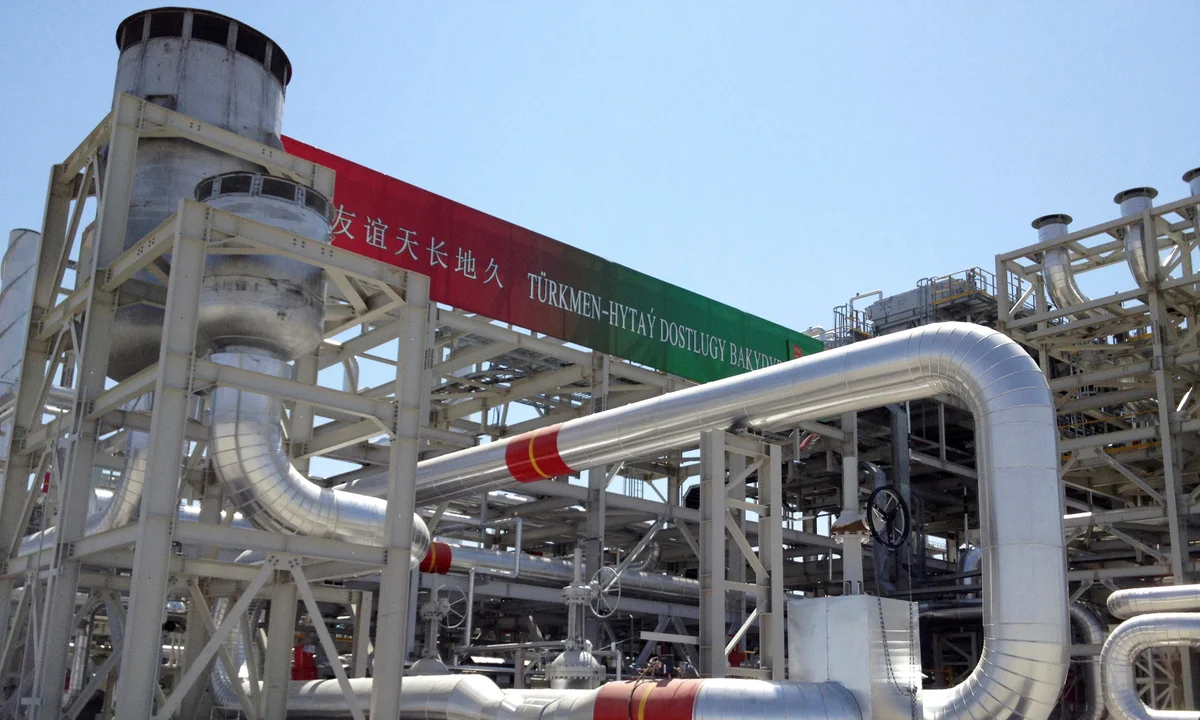
Turkmenistan has begun repairing some of the enormous methane leaks pouring from its ageing oil and gas infrastructure, marking what United Nations officials and environmental experts have described as a significant breakthrough in the global effort to tackle one of the most dangerous drivers of climate change.
The secretive Central Asian state was previously identified as the country with the world’s worst concentration of major methane leaks, with vast quantities of the powerful greenhouse gas escaping from pipelines, wells and other fossil fuel facilities. Now, new data from the United Nations shows that Turkmenistan has successfully stopped eight major leaks after repairing damaged equipment, including corroded pipelines, faulty wells and failing flares.
The progress is being welcomed as an important first step, although experts have warned that the country still faces a much larger challenge. Hundreds of methane emissions alerts have been recorded in Turkmenistan, and many sources of pollution remain unaddressed.
Methane is one of the most powerful greenhouse gases affecting the planet. Although it remains in the atmosphere for a much shorter period than carbon dioxide, it traps significantly more heat during its early years in the atmosphere. Scientists and climate specialists have therefore increasingly focused on reducing methane emissions as one of the fastest ways to slow the pace of global warming.

Leaks from oil and gas facilities are particularly important because many can be repaired relatively quickly and at comparatively low cost. Environmental campaigners often describe methane reduction as an emergency measure that can deliver rapid climate benefits while governments continue the longer-term transition away from fossil fuels.
Turkmenistan’s recent actions are particularly notable because the country has some of the largest natural gas reserves in the world and has long faced criticism over emissions from its ageing energy infrastructure.
Satellite monitoring previously revealed what experts described as an extraordinary scale of methane pollution from the country. Investigations published in recent years showed that emissions from Turkmenistan’s major fossil fuel operations were among the most significant sources of methane released anywhere in the world.
The international attention appears to have helped push the government towards greater engagement with foreign organisations and climate institutions. Sources familiar with developments in the country have suggested that international scrutiny played an important role in encouraging authorities to work with the United Nations, the European Union and other partners.
The latest figures from the UN’s Methane Alert and Response System, known as MARS, indicate that Turkmenistan received 192 alerts about methane plumes during the past year. The country was responsible for three of the six largest leaks detected globally by the monitoring system during the previous six months and had nine leaks among the world’s 50 largest recorded cases.
Despite this troubling record, Turkmenistan has shown signs of increasing cooperation. Authorities reportedly responded to around one-fifth of the alerts by providing information from the ground and discussing potential plans to address the leaks.
The eight confirmed repairs represent the most visible evidence so far that satellite detection can lead directly to practical action.
UN officials involved in the monitoring programme said the successful repairs demonstrate how satellite technology can identify major sources of pollution and help governments or companies respond before emissions continue for years.
The system combines data from more than a dozen satellites with artificial intelligence and detailed analysis by specialists. Potential methane plumes are identified from space and then reviewed before verified alerts are sent to governments or relevant companies.
When authorities report that a leak has been repaired, the monitoring system continues observing the location to determine whether emissions have actually stopped. Only after the satellite data confirms that the methane plume has disappeared can the repair be recorded as a successful mitigation case.
This process has become increasingly important as countries face pressure to improve transparency over greenhouse gas emissions.
Turkmenistan’s first confirmed repair was reported in November 2024, when a faulty well was fixed. A more recent repair involved a corroded pipeline, demonstrating that some of the largest methane releases can result from relatively straightforward failures in ageing infrastructure.
Experts say this makes methane reduction one of the most practical areas for immediate climate action. Repairing damaged pipes, replacing faulty equipment and improving monitoring systems can prevent enormous quantities of methane from entering the atmosphere.
However, the scale of the remaining challenge in Turkmenistan is still considerable.
Eight repaired leaks may represent important progress, but the country continues to generate a large number of satellite alerts. Climate specialists have stressed that the repairs should be viewed as the beginning of a broader programme rather than a complete solution.
The international comparison is also revealing.
The United States received 138 methane alerts through the MARS system during the same period but reportedly provided no responses and recorded no confirmed repairs over the past year. Other major countries, including Iran, Russia and China, were also reported as having failed to respond to alerts during the same period.
Mexico, by contrast, responded to all of its recorded alerts, although some major leaks had not yet been completely repaired. Brazil and Argentina have also demonstrated strong response rates, while Libya and Azerbaijan have shown comparatively high levels of engagement.
Elsewhere, Kazakhstan has also begun addressing methane pollution from ageing energy facilities. The country has reportedly stopped eight leaks, although the overall number of detected methane emissions there remains lower than in Turkmenistan.
Across all countries monitored through the UN system, 43 methane leaks have so far been successfully sealed. Some repairs were relatively simple and could be completed quickly, while others required substantial planning, funding and technical support.
One major leak in Algeria had reportedly continued for decades before being repaired. The problem was linked to a faulty flare, equipment designed to burn unwanted methane and convert it into carbon dioxide, which has a lower short-term warming effect than methane.
The successful repair of such long-running emissions sources has strengthened arguments for more extensive satellite monitoring and faster responses from governments and energy companies.
Turkmenistan joined the Global Methane Pledge in December 2023 after previously remaining outside the initiative. The pledge aims to encourage countries to take coordinated action to reduce global methane emissions.
The country’s huge gas reserves and its position as a major energy supplier have made methane emissions particularly difficult to ignore. For many years, the enormous volume of available gas meant that leakage was treated as a less urgent concern than production and exports.
But the growing ability of satellites to detect methane plumes has changed the situation. Emissions that were once difficult to observe from the ground can now be identified from space and tracked over time.
Environmental groups say this new transparency is transforming the fight against methane pollution.
The UN Secretary-General António Guterres has called for countries to respond to at least 80 per cent of methane alerts. Achieving that target would require significantly stronger cooperation from many of the world’s largest fossil fuel producers.
For Turkmenistan, the recent repairs represent a potentially important change in direction. A country once associated with some of the world’s most extraordinary methane emissions is now beginning to demonstrate that satellite alerts can lead to concrete action.
Environmental experts remain cautious, however. The country still has numerous major emission sources that require attention, and continued repairs will be necessary to produce a substantial reduction in overall methane pollution.

The wider lesson from Turkmenistan may prove equally significant.
Modern satellite technology can now reveal climate pollution that previously remained hidden. But identifying a problem is only the first stage. The real test comes when governments and industries decide to repair the equipment responsible.
Turkmenistan’s eight successful repairs suggest that action is possible, even in countries with ageing infrastructure and a history of limited transparency.
Whether this initial breakthrough develops into a sustained programme of methane reduction remains to be seen. But for climate campaigners and scientists, the message is clear: some of the fastest and most effective opportunities to reduce global warming may be found not in distant future technologies, but in repairing the leaking infrastructure that already exists.
Related News:
 UK New Car Discounts Near £6,000 as Prices Are Slashed
 ABC Staff Strike Over Pay and AI Concerns
 Apple at 50: Three Products That Changed How We Live
 Heavier SUVs Accelerate Britain’s Pothole Crisis
 Chornobyl Still at Risk 40 Years After Disaster
 Capitalism ‘Suicidal’, Warns Petro at Climate Summit
 Norway Doubles Down on Oil and Gas for Europe Energy Security
 Doomsday Clock Nears Midnight Amid Global Crises
 China mine blast death toll rises to 90
 UK rejects EV charging VAT cut amid Treasury clash
 UN Issues Urgent Warning: Imminent Return of El Niño
 British AI Startup Outshines Human Forecasters in Global Prediction Contest
 Virgin Trains Moves Closer to Challenging Eurostar Monopoly
 Britain deploys RAF specialists to assist Belgium with drone threats
 New laws to bolster UK’s defences against cyber attacks on NHS, transport and energy
 Hitler’s DNA Confirms He Truly Had Only One Testicle
 Canada Passes Carney’s First Budget in Tight Parliamentary Vote
 UK Taskforce Unveils Plan to Streamline Nuclear Reactor Rules
 India’s Labour Law Overhaul Sparks Fierce Debate
 ‘Black Tax’: Burden, Pride and Survival for African Workers
 AI job losses UK: Britain faces sharper employment shock
 UK AI avatar firm Synthesia valuation jumps to $4bn
 SpaceX Plans $1.5tn IPO Amid Planetary Alignment
 BT Names New Openreach Chief Amid Major Fibre Expansion
 AI fears hit UK wealth and comparison sites
 Trump Tower Gold Coast to Redefine Skyline
 Rory Amon Trial: Alleged Victim Speaks in Court
 Ocean Warming Drives Massive Marine Life Loss, Study Warns
 Gulf shipping crisis as war risk cover pulled
 UK Firms Warned of Rising Iran Cyber Threats
 Global markets face turmoil as Hormuz crisis deepens
 Tesla Enters British Energy Market Following Ofgem Approval
 The Kill Line: A Shifting Vision of the American Dream
 The Truth Behind Rising Energy Costs and Fossil Fuel Myths
 RBA rate hike sparks fears amid global crisis
 UK Energy Reform Could Cut Bills by £200
 Oil Slides, Stocks Jump on Trump Peace Signals
 Australian Growth Slows as Global Inflation Spike Looms
 Trump to Deploy “God Squad” Over Gulf Wildlife Protections
 Trump Threatens Iran With Total Infrastructure Destruction
 Iran Drone Strike Hits Kuwaiti Oil Tanker in Dubai Port
 Artemis II: Humanity Returns to the Moon After Decades
 US Senators Slam Ticketmaster Over Sneaky New Fee Hikes
 Artemis II Returns After Historic Moon Flyby
 IMF Warns Iran War Could Spark Deep Global Recession
 Trump Slams UK Ties and Threatens To Rewrite Trade Deal
 Southeast Asia Turns to Russia Amid Energy Crisis
 Ukraine Urges UK to Seize Russian Oil Tankers
 Older Than Dinosaurs: Secrets of Mayfly Dance Revealed
 Oil Prices Surge Above $120 Amid Iran Blockade Fears
 $13bn World Cup Set to Break All Revenue Records
 Disney+ Wins Champions League Rights in Key Markets
 Coalition pushes fossil fuel phaseout plan
 Germany to Return Rare Irritator Dinosaur Skull to Brazil
 Trump approval plunges amid Iran war fears
 DeepMind Staff Vote to Unionize Over US Military Contract
 Global Conflict Hits Home As Bullock Warns Of Economic Pain
 US Awaits Iran Reply on New Ceasefire Proposal
 High Street Crisis: Fears Grow Over Post Office Closures
 Oil Markets Face ‘Red Zone’ Threat Amid Iran Crisis
 Hormuz Talks Near Critical Stage
 Pope Meets Families in Italy Toxic Waste Zone
 SpaceX Prepares for Historic Valuation Launch
 Silicon Valley Shifts South as AI Boom Transforms City Housing
 UK Economy Suffers a Sharp Downturn as Iran Conflict Bites
 Trump Faces Backlash Over $2bn Earnings Since Return
 Germany Summons Chinese Envoy Over Russian Troop Training
 Sydney Records Hottest June Since 1859 as Expert Warns New High a ‘Signature’ of Global Warming
 Record £28m Fine for Virgin Media Over Cancellation Woes
 Ukraine Creates Long-Range Strike Command
 Olympus Awaits Unesco Heritage Recognition
 Wildfires Force Mass Evacuations in France And Spain
 Powerful 7.7-Magnitude Earthquake Hits Eastern Indonesia
 Weight-Loss Drugs Offer Food Savings Mainly to High Earners
 Burnham unveils £65m drought aid for farmers
 Gen Z turns to BirdTok for a gentler digital escape
 Canada to Match Trump’s 50% Tariffs Dollar for Dollar
 France Eases Cheese Rules as Drought Hits Farms
 UK Risks Falling Behind in AI Race
 Europe Faces Winter Gas Supply Anxiety