Published: 19 October 2026. The English Chronicle Desk. The English Chronicle Online
UK-listed companies have issued profit warnings at their highest level in two years, as the war in the Middle East drives up energy prices, increases operating expenses and deepens uncertainty ahead of the government’s autumn budget. The latest figures point to mounting pressure on businesses already struggling with higher borrowing costs, unpredictable demand and the challenge of planning investment in an increasingly unstable economic environment.
Research by consultancy EY-Parthenon found that companies listed on the London stock market issued 65 profit warnings in the three months to the end of September. The increase reflects the growing difficulty businesses face in predicting their financial performance as geopolitical tensions disrupt markets and push up the cost of running operations. With the government preparing its forthcoming tax and spending statement, the figures have intensified calls for measures to protect companies from the latest economic shock.
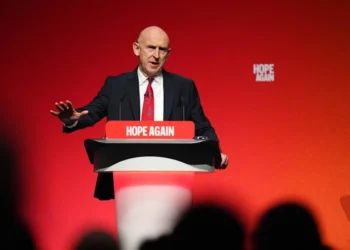
The warnings come at a particularly sensitive moment for the UK economy. Businesses are preparing for the government’s budget on 28 October, when Chancellor John Healey is expected to outline the administration’s approach to taxation, public spending and support for households and employers. Business leaders have been urging the government to provide emergency assistance to help companies cope with higher fuel prices, energy bills and other expenses linked to the conflict.

Healey has promised that the budget will give households and businesses some “breathing space”. However, the government faces a difficult balancing act. Higher borrowing costs and pressure on public finances could restrict the amount of assistance available, even as companies and consumers face increasing financial strain. The challenge for policymakers will be to respond to the immediate economic consequences of the conflict without creating additional pressures on the government’s finances.
The rise in profit warnings offers an indication of how uncertainty is affecting companies across the UK. A profit warning is issued when a business expects its financial performance to fall short of previous expectations, often because sales, costs or wider market conditions have deteriorated. Such announcements do not necessarily mean a company is facing insolvency, but a sustained increase can signal that businesses are finding it harder to maintain profitability.
According to EY-Parthenon, changes in government policy and geopolitical uncertainty were the most frequently cited principal factors behind the latest warnings. Rising costs were identified as the leading factor in 35 per cent of warnings, while 38 per cent specifically referred to the impact of the conflict in the Middle East. The figures highlight the extent to which international developments are influencing corporate performance far beyond the immediate region affected by the fighting.
Almost one in five UK-listed businesses, or 17 per cent, has issued at least one warning about its financial performance during the past 12 months. The scale of the increase suggests that pressure is not confined to a small number of companies or a single industry. Instead, businesses are confronting overlapping risks, including rising expenses, uncertain government decisions and changes in consumer confidence.
Jo Robinson of EY-Parthenon said the findings illustrated the range of challenges facing companies as the autumn budget approached. Policy changes and uncertainty, which were once more commonly associated with major fiscal announcements or election periods, had become a regular feature of the consultancy’s data, she said.
Robinson also noted that businesses had demonstrated considerable resilience, but the pace of policy change was making it increasingly difficult for companies to forecast performance, decide where to invest and allocate capital. These decisions are central to long-term business planning. When companies cannot confidently estimate future costs or demand, they may delay investment, limit recruitment or reconsider expansion plans, potentially affecting economic activity beyond the businesses issuing warnings.
The household goods and home construction sector recorded the highest number of warnings among the FTSE-listed sectors between July and September. Listed housebuilders were particularly exposed, issuing six warnings during the quarter. Their total for 2026 has now reached 14, exceeding the 10 recorded during 2008, the peak year for housebuilder profit warnings during the global financial crisis.
The comparison with 2008 highlights the seriousness of the pressure facing the housing sector, although the underlying economic circumstances are not identical. Housebuilders are sensitive to mortgage affordability, consumer confidence, construction expenses and the availability of finance. When borrowing becomes more expensive and potential buyers become cautious, property transactions can weaken, leaving developers facing uncertainty over sales, revenue and future building activity.
Separate figures from property platform Rightmove show that the housing market is also experiencing conflicting pressures. Average asking prices for newly listed homes increased by 1 per cent in October to £371,015. However, asking prices were 0.1 per cent lower than a year earlier, indicating that the modest monthly rise has not translated into annual growth.
Rightmove warned that rising mortgage rates were likely to make homes less affordable in a market where buyers remain sensitive to prices. Average two-year fixed mortgage rates have increased to 5.55 per cent, compared with 5.29 per cent in September and 4.25 per cent before the United States and Israel attacked Iran in February, according to the figures cited in the report.
The increase in mortgage rates has added to the financial burden facing prospective buyers. For a new loan, the change has added approximately £250 to average monthly mortgage payments. Higher repayments can reduce the amount households are able to borrow, narrow the range of properties they can afford and discourage some buyers from entering the market. The consequences may then spread to estate agents, builders, home improvement businesses and other sectors that depend on housing activity.
Colleen Babcock, a property expert at Rightmove, said the rapid rise in mortgage rates was increasingly affecting buyers’ budgets. She also observed that sellers were beginning to adjust their asking prices in some of the less expensive areas of Great Britain, where property values had remained comparatively resilient earlier in the year.
The pressure on businesses is therefore unfolding alongside a broader cost-of-living squeeze. Figures published by the Trades Union Congress last week indicated that UK households had paid almost £14,000 on average in additional mortgage, loan, energy and water costs over the previous five years. The figures underline how prolonged increases in essential expenses have reduced the financial flexibility of many households, potentially limiting their ability to absorb further price rises.
The union umbrella organisation has urged the government to introduce a cost-of-living support package in the budget, funded through higher taxes on wealth and the banking industry. Such proposals reflect growing demands for the government to distribute the burden of economic disruption more broadly. However, the scale and design of any support package will depend on the government’s fiscal priorities and the resources it is prepared to commit.
Separate measures to support small businesses are also under consideration. Reports ahead of the budget indicated that Healey was preparing changes intended to help thousands of high street shops, cafés, pubs and hairdressers manage rising costs through a reduction in business rates for smaller companies.
Under the reported proposal, the threshold at which small firms begin paying business rates would rise from £12,000 to £18,000. If implemented as described, the change could reduce the property-related tax burden for eligible businesses, potentially leaving them with more money to meet wage bills, energy expenses and other operating costs. The precise impact would depend on the final policy details and the businesses eligible to benefit.
The budget is also expected to include a scheme aimed at helping first-time buyers get onto the housing ladder, following a previous pledge by Andy Burnham. Any such initiative would enter a market where higher mortgage rates are already making affordability a significant concern.
For the government, the challenge extends beyond individual tax measures. Companies need predictable conditions in which to plan spending, recruit staff and invest, while households need sufficient financial security to continue spending. If businesses respond to uncertainty by postponing investment or reducing costs, the effects could be felt through weaker hiring, slower growth and more cautious consumer demand.

The latest profit-warning figures do not establish that the UK economy is heading towards a financial crisis on the scale of 2008. They do, however, reveal a substantial increase in the number of listed companies warning that their financial performance is under pressure. The unusually high number of warnings from housebuilders, the rise in mortgage rates and the growing cost burden linked to the Middle East conflict illustrate how international events can affect both corporate balance sheets and household finances.
As the 28 October budget approaches, businesses will be watching closely for measures that address immediate costs while providing greater certainty about the direction of economic policy. Whether the government can offer meaningful relief while managing constrained public finances will be a central question. For companies already warning about profits, the coming weeks could prove important in determining how they respond to higher expenses, uncertain demand and an economic outlook increasingly shaped by events beyond the UK’s borders.
Related News:
 Spire Healthcare Agrees £1bn Takeover by Toscafund
 Oil nears $100 as Saudi attacks shake markets
 John Lewis Losses Widen to £124m as Confidence Falls
 Thames Water Revises Oxfordshire Mega-Reservoir Plan
 Entain Plans 400 Job Cuts After Profit Update
 Next Raises Profit Forecast After Strong Summer Sales
 UK Productivity Improves as Bank Weighs Interest Rates
 Barclays Staff Push Back Against Office Return Plan
 UK Trade Losses Grow Without EU Product Deal
 AO Acquires Jessops in Camera Retail Expansion
 Beaverbrooks Boss Calls for Relief on Business Costs
 Poundland Rescue Bid Could Protect 11,000 Jobs
 UK Diesel Reaches £2 as Inflation Surges Across Europe
 Minister Rejects Fears of UK Diesel Shortage
 BT Agrees £400m TalkTalk Rescue Deal
 Informa Agrees £2.24bn Deal to Buy Clarion
 Healey Plans £1bn Online Marketplace Tax Crackdown
 Wealthy Britons Flee Gulf War but Avoid UK Taxes
 UK Wage Growth Slows as Jobs Market Holds Firm
 BBC News Faces Deep Cuts in 2,000 Job Plan
 Reeves Fights to Keep Treasury Role Amid Labour Turmoil
 UK rejects EV charging VAT cut amid Treasury clash
 Pubs and Hotels Face Business Rates Reform Review
 Firms on both sides fear damage from US-Canada trade war
 UK Households Could Save £173 on Fixed Energy Deals
 Burnham Faces Mounting Budget Challenges
 UK Cost Squeeze Deepens as Mortgages and Gas Rise
 UK House Prices Fall as Mortgage Rates Rise
 Billionaire Chris Rokos poised to leave UK
 JPMorgan Boss Warns Against UK Bank Tax Rise
 Oil Prices Surge as Saudi Pipeline Closure Deepens Crisis
 UK Retailers Accused of Breaking Refund Laws
 Farage Threatens Union Funding Ban Over Reform Donations
 UK State Pension Set to Rise 3.9% as Triple Lock Holds
 UK Parents Cut School Uniform Costs as Prices Rise
 North Sea Firms Urge Early End to Windfall Tax
 UK Pay Growth Slows to 3.9% as Rate Decision Nears
 Bank Urged to Slow Bond Sales as UK Costs Rise
 JLR Eyes NATO Market With New Defender Military Vehicle
 UK Inflation Hits 3.1% as Household Pressure Grows
 Mayors Could Gain New Powers Over UK Water Firms
 Mayors Could Gain Greater Powers Over Water Firms
 Tories Press Healey Over Tax Rises Ahead of Budget
 Trump Threatens EU With Tariffs Over Canada Proposal
 Trump Threatens EU Over Canada Partnership Proposal
 UK Retail Sales Rebound as Consumers Spend More
 UK Rent Gap Puts Low-Income Families Under Pressure
 Calls Grow to Expand UK National Wealth Fund
 UK Borrowing Hits £18.3bn Ahead of Budget
 MPs Defend UK Economic Watchdog Against Critics
 Chinese Hybrid Car Surge Raises EU Auto Industry Concerns
 Tony Blair Calls for Britain to Rejoin EU Within a Decade
 TalkTalk Races to Sell Arms as Administration Looms
 Should Savers Lock Into 5.25% Fixed Rates?
 UK Diesel Prices Hit Record High Amid Iran Conflict
 New UK Homes in Flood Zones Face Insurance Risk
 Bank Chief Calls for Power to Intervene in AI
 Healey urged to act as UK energy bills rise 4%
 UK house price growth slows as mortgage rates rise
 UK borrowing costs surge as global bond sell-off deepens
 UK Bookmakers Linked to Offshore Casino Deal
 Boots Sale Nears as Weston Family Eyes $9bn Deal
 BBC Three and Scotland Face Online-Only Future
 UK Assures Public Over Diesel Supply
 UK Faces Calls to Review Bank Failure Bets
 UK Weighs Chinese Car Tariffs Amid EU Trade Push
 Asos Investigates Hack Claims After Customer Alerts
 EU-China Talks Target Surge in Hybrid Car Imports
 Google Maps Brings Live Fuel Prices to UK Drivers
 Tesco Raises Profit Forecast as Consumer Confidence Holds
 Ministers Push ATO to Reconsider Credit Card Ban
 Australia Delays Tax Credit Card Payment Ban After Backlash
 Labour Fears Budget Will Fail to Lift Living Standards
 IFS Warns UK Budget Faces £35bn Spending Gap
 UK Van Drivers Face £2.5bn Diesel Cost Surge
 EU Caps Chinese Hybrid Car Imports at 350,000
 IMF Warns Global Economy Is Nearing Its Limits
IMF Raises UK Growth Forecast Ahead of Healey’s Budget
 Cyber-Attack Puts Hobbs and Whistles Customer Data at Risk
 UK Water Firms Face £107m Bill Reduction Penalties