Published: 17 September 2026. The English Chronicle Desk. The English Chronicle Online
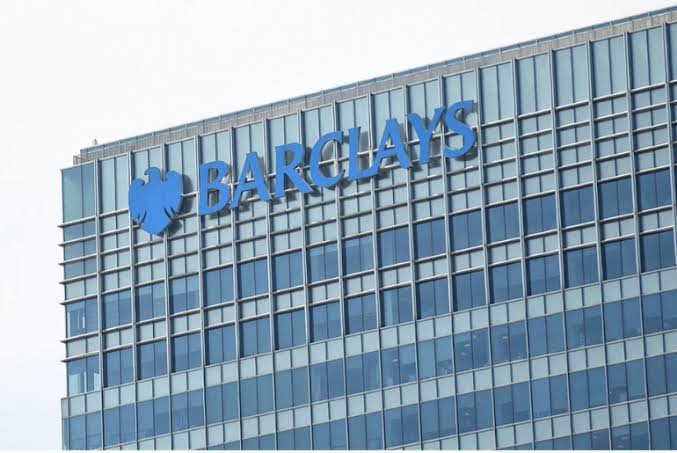
Thousands of Barclays employees are pushing back against the bank’s plans to increase the amount of time staff spend working from its offices, with the Unite union calling for financial support for additional commuting costs and exemptions for workers facing longer journeys.
The dispute centres on changes due to take effect in October, when most affected Barclays employees who are not already meeting the new requirement will be expected to work from the office at least three days a week. The bank’s most senior leaders are expected to spend at least four days a week in the office. Under the existing arrangements, many full-time employees have been required to attend their workplace for two days a week.
The proposed change places Barclays among a number of major financial institutions reassessing hybrid working arrangements introduced or expanded during the Covid-19 pandemic. The debate has increasingly focused on how employers should balance face-to-face collaboration with the flexibility that employees have become accustomed to over recent years.
Unite, which represents a substantial proportion of Barclays’ UK workforce, says thousands of employees have signed an open letter opposing the changes. The union has asked Barclays to reconsider the implementation timetable and discuss measures designed to reduce the financial and practical impact of increased office attendance.

Among Unite’s proposals is a one-off payment intended to help employees meet the additional costs associated with travelling to work more frequently. The union has also called for exemptions for employees whose journeys to their normal workplace exceed 40 minutes, as well as greater flexibility for people with caring responsibilities.
The union has additionally raised the possibility of allowing employees to travel at cheaper off-peak times where their working arrangements permit. Unite argues that the additional commuting requirement could create significant challenges for employees who have structured their working lives around existing hybrid arrangements.
Rick Coyle, a Unite national officer, said the level of support for the open letter showed that the issue was significant among the workforce. He said the union would discuss the concerns with Barclays and present the strength of feeling expressed by employees.
The union’s position comes after a period in which flexible and hybrid working became more established across the banking and financial services sector. During the pandemic, many office-based employees shifted to working remotely, and a number of financial institutions subsequently adopted hybrid models combining home and office working.
Barclays has now decided that greater office attendance is appropriate for many parts of its UK operation. The bank has said its minimum requirements vary according to business area, reflecting differences in the nature of the work and the needs of individual operations.
A Barclays spokesperson said the bank recognised the benefits of flexibility but also considered physical workplaces important for collaboration. The company said most colleagues who were not already attending the office three days a week would align with the wider approach across the bank.
The bank also plans a separate expectation for its most senior leaders. They are expected to spend an additional day in the office, with Barclays saying this is intended to support collaboration, decision-making and leadership visibility.
The disagreement therefore goes beyond a simple question of whether employees prefer working remotely or from an office. It raises wider questions about commuting expenses, working-time arrangements, employee consultation and the changing expectations surrounding office-based employment.
For employees, the financial consequences of attending the workplace more frequently can vary considerably depending on where they live, their method of transport and the distance they travel. A worker who previously travelled to an office twice a week could face substantially higher monthly transport costs if required to attend three or more days.
Unite has therefore linked its opposition to the return-to-office policy with requests for financial assistance. Its proposals include a payment for increased office attendance and exemptions based on commuting time or distance. The union has also sought greater flexibility for employees who have caring responsibilities.
The issue is not unique to Barclays. Major banks around the world have been reviewing hybrid-working policies, with some increasing minimum office attendance requirements. Supporters of greater office presence have frequently pointed to collaboration, training, mentoring and the development of junior employees as reasons for maintaining regular face-to-face contact.
The debate has been particularly visible in banking because large financial institutions employ tens of thousands of people in office-based roles and operate from major business centres where commuting can be expensive and time-consuming.
JPMorgan chief executive Jamie Dimon has previously argued that employees, particularly younger workers, benefit from spending time with colleagues in person and learning through workplace interaction. His comments have become part of the wider discussion over whether remote working can provide the same opportunities for professional development as traditional office environments.
Barclays, however, has not said that all employees will necessarily have identical attendance arrangements. Its statement emphasises that requirements differ between business areas according to the nature of the work and operational needs.
That distinction means the impact of the October change could vary among employees. Some workers may already be attending offices three or more days each week and therefore face little or no change, while others currently working under a two-day arrangement could experience a substantial increase in commuting.
The union’s campaign also comes after Unite members at Barclays secured a revised pay agreement earlier this year. In June, Unite said Barclays workers had voted to accept an improved pay offer worth 4.6%, with around 20,000 lower-paid employees receiving a 5.35% increase. Unite said the agreement followed negotiations with the bank.
That earlier agreement illustrates the established relationship between the union and Barclays, although the current disagreement concerns working arrangements rather than the pay settlement.
The next stage is expected to involve discussions between Unite and Barclays over the return-to-office plans. The union says it intends to present management with the concerns raised by employees, while Barclays has indicated that it is continuing with its broader approach to minimum office attendance.
For businesses, the issue carries implications beyond one company’s employment policy. Hybrid working has become an important part of recruitment and retention strategies in many professional sectors, while employers continue to assess how much office attendance is necessary for their operations.
For workers, meanwhile, the question is closely connected to household budgets and daily routines. Additional commuting days can mean higher transport expenses, longer travel times and changes to arrangements involving childcare or other responsibilities. Those effects are likely to be felt differently across the workforce.

The dispute also highlights the continuing adjustment of workplaces several years after the pandemic fundamentally changed expectations around where office-based work can be performed. Employers are seeking to establish models that they believe support their commercial and organisational needs, while employees and unions are seeking arrangements that preserve flexibility and limit additional costs.
At Barclays, the October deadline will put the revised policy into practice for affected employees. Whether the bank makes any changes following discussions with Unite remains to be seen.
For now, the positions of the two sides remain distinct. Unite is calling for a rethink of the timetable and additional protections or financial support for affected workers, while Barclays maintains that its office requirements are designed around the needs of different business areas and the benefits of working together in physical locations.
The outcome of the discussions could provide an indication of how one of Britain’s major financial institutions intends to balance hybrid working with office-based collaboration. It may also contribute to the broader debate across the UK financial sector over what the post-pandemic workplace should look like.
Related News:
 Thames Water Revises Oxfordshire Mega-Reservoir Plan
 Entain Plans 400 Job Cuts After Profit Update
 Pubs and Hotels Face Business Rates Reform Review
 UK Households Could Save £173 on Fixed Energy Deals
 Spire Healthcare Agrees £1bn Takeover by Toscafund
 UK House Prices Fall as Mortgage Rates Rise
 Oil nears $100 as Saudi attacks shake markets
 John Lewis Losses Widen to £124m as Confidence Falls
 UK Retailers Accused of Breaking Refund Laws
 UK State Pension Set to Rise 3.9% as Triple Lock Holds
 UK Parents Cut School Uniform Costs as Prices Rise
 Fashion Firms Urge UK-Made NHS and Army Uniforms
 UK Pay Growth Slows to 3.9% as Rate Decision Nears
 Bank Urged to Slow Bond Sales as UK Costs Rise
 UK Inflation Hits 3.1% as Household Pressure Grows
 UK Youth Jobs Gap Reveals Deep Regional Divide
 Mayors Could Gain New Powers Over UK Water Firms
 Mayors Could Gain Greater Powers Over Water Firms
 Next Raises Profit Forecast After Strong Summer Sales
 UK Productivity Improves as Bank Weighs Interest Rates
 Wealthy Britons Flee Gulf War but Avoid UK Taxes
 UK Wage Growth Slows as Jobs Market Holds Firm
 BBC News Faces Deep Cuts in 2,000 Job Plan
 New UK advice scheme to boost savings and investing
 Reeves Fights to Keep Treasury Role Amid Labour Turmoil
 UK rejects EV charging VAT cut amid Treasury clash
 Firms on both sides fear damage from US-Canada trade war
 Burnham Faces Mounting Budget Challenges
 UK Subsidence Claims Surge After Record-Breaking Summer
 UK Cost Squeeze Deepens as Mortgages and Gas Rise
 UK retailers plan 100,000 placements for young people
 Billionaire Chris Rokos poised to leave UK
 JPMorgan Boss Warns Against UK Bank Tax Rise
 Oil Prices Surge as Saudi Pipeline Closure Deepens Crisis
 Farage Threatens Union Funding Ban Over Reform Donations
 North Sea Firms Urge Early End to Windfall Tax
 JLR Eyes NATO Market With New Defender Military Vehicle
 Slave-Trade Wealth Embedded in Britain’s Financial System
 UK Youth Jobs Gap Exposes Sharp Regional Divide
 Lords Call for Tobacco-Style Gambling Ad Ban
 Tories Press Healey Over Tax Rises Ahead of Budget
 Trump Threatens EU With Tariffs Over Canada Proposal
 Trump Threatens EU Over Canada Partnership Proposal
 UK Banks Maintain £100 Contactless Limit Despite FCA Rule Change
 UK Doubles Steel Tariffs to 50% to Protect Domestic Plants
 Oil and Gas Prices Surge Amid Iran-Israel Attacks on Gasfields
 Rising Costs Force Families to Rethink Days Out
 Glasgow Central Set for Full Reopening After Fire
 Student Loan Interest May Rise Despite 6% Cap
 Carmakers Face £3bn Gap in UK Loan Payout Scandal
 Reform UK funding: mystery billionaire revealed
 Albanese Rejects Gas Export Tax Push
 Britons Build Emergency Supplies Amid Rising Fears
 UK Pushes for New EU Goods Trade Deal
 Public Confidence in University Degrees Plummets in the UK
 Weight-Loss Drugs Transform Fashion Shopping Habits
 Labour MPs Urge Burnham to Revive UK Aid Target
 EasyJet Takeover Sparks Fears Over Passengers’ Future
 Weight-Loss Drugs Offer Food Savings Mainly to High Earners
 Burnham unveils £65m drought aid for farmers
 Shein targets $27bn valuation in Hong Kong debut
 US CEOs Earn 614 Times More Than Workers
 UK Risks Falling Behind in AI Race
 Europe Faces Winter Gas Supply Anxiety
 Dutch Bank Moves 86 Tonnes of Gold to London
 Green Leader Targets Starmer’s Former Seat
 Reform Faces Fresh Financial Controversy
 Ukraine Moves to Seize Water Company
 Swedish Mining Push Puts Sami Land Rights Under Pressure
 Councils spend £125m on illegal children’s care
 McLaren to Create 1,000 UK Jobs in £450m Investment
 Nats Boss Summoned as UK Flight Chaos Continues
 Iceland to Open First UK High Street Store in Falklands
 Reform UK Receives Record £36m Donation From Crypto Billionaire
 UK Heatwaves Set to Worsen Pothole Damage, RAC Warns
 Horse Hill Oil Site Sold as New Drilling Bid Emerges
 Seoul Restaurant Fined Over Ant-Topped Dessert
 Anthropic Backs $31.9bn Queensland Data Centre
 Horse Hill Oil Site Sold for £1m as Drilling Bid Returns
 Enhertu Approved for Eligible Breast Cancer Patients in England