Published: 15 September 2026. The English Chronicle Desk. The English Chronicle Online.
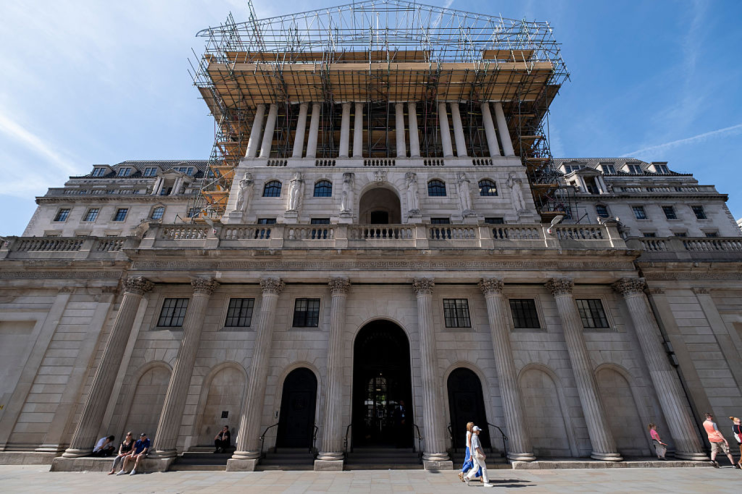
Economists are urging the UK government to press the Bank of England to slow or temporarily halt its programme of selling government bonds, arguing that the policy is adding to borrowing costs at a time when the Treasury is already facing mounting financial pressure.
The issue is set to come under renewed scrutiny this week as the Bank’s Monetary Policy Committee prepares to review both interest rates and the pace of its bond-selling programme. The debate has become increasingly important ahead of Chancellor John Healey’s first budget next month, with government borrowing costs already standing at levels not seen for many years.
The bonds involved are government securities known as gilts. The Bank accumulated large quantities of them during its quantitative easing programme, introduced in response to the financial crisis and later expanded during periods of severe economic disruption. QE was designed to support financial conditions by purchasing government debt and other assets from the market.
In recent years, the Bank has attempted to reverse part of that intervention through quantitative tightening, or QT. Instead of purchasing bonds, it has been reducing its holdings by allowing some securities to mature and actively selling others.

The policy is intended to remove some of the monetary stimulus created through QE and help control inflation. But critics argue that the timing and scale of the sales are creating additional difficulties for the government.
As the value of some of the bonds has fallen, selling them can crystallise losses for the public finances. At the same time, placing more government debt into financial markets increases the supply of gilts available to investors. If demand does not keep pace with that supply, yields can rise, increasing the interest rate the government must pay to borrow.
That issue has become particularly significant as financial markets have been unsettled by rising global energy prices and geopolitical tensions. The cost of government borrowing has climbed sharply, with the yield on the benchmark 10-year gilt passing 5.4% on Monday. That was its highest level since July 2007.
The 30-year gilt yield also climbed to 5.93%, its highest level since March 1998. Higher yields can translate into greater costs for the government when it refinances existing debt or issues new bonds, potentially putting additional pressure on future budgets.
The Bank estimated in August that its current approach to quantitative tightening could ultimately generate total losses of around £120bn for the exchequer if interest rates follow the path currently expected by financial markets.
The scale of that potential loss has intensified criticism from economists and politicians who believe the Treasury should have a stronger role in decisions that have significant consequences for the government’s finances.
Bank of England governor Andrew Bailey has defended the independence of the Monetary Policy Committee. Earlier this year, while appearing before the Treasury committee in parliament, Bailey argued that limiting short-term costs to the government was not part of the MPC’s remit.
The central bank has nevertheless indicated that it intends to continue reducing its gilt holdings. Officials have already signalled that the pace of sales will be slower than previously anticipated, reflecting changing conditions in financial markets.
Reports that the Bank and Treasury have been discussing a possible restructuring of the programme have added to expectations that some aspects of QT could be changed. One proposal reported this week would involve stopping sales of 20-year and 30-year gilts acquired during the quantitative easing period.
Such a move would not amount to a complete reversal of quantitative tightening, but it could reduce the amount of longer-term government debt being placed into the market. That could potentially ease some upward pressure on long-term gilt yields, although the eventual effect would depend on investor demand and wider market conditions.
The debate comes at a politically sensitive time for Healey. The chancellor is preparing for his first budget next month and faces pressure to control government borrowing while dealing with the cost of public services and other spending commitments.
Critics of the Bank’s current approach argue that the Treasury cannot simply ignore the financial consequences of QT when the government is already paying high rates to service its debt.
Louise Haigh, the Cabinet Office chief who managed Andy Burnham’s campaign to become an MP, has previously argued that the Bank should not pursue policies that could actively damage the government’s balance sheet.
However, Healey is understood to have resisted calls from within the cabinet for a more confrontational approach towards the central bank. Rather than directly instructing the Bank to change its policy, the chancellor has reportedly preferred to rely on assurances that officials will take account of the potential financial burden on the Treasury.
That approach reflects the longstanding importance of the Bank’s operational independence. The central bank is responsible for setting monetary policy and determining how best to achieve its objectives, while the Treasury controls fiscal policy and government spending.
The question is therefore not simply whether bond sales are expensive for the government. It is also about how monetary policy decisions should account for their wider impact on the public finances without undermining the independence of the central bank.
Charlie Bean, a former deputy governor of the Bank of England, has argued that the current arrangement may become difficult to sustain politically if the MPC can make decisions with substantial consequences for the Treasury without some form of government involvement or a mechanism to reduce those spillover effects.
The discussion also highlights the unusual financial consequences of reversing quantitative easing. During the years when the Bank was buying bonds, it helped push down borrowing costs and supported financial markets. Reversing those purchases was always expected to have an impact on the supply and pricing of government debt.
However, the scale of the potential losses has become more significant as interest rates have risen from the exceptionally low levels seen for much of the period following the financial crisis.
When the Bank purchased gilts at lower yields, their value subsequently fell as interest rates increased. Selling securities after those price declines can therefore lock in losses that might otherwise remain unrealised.
The government’s financial position is also being affected by broader market pressures. Higher oil prices linked to conflict in the Middle East have contributed to renewed concerns about inflation. Investors have consequently been reassessing the outlook for interest rates, inflation and government borrowing.
If inflation remains elevated, the Bank could face pressure to maintain restrictive monetary policy for longer. Higher interest rates generally increase borrowing costs across the economy and can also influence the yields demanded by investors when governments issue debt.
For the Treasury, the combination of higher gilt yields and potential losses associated with QT creates a difficult backdrop ahead of the budget. Every additional increase in debt-servicing costs can reduce the amount of money available for other government priorities.
The controversy does not mean that the Bank is preparing to abandon quantitative tightening. Officials have already indicated that bond sales will continue, albeit at a slower pace than previously expected. The immediate question is whether policymakers will go further by reducing the pace again or pausing some sales altogether.
A change in the treatment of longer-term gilts could offer the Treasury some relief if it helps prevent additional upward pressure on long-term borrowing costs. But it would not eliminate the wider factors influencing gilt yields, including inflation expectations, interest rate forecasts, investor confidence and the government’s overall borrowing requirements.
The debate also comes as policymakers attempt to balance the need to control inflation against the risk of weakening economic activity. Reducing the Bank’s balance sheet is part of the broader effort to withdraw monetary support, but doing so during a period of market instability can have unintended consequences.

For Healey, the challenge is particularly acute. The chancellor must prepare a budget while financial markets are demanding higher returns for holding UK government debt. At the same time, he must maintain the credibility of the government’s fiscal plans without appearing to interfere unnecessarily with the central bank.
The coming decisions will therefore be closely watched by investors, economists and policymakers. Any adjustment to the Bank’s bond-selling strategy could influence the supply of gilts, borrowing costs and the eventual financial burden carried by the Treasury.
For households, the consequences may be less immediate but could still matter over time. Higher government borrowing costs can place pressure on public finances, potentially affecting future spending decisions and taxation. They can also contribute to broader financial conditions that influence mortgages, business borrowing and investment.
The central issue now is whether the Bank can continue reducing its bond holdings at the planned pace without adding unnecessary pressure to government finances. With long-term gilt yields at historically high levels and potential QT-related losses running into tens of billions of pounds, calls for a more cautious approach are likely to remain a prominent part of the economic debate ahead of the budget.
Related News:
 UK Pay Growth Slows to 3.9% as Rate Decision Nears
 UK House Prices Fall as Mortgage Rates Rise
 Thames Water Revises Oxfordshire Mega-Reservoir Plan
 UK State Pension Set to Rise 3.9% as Triple Lock Holds
 UK Parents Cut School Uniform Costs as Prices Rise
 BBC News Faces Deep Cuts in 2,000 Job Plan
 Reeves Fights to Keep Treasury Role Amid Labour Turmoil
 Pubs and Hotels Face Business Rates Reform Review
 UK Households Could Save £173 on Fixed Energy Deals
 Burnham Faces Mounting Budget Challenges
 UK Cost Squeeze Deepens as Mortgages and Gas Rise
 Oil nears $100 as Saudi attacks shake markets
 Fashion Firms Urge UK-Made NHS and Army Uniforms
 North Sea Firms Urge Early End to Windfall Tax
 Wealthy Britons Flee Gulf War but Avoid UK Taxes
 UK Wage Growth Slows as Jobs Market Holds Firm
 UK Doubles Steel Tariffs to 50% to Protect Domestic Plants
 Reform UK funding: mystery billionaire revealed
 New UK advice scheme to boost savings and investing
 UK Pushes for New EU Goods Trade Deal
 UK rejects EV charging VAT cut amid Treasury clash
 Weight-Loss Drugs Transform Fashion Shopping Habits
 Labour MPs Urge Burnham to Revive UK Aid Target
 EasyJet Takeover Sparks Fears Over Passengers’ Future
 Burnham unveils £65m drought aid for farmers
 Firms on both sides fear damage from US-Canada trade war
 US CEOs Earn 614 Times More Than Workers
 Europe Faces Winter Gas Supply Anxiety
 Dutch Bank Moves 86 Tonnes of Gold to London
 Trump Hardens Canada Trade Stance as Talks Stall
 Green Leader Targets Starmer’s Former Seat
 UK Subsidence Claims Surge After Record-Breaking Summer
 Reform Faces Fresh Financial Controversy
 Spire Healthcare Agrees £1bn Takeover by Toscafund
 Billionaire Chris Rokos poised to leave UK
 JPMorgan Boss Warns Against UK Bank Tax Rise
 John Lewis Losses Widen to £124m as Confidence Falls
 Reform UK Receives Record £36m Donation From Crypto Billionaire
 Oil Prices Surge as Saudi Pipeline Closure Deepens Crisis
 Reform Faces Questions Over £72m Donations
 UK Retailers Accused of Breaking Refund Laws
 Farage Threatens Union Funding Ban Over Reform Donations
 Chancellor Rachel Reeves Pushes for Sweeping Changes to Environmental Protections to Accelerate Development
 Senior Tories Condemn Badenoch’s Vow to Repeal Climate Change Act as Catastrophic
 Kemi Badenoch Unveils ‘Golden Rule’ to Halve Spending Cuts for Deficit Reduction at Tory Conference
 Trump’s UK Ambassador Urges North Sea Drilling to Strengthen US Ties
 Millionaires group urge Reeves to introduce wealth tax to ‘lift kids out of poverty’
 PM Highlights UK Business at G20 in South Africa
 Starmer Says Labour’s Economic Plan Needs Years to Deliver
 UK Government Borrowing Drops to £11.6bn in December
 UK shelves £110m border project amid trade strain
 Reeves Must Back Defence Plan or Face Dismissal, Says Unite Chief
 OBR Reform Row Deepens Before Spring Forecast
 Farage Faces Backlash Over Crypto Cameo Endorsements
 UK Banks Maintain £100 Contactless Limit Despite FCA Rule Change
 Rising Costs Force Families to Rethink Days Out
 Glasgow Central Set for Full Reopening After Fire
 Unions Raise Concerns Over Doctors’ Pay Dispute
 Student Loan Interest May Rise Despite 6% Cap
 Kezia Dugdale Warns of Possible Reversal of Equal Rights Gains
 Albanese Rejects Gas Export Tax Push
 Silent Tracks: Rail Line Without Passengers
 US Awaits Iran Reply on New Ceasefire Proposal
 Kevin Warsh sworn in as Fed chair amid economic backlash
 Albanese Defends Tax Reforms Amid Emotional Speech
 Victoria Labor Launches Apprenticeship Expansion Plan
 Nationwide Faces Governance Scrutiny Ahead of AGM
 Farage and Reform UK Reshape British Politics
 Starmer Leadership Under Pressure After Setbacks
 Andy Burnham Enlists Economic Heavyweights for Leadership Bid
 Trump Refuses to Sign Housing Bill, But Law Takes Effect
 Weight-Loss Drugs Offer Food Savings Mainly to High Earners
 Canada to Match Trump’s 50% Tariffs Dollar for Dollar
 Unions Warn Labour Over Zero-Hours Contract Reforms
 Ghent Professors Questioned Cofnas Appointment
 RAF Barnham Protests Fuel Tensions in Norfolk Town
 Swedish Mining Push Puts Sami Land Rights Under Pressure
 UK plans tougher Israel stance with settlement trade ban
 Councils spend £125m on illegal children’s care
 Saudi Arabia Shuts Oil Pipeline After Drone Attack