Published: 15 September 2026. The English Chronicle Desk. The English Chronicle Online.
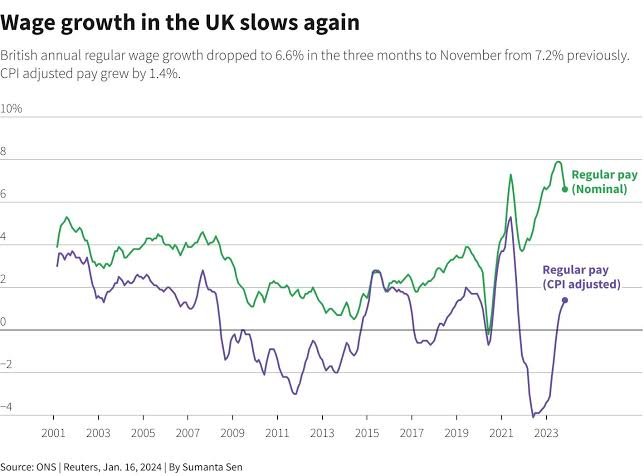
UK wage growth has slowed to 3.9% as the labour market shows further signs of losing momentum, adding to a difficult set of choices for the Bank of England as it prepares for a closely watched interest rate decision.
Official figures show that average total earnings, including bonuses, increased by 3.9% in the three months to July, down from 4.1% in the three months to June. The result was broadly in line with expectations among City economists, but the slowdown comes at a sensitive moment for the UK economy, with households facing renewed pressure from higher energy and transport costs.
The latest wage figure is also particularly important for millions of pensioners because it is expected to determine the annual increase in the state pension under the government’s triple-lock system. Under the mechanism, the state pension rises each year by whichever is highest among average earnings growth, inflation or 2.5%.
If the 3.9% earnings figure is used for the calculation, the annual state pension would rise by around £488 from April, taking the yearly payment to more than £13,000. The increase would provide additional support for pensioners at a time when household budgets remain under pressure, although the wider economy continues to face uncertainty over inflation and employment.

The figures from the Office for National Statistics also pointed to a cooling labour market. The number of workers on company payrolls continued to edge lower, with reductions particularly evident in sectors such as retail and hospitality. Meanwhile, the number of vacancies across the economy fell to 702,000 in the three months to August, compared with 706,000 in the previous month.
The decline in vacancies highlights the growing caution among employers. Liz McKeown, director of economic statistics at the ONS, said vacancies remained at their lowest level outside the pandemic period for more than a decade. She also noted that smaller businesses were continuing to report that higher labour costs were influencing decisions about recruitment.
For workers, the combination of slower pay growth and persistent price pressures presents a complicated picture. While wages are still increasing at a faster pace than the Bank of England’s 2% inflation target, the slowdown suggests that employers may be becoming less willing or able to raise pay rapidly as operating costs increase.
The figures arrive just days before the Bank of England is due to consider interest rates. Investors broadly expect the central bank to leave its benchmark rate unchanged at 3.75%, although there remains some expectation in financial markets that policymakers could consider a quarter-point increase if inflationary pressures become more persistent.
The Bank faces a particularly difficult balance. A weaker labour market and slowing wage growth could reduce the domestic pressure pushing prices higher, providing an argument against further increases in borrowing costs. At the same time, the sharp rise in global energy prices has created a fresh risk that inflation could accelerate again.
Oil prices have climbed above $107 a barrel, while motorists in Britain have faced higher petrol and diesel prices. The rise in energy costs has been linked to renewed geopolitical tensions in the Middle East, increasing uncertainty for businesses and households already dealing with elevated living costs.
The UK economy has nevertheless performed better than some forecasts had suggested in recent months. The latest labour market figures showed that the unemployment rate remained at 4.9%, rather than rising to the 5% level some economists had anticipated.
Underlying pay growth also remained relatively steady. Excluding bonuses, average earnings increased by 3.5% in the three months to July, unchanged from the previous period and matching economists’ forecasts.
That combination of steady underlying wage growth, weaker employment indicators and rising energy costs leaves policymakers facing competing signals. The labour market is losing strength, but the external inflationary environment is becoming less favourable.
Suren Thiru, chief economist at the Institute of Chartered Accountants in England and Wales, said the continued decline in vacancies should raise concerns about the outlook for employment. He argued that higher staffing costs, regulation and increased automation were weighing on demand for workers.
Businesses have increasingly raised concerns about the cost of employing staff. Employers have criticised higher taxes on employment and increases to the minimum wage, arguing that these measures are adding to costs at a time when companies are also dealing with higher energy and other operating expenses.
The concern is that weaker hiring could eventually translate into slower wage growth and higher unemployment. Smaller companies may be particularly vulnerable because they often have less capacity to absorb increases in payroll and regulatory costs.
For the government, however, the labour market figures offer a more mixed message. Work and Pensions Secretary Pat McFadden said the employment market had remained resilient, while acknowledging that more needed to be done to help young people develop the skills, experience and confidence required to find work.
The next major test for households will come with the release of the latest inflation figures. Official data are expected to show that the headline inflation rate increased above 3% in August. That would put further pressure on consumers who have already experienced several years of elevated prices following the pandemic and the disruption caused by Russia’s invasion of Ukraine.
Inflation remains significantly above the Bank of England’s 2% target, even though the labour market is showing signs of deterioration. The central bank must therefore decide whether the latest increase in external energy costs is likely to feed into broader and longer-lasting inflation or whether weaker domestic demand will eventually contain the pressure.
Jake Finney, a senior economist at PwC UK, described the situation as a dilemma for policymakers. In his assessment, the weakness of the labour market makes a higher interest rate difficult to justify, while the deteriorating international environment increases the possibility of renewed inflation.
The sharp increase in oil prices is particularly significant because energy costs can affect the economy well beyond the petrol station. Higher fuel prices can raise transport expenses for businesses, increase distribution costs and eventually feed into the prices of goods and services. If those pressures persist, households could face another squeeze on disposable income.
At the same time, higher interest rates would increase borrowing costs for households and companies. Mortgage holders, prospective homebuyers and businesses seeking finance could all feel the effects of tighter monetary policy, potentially weakening economic activity further.

The slowing rate of pay growth therefore provides the Bank with some evidence that domestic wage pressures are easing. Yet policymakers cannot ignore the possibility that an external energy shock could reverse some of the progress made in bringing inflation down.
For pensioners, the immediate picture is more straightforward. If the 3.9% wage growth figure determines the triple-lock increase, the state pension will receive a sizeable rise from April. For workers and employers, however, the latest figures point towards a more uncertain autumn, with hiring slowing, vacancies declining and the cost of living once again under pressure.
The Bank of England’s upcoming decision will consequently be watched closely across the economy. Its challenge will be to prevent renewed inflation from becoming entrenched without placing additional strain on a labour market that is already showing signs of weakness.
The latest wage figures suggest that the UK economy is entering this decision with neither a clear case for tighter policy nor an entirely comfortable case for maintaining the status quo. For households, businesses and pensioners alike, the direction of interest rates, inflation and employment will remain closely connected in the months ahead.
Related News:
 UK House Prices Fall as Mortgage Rates Rise
 Thames Water Revises Oxfordshire Mega-Reservoir Plan
 UK State Pension Set to Rise 3.9% as Triple Lock Holds
 UK Parents Cut School Uniform Costs as Prices Rise
 BBC News Faces Deep Cuts in 2,000 Job Plan
 Reeves Fights to Keep Treasury Role Amid Labour Turmoil
 Pubs and Hotels Face Business Rates Reform Review
 UK Households Could Save £173 on Fixed Energy Deals
 Burnham Faces Mounting Budget Challenges
 UK Cost Squeeze Deepens as Mortgages and Gas Rise
 Oil nears $100 as Saudi attacks shake markets
 Fashion Firms Urge UK-Made NHS and Army Uniforms
 North Sea Firms Urge Early End to Windfall Tax
 Wealthy Britons Flee Gulf War but Avoid UK Taxes
 UK Wage Growth Slows as Jobs Market Holds Firm
 UK Doubles Steel Tariffs to 50% to Protect Domestic Plants
 Reform UK funding: mystery billionaire revealed
 New UK advice scheme to boost savings and investing
 UK Pushes for New EU Goods Trade Deal
 UK rejects EV charging VAT cut amid Treasury clash
 Weight-Loss Drugs Transform Fashion Shopping Habits
 Labour MPs Urge Burnham to Revive UK Aid Target
 EasyJet Takeover Sparks Fears Over Passengers’ Future
 Burnham unveils £65m drought aid for farmers
 Firms on both sides fear damage from US-Canada trade war
 US CEOs Earn 614 Times More Than Workers
 Europe Faces Winter Gas Supply Anxiety
 Dutch Bank Moves 86 Tonnes of Gold to London
 Trump Hardens Canada Trade Stance as Talks Stall
 Green Leader Targets Starmer’s Former Seat
 UK Subsidence Claims Surge After Record-Breaking Summer
 Reform Faces Fresh Financial Controversy
 Spire Healthcare Agrees £1bn Takeover by Toscafund
 Billionaire Chris Rokos poised to leave UK
 JPMorgan Boss Warns Against UK Bank Tax Rise
 John Lewis Losses Widen to £124m as Confidence Falls
 Reform UK Receives Record £36m Donation From Crypto Billionaire
 Oil Prices Surge as Saudi Pipeline Closure Deepens Crisis
 Reform Faces Questions Over £72m Donations
 UK Retailers Accused of Breaking Refund Laws
 Farage Threatens Union Funding Ban Over Reform Donations
 Chancellor Rachel Reeves Pushes for Sweeping Changes to Environmental Protections to Accelerate Development
 Senior Tories Condemn Badenoch’s Vow to Repeal Climate Change Act as Catastrophic
 Kemi Badenoch Unveils ‘Golden Rule’ to Halve Spending Cuts for Deficit Reduction at Tory Conference
 Trump’s UK Ambassador Urges North Sea Drilling to Strengthen US Ties
 Millionaires group urge Reeves to introduce wealth tax to ‘lift kids out of poverty’
 PM Highlights UK Business at G20 in South Africa
 Starmer Says Labour’s Economic Plan Needs Years to Deliver
 UK Government Borrowing Drops to £11.6bn in December
 UK shelves £110m border project amid trade strain
 Reeves Must Back Defence Plan or Face Dismissal, Says Unite Chief
 OBR Reform Row Deepens Before Spring Forecast
 Farage Faces Backlash Over Crypto Cameo Endorsements
 UK Banks Maintain £100 Contactless Limit Despite FCA Rule Change
 Rising Costs Force Families to Rethink Days Out
 Glasgow Central Set for Full Reopening After Fire
 Unions Raise Concerns Over Doctors’ Pay Dispute
 Student Loan Interest May Rise Despite 6% Cap
 Kezia Dugdale Warns of Possible Reversal of Equal Rights Gains
 Albanese Rejects Gas Export Tax Push
 John Terry Faces Backlash Over Political Posts
 Silent Tracks: Rail Line Without Passengers
 US Awaits Iran Reply on New Ceasefire Proposal
 Kevin Warsh sworn in as Fed chair amid economic backlash
 Albanese Defends Tax Reforms Amid Emotional Speech
 Victoria Labor Launches Apprenticeship Expansion Plan
 Nationwide Faces Governance Scrutiny Ahead of AGM
 Farage and Reform UK Reshape British Politics
 Starmer Leadership Under Pressure After Setbacks
 Andy Burnham Enlists Economic Heavyweights for Leadership Bid
 Trump Refuses to Sign Housing Bill, But Law Takes Effect
 Weight-Loss Drugs Offer Food Savings Mainly to High Earners
 Canada to Match Trump’s 50% Tariffs Dollar for Dollar
 Unions Warn Labour Over Zero-Hours Contract Reforms
 Ghent Professors Questioned Cofnas Appointment
 RAF Barnham Protests Fuel Tensions in Norfolk Town
 Swedish Mining Push Puts Sami Land Rights Under Pressure
 UK plans tougher Israel stance with settlement trade ban
 Councils spend £125m on illegal children’s care
 Saudi Arabia Shuts Oil Pipeline After Drone Attack