Published: 15 September 2026. The English Chronicle Desk. The English Chronicle Online.
Millions of pensioners across the UK are on course for another significant increase in their state pension after official wage figures indicated that payments could rise by 3.9% next April under the government’s triple-lock system.
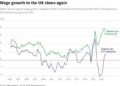
The latest earnings data show that total pay increased by 3.9% over the year, making wage growth the leading candidate for determining next year’s state pension increase. If the figure is confirmed under the triple lock, the full New State Pension is expected to rise to more than £13,000 a year.
The development is likely to provide welcome financial relief for pensioners at a time when household budgets remain under pressure. However, the expected increase also comes amid a wider debate over whether the triple lock remains affordable for the government and taxpayers, with some voices calling for the policy to be suspended or reconsidered.
The triple lock is designed to protect the value of the state pension by ensuring that it increases each year by whichever is highest among average earnings growth, inflation or 2.5%. The mechanism means pensioners can benefit when wages or prices rise significantly, while also guaranteeing a minimum annual increase of 2.5%.

This year, wage growth appears set to determine the increase. The latest figures showing total pay rising by 3.9% mean that earnings growth is currently ahead of the other measures likely to influence the calculation. Unless inflation recorded in September reaches 4% or more, the earnings figure is expected to remain the key measure for next April’s uprating.
The final outcome, however, has not yet been formally confirmed. September’s inflation data will be important because the triple-lock formula requires the government to use the highest applicable measure. If inflation unexpectedly rises to a level above wage growth, the calculation could change.
For now, the 3.9% figure represents the most likely scenario.
The potential increase would take the full New State Pension above £13,000 a year, strengthening its role as a major source of income for people in retirement. For many pensioners, the state pension forms the foundation of their retirement finances, alongside workplace or private pensions, savings and other income.
The anticipated rise has been welcomed by retirement specialists. Jon Greer, head of retirement policy at Quilter, said the latest earnings figures put a state pension increase of roughly the same magnitude firmly on the cards for next April.
Greer noted that pensioners would benefit from another increase above the current rate of inflation and argued that the triple lock had helped strengthen the value of the state pension over time. He also highlighted the continuing importance of state pension payments for millions of people planning and managing their retirement income.
The prospect of a 3.9% increase also illustrates how closely pension policy is connected to wider developments in the labour market. Wage growth is not simply a measure affecting employees and businesses; under the triple-lock mechanism, it can directly influence the income received by pensioners in the following year.
The latest earnings figures therefore carry significance for two groups at once. Workers are seeing wage growth slow to 3.9%, while pensioners are potentially set to benefit from that same rate through the state pension system.
This creates an unusual contrast in the wider economy. Slower wage growth can indicate that pressure in the labour market is easing, but the same slowdown can still produce a relatively substantial increase for pensioners because of the way the triple lock operates.
The expected rise is also likely to renew discussion about the long-term cost of the policy. The triple lock has become one of the most politically significant commitments affecting retirement incomes, but its cost can increase substantially when earnings or inflation rise sharply.
Critics have questioned whether maintaining the mechanism indefinitely is financially sustainable. Calls to suspend or change the policy have emerged as governments face competing demands for public spending and pressure on national finances.
Supporters, however, argue that the triple lock provides important protection for older people, particularly those who rely heavily on the state pension. Retirement incomes can be vulnerable to rising living costs, and guaranteeing increases linked to earnings or inflation can help prevent pensioners from falling behind other parts of society.
The debate is therefore not simply about the size of next year’s increase. It also concerns the wider purpose of the state pension and how the UK should balance financial security for older people with the cost to the public finances.
The potential £13,000-plus annual pension is particularly significant because the state pension remains a basic source of retirement income rather than a complete replacement for employment earnings. Many people rely on additional workplace pensions and personal savings to meet their living costs after leaving work.
A higher state pension can therefore strengthen household finances, but its effect will vary depending on individual circumstances. People with additional retirement income may experience the increase differently from pensioners who depend much more heavily on the state pension.
The timing of the increase is also important. The government is expected to apply the new rate from next April, subject to the final calculation under the triple lock. Until the relevant inflation figure is published, the 3.9% rate remains an expectation rather than a formally confirmed uprating.
That distinction is important because the triple-lock system is formula-based. The government cannot simply select the wage-growth figure independently of the other measures. The relevant data must be considered together, with the highest applicable rate determining the increase.
If September inflation remains below earnings growth, as currently expected, the 3.9% wage figure should determine the increase. If inflation rises to 4% or higher, however, the final rate could be different.
For pensioners, the prospect of a rise above £13,000 will nevertheless provide a degree of certainty about the direction of travel. After years of debate about retirement affordability and household costs, an increase tied to wage growth could offer additional support for people managing essential expenses.
For the government, the situation presents a more complicated calculation. Maintaining the triple lock fulfils a major commitment to pensioners, but doing so also increases public spending. Any decision to alter the policy could have significant political consequences, particularly because pensioners represent a large and influential section of the electorate.

The latest wage data therefore have implications far beyond the monthly employment statistics from which they originate. They are now central to determining how much income millions of pensioners could receive from the state next year.
The expected 3.9% increase also demonstrates why the triple lock remains such a prominent feature of UK economic and political debate. Its supporters see it as a safeguard against pensioners losing ground as wages and prices rise, while critics continue to question whether the mechanism can remain affordable over the long term.
For now, the direction appears clear: if the government retains the triple lock and September inflation does not overtake earnings growth, the full New State Pension should rise by about 3.9% next April, taking annual payments beyond £13,000.
The final figure will depend on the forthcoming inflation data and the government’s continued commitment to the triple-lock arrangement. Until then, pensioners can regard the latest wage figures as a strong indication of a substantial increase ahead, while policymakers face renewed questions about the future cost and sustainability of the system.
Related News:
 UK House Prices Fall as Mortgage Rates Rise
 Thames Water Revises Oxfordshire Mega-Reservoir Plan
 Pubs and Hotels Face Business Rates Reform Review
 UK Households Could Save £173 on Fixed Energy Deals
 UK Cost Squeeze Deepens as Mortgages and Gas Rise
 Oil nears $100 as Saudi attacks shake markets
 Wealthy Britons Flee Gulf War but Avoid UK Taxes
 UK Wage Growth Slows as Jobs Market Holds Firm
 BBC News Faces Deep Cuts in 2,000 Job Plan
 New UK advice scheme to boost savings and investing
 Reeves Fights to Keep Treasury Role Amid Labour Turmoil
 UK rejects EV charging VAT cut amid Treasury clash
 Weight-Loss Drugs Transform Fashion Shopping Habits
 EasyJet Takeover Sparks Fears Over Passengers’ Future
 Firms on both sides fear damage from US-Canada trade war
 US CEOs Earn 614 Times More Than Workers
 Europe Faces Winter Gas Supply Anxiety
 Burnham Faces Mounting Budget Challenges
 Dutch Bank Moves 86 Tonnes of Gold to London
 UK Subsidence Claims Surge After Record-Breaking Summer
 Spire Healthcare Agrees £1bn Takeover by Toscafund
 Billionaire Chris Rokos poised to leave UK
 JPMorgan Boss Warns Against UK Bank Tax Rise
 John Lewis Losses Widen to £124m as Confidence Falls
 Oil Prices Surge as Saudi Pipeline Closure Deepens Crisis
 UK Retailers Accused of Breaking Refund Laws
 Tim Wilson Sells Out Controversial Share Market Bet
 UK Banks Maintain £100 Contactless Limit Despite FCA Rule Change
 UK Doubles Steel Tariffs to 50% to Protect Domestic Plants
 Oil and Gas Prices Surge Amid Iran-Israel Attacks on Gasfields
 Rising Costs Force Families to Rethink Days Out
 Glasgow Central Set for Full Reopening After Fire
 Student Loan Interest May Rise Despite 6% Cap
 Europe EV Demand Surges as Fuel Prices Rise
 Carmakers Face £3bn Gap in UK Loan Payout Scandal
 Reform UK funding: mystery billionaire revealed
 Albanese Rejects Gas Export Tax Push
 Spirit Airlines shuts down after 34 years amid crisis
 City & Guilds Faces Governance Crisis Over Sale
 Britons Build Emergency Supplies Amid Rising Fears
 UK Pushes for New EU Goods Trade Deal
 UK firms accused of ‘AI washing’ boom
 Essex valley emerges as rising English wine hub
 Public Confidence in University Degrees Plummets in the UK
 Severn Trent CEO Reward Package Doubled Despite Public Anger
 Labour MPs Urge Burnham to Revive UK Aid Target
 Weight-Loss Drugs Offer Food Savings Mainly to High Earners
 Burnham unveils £65m drought aid for farmers
 Canada to Match Trump’s 50% Tariffs Dollar for Dollar
 Shein targets $27bn valuation in Hong Kong debut
 Canada hits US goods with tariffs up to 50%
 AI Crash Could Trigger Global Downturn, Bailey Warns
 George Santos Banned for Life by Prediction Platform
 Trump Hardens Canada Trade Stance as Talks Stall
 Green Leader Targets Starmer’s Former Seat
 Reform Faces Fresh Financial Controversy
 UK retailers plan 100,000 placements for young people
 Councils spend £125m on illegal children’s care
 Reform UK Receives Record £36m Donation From Crypto Billionaire
 Reform Faces Questions Over £72m Donations
 Farage Threatens Union Funding Ban Over Reform Donations
 Great Britain’s Energy Operator Commits to Strengthening Grid to Prevent Blackouts
 UK House Price Growth Slows as Buyers Exercise Caution Ahead of Autumn Budget
 Reeves Faces Setback as Labour May Miss Homes Target
 Trump’s UK Ambassador Urges North Sea Drilling to Strengthen US Ties
 Millionaires group urge Reeves to introduce wealth tax to ‘lift kids out of poverty’
 Starmer Says Labour’s Economic Plan Needs Years to Deliver
 Historic £100-Weekly Pension Boost Brings Relief for UK Mineworkers
 Starmer Faces Parliamentary Battles Over UK-EU ‘Reset’ Plan
 ScottishPower Tops List of Worst UK Energy Suppliers
 UK Unemployment Rate Climbs to 5.2% Peak
 Farage Faces Backlash Over Crypto Cameo Endorsements
 Unions Raise Concerns Over Doctors’ Pay Dispute
 Silent Tracks: Rail Line Without Passengers
 Tube Strike Brings Capital to a Standstill Over Shift Disputes
 EU Slashes Steel Quotas But Grants UK Favourable Rates
 Apollo Launches £5.7bn Bid for Aviation Giant easyJet
 Unions Warn Labour Over Zero-Hours Contract Reforms
 British Museum Faces Questions Over Peter Thiel’s Private Bayeux Viewing
 Sainsbury’s Shoppers Rush for New Starbucks Matcha Drinks