Published: 11 July 2026. The English Chronicle Desk. The English Chronicle Online.
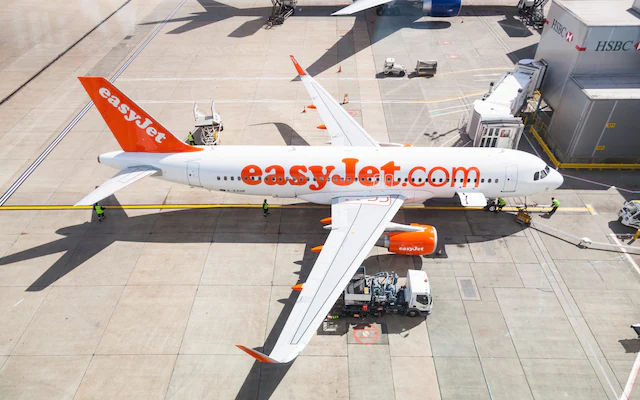
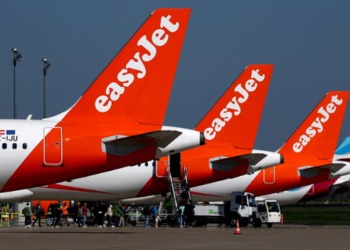
The proposed takeover of easyJet by American investment giant Apollo has triggered widespread debate across the aviation industry, raising concerns that Britain’s largest airline could soon prioritise financial engineering over passenger experience. While shareholders are celebrating a higher offer and the prospect of stronger returns, industry experts warn that travellers may ultimately bear the cost if one of Europe’s best-known low-cost airlines is reshaped under private ownership.
EasyJet’s board, chaired by former Royal Bank of Scotland chief Sir Stephen Hester, has recommended Apollo’s £5.7 billion offer after determining it represented a stronger proposal than the rival bid submitted by aviation-focused investment firm Castlelake. Apollo’s proposal exceeded Castlelake’s offer by approximately £700 million and included additional incentives designed to attract key shareholders, including easyJet founder Sir Stelios Haji-Ioannou and members of the airline’s senior management team led by chief executive Kenton Jarvis.
Although Castlelake is still considering whether to return with a revised proposal before the August deadline, Apollo currently holds the advantage in what has become one of the most closely watched corporate battles in the European aviation sector this year.
For investors, the bidding war reflects confidence in easyJet’s long-term financial strength. For passengers, however, analysts believe the future is considerably less certain.

Unlike traditional airline operators, Apollo is primarily known as a global private investment firm with extensive experience in corporate acquisitions, debt financing and restructuring. Such firms are often described as “shadow banks” because they provide large-scale financial services without operating under the same regulatory framework as conventional banks.
This distinction has prompted questions about Apollo’s long-term intentions. Aviation specialists believe the attraction lies not only in easyJet’s profitable operations but also in its exceptionally strong balance sheet and valuable assets.
According to aviation analysts, easyJet owns more than half of its aircraft fleet outright. Many of its newest Airbus aircraft are fully owned rather than leased, giving the airline billions of pounds in physical assets that could potentially be used as collateral for financing or other financial restructuring.
Industry estimates suggest the airline’s owned aircraft alone are worth around £5 billion, almost matching the value of Castlelake’s original takeover proposal. Beyond its fleet, easyJet possesses highly valuable airport landing and take-off slots, particularly at London Gatwick Airport, where it operates nearly half of all scheduled flights. Individual slot pairs at major airports can command enormous values because of their scarcity and strategic importance.
The airline also controls EasyJet Holidays, now Britain’s fourth-largest package holiday business. Analysts believe this fast-growing division could become another valuable asset capable of generating significant returns if separated or expanded independently.
These strengths explain why private investment firms have become increasingly interested in acquiring the airline despite the challenging economics traditionally associated with commercial aviation.
Not everyone believes breaking up or heavily restructuring the airline would make business sense.
John Strickland, a respected aviation consultant and former British Airways network planner, argues that easyJet’s greatest value comes from operating as an integrated airline rather than as a collection of financial assets.
He believes the company enjoys significant competitive advantages through its strong customer base, modern fleet, airport positions and substantial aircraft order book. In his view, dismantling or aggressively restructuring those strengths could ultimately reduce the company’s long-term value.
Apollo has sought to reassure investors and regulators by presenting itself as a long-term owner rather than a short-term corporate raider. The company has publicly backed easyJet’s existing low-cost strategy, including plans to introduce larger aircraft, increase revenue from optional services and continue expanding its successful holiday division.
The investment firm’s aviation credentials are also more extensive than many of its rivals. Apollo previously owned American low-cost carrier Sun Country Airlines before returning it to the stock market. It also acquired Aeromexico during its financial restructuring before relisting the airline after its recovery. In addition, Apollo has financed several major international airlines, including Air France-KLM and Virgin Atlantic, demonstrating substantial experience within the sector.
Castlelake, by comparison, has a smaller aviation portfolio. Although it has invested in Scandinavian Airlines and previously pursued Spirit Airlines in the United States, its experience is considerably more limited than Apollo’s.
Despite Apollo’s assurances, analysts believe significant operational changes could still emerge once the airline becomes privately owned.
Routes generating lower profits may face increased scrutiny, particularly destinations outside easyJet’s core European network. Some newer long-haul leisure services, including flights to Cape Verde, could become vulnerable if investors demand faster financial returns.
Experts also question whether easyJet would continue pursuing ambitious expansion opportunities, such as increasing operations at Heathrow Airport if future runway expansion receives government approval. Large infrastructure investments typically require patience and long-term planning, characteristics that may conflict with the shorter investment horizons often associated with private equity ownership.
Another possible shift could involve aircraft deployment. Instead of focusing primarily on strategic markets such as the United Kingdom, France and Italy, easyJet could adopt a more flexible approach similar to rival Ryanair by relocating aircraft wherever short-term profitability appears strongest.
Such decisions might improve financial performance but could also reduce route stability for passengers and weaken service consistency across important regional markets.
Industry observers believe fare competition could also suffer. If less profitable routes are eliminated and network coverage becomes more selective, travellers may find fewer choices available, particularly at airports where easyJet currently provides strong competition against larger legacy airlines.
Reduced competition has historically been associated with higher ticket prices, especially on routes where alternative carriers remain limited.

Apollo’s longer-term exit strategy also remains uncertain. Private investment firms typically seek to sell acquired companies within five or six years, either through a stock market flotation or a sale to another corporate buyer.
However, analysts question whether either option would be straightforward.
Airlines are among the most economically sensitive businesses in the world, with valuations heavily influenced by fuel prices, consumer confidence and global economic conditions. Market volatility could complicate any future stock market listing.
Meanwhile, potential strategic buyers face significant regulatory obstacles. International Airlines Group, the parent company of British Airways, and Ryanair would almost certainly encounter competition concerns. Other major European airline groups, including Air France-KLM and Lufthansa, could theoretically pursue an acquisition but may struggle to justify the premium required following such an expensive takeover.
For now, Apollo appears firmly in control of the bidding process, while easyJet’s board continues to emphasise that its recommendation reflects the strongest financial outcome for shareholders.
Whether that ultimately proves beneficial for customers remains an open question.
Passengers will likely judge the success of any new ownership not by balance sheets or investment returns, but by affordable fares, reliable services, expanding route choices and continued investment in customer experience. As Britain’s largest airline enters a potentially transformative new chapter, the financial winners may already be clear. The long-term winners among the travelling public are not.
Related News:
 Wealthy Britons Flee Gulf War but Avoid UK Taxes
 UK Wage Growth Slows as Jobs Market Holds Firm
 Oil and Gas Prices Surge Amid Iran-Israel Attacks on Gasfields
 UK Aviation Watchdog Clips Heathrow’s Fee Hike Wings
 Student Loan Interest May Rise Despite 6% Cap
 Europe EV Demand Surges as Fuel Prices Rise
 Carmakers Face £3bn Gap in UK Loan Payout Scandal
 BBC News Faces Deep Cuts in 2,000 Job Plan
 Spirit Airlines shuts down after 34 years amid crisis
 New UK advice scheme to boost savings and investing
 City & Guilds Faces Governance Crisis Over Sale
 Reeves Fights to Keep Treasury Role Amid Labour Turmoil
 UK rejects EV charging VAT cut amid Treasury clash
 UK firms accused of ‘AI washing’ boom
 Essex valley emerges as rising English wine hub
 Severn Trent CEO Reward Package Doubled Despite Public Anger
 Weight-Loss Drugs Transform Fashion Shopping Habits
 Reeves Faces Setback as Labour May Miss Homes Target
 Trump’s UK Ambassador Urges North Sea Drilling to Strengthen US Ties
 M&S Profits More Than Halve After Cyber-Attack
 Tony Blair think tank warns Rachel Reeves must cut taxes if manifesto broken
 Millionaires group urge Reeves to introduce wealth tax to ‘lift kids out of poverty’
 Global markets drop amid tech sell-off and China slowdown
 Mossmorran Plant Closure Hits Cowdenbeath Hard
 Starmer Says Labour’s Economic Plan Needs Years to Deliver
 Virgin Media Fined £23.8m Over Telecare Safety Failures
 Rising Water Bills Lift Troubled Thames Back to Profit
 Starmer Faces Parliamentary Battles Over UK-EU ‘Reset’ Plan
 Phoenixism Costs UK Taxpayers Millions in Recruitment Sector
 ScottishPower Tops List of Worst UK Energy Suppliers
 City & Guilds pay surge sparks backlash amid £22m cuts
 UK Government Borrowing Drops to £11.6bn in December
 AI job losses UK: Britain faces sharper employment shock
 Most young adults in UK fear uncertain jobs and economic future
 UK economy struggles as growth stalls at 0.1% in late 2025
 UK Unemployment Rate Climbs to 5.2% Peak
 UK shelves £110m border project amid trade strain
 UK Inflation Surprise Sparks Early Rate Cut Hopes
 Reeves Must Back Defence Plan or Face Dismissal, Says Unite Chief
 Rolling Hills and Heritage: A Car-Free Break in Leicestershire
 Switching Energy Deal Can Save £200 as Price Cap Falls
 Rachel Reeves Faces Middle East Conflict Test
 Grocery Inflation Rises Amid War Fears
 Peak Greggs fears as profits tumble sharply
 BrewDog sold Highland estate for knockdown price after abandoning reforestation plans
 Yorkshire Water Funding Sparks Debate Amid Fines and Pay Row
 Farage Faces Backlash Over Crypto Cameo Endorsements
 UK Energy Reform Could Cut Bills by £200
 Rising Costs Force Families to Rethink Days Out
 Hospitality Sector Teeters on Brink as Costs Surge
 City Firms See Sharpest Fortune Reversal in Thirty Years
 Aegon Sells Historic UK Arm to Standard Life for £2bn
 Major Housebuilder Cuts Land Buying Amid Global Unrest
 UK Staycations Rise as Travel Fears Grow
 Albanese Rejects Gas Export Tax Push
 $13bn World Cup Set to Break All Revenue Records
 Silent Tracks: Rail Line Without Passengers
 Heathrow Chair Seeks Peace to Save Third Runway
 US Awaits Iran Reply on New Ceasefire Proposal
 Lotus Boss Pledges Future to Norfolk and Seeks State Support
 UK Firms Freeze Spending as Iran Conflict Bites
 Summer Shock: British Energy Bills Set for Grim July Hike
 Reeves to Fast-Track Clean Energy Amid Iran Crisis
 Belfast Approves Pilot Extension of Sunday Trading Hours
 Tube Strike Brings Capital to a Standstill Over Shift Disputes
 Tube Strike Brings Capital to a Standstill Over Shift Disputes
 BP Stands Firm on Amanda Blanc Amid Boardroom Storm
 UK House Prices Drop For Third Month Due To War Fears
 Top Chefs Back Andy Burnham to Save UK Hospitality Sector
 AI Scams Push UK Investment Fraud Past £220m
 Thames Water Nationalisation Pushes Closer After Rescue Objected
 Rethinking the Blueprint for Youth Employment in Britain
 EU Slashes Steel Quotas But Grants UK Favourable Rates
 Sainsbury’s Boss Optimistic As Grocery Inflation Eases
 UK Households Suffer Squeeze As Disposable Incomes Drop
 Jet2 Sees Summer Surge Despite Global Tensions
 Apollo Launches £5.7bn Bid for Aviation Giant easyJet
 London Tube Heat Reaches Dangerous Levels
 BBC Faces Real Jeopardy as Licence Fee Income Declines
 Weight-Loss Drugs Offer Food Savings Mainly to High Earners