Published: 11 July 2026. The English Chronicle Desk. The English Chronicle Online.
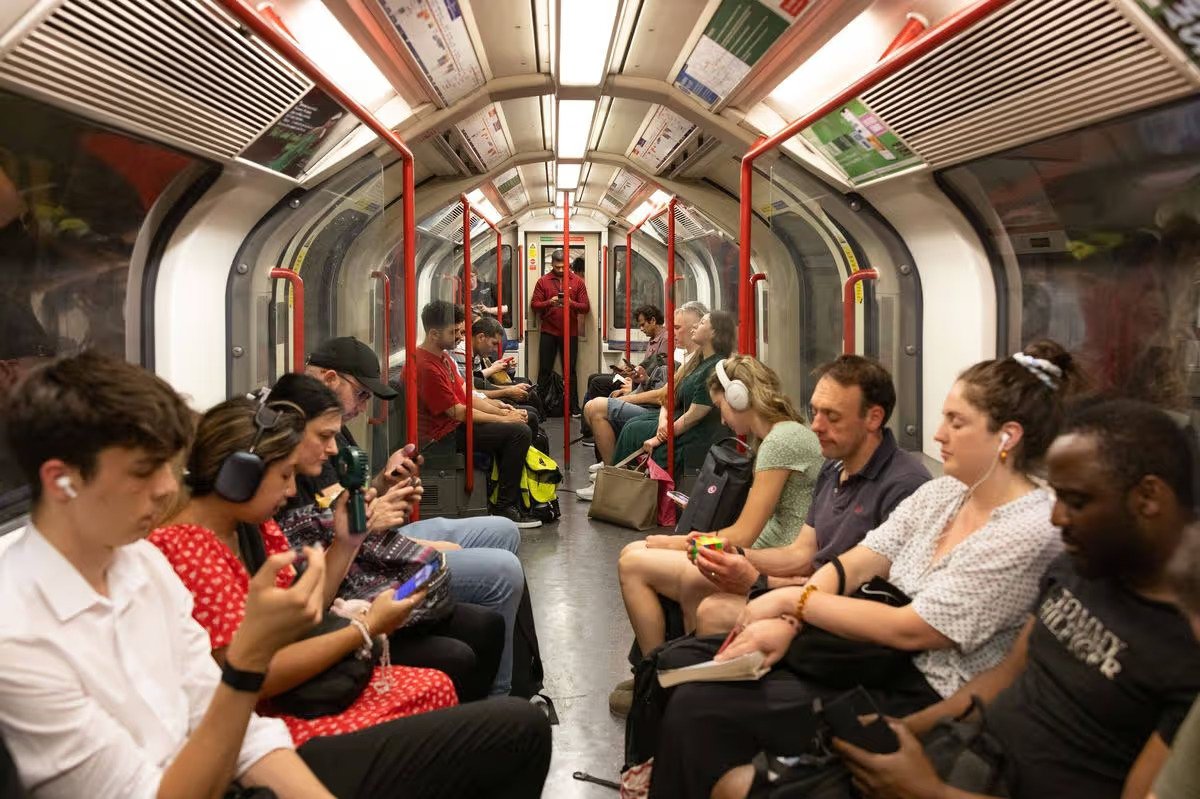
London Underground passengers are enduring increasingly dangerous temperatures as another summer heatwave grips the United Kingdom, with commuters describing journeys as “like a sauna” while experts warn that the capital’s ageing transport network is struggling to cope with a warming climate. Temperatures on some platforms and inside train carriages have climbed above 34 degrees Celsius, exceeding the legal temperature limit for transporting cattle in the UK and raising fresh concerns about passenger safety.
As Britain experiences its third major heatwave of the year, thousands of Londoners continue relying on the Underground despite conditions that many describe as almost unbearable. Packed platforms, poorly ventilated tunnels and ageing infrastructure have combined to create an uncomfortable and, in some cases, potentially hazardous commuting environment.
At King’s Cross St Pancras station, passengers immediately notice the dramatic rise in temperature as they descend underground. What begins as a warm summer day at street level quickly becomes an oppressive wall of heat deep beneath the city, where concrete tunnels trap warmth generated by trains and surrounding infrastructure.
Inside the carriages, commuters are seen using handheld electric fans, drinking water continuously and attempting to remain still to avoid overheating. Some passengers close their eyes throughout the journey, while others seek the smallest pockets of fresh air near train doors.

Regular commuter Anna, travelling through Oxford Circus, said the platform becomes especially unbearable during peak hours when crowds fill every available space.
She explained that although she normally copes well with warm weather, standing on packed Underground platforms during the hottest parts of the day feels like being inside a sauna, making even short waits extremely uncomfortable.
Another passenger, Craig, has completely changed his daily routine because of the heat. Rather than travelling in office attire, he now commutes wearing lightweight gym clothing before changing into work clothes after arriving at his office.
He says formal clothing becomes soaked with sweat during the Underground journey, making professional dress almost impossible during the current heatwave.
Measurements taken across parts of the network during the morning rush hour revealed temperatures reaching approximately 30 degrees Celsius inside King’s Cross station before climbing to 32 degrees inside trains.
Conditions became even hotter on the Victoria Line platforms at Finsbury Park, where temperatures reached around 34 degrees Celsius.
Similar readings were recorded at Victoria station and Oxford Circus, particularly on the Victoria and Bakerloo lines, both among the oldest and deepest parts of London’s Underground network.
The comparison has attracted significant attention because UK animal welfare regulations prohibit transporting cattle in temperatures above 30 degrees Celsius without specific safeguards.
While those regulations do not apply to public transport, passengers have questioned why commuters are expected to travel in conditions exceeding those considered unsuitable for livestock.
Workers stationed throughout the Underground network are also feeling the effects.
Sharmin, a barista working inside King’s Cross St Pancras station, said she has witnessed passengers fainting during recent heatwaves and has herself struggled to complete shifts because of the oppressive temperatures.
She believes additional industrial fans or cooling equipment should be installed near station entrances, ticket barriers and retail outlets where employees remain for extended periods.
On several occasions during the hottest days, she requested permission to leave work early after feeling close to fainting herself.
Climate scientists say the problem reflects the design of London’s historic Underground system rather than any short-term operational failure.
Professor Asher Minns, Executive Director of the Tyndall Centre for Climate Change Research, explained that Underground tunnels effectively function as enormous radiators.
Heat generated by braking trains, electrical systems and surrounding infrastructure becomes trapped within layers of clay and concrete surrounding the tunnels, gradually increasing temperatures over time.
Unlike modern railway systems, many Underground lines were constructed more than a century ago, long before engineers anticipated prolonged periods of extreme summer heat.
As outside temperatures continue rising due to climate change, the heat stored underground becomes increasingly difficult to remove.
Experts warn that adapting London’s Underground presents a major engineering challenge.
Installing large-scale cooling systems throughout the network would require extensive reconstruction of ageing tunnels and stations, making rapid improvements both technically difficult and financially expensive.
Professor Minns argues that while long-term infrastructure upgrades remain essential, immediate efforts should focus on protecting passengers during extreme weather events.
Possible temporary measures include restricting passenger numbers during periods of exceptional heat, adjusting service frequencies or increasing access to drinking water throughout stations.
Transport for London acknowledges the growing challenge posed by hotter summers and says it is investing in long-term improvements across the network.
The transport authority has already begun introducing new air-conditioned trains on the Piccadilly Line and the Docklands Light Railway, providing significantly improved comfort compared with older rolling stock.
However, many of the deepest Underground lines, including the Victoria and Bakerloo lines, continue operating trains that lack modern cooling systems.
Nick Dent, Transport for London’s Director of Customer Operations, said investment continues despite financial pressures experienced in recent years.

He explained that limited and short-term government funding has required the organisation to prioritise projects delivering the greatest immediate benefits for passengers while continuing longer-term plans to strengthen the network against climate change.
The current heatwave has once again highlighted how Britain’s infrastructure is increasingly being tested by rising temperatures.
Scientists warn that summers similar to those experienced in recent years are likely to become more frequent and more intense unless greenhouse gas emissions are significantly reduced worldwide.
For London’s millions of daily commuters, that means journeys on parts of the Underground could become progressively hotter unless substantial investment is made to modernise one of the world’s oldest metro systems.
Passenger groups and climate experts alike argue that adapting public transport is no longer simply a matter of comfort but an essential public health priority.
As temperatures continue climbing across the capital, many Londoners fear that travelling underground during summer may become one of the most challenging parts of daily life unless meaningful changes are introduced in the years ahead.
Related News:
 UK Schools Struggle as Classrooms Top 40C
 Storm Dave Disrupts Travel but Conditions Set to Ease
 NHS Safety Fears as Nurses Cover Doctor Gaps
 Barrister Criticises Trial After Suicide Case Verdict
 Tractor Breakdown Tests Lincolnshire Farmers
 Britons Build Emergency Supplies Amid Rising Fears
 Sycamore Gap Artwork Chosen After Public Vote
 Pope Meets Families in Italy Toxic Waste Zone
 Essex valley emerges as rising English wine hub
 Olympus Awaits Unesco Heritage Recognition
 Three-Quarters of England’s Riverbanks Still Off Limits
 London’s 2026 ‘Great Stink’ Raises Sewer Concerns
 Burnham unveils £65m drought aid for farmers
 Hospice Cuts Raise Alarm Across England Amid Funding Crisis
 Celebrities and Charities Demand UK Government Act on Child Poverty
 Experts Warn on Home Birth Risks, Call for Skilled Midwives
 Patients to Test Health at Home to Ease NHS Winter Pressure
 London’s Childlessness Crisis: Schools Closing as Families Shrink
 Shouting Works Best to Deter Gulls, UK Study Finds
 Reeves rejects £1bn plea for NHS redundancy payouts
 Stroke Patient Mistaken for Drunk, Care Delayed
 ‘Traumatic Wait’: Northern Ireland Women Face Breast Cancer Delays
 Coffins Now Too Large to Cremate Amid Rising Obesity Crisis
 Five-Year-Old Dies After Rare Tonsil Surgery Complication
 Fibromyalgia Patients Struggle as NHS Fails to Provide Care
 More Patients Now Contacting GPs Online, Data Shows
 Children to Receive Home Vaccines as England Acts
 UK Enforces Junk Food Ad Ban Before 9pm
 Patients Collapsing in NHS Corridors, Watchdog Warns
 NHS corridor care crisis sparks fears over patient safety
 Jess’s Rule Urges GPs to Rethink Persistent Symptoms
 Small risk warning raised over weight-loss jabs in UK review
 Streeting moves on doctor pay to end strike dispute
 UK reports baby formula toxin poisoning cases across the country
 Campaign Demands NHS Action on Placenta Accreta Diagnosis
 Placenta Accreta Warning as Hunt Urges Action
 Half of Britons Avoid GP When Ill, Survey Reveals Growing Concern
 Rolling Hills and Heritage: A Car-Free Break in Leicestershire
 NHS Maternity Units Cover Up Harmful Childbirth Errors
 Weight-loss drugs may transform heart attack recovery
 Cancer Death Rate in Britain Falls by Nearly a Third
 UK Biobank Health Data Leaks Raise Privacy Concerns
 NHS Plans to Cut Overseas Workers Labeled Overambitious
 UK Energy Reform Could Cut Bills by £200
 UK Banks Maintain £100 Contactless Limit Despite FCA Rule Change
 Rising Costs Force Families to Rethink Days Out
 Glasgow Central Set for Full Reopening After Fire
 Palantir Boss Defends NHS Deal Amid Government Break Clause
 Unions Raise Concerns Over Doctors’ Pay Dispute
 Wes Streeting Accuses Doctors of Torpedoing Pay Deal
 Private Profits From NHS Contracts Spark Urgent National Debate
 Kezia Dugdale Warns of Possible Reversal of Equal Rights Gains
 Synagogue Arson Attempt Sparks Security Fears
 Crisis in NHS Surgery Scheduling Hits Patients Hard
 Crackdown Backfires on UK Climate Protesters
 Older Than Dinosaurs: Secrets of Mayfly Dance Revealed
 New Scan Offers Hope for Faster Endometriosis Diagnosis
 John Terry Faces Backlash Over Political Posts
 New AI Tool To Target Obesity Risk And Transform NHS Care
 Greens Face Internal Row Over Antisemitism Claims
 Florida Surgeon ‘Devastated’ Over Fatal Surgery Error
 NHS Drug Deal Faces Legal Threat Over US Trade Agreement
 NHS Staffing Crisis Reaches Dangerous Levels
 UK Faces Mass Water Shortages by 2055, Lords Warn
 Record Spending Highlights Growing Crisis In National Health Service
 Farage and Reform UK Reshape British Politics
 Starmer Leadership Under Pressure After Setbacks
 Thailand Tightens Visa Rules to Curb Tourist Misbehavior
 Clean Air Initiatives Spark Major Fall in London Hospital Admissions
 Labour MP Revives Blocked Assisted Dying Bill in Commons
 NHS Urges Investigation For Irregular Periods
 British Teens in EU Face Soaring UK University Fees
 UK Heatwaves Ignite Crisis of Sleep and Public Safety
 Trump Immigration Cuts Threaten US Caregiver Stability
 England and Norway Fans Turn Miami Into World Cup Carnival
 Italy’s Beach Lunch Ban Sparks Holiday Backlash
 Westminster Council Threatens Charing Cross Soup Kitchen
 BBC Warned About Missing Clothes of Murder Victim
 Weight-Loss Drugs Offer Food Savings Mainly to High Earners
 Gen Z turns to BirdTok for a gentler digital escape