Published: 5 June 2026
The English Chronicle Desk
The English Chronicle Online
A growing number of people are turning to co-housing communities in an effort to combat loneliness, rising living costs and social isolation, as shared living arrangements become increasingly popular across parts of the UK and beyond.
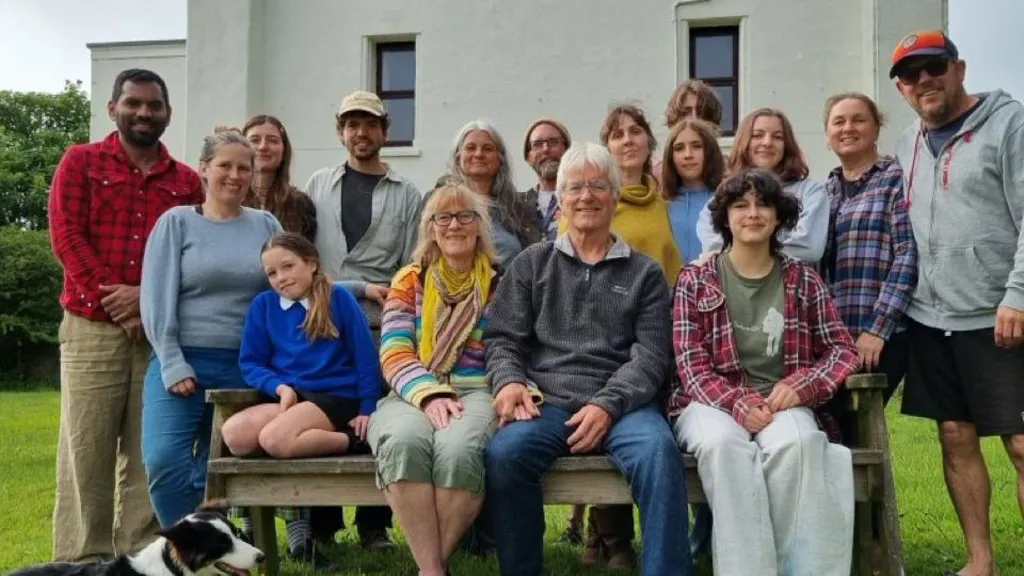
One group of residents said they chose to move in with 17 strangers under a co-housing model designed to encourage stronger social connection, shared responsibilities and community support.

Unlike traditional flat-sharing arrangements, co-housing communities typically combine private living spaces with shared communal areas such as kitchens, gardens, workspaces and recreational facilities.
Residents involved in the project said the arrangement helped create friendships, reduce feelings of isolation and provide emotional support often missing in modern urban lifestyles.
Experts say interest in co-housing has increased in recent years due to a combination of housing affordability pressures, remote working trends and growing awareness of loneliness as a public health issue.
Mental health specialists note that social isolation has become an increasing concern, particularly among younger adults, older people and individuals living alone in large cities.
Advocates argue that co-housing can improve wellbeing by encouraging daily interaction, mutual support and stronger neighbourhood relationships.
Some communities also operate with shared sustainability goals, including communal transport, energy efficiency and collaborative food production.
Critics, however, say co-housing may not suit everyone due to privacy concerns, group decision-making challenges and potential interpersonal conflicts within large shared communities.
Property analysts say the model remains relatively small compared with traditional housing markets but is gradually attracting interest from developers and local councils exploring alternative living solutions.

Residents involved in co-housing projects say careful planning, clear boundaries and strong communication are essential for successful long-term community living.
Sociologists believe the trend reflects wider cultural shifts as many people search for stronger social belonging in increasingly digital and individualised societies.
The rise of co-housing has also sparked debate about whether modern housing systems adequately address emotional wellbeing and community connection alongside basic accommodation needs.
Check Out Our Latest News At>>
Related News:
 What Happened to Bathroom Doors in Hotels?
 Illegal Skin Lightening Cream Being Sold in UK Butchers, Watchdog Warns
 Adoption Breakdown Ended My Career and Relationship – ‘We’re Told to Get On With It’
 Abandoned UK Village Being Reclaimed by Nature is ‘Vast, Wild and Fascinating’
 UK-Bound Jet2 Flight from Spain Declares Mid-Air Emergency Over English Channel
 Mind Launches Inquiry into AI and Mental Health After Guardian Investigation
 Mystery GP on Train Saves Passenger’s Life
 Parents of Gravely Ill Child Refused Respite Care
 ‘I Almost Died After a Touch‑and‑Go C‑Section’
 Water Cremation Introduced in UK First
 GPs Losing a Day of Appointments to No‑Shows Each Month
 Boy, 12, Home After Being Stranded in Middle East
 Scots Firefighter Cycles 800 Miles for MND Charity
 Woman, 29, ‘Chucked’ Into Care Home 100 Miles Away
 Father Dies by Suicide Weeks After Wedding in Clitheroe
 SNP Health Secretary Criticised Over NHS Failures Locally
 Scotland Combines Alcohol and Drug Strategy to Cut Addiction Deaths
 Dad Delivers Baby After Midwife Flees During High‑Risk Labour in UK
 Schnauzer Travels 140 Miles for Life-Saving Spinal Surgery
 Met Office Issues 9‑Hour Now Warning for 5 UK Regions on Friday – Full List
 Rare Glimpse of Historic Bridge Thanks to Low Tide
 UK Households Urged to Buy Batteries and Charge Phones as Snow Forecast

 Glasgow Central Set for Full Reopening After Fire
 Brain-Damaged Scot ‘Stuck’ in Hospital at Centre of Police Probes
 ‘A Living Nightmare’: Parents of Vaccinated Teenager Speak Out After Rare Meningitis B Battle
 ‘A Cliff Edge’: Hospice Leaders Warn Cutbacks Are Only Way to Survive
 The High Cost of Survival: How the 2026 Fiscal Outlook is Redefining British Life
 Safety Fears at New £200m Maternity Unit: Mums-to-Be ‘Put at Risk’
 ‘Ripple of Fear’: Iran War Fears Sink UK Consumer Confidence to 11-Month Low
 Fuel Famine: How African Nations are Rationing Power and ‘Diluting’ Petrol to Survive
 ‘My Daughter is Under the Rubble’: The Human Cost of the Tehran Strikes
 Parents Warned Against Letting Children Cuddle Lambs Following Infection Spike
 Storm Dave Disrupts Travel but Conditions Set to Ease
 ‘Look After the Children’: The 84-Year-Old Widower Fighting a Broken Care System
 ‘The Best Decision I Ever Made’: A Mother’s Viral Plea After a Near-Miss with Lung Disease
 Swept Out in Seconds: Rip Current Warning After Dramatic Rescue of Five Teens
 Legacy of the Landscape: Vicar’s Gift Secures Future of South West Coast Path
 Paws on the Wheel: Driver Facing Fine After Dog Photographed on Lap
 The Miracle of Phoenix: ‘Half Dead’ Rescue Dog Defies the Odds in Worcestershire
 The Hidden Hurdle: Breaking the Silence on Athletic Incontinence
 Tragedy in Redcar: Community in Mourning After Child Dies in Dog Attack
 The Friendship Friction: Would You Call Out Your Friend’s Toxic Behaviour?
 The Sofa Sanctuary: Llantwit Major Family Living in ‘Disgusting’ Rat Infestation
 Near-Miss Tragedy: 11-Year-Old Injured After Found Gun Discharges
 The ‘Pain-Free’ Revolution: Hospital Celebrates ‘Seismic’ Hip Surgery Milestone
 The Cost of Compassion: Rising Fuel Prices Put ‘Seismic’ Strain on Transport Charity
 The Price of Help: Fuel Surge Threatens Charitable ‘Power Plant’
 Heroism on the Platform: Strangers Save Youth After Seizure on Train Tracks
 Toxic Trail: Dog Owners Warned Over ‘Vile’ Poisoned Meat Found in Parks
 The Wheels of Hope: Charity Delivers ‘Seismic’ Joy Through Specialized Bikes for Children with Cancer
 The Waiting Ward: ‘Month of Worry’ as Doctor Strikes Trigger Seismic Surgery Delays
 Rights and Respect: Nurse Wins Legal Settlement Over Transgender Pronoun Dispute
 Accountability in Care: Nurse Struck Off Following ‘Seismic’ Failure to Administer Medication
 Grounded by Red Tape: Salford Woman Left in Tears After E-Visa Confusion
 ‘A Walking Miracle’: UK’s Youngest In-Utero Transfusion Patient Celebrates Recovery
 ‘The Cost of a Life’: Air Ambulances Fear Fuel Spikes May Force Operational Grounding
 Chaos on the A338: Herd of Loose Horses Halts Traffic Near Bournemouth
 The Price of Safety: Why Parents are Quitting Careers to Manage Child Food Allergies
 NHS Safety Fears as Nurses Cover Doctor Gaps
 A Nation in Flux: UK Healthy Life Expectancy Plummets to Record Lows
 From Prickly to Portly: “Tubby Ted” the Blind Hedgehog Begins Weight Loss Journey
 The “Cancer Commute”: Patient Warns of Breaking Point Over 40-Mile Treatment Trek
 “A Death Sentence for Levi”: Family Speaks Out on the Aftermath of Sexual Violence
 “Adult Trends” for Children: Mum’s Viral Horror at “Sexualised” Swimwear in Major UK Retailer
 The £3,000 License: Learners “Held Hostage” by Cancelled Tests and Shifting Goalposts
 Robotic Revolution: UK Surgeons Complete First “Fully Autonomous” Abdominal Procedure
 “The Weight of the Nation”: Campaigners Demand Overhaul of “Fragmented” Eating Disorder Care
 Understaffed and Overstretched: CQC Downgrades CAMHS Wards as “Requires Improvement”
 Breaking the Habit: Psilocybin Outperforms Nicotine Patches in Landmark Smoking Cessation Trial
 “Invisible Agony”: 98-Year-Old Woman Left in “Severe Pain” for Days Amidst Care Backlog
 The “Time Tax” of Memory: Why Dementia Care is the Ultimate Test of UK Resilience
 The “Final Fence”: A Guide to Navigating the 2026 Badminton Horse Trials
 “Fear is a Choice”: The 80-Year-Old Great-Grandmother Defying the “Dopamine Desert”
 The “Dementia Deficit”: Why 2026 is the Breaking Point for UK Social Care
 Precision Without the Scalpel: UK Team Reaches “New Frontier” in Robotic Abdominal Surgery
 Everest Climber Recalls Guide’s Six-Day Survival
 Emergency Caesareans Rise Across England
 ‘Epilepsy Makes Finding Work Much Harder’