Published: 16 September 2026. The English Chronicle Desk. The English Chronicle Online
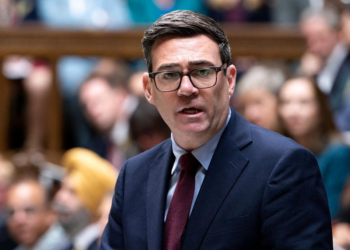
Mayors and other local political leaders could be given greater powers to oversee water companies under proposals being considered by the UK government, potentially giving regional authorities a stronger role in decisions about investment, customer bills and environmental performance.
The proposals form part of a wider debate about how the water industry should be governed and regulated, following years of concerns about infrastructure, sewage discharges, household bills and the financial position of some major water companies.
Under the plans being explored by ministers, local leaders could have a say in parts of water companies’ spending and could be given mechanisms to hold company executives to account over issues affecting customers and local communities. The precise powers have not yet been finalised, meaning the proposal remains under consideration rather than representing an agreed change to the regulatory system.
The idea reflects recommendations made by the Independent Water Commission, chaired by Sir Jon Cunliffe, whose final report in 2025 called for stronger regional involvement in managing water systems. The commission recommended nine regional water authorities in England, alongside reforms to regulation, company governance and infrastructure planning.

The commission argued that water management cannot be separated from decisions about agriculture, transport, development, land use and the environment. Its recommendations therefore sought to bring more of those interests together at regional level rather than relying exclusively on national regulatory arrangements.
Sir Jon Cunliffe said in his 2025 final-report speech that regional water planning bodies should have genuine authority over water-industry investment and influence over other funding streams that affect regional water objectives. The proposed approach was intended to connect national strategy with decisions made closer to the communities affected by those decisions.
That principle is now relevant to the government’s wider plans for reforming the water sector. A government white paper published in February 2026 said the existing system had suffered from fragmented planning and a lack of strategic coordination between water companies, regulators, investors, agriculture, transport, local government, developers and customers. It set out a new approach intended to provide stronger long-term direction.
The possible expansion of local oversight comes at a time when water companies face intense scrutiny over the quality and reliability of services. Problems with ageing infrastructure, leaks, sewage pollution and the financial resilience of companies have contributed to a broader discussion about whether the current system provides sufficient accountability.
For households, one of the most immediate concerns is the cost of water services. Rising bills have increased attention on how companies decide their investment priorities and how regulators assess the amount customers should pay. Giving regional representatives a stronger role could create another channel through which local concerns are brought into those decisions.
However, greater local involvement would not necessarily mean that individual mayors would take over the running of water companies. The proposals under discussion concern oversight, planning and accountability rather than a straightforward transfer of ownership.
This distinction is significant because the UK’s water system remains highly regulated. Water companies operate within a framework involving economic, environmental and drinking-water regulators, while government sets wider policy direction. The Independent Water Commission concluded that the regulatory structure itself needed substantial reform, including changes to the way companies are supervised and how different regulatory responsibilities are coordinated.
The commission also recommended replacing the existing fragmented regulatory arrangements with a new regulator for water in England. Ofwat has acknowledged the need for reform and said the Cunliffe report provided an opportunity to reset the sector so that it delivers improved outcomes for customers and the environment.
The question of local authority involvement is therefore part of a much larger restructuring exercise.
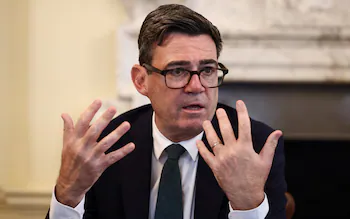
Andy Burnham has been particularly prominent in discussions about public control of utilities. Before entering Parliament for Makerfield, he said he intended to bring Thames Water into public ownership. Thames Water serves millions of customers across London and the surrounding region and has faced severe financial difficulties.
The company’s financial position has become an important part of the government’s wider consideration of water-sector reform. Ministers have been examining different options for dealing with its financial difficulties, including the possibility of special administration and proposals involving creditors.
The debate over Thames Water also illustrates the tension between public accountability and the financial requirements of maintaining essential infrastructure. Water networks require substantial long-term investment, while companies must remain financially viable and capable of raising money for improvements.
The Independent Water Commission’s work highlighted the scale of the investment challenge facing the sector. Its recommendations covered not only regulation but also infrastructure resilience, company governance, ownership arrangements and the need for long-term investment.
At regional level, supporters of stronger local involvement argue that water problems can vary considerably from one area to another. A community experiencing shortages, flooding, river pollution or pressure from new housing development may have different priorities from another part of the country.
The Cunliffe commission specifically identified the regional nature of water management as an important reason for strengthening local and regional planning. Its analysis pointed to the connections between water resources, river catchments, agriculture, development and environmental protection.
There are also practical questions about how any new regional authorities would work. The commission envisaged bodies that could bring together local government figures, independent leadership, technical experts and representatives of sectors affected by water policy. Such an arrangement would be intended to give communities and specialist interests a formal role without removing the need for national regulation.
The government has not yet confirmed exactly which local leaders would receive new powers or how those powers would interact with existing regulators. Any final system would need to establish clear responsibilities so that companies, regional authorities and national regulators were not given overlapping or contradictory instructions.
Customer dissatisfaction remains an important factor behind the political pressure for reform. The Consumer Council for Water has reported a significant rise in complaints about water companies, reflecting continued concerns among households about service and the state of the sector.
Mike Keil, the organisation’s chief executive, said the figures showed the scale of dissatisfaction and the task facing companies as they attempt to rebuild consumer trust.
The government has also made clear that accountability is central to its water policy. A government spokesperson said the industry had not been working adequately for people and that ministers were pursuing tougher regulation, stronger enforcement and greater accountability for water companies.
Those measures form part of a broader programme that includes the government’s 2026 water strategy. The official policy document says the government intends to provide clearer long-term direction while addressing weaknesses in planning and coordination across the sector.
The possible role for mayors and other local leaders could therefore become one component of that wider reform. Rather than placing all decisions in Westminster or with national regulators, the proposals could give regional institutions a more formal role in determining how investment and environmental priorities are addressed locally.
The effectiveness of such a model would depend on how responsibilities were divided and what powers regional authorities ultimately received. It would also depend on whether local representatives had access to the technical information and financial expertise required to scrutinise complex water-company decisions.

For customers, the central issue is whether changes to governance can translate into improvements in everyday services, including reliable supplies, reasonable bills, better-maintained infrastructure and reduced pollution.
No final decision has yet been announced on the precise form of the proposed local oversight arrangements. Ministers are continuing to consider options for changing the way water companies are governed and regulated.
What is clear is that the future of the water industry is increasingly being considered not simply as a question of corporate regulation, but as an issue involving local government, environmental protection, infrastructure planning and public accountability.
If the proposals progress, mayors and other regional leaders could find themselves with a more formal role in decisions that have traditionally been handled primarily by water companies, national government and specialist regulators.
The outcome will help determine how far Britain’s future water system is managed nationally and how much authority is placed closer to the communities that depend on it.
Related News:
 Thames Water Revises Oxfordshire Mega-Reservoir Plan
 Fashion Firms Urge UK-Made NHS and Army Uniforms
 Burnham unveils £65m drought aid for farmers
 North Sea Firms Urge Early End to Windfall Tax
 UK Pay Growth Slows to 3.9% as Rate Decision Nears
 Bank Urged to Slow Bond Sales as UK Costs Rise
 UK Inflation Hits 3.1% as Household Pressure Grows
 UK Youth Jobs Gap Reveals Deep Regional Divide
 Mayors Could Gain New Powers Over UK Water Firms
 UK Doubles Steel Tariffs to 50% to Protect Domestic Plants
 Reform UK funding: mystery billionaire revealed
 BBC News Faces Deep Cuts in 2,000 Job Plan
 UK Pushes for New EU Goods Trade Deal
 Reeves Fights to Keep Treasury Role Amid Labour Turmoil
 UK rejects EV charging VAT cut amid Treasury clash
 Essex valley emerges as rising English wine hub
 Three-Quarters of England’s Riverbanks Still Off Limits
 Pubs and Hotels Face Business Rates Reform Review
 UK Households Could Save £173 on Fixed Energy Deals
 Burnham Faces Mounting Budget Challenges
 Green Leader Targets Starmer’s Former Seat
 UK Subsidence Claims Surge After Record-Breaking Summer
 Swedish Mining Push Puts Sami Land Rights Under Pressure
 Spire Healthcare Agrees £1bn Takeover by Toscafund
 UK House Prices Fall as Mortgage Rates Rise
 UK retailers plan 100,000 placements for young people
 Oil nears $100 as Saudi attacks shake markets
 John Lewis Losses Widen to £124m as Confidence Falls
 UK Retailers Accused of Breaking Refund Laws
 Farage Threatens Union Funding Ban Over Reform Donations
 UK State Pension Set to Rise 3.9% as Triple Lock Holds
 UK Parents Cut School Uniform Costs as Prices Rise
 JLR Eyes NATO Market With New Defender Military Vehicle
 Slave-Trade Wealth Embedded in Britain’s Financial System
 UK Heatwaves Set to Worsen Pothole Damage, RAC Warns
 Chancellor Rachel Reeves Pushes for Sweeping Changes to Environmental Protections to Accelerate Development
 Senior Tories Condemn Badenoch’s Vow to Repeal Climate Change Act as Catastrophic
 Kemi Badenoch Unveils ‘Golden Rule’ to Halve Spending Cuts for Deficit Reduction at Tory Conference
 Trump’s UK Ambassador Urges North Sea Drilling to Strengthen US Ties
 Millionaires group urge Reeves to introduce wealth tax to ‘lift kids out of poverty’
 PM Highlights UK Business at G20 in South Africa
 Starmer Says Labour’s Economic Plan Needs Years to Deliver
 UK Government Borrowing Drops to £11.6bn in December
 UK shelves £110m border project amid trade strain
 Reeves Must Back Defence Plan or Face Dismissal, Says Unite Chief
 OBR Reform Row Deepens Before Spring Forecast
 UK Energy Reform Could Cut Bills by £200
 Rising Costs Force Families to Rethink Days Out
 Glasgow Central Set for Full Reopening After Fire
 Unions Raise Concerns Over Doctors’ Pay Dispute
 Kezia Dugdale Warns of Possible Reversal of Equal Rights Gains
 Crackdown Backfires on UK Climate Protesters
 Capitalism ‘Suicidal’, Warns Petro at Climate Summit
 John Terry Faces Backlash Over Political Posts
 Silent Tracks: Rail Line Without Passengers
 UK Inflation and Global Conflict Drive Up April Borrowing
 Kevin Warsh sworn in as Fed chair amid economic backlash
 Albanese Defends Tax Reforms Amid Emotional Speech
 Farage and Reform UK Reshape British Politics
 Starmer Leadership Under Pressure After Setbacks
 Andy Burnham Enlists Economic Heavyweights for Leadership Bid
 UK Schools Struggle as Classrooms Top 40C
 London Tube Heat Reaches Dangerous Levels
 Unions Warn Labour Over Zero-Hours Contract Reforms
 Ghent Professors Questioned Cofnas Appointment
 Australia Races to Find Tourists Missing in Nepal
 Drought Raises Flood Risk as UK Autumn Approaches
 RAF Barnham Protests Fuel Tensions in Norfolk Town
 UK Risks Falling Behind in AI Race
 Europe Faces Winter Gas Supply Anxiety
 Trump Hardens Canada Trade Stance as Talks Stall
 Reform Faces Fresh Financial Controversy
 UK Cost Squeeze Deepens as Mortgages and Gas Rise
 Billionaire Chris Rokos poised to leave UK
 UK plans tougher Israel stance with settlement trade ban
 Councils spend £125m on illegal children’s care
 McLaren to Create 1,000 UK Jobs in £450m Investment
 JPMorgan Boss Warns Against UK Bank Tax Rise
 Iceland to Open First UK High Street Store in Falklands
 Heathrow Expansion Faces New Climate Conditions Over CO₂