Published: 16 September 2026. The English Chronicle Desk. The English Chronicle Online
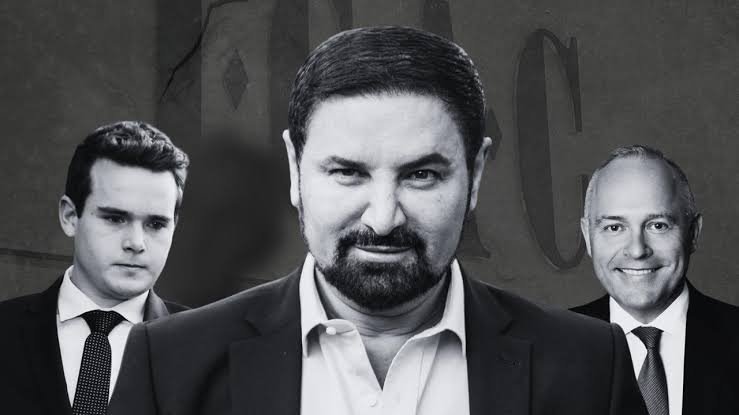
The New South Wales Independent Commission Against Corruption has continued examining financial and political relationships surrounding property developer Jean Nassif, with Liberal factional figure Jeremy Greenwood facing detailed questions about payments, consultancy work and his dealings with the collapsed Toplace development company.
Greenwood returned to the ICAC inquiry on Wednesday as counsel assisting the commission, Peggy Dwyer SC, questioned him about nearly $1 million in invoices issued by his consultancy company Beckington to Toplace in September 2021. Greenwood rejected suggestions that the invoices were fabricated accounts designed to disguise political donations and maintained that his work for Nassif and Toplace involved legitimate lobbying and consultancy services.
The hearing forms part of Operation Rosny, an ongoing ICAC investigation into allegations concerning political donations, lobbying and relationships involving people associated with the NSW Liberal Party, Nassif and several other individuals. ICAC says it is examining whether political donations from Nassif or Toplace were solicited or accepted by Greenwood, Christian Ellis and Charles Perrottet between approximately 2020 and 2023, including whether any arrangements breached NSW electoral-funding laws.
No final findings have been made by the commission in relation to those allegations.
Greenwood has consistently disputed the suggestion that payments received from Nassif were improper. He has previously told the inquiry that Beckington and another consultancy, JPG Advisory, were engaged for lobbying work connected with Toplace developments.

At Wednesday’s hearing, Dwyer questioned Greenwood about invoices that Beckington sent to Toplace in September 2021. Almost $1 million in invoices were issued on the same day and described as being in arrears. Dwyer suggested that the documents could have been created to conceal payments that were actually connected to political activity.
Greenwood rejected that interpretation.
He told the commission there was no scheme involving bogus accounts and maintained that the money represented amounts he believed were owed for consultancy work. He also said he did not believe Beckington ultimately received everything it was owed by Toplace before payments later began to be made to JPG Advisory.
The questioning also focused on why Greenwood did not pursue Nassif more aggressively for outstanding money. Greenwood described himself as a creditor of Toplace and said he believed the company had left him and Ellis without payments they were owed.
Asked why he had not followed up more forcefully, Greenwood referred to his understanding of Nassif’s way of conducting business, saying it was “how Jean does business”.
The financial dispute has become significant because Toplace collapsed in 2023 with debts exceeding A$1 billion. Nassif subsequently left Australia and has been living in Lebanon. He appeared before ICAC by video link earlier this week from Beirut, giving his account of the relationships and payments under investigation. ABC reported that Nassif denied paying bribes while acknowledging that he had offered Greenwood and Ellis a potential A$1 million “commission” if developments progressed.
Nassif’s evidence has itself been contested and is being examined by the commission alongside evidence from other witnesses.
The inquiry has also considered the involvement of Charles Perrottet and his wife, Anita Perrottet. Anita Perrottet received $660,999 through her company, Macquarie Consulting, over approximately two and a half years. Dwyer has suggested that the payments represented Charles Perrottet’s share of money associated with Nassif.
Anita Perrottet has said the payments were for strategic and marketing advice. Charles Perrottet has similarly described them as broader payments covering advice concerning Nassif’s developments as well as his wife’s work.
Greenwood was questioned about the nature of Anita Perrottet’s contribution to the consultancy businesses. He had previously described some of her advice as providing a “mum’s perspective”, including suggestions concerning greyhound policy and measures intended to discourage young people from vaping.
Dwyer challenged that evidence by pointing to documents that predated Anita Perrottet’s claimed involvement. One example concerned the phrase “zero unnecessary euthanasia”, which appeared in recommendations from a NSW greyhound industry reform panel years before Greenwood said Anita had suggested it.
Greenwood disagreed with the suggestion that he had invented evidence about her contribution.
Dwyer also referred to material concerning vaping and tobacco regulation that had already been published in government and industry documents before the period in which Greenwood said Anita Perrottet had provided advice.
The exchange became particularly pointed when Dwyer asked Greenwood about the ages of Anita Perrottet’s children when she was allegedly providing advice on vaping. Greenwood said he did not know their ages and did not consider the matter relevant.
The presiding commissioner, Fabian Gleeson, intervened during the questioning and reminded Greenwood that his role was to answer questions rather than debate with counsel assisting.
The hearing also examined communications between Greenwood and Ellis involving government officials. One message concerned an attempt to establish contact with a Treasury staff member on behalf of Toplace. A Treasury official responded that the department had no interest in doing favours for developers and that proposals would be assessed through proper planning processes.
The commission subsequently made a non-publication order concerning a racist message Greenwood had sent about the then-Treasurer’s chief of staff. Greenwood accepted that the message was highly offensive.
The order means the contents of the message cannot be publicly reported. Ellis, who has moved to the United Kingdom, is not expected to appear before the commission.
The inquiry has also examined documents and electronic folders connected with Anita Perrottet. Greenwood was questioned about folders she had shared with him in March 2023, following a parliamentary inquiry that preceded the ICAC investigation. The folders were labelled with subjects including greyhounds, British American Tobacco and Catholic cemeteries.
Dwyer suggested the folders may have been part of a false document trail. Anita Perrottet has denied that allegation.
Greenwood said he could not speculate about why the folders had been created or sent. When Dwyer asked whether there was any reason to send empty folders, Greenwood replied that there might have been a possibility that someone expected to fill them later.
The commission also returned to the broader question of Greenwood’s relationship with Nassif and the money allegedly associated with Toplace.
ICAC’s official description of Operation Rosny says the investigation includes allegations that political donations from prohibited donors may have been solicited or accepted and that various people may have entered into arrangements intended to circumvent electoral-funding requirements. The commission is also examining allegations involving other organisations and individuals outside the specific Nassif relationship.
The investigation is therefore broader than the evidence concerning any single invoice or consultancy agreement.
Nassif’s appearance earlier this week added another perspective to the inquiry. Appearing remotely from Beirut, he repeatedly denied that payments were bribes, while describing his relationships with Greenwood, Ellis and Charles Perrottet. ABC reported that he said he had been frustrated by what he regarded as opposition to his development projects and had sought assistance from political contacts and lobbyists.
Earlier hearings have also examined messages concerning payments and personal spending, including discussions by Liberal operatives about whether money associated with Toplace could be used to purchase expensive cars. Those exchanges are part of the evidence being considered by ICAC, rather than findings that the money was unlawfully used.
The inquiry is examining these communications alongside financial records, invoices, consultancy arrangements and testimony from the people involved. The purpose is to determine whether the conduct under investigation breached NSW laws or involved improper political influence.
Greenwood’s evidence on Wednesday ended without him being formally released from his summons, although he is not currently scheduled to return to the witness box. Dwyer concluded by putting to him that he and others had placed Anita Perrottet in a difficult position because, in her allegation, they had participated in misleading the commission.
Greenwood rejected that suggestion.
The exchanges demonstrate the difficulty of separating legitimate lobbying and consultancy work from political activity when payments, development approvals and political relationships overlap. That distinction is central to Operation Rosny because the commission is specifically investigating whether payments associated with Nassif and Toplace were political donations or were used for purposes prohibited under NSW electoral-funding law.

The commission’s investigation remains ongoing, meaning the evidence heard during the public inquiry should not be treated as a final determination of wrongdoing. Witnesses have disputed significant allegations, while ICAC continues to assess documentary evidence and testimony.
The proceedings have nevertheless provided a detailed picture of the financial relationships that existed around Toplace before the company collapsed. Greenwood has acknowledged that he worked for the developer and that substantial amounts were allegedly left unpaid. Nassif, meanwhile, has offered his own account of the arrangements and denied that he engaged in corrupt conduct.
The inquiry will ultimately determine what conclusions, if any, can be drawn from the evidence presented.
For now, the questioning of Greenwood has focused attention on the documentation behind consultancy payments, the role of political and business relationships, and the claims surrounding advice provided by Anita Perrottet.
With Operation Rosny continuing, further evidence may clarify how the various consultancy agreements, payments and political contacts were connected. Until the commission reaches its findings, the allegations remain matters under investigation rather than established conclusions.
Related News:
 Fugitive Developer Rants at NSW Corruption Inquiry
 US Charges Sinaloa Governor in Major Cartel Case
 Cartel crackdown raises fears of fresh violence
 Murder Probe Continues After Arrest Release
 Councils spend £125m on illegal children’s care
 Patriot Platform Raises Concern Across Britain
 Israel Accused of Undermining Palestinian Life
 Farage Threatens Union Funding Ban Over Reform Donations
 Piddington Votes for Symbolic Independence Over Asylum Plan
 Horse Hill Oil Site Sold as New Drilling Bid Emerges
 Texas Charges Seven Noncitizens in Voting Crackdown
 Tasers Introduced in UK Prisons to Combat Rising Violence and Protect Staff
 David Lammy Faces Possible Legal Challenge Over Foreign Office Secondment Scheme
 Police Advised to Disclose Ethnicity of Suspects in High-Profile Cases
 Calls Grow to Suspend Boris Johnson’s £115,000 Allowance After Revelations From “Boris Files”
 Father’s Tip Leads to Arrest in Charlie Kirk Murder Case
 Jailed Georgian Opposition Leaders Warn UK of Iranian Links to Ruling Party
 UK Police to Gain New Powers to Manage Repeated Protests, Home Office Announces
 Boris Johnson Breached Rules on Post-Office Business Contacts
 Lucy Powell urged ministers to reconsider costly legal case for Labour donor’s firm
 China Spy Case Hearing Reveals Key Gaps in Prosecution
 It’s time to come clean on the China spy case
 French Taxi Driver Cleared in David Lammy Theft Case After Fare Dispute
 Company linked to Michelle Mone owes £39m in tax
 Met Police Culture Makes Racial Harm ‘Inevitable’
 Remaining rebel Labour MPs have whip restored
 Victims’ commissioner Baroness Newlove dies aged 63
 South African Detained After Neo-Nazi Rally in Australia
 Trump Signs Bill Releasing Justice Department Files on Epstein
 Files Link Andrew to Epstein Dinner After Prison Release
 Emails Show Epstein Funded Mandelson’s Husband After Jail
 Police Probe Mandelson Over Alleged Epstein Leak
 California fireworks blast: murder charges filed in case
 Prevent Failings Exposed After Southport Attack
 Ben Roberts-Smith Denies War Crime Allegations in First Statement
 City & Guilds Sale Sparks Fees and Pay Uproar
 Harmeet Dhillon Faces Scrutiny in DOJ Role Debate
 US Labor Department in turmoil after secretary resigns
 Police Suspect Help in Missing Alice Springs Girl Case
 FBI Links Brown University Shooting to Long-Term Grievances
 US states redraw maps after voting rights ruling
 US ‘Narco Boat’ Strikes Draw Global Outcry
 Barrister Criticises Trial After Suicide Case Verdict
 Immigration Judges Fear Pressure in Trump Era
 China mine blast death toll rises to 90
 Gunman Killed After White House Security Shootout
 Irish Gangland Figure Fails in Dublin Election Bid
 New Footage Revives Peter Falconio Mystery
 Ukraine Creates Long-Range Strike Command
 Trump Refuses to Sign Housing Bill, But Law Takes Effect
 Pradhan Resigns Amid Protests
 Westminster Council Threatens Charing Cross Soup Kitchen
 BBC Warned About Missing Clothes of Murder Victim
 Israeli Strike in Southern Lebanon Kills Seven
 Cambridge Professor Jason Arday Found Dead at Home
 Unions Warn Labour Over Zero-Hours Contract Reforms
 US immigration arrests hit record high in July
 Ukraine Villagers Demand Answers After Deadly Arms Depot Strike
 Survivor Sues Musk’s xAI Over AI Abuse Images
 Argentina Orders Return of Nazi-Looted Painting
 Judge Allows Pentagon Firings at Stars and Stripes
 Trump Calls Iran War ‘Small Potatoes’ Despite US Deaths
 Reform Faces Fresh Financial Controversy
 UN expert urges UK to rethink Israel policy
 Ukraine Moves to Seize Water Company
 Swedish Mining Push Puts Sami Land Rights Under Pressure
 UK plans tougher Israel stance with settlement trade ban
 Miliband Rejects Chief Rabbi’s West Bank Warning
 New Mexico Takes Facebook to Trial Over Data Scandal
 Reform UK Receives Record £36m Donation From Crypto Billionaire
 Trump’s Washington Projects Face Architectural Criticism
 Election Candidate Abuse Raises Alarm in England
 UK Retailers Accused of Breaking Refund Laws
 JLR Eyes NATO Market With New Defender Military Vehicle
 Slave-Trade Wealth Embedded in Britain’s Financial System
 Lisa Nandy Calls for Tougher Action on Social Media Doxxing
 Seven Women’s Deaths Renew South Africa Femicide Anger
 Mayors Could Gain Greater Powers Over Water Firms
 Amnesty Finds Coordinated Abuses in Iran Protest Crackdown
 Seoul Restaurant Fined Over Ant-Topped Dessert