Published: 05 September 2026. The English Chronicle Desk. The English Chronicle Online.
An 18th-century painting stolen by the Nazis from the collection of Dutch Jewish art dealer Jacques Goudstikker must be returned to his heir, an Argentine judge has ruled, bringing a decades-long search for the artwork closer to a historic resolution.
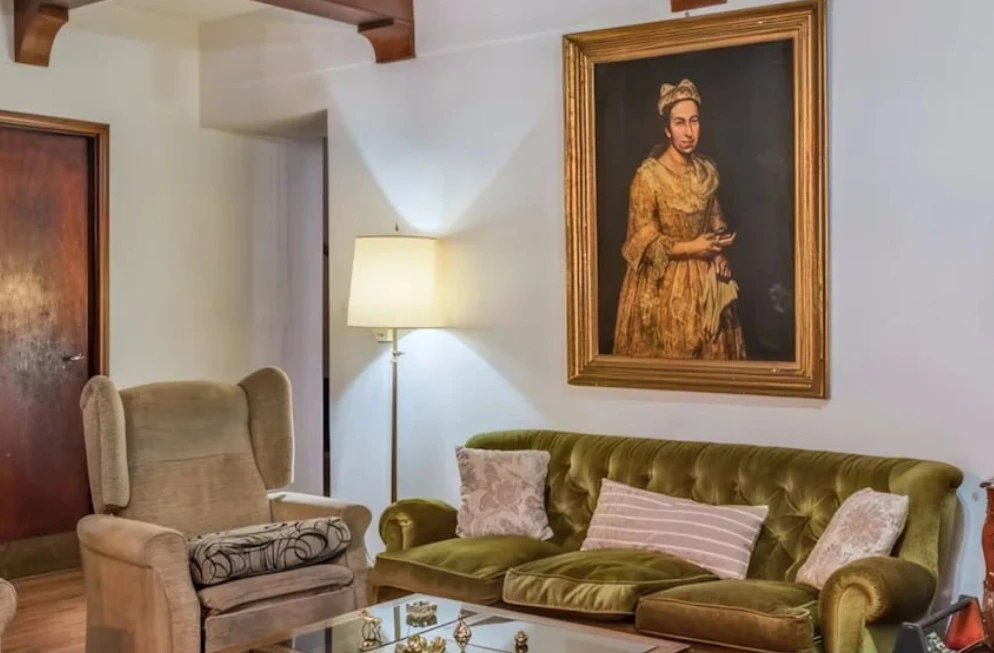
The painting, Portrait of a Lady, by Italian Baroque artist Giuseppe Ghislandi, had been missing for more than 80 years before its whereabouts came to light in 2025. It was discovered in photographs of a property in the Argentine seaside resort of Mar del Plata, where it was hanging in the home of Patricia Kadgien, the daughter of a senior Nazi official who fled to Argentina following the Second World War.
Judge Santiago Inchausti issued the order on Friday after the parties reached an agreement over the painting’s return. Under the agreement, the artwork will be handed back to Marei von Saher, Goudstikker’s daughter-in-law and sole heir.
The decision represents another significant step in the long-running international effort to recover artworks looted from Jewish families during the Nazi occupation of Europe. Thousands of paintings, sculptures and other cultural objects were stolen, confiscated or forcibly sold during the Nazi era, and many remain in private collections and museums around the world.

The story of Portrait of a Lady is closely linked to the persecution of Jewish collectors during the Nazi occupation of the Netherlands.
Goudstikker was one of the most prominent art dealers in the Netherlands before the war. His collection included hundreds of works by major European artists and was considered one of the most important private art collections in the country.
Following the German invasion of the Netherlands in 1940, Goudstikker fled the country. He died shortly afterward in an accident while escaping Europe, leaving behind a collection that became vulnerable to seizure by the Nazi regime.
More than 1,000 works from his collection were taken during the Nazi occupation. Many were acquired or distributed among senior Nazi officials and institutions, while others disappeared into the international art market.
The recovery of Portrait of a Lady began decades later and thousands of miles away from the Netherlands.
The painting was identified after Dutch newspaper AD spotted it in photographs accompanying a property listing in Mar del Plata. The images showed the artwork hanging above a green sofa in the living room of a home belonging to Patricia Kadgien.
Kadgien’s father, Friedrich Kadgien, had held a senior financial position connected to the Nazi SS and was among a number of high-ranking Nazi figures who escaped to Argentina after the war.
The discovery prompted an investigation into the painting’s history and ownership.
Kadgien and her husband were subsequently charged with concealment and placed under house arrest after the artwork was identified. During a court hearing in Mar del Plata, Kadgien was seen clutching a rosary as the case progressed.
Rather than continue a prolonged legal dispute over ownership, the couple agreed to return the painting to Goudstikker’s heir. They also agreed to make a payment of approximately $3,200 to local hospitals.
The court agreement has now paved the way for the artwork to be returned to the family from which it was stolen.
For the Goudstikker heirs, the recovery is significant not simply because of the painting’s artistic value but because it represents the restoration of property taken during one of the darkest periods of European history.
The Nazi regime systematically targeted Jewish individuals and families, stripping them of businesses, homes, financial assets and cultural property. Art collections were particularly vulnerable because valuable works could be confiscated, sold under coercive conditions or transferred to Nazi officials.
The theft of Jewish-owned art was part of a much broader campaign of persecution and dispossession. After the war, governments and cultural institutions began attempting to recover the stolen works, but identifying ownership and tracing artworks through decades of private sales proved extremely difficult.
In the case of the Goudstikker collection, the Dutch state recovered around 300 works after the war. Many were eventually returned to the dealer’s heirs, but numerous other paintings remained dispersed across different countries and private collections.
The recovery of Portrait of a Lady demonstrates how some of those works can still emerge decades later.
The painting itself was created by Giuseppe Ghislandi, an Italian artist associated with the Baroque tradition and particularly known for his portraits. Works by European Old Masters can have considerable cultural and financial value, making provenance research an essential part of determining legitimate ownership.
For historians and researchers investigating Nazi-looted art, provenance is often reconstructed through a combination of wartime records, auction catalogues, ownership documents, photographs and archival material. In some cases, a single photograph can provide a crucial breakthrough by revealing an artwork in a previously unknown location.
That appears to have been the case with Ghislandi’s painting.
The discovery in Mar del Plata also underscores the complex legacy of Nazi officials who escaped Europe after the Second World War. Argentina became one of several destinations for individuals associated with the Nazi regime, and some established new lives there after the war.
The presence of artworks taken during the Nazi period in such locations has periodically generated legal and ethical disputes. Determining how an object was acquired, whether its ownership changed legitimately and whether it was originally looted can require extensive investigation.
The Argentine ruling comes amid continuing international efforts to address the legacy of Nazi cultural theft.
Although many restitution cases have been resolved, thousands of artworks are still believed to have uncertain or disputed provenance. Families of Holocaust victims and their descendants continue to search archives and private collections in an effort to recover property taken from their relatives.
The Goudstikker family has been at the centre of this effort for decades.
Marei von Saher, Goudstikker’s daughter-in-law and sole heir, has pursued the recovery of artworks belonging to the collection. Some of those works have been located in museums and private collections in Europe and the United States, leading to lengthy negotiations and legal proceedings.
The return of Portrait of a Lady therefore adds another recovered work to the family’s efforts to reconstruct a collection that was shattered by Nazi persecution.
The case also carries a wider message about the importance of confronting the unresolved consequences of wartime looting.
For families whose property was stolen during the Holocaust, the passage of time does not necessarily erase the significance of those losses. Paintings that survive can become tangible evidence of lives, families and communities that were destroyed or displaced.
A recovered artwork can therefore represent more than financial compensation. It can restore part of a family’s historical record and acknowledge the injustice that occurred when the work was taken.
The Argentine court’s decision follows an agreement between the parties, allowing the case to move toward restitution rather than a prolonged ownership battle.
The hospital donation agreed by Kadgien and her husband is also part of the settlement, adding a public dimension to a case rooted in the recovery of private property.
The painting’s return will not restore the world that existed before the Nazi invasion of the Netherlands. It cannot undo the persecution suffered by Goudstikker, his family or millions of other European Jews. But its recovery represents a recognition that property taken through Nazi persecution should not simply disappear into history.

For the international art world, the case serves as another reminder that the history of an artwork can be as important as the artwork itself. Museums, collectors and dealers increasingly face scrutiny over the provenance of works acquired during periods of war, persecution and political upheaval.
As descendants continue searching for works stolen from their families, paintings that have remained hidden for generations may still emerge unexpectedly.
In this case, an old photograph from a house sale helped reveal a painting that had been missing since the early years of the Second World War.
More than eight decades after its disappearance, Portrait of a Lady is now on a path back to the family of the man from whom it was stolen.
The ruling closes one chapter in the long journey of the painting, while also highlighting the unfinished global effort to identify and return cultural treasures taken from Jewish families during the Nazi era.
Related News:
 New Footage Revives Peter Falconio Mystery
 Files Link Andrew to Epstein Dinner After Prison Release
 Emails Show Epstein Funded Mandelson’s Husband After Jail
 Ben Roberts-Smith Denies War Crime Allegations in First Statement
 Police Suspect Help in Missing Alice Springs Girl Case
 Cartel crackdown raises fears of fresh violence
 Israeli Strikes in Lebanon Kill 10 Amid Ceasefire Strain
 US judge dismisses Kilmar Abrego Garcia indictment
 China mine blast death toll rises to 90
 Ebola outbreak in DRC overwhelms health system as cases surge
 Former ICC prosecutor condemns US sanctions
 Dreyfus Statue Finally Gets Permanent Paris Home
 Israeli Strike in Southern Lebanon Kills Seven
 Ukraine Villagers Demand Answers After Deadly Arms Depot Strike
 Survivor Sues Musk’s xAI Over AI Abuse Images
 Daughter Finds Bones in Parents’ Burned-Out Car
 Pregnant UK Teen to Be Freed from Georgian Jail
 Just Stop Oil Protesters Convicted Amid Climate Defence Row
 British Grandmother to Return Home After Death Sentence in Bali
 Oklahoma Governor Grants Last-Minute Clemency to Death Row Inmate
 Teens ‘Ran Amok’ at Ex-MP’s Covid Testing Firm
 Thousands Protest ICE Operations in Nationwide US Day of Action
 Thousands Protest ICE in New York Against Trump Deportation Campaign
 Suspect Named in Canada School Mass Shooting
 Undercover officer deceived women with ‘grotesque and cruel’ lies, spycops inquiry told
 Teen Girl Charged After Alleged Melbourne Hate Crime Spree
 Bondi Nanny Adriana Rivas to Face Extradition to Chile
 California fireworks blast: murder charges filed in case
 Prevent Failings Exposed After Southport Attack
 Learner Driver Charged After Expo Tragedy
 OpenAI CEO Apologizes After Canada Shooting Case
 Ukraine Urges UK to Seize Russian Oil Tankers
 FBI Links Brown University Shooting to Long-Term Grievances
 US Charges Sinaloa Governor in Major Cartel Case
 US states redraw maps after voting rights ruling
 Judge halts deportation of Yemeni refugees in US
 Activists allege abuse after Gaza flotilla seizure
 US ‘Narco Boat’ Strikes Draw Global Outcry
 Search Intensifies for Missing Hiker on WA Bibbulmun Track
 Barrister Criticises Trial After Suicide Case Verdict
 Immigration Judges Fear Pressure in Trump Era
 Victim says non-custodial rape sentence ‘rock in my face’
 Hunger increasingly weaponised in global conflicts
 Gunman Killed After White House Security Shootout
 Irish Gangland Figure Fails in Dublin Election Bid
 Murder Probe Continues After Arrest Release
 Ukraine Creates Long-Range Strike Command
 Teen Charged After Layla Jeffery Found Dead
 Taliban global ties grow as rights fears mount
 Westminster Council Threatens Charing Cross Soup Kitchen
 BBC Warned About Missing Clothes of Murder Victim
 Cambridge Professor Jason Arday Found Dead at Home
 Five Years of Taliban Rule Leave Afghanistan in Crisis
 US immigration arrests hit record high in July
 Northern Ireland Family of Three Shot Dead in Maguiresbridge Home Incident
 French Taxi Driver Cleared in David Lammy Theft Case After Fare Dispute
 Greene Pushes Epstein Files Amid Trump Fallout
 Deadly Russian Strikes Hit Western Ukraine, 20 Killed in Ternopil
 Man Denies Stealing Bronze Age Gold from Museum
 Runaway Driver Caught by DNA Evidence
 Tokyo court rules Japan’s same-sex marriage ban constitutional
 American Mother Extradited From UK to U.S. on Murder Charges
 Concerns rise for Canberra boy amid Iran detention fears
 SA Police Intensify Search in Gus Lamont Case
 El Mencho Killed as Mexico Faces Violence
 Kelly Wilkinson Inquest Reveals Bail Failure
 Fugitive Dezi Freeman Killed in Rural Victoria Shootout
 Canadian Mother and Daughter Released From ICE Detention
 Oil Prices Surge Above $120 Amid Iran Blockade Fears
 Trump orders US troop pullout from Germany
 Japan Protests Erupt Over Plans to Revise Constitution
 Trump Announces 3-Day Russia–Ukraine Ceasefire Deal
 Fear and Betrayal: The Chilling Case of Kouri Richins
 Maldives Cave Diving Tragedy Raises Safety Alarm
 Cannes filmmakers split over AI’s role in cinema
 Grief and Devotion Amidst the Rubble of Nabatieh
 Canada Secure Historic Last 16 Spot with Late Goal
 Keiko Fujimori Claims Dramatic Victory in Peru Runoff
 Gaza Doctor Unrecognisable After Brutal Israeli Detention
 British Museum Faces Questions Over Peter Thiel’s Private Bayeux Viewing