Published: 30 June 2026. The English Chronicle Desk. The English Chronicle Online.
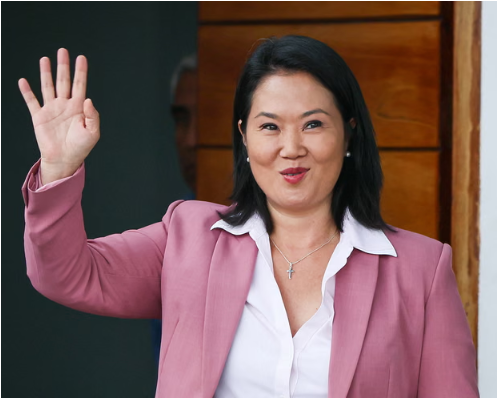
Peru has entered a monumental new political era following a highly dramatic presidential vote. Conservative leader Keiko Fujimori has claimed a historic victory after a fiercely contested runoff. This pivotal result marks an important shift toward right-wing governance across Latin America. Her narrow triumph concludes weeks of intense anxiety regarding the nation’s fragile democratic path. The official vote tally confirmed that the deep divisions within Peruvian society remain strong. Voters have chosen a decisive shift in leadership during a period of severe national crisis.
The final results from this election reveal the incredibly close nature of the race. Fujimori won the second round by a razor-thin margin of fewer than fifty thousand votes. More than eighteen million citizens cast their ballots in this deeply polarized national contest. Her opponent Roberto Sanchez fought a strong campaign that mobilized millions of leftist voters. The National Electoral Jury will formally announce the final official winner on 3 July. Electoral officials spent several weeks carefully reviewing thousands of contested ballots across the country.
Fujimori expressed her deep gratitude to supporters through a passionate statement on social media. She stated that Peruvians are drawing closer to a vital path of national order. The president-elect promised to restore genuine hope to a population exhausted by recent chaos. This successful campaign represents her fourth consecutive attempt to win the nation’s highest office. At fifty-one years old, she has finally secured the elusive presidency she long sought. Her victory marks a personal triumph after suffering narrow defeats in previous election cycles.
The fierce election focused primarily on rampant criminal activity and chronic structural governance failures. Peru has suffered immense instability, burning through eight different national presidents in one decade. Citizens are deeply terrified by a massive surge in violent extortion and contract killings. Organized crime syndicates have expanded their dark influence across major urban centers and provinces. Fujimori successfully tapped into this widespread public fear by promising an uncompromising iron fist. Her strict law-and-order platform resonated deeply with voters demanding immediate safety and stability. Her heavy emphasis on security draws direct inspiration from the legacy of her father. The late president Alberto Fujimori remains a deeply polarizing figure in modern Peruvian history. Supporters praise him for crushing brutal Maoist insurgencies and stabilizing a collapsed domestic economy. However, his controversial administration was heavily tarnished by severe human rights violations and corruption. He was subsequently disgraced, exiled, and imprisoned for executing serious crimes against humanity. The name Fujimori evokes both intense loyalty and profound fear among the regular electorate.
Left-wing candidate Roberto Sanchez has maintained an ominous silence following the final count announcement. The progressive challenger previously led the early stages of the domestic ballot counting process. However, the inclusion of substantial overseas votes eventually allowed Fujimori to surpass his total. Sanchez had explicitly warned that he would refuse to recognize his rival’s incoming government. He continuously alleged serious administrative irregularities within the management of the international voting stations. His loyal supporters have already staged passionate protests through the crowded streets of Lima.
The newly elected president is scheduled to take office formally on 28 July. She will serve a full five-year term aimed at repairing a fractured political system. Throughout her long campaign, Fujimori worked incredibly hard to soften her notoriously confrontational image. She initially entered the national spotlight at nineteen, serving as the nation’s youngest first lady. This occurred after her mother publicly broke ties with the authoritarian regime of her father. She later completed her formal education in business administration within the United States.
Her famous surname has simultaneously served as a great benefit and a massive hindrance. The family brand provides immediate recognition, dedicated political networks, and a highly loyal base. Conversely, millions of citizens retain dark memories of the abuses committed during the nineties. These bitter historical recollections previously blocked her path to executive power on three occasions. Many progressive critics firmly blame her influential party for generating recent legislative gridlock. They argue that Fuerza Popular frequently used its congressional power to destabilize rival administrations.
The incoming administration faces the monumental task of unifying a deeply fractured Andean nation. Economic inequality remains high, particularly within the impoverished southern highlands and rural communities. These marginalized regions voted overwhelmingly for Sanchez, reflecting a profound desire for systemic transformation. Fujimori must find effective ways to address their economic grievances to prevent widespread unrest. Failing to bridge this geographical divide could quickly trigger renewed social protests and strikes. Her leadership will be tested immediately by a newly structured, highly divided national congress.
International observers are watching these developments closely to evaluate regional democratic stability across South America. The razor-thin outcome suggests that governance will require significant compromise and sophisticated coalition building. Fujimori’s victory reinforces a broader ideological trend favoring conservative leadership throughout the entire continent. Several neighboring nations have recently elected right-wing leaders who prioritize aggressive security measures over social spending. This shifting regional dynamic could alter trade agreements and diplomatic relations significantly over the coming years. Peru’s next chapter will undoubtedly shape the geopolitical landscape of the entire Andean region.
Investors have responded with cautious optimism regarding the prospects of long-term economic predictability in Peru. The country possesses vast copper reserves that are highly critical for global technology markets. Prolonged political gridlock has historically deterred major foreign investment in these vital extractive sectors. Fujimori has consistently advocated for free-market principles and stronger protections for private corporate enterprises. However, she must balance pro-business policies with meaningful public investments to pacify working-class citizens. Achieving this delicate economic balance represents a critical challenge for her incoming cabinet ministers.
The transition of power will take place amid intense security precautions across major urban areas. Law enforcement agencies are preparing for potential civil disturbances leading up to inauguration day. The persistent allegations of electoral fraud have heightened political tensions among the urban working class. Electoral authorities maintain that the entire counting process was executed with absolute transparency. Independent international monitors have generally validated the integrity of the June runoff vote results. Nevertheless, building public trust remains an uphill battle for the incoming conservative administration.
The role of the military and police forces will also face intense national scrutiny. Fujimori has promised to expand their authority significantly to combat the dangerous criminal cartels. Human rights organizations have voiced strong concerns regarding potential abuses under this aggressive strategy. They emphasize the vital need to maintain constitutional checks and balances during security crackdowns. The balancing act between public safety and individual civil liberties will define her presidency. Every policy decision will be weighed against the complex historical legacy of her family.
As the final preparations begin, the eyes of the nation remain fixed on the capital. Peruvians are desperately yearning for an end to the destructive cycle of continuous executive impeachments. Whether Fujimori can deliver true stability without reverting to authoritarian methods remains entirely unseen. Her supporters believe her firm approach is precisely what the endangered republic requires today. Her detractors fear that democratic institutions may face severe erosion under her centralized rule. The upcoming five years will determine the ultimate endurance of Peru’s democratic experiment.
Related News:
 EU Weakens as Trump Targets Venezuela and Greenland
 Venezuela Oil Deal Opens Tensions with US Control
 US Citizens Warned to Venezuela Flee Amid Paramilitary Threats
 Gulf states warn Trump Iran strikes risk wider Middle East war
 Machado Trump medal gesture reshapes Venezuela power struggle
 Greenland defence seen as shared Nato duty amid troop arrivals
 Gulf states warn Trump Iran strikes risk wider Middle East war
 Trump Receives Machado’s Nobel Medal in White House Meeting
 Iran unrest slows under brutal crackdown and global tensions
 Syria President Declares Victory as Ceasefire Reached with SDF
 US Considers Asylum for British Jews Amid Rising Antisemitism
 Thousands Protest ICE Operations in Nationwide US Day of Action
 Epstein Files Reveal Trump Officials’ Emails with Financier
 Thousands Protest ICE in New York Against Trump Deportation Campaign
 Sydney Protest Pepper Spray Clash During Herzog Visit
 Cuba Kills Exiles in Speedboat Attack from US Waters
 Yvette Cooper: UK Must Follow Principles, Not US Pressure
 Saudi Arabia Urging US to Keep Up Iran Attacks
 Washington Enlists Musk to Battle Global Hostility Online
 Teen Girl Charged After Alleged Melbourne Hate Crime Spree
 Macron Urges Stability as Trump Jolts Nato and Iran
 Trump Address Sparks Global Backlash Over Iran War Tactics
 Macron Rebukes Trump Following Mockery of His Marriage
 Trump Sets Tuesday Deadline for Iran to Reopen Vital Strait
 Tragic End to Outback Search as Floods Claim a Life
 Ben Roberts-Smith Arrested Over Alleged War Crimes
 Trump and Tehran Find Common Ground in Landmark Ceasefire
 Netanyahu Vows Continued Lebanon Strikes Amid Peace Talks
 Trump Predicts Rapid Return to Peace Talks in Pakistan
 Reeves Slams Trump Over Iran War Lack Of Exit Plan
 US and Iran Pursue Extension of Ceasefire via Pakistan
 Mexico, Spain and Brazil call for Cuba dialogue amid crisis
 Ukraine Urges UK to Seize Russian Oil Tankers
 US Calls Australia Media Law “Foreign Extortion”
 Oil Prices Surge Above $120 Amid Iran Blockade Fears
 Tragic End to Search for Missing Girl in Alice Springs
 Questions Remain Over The Tragic Bondi Massacre
 Trump orders US troop pullout from Germany
 Activists allege abuse after Gaza flotilla seizure
 Ukraine strikes Tuapse as oil disaster worsens
 Japan Protests Erupt Over Plans to Revise Constitution
 Australia pushes Pacific security pact amid China tension
 Indiana Republicans Defy Trump in Key Vote Test
 Middle East Crisis Escalates as Oil Routes Shake Markets
 FIFA Confirms Global Ban for Benfica Star Prestianni
 New South Wales Wetland Rescue Legislation Passes
 Tensions Emerge in Netanyahu-Trump Alliance
 US and Mexico Face Heatwave as Floods Batter South Africa
 The Long Way Home: Australia’s High-Stakes Virus Mission
 Trump Warns Iran Ceasefire Is Now on Life Support
 Putin Signals War End as Russian Momentum Stalls
 Fear and Betrayal: The Chilling Case of Kouri Richins
 Scepticism and tight security as Beijing braces for Trump
 UN Faces Crucial Vote on Landmark ICJ Climate Ruling
 US-Mexico Crisis: Cartel Allegations Push Ties to Brink
 Philippine Senator Flees After Days Under Senate Siege
 Solomon Islands Elects China Critic Matthew Wale as Leader
 Tragedy in the Maldives: Inside the Deep Sea Rescue
 US Ebola Case Sparks Urgent Global Screening Measures
 Xi Hosts Putin in Beijing Days After Landmark Trump Summit
 Fragile Truce Shattered as Violence Escapes Diplomatic Control
 The Hunt for Bato: Inside the Hunt for the Fugitive Senator
 Israeli Strikes in Lebanon Kill 10 Amid Ceasefire Strain
 Zelenskyy warns over Oreshnik threat as Kyiv hit
 Hunger increasingly weaponised in global conflicts
 Discontent grows around Putin amid war strain
 Former ICC prosecutor condemns US sanctions
 Bondi Tragedy Survivors Face Online Abuse After Inquiries
 Japan Suffers Plastic Shortage Due to Middle East Crisis
 Venezuela Opposition Steers Uncharted Path Forward
 Aukus Deal Facing Fierce Backing and Historic Criticism
 Thai Princess Bajrakitiyabha Passes Away at 47
 Sentenced to 30 Years: Former Leader’s Secret Drone Plot
 Kyiv Heritage Blazes After Night of Brutal Russian Strikes
 Grief and Devotion Amidst the Rubble of Nabatieh
 High Drama in Tehran Over Secret Nuclear Letters
 Canada Secure Historic Last 16 Spot with Late Goal
 Houthis Strike Saudi Arabia as Middle East Tensions Rise
 Taliban global ties grow as rights fears mount
 Seoul proposes historic peace talks to replace Korean War armistice