Published: 07 July 2026. The English Chronicle Desk. The English Chronicle Online.
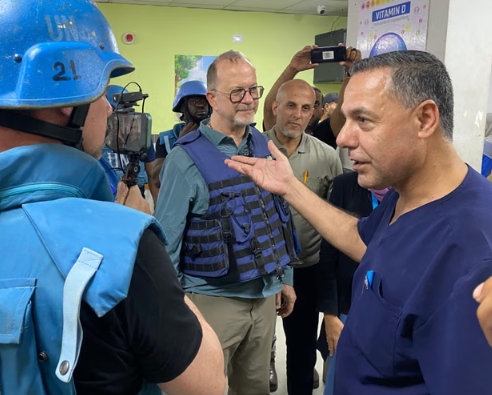
One of Gaza’s most prominent medical leaders now remains virtually unrecognisable following his brutal imprisonment. Hussam Abu Safiya suffers from severe physical injuries inflicted during his long ordeal in Israeli custody. The dedicated doctor faces a tangible danger to his life after eighteen months without any formal charge. Legal representatives met the physician on the second of July after a transfer to a secret facility. He struggled with breathing and speaking continuously during the brief meeting with his dedicated legal counsel. The doctor appeared so physically weak that he battled to remain upright in his plastic seating area. He seemed to be on the verge of losing consciousness throughout the entire duration of the visit. Nasser Odeh described his client as a broken man following this latest visit to the underground prison. Abu Safiya served as the director of Kamal Adwan hospital in northern Gaza before his sudden seizure. The medical professional told his legal team that he feared for his life every single day. He explicitly stated that his captors brought him there only to ensure his painful and lonely death. Physicians for Human Rights Israel joined other global organisations in calling for his immediate and safe release. The detention serves as part of a wider pattern of systemic Israeli attacks against healthcare across occupied lands. Milena Ansari from the human rights group noted the deliberate destruction of the right to public health.

The tragic death of a four-month-old Palestinian baby highlights the extreme crisis facing civilians across the region. Ahmad Maarouf Zaid passed away on Sunday after soldiers blocked his family from reaching a nearby ambulance. His desperate family carried the ill infant across difficult mountainous back roads to seek urgent medical care. This unfortunate detour delayed life-saving treatment by over an hour in the sweltering heat of the day. The reports of a newborn dying after delays at a military checkpoint should not be viewed separately. These events reflect a broader pattern where the conditions for human health are systematically dismantled by force. Abu Safiya stood as the face of heroic health workers struggling to treat patients throughout the long war. The authorities now hold him indefinitely alongside thousands of other Palestinian civilians within these dark, grim facilities. Israeli rights groups have described these locations as nothing more than brutal and violent modern torture camps.
The doctor moved from Ketziot prison to the notorious Ganot complex during the month of May this year. Authorities placed the medical leader in solitary confinement without offering any explanation to his worried legal team. Abu Safiya described a violent attack by guards using heavy metal hammers and large wooden police batons. This incident occurred shortly after he appeared via video link during a tense supreme court appeal hearing. He was moved to the Rakefet facility late in June where his health suffered a severe, dangerous decline. Nasser Odeh noted that the person he encountered was not the same man he had previously known well. The lawyer called for an immediate independent medical examination to assess the deep trauma on his broken body. The physical and psychological state of the doctor leaves no room for any doubt regarding his safety. He appears frightened and distressed while being unable to speak freely about his daily life inside prison. The doctor told his lawyer that he suffers from daily beatings inside the deep, dark Rakefet jail. He has lost consciousness several times due to these repeated and savage assaults by the prison guards today.
Rakefet was built in the eighties to hold dangerous organised crime figures before closing for being too inhumane. It was recently reopened under the specific orders of the far-right national security minister, Itamar Ben-Gvir, for use. Other Palestinian detainees held in this location reported choking sensations due to the lack of air in cells. The prison remains overcrowded and unventilated, causing extreme suffering for those trapped deep within the cold, concrete walls. An Israel prison service spokesperson claimed that the allegations made by the lawyer were false and entirely baseless. They refused to comment on the health status of the doctor by citing strict privacy rules for prisoners. The tragic death of baby Ahmad from Deir Ammar refugee camp was announced late on that same Sunday. The family waited years for this baby, who was born after a long series of successful IVF treatments. He remained a healthy infant for most of his short and precious life until the fever began suddenly.
The family called emergency services when he developed a high fever early on that difficult Sunday morning today. Medics sent an ambulance to the Ein Ayoub gate, which is the main route leading to the city. Israel has regularly barred vehicles including ambulances from driving through this specific crossing since the seventh of October. Residents can usually cross on foot, but the soldiers stopped the parents as they arrived at the gate. The military personnel fired teargas at people in the area and ignored the family’s desperate pleas for help. A video of this painful incident was shared widely across various social media platforms for the world’s view. This baby truly needed oxygen to survive the struggle for his very first breaths in this cruel world. His uncle stated that his life could have been saved if he reached the waiting ambulance and hospital. A spokesperson for the Israeli military denied blocking the family from crossing the gate to seek medical help today. The grieving uncle said that the circumstances of his nephew’s death compounded the family’s deep, lasting, and cold sorrow. There are no words to describe the pain of watching your own child die in your shaking arms. That is the ultimate suffering and the ultimate humiliation for a family just wanting to keep their child alive. The global community remains deeply concerned about the ongoing treatment of detainees and the wider civilian population in Gaza. These events continue to unfold with devastating consequences for families caught in the middle of a long, dark conflict. Peace and justice seem very far away for the people suffering under these very difficult and harsh conditions today.
Related News:
 Gambia Supreme Court Hears Case to Overturn FGM Ban
 Iran Death Toll Crisis Exposed: Bodies, Mass Graves, and Concealment
 Files Link Andrew to Epstein Dinner After Prison Release
 Thousands Protest ICE in New York Against Trump Deportation Campaign
 Concerns rise for Canberra boy amid Iran detention fears
 Brazilian Politician Brothers Sentenced for Marielle Murder
 Anthony Albanese Must Uphold Rights for All Australians
 Woman Executed in Somalia Sparks Debate on Justice System
 Uganda Crackdown: Two Women Arrested for Public Kissing
 Slovenia Election: A Nation at a Crossroads
 Police Seek Immunity in Indigenous Custody Death Case
 Manila Transport Crisis: Fuel Costs Hit Breaking Point
 UN Warns Israeli Death Penalty Bill Could Be a War Crime
 Spain Faces Backlash Over Xenophobic Chants in Egypt Draw
 A Global Voice For Justice: Stephen Lewis Dies At Age 88
 Artist Sues in Paris Over Israeli Strike Killing Parents
 Canadian Mother and Daughter Released From ICE Detention
 Bondi Nanny Adriana Rivas to Face Extradition to Chile
 Queensland Youth Justice Debate: The Data Behind the Law
 Gaza Child Arrives in UK for Life-Changing Care
 Brisbane Rideshare Driver Faces Serious Assault Charges
 Tragedy in the Channel as Four Lives Lost in Boat Sinking
 Kyiv and Odesa Mourn After Deadly Wave of Russian Strikes
 France Urges Release of Elderly Widow Held by ICE
 Trump Weighs Sending Afghan Allies to the Congo
 Prominent Voices Challenge Palestine Action Ban
 Standoff Over Syria: Australia Defies Trump Repatriation Plea
 Desperation in Odisha: A Brother’s Grim Bank Protest
 Activists allege abuse after Gaza flotilla seizure
 Australia Faces Rising Tide of Modern Antisemitism
 Security Failures and the Road to the Bondi Inquiry
 Mexico’s Missing: State Complicity in a Growing Crisis
 Nobel Laureates Demand Release of Activist Narges Mohammadi
 Plea for Mercy: The Battle to Bring Ahmed al-Doush Home
 Court Upholds Landmark Win for Transgender Rights
 Taliban Codifies Strict New Marriage and Divorce Legislation
 Israeli Strikes in Lebanon Kill 10 Amid Ceasefire Strain
 US judge dismisses Kilmar Abrego Garcia indictment
 Former ICC prosecutor condemns US sanctions
 Trump Faces Legal Blow Over Global Tariffs
 Silenced Stitches: The Cost of Memory in Hong Kong
 Vision Lost Amid the Rubble of Modern Conflict
 Controversial London Property Show Sparks Legal Fury
 US Supreme Court Rejects Trump Attack on Birthright Law
 Saudi Officials Report Zubaidi Flee Before Yemen Peace Talks
 US Senate rejects resolution limiting Trump military powers
 Gulf states warn Trump Iran strikes risk wider Middle East war
 Geopolitical football: Iran, Trump and the World Cup clash
 Shinzo Abe’s killer receives life sentence in Japan
 China General Under Investigation Amid Leadership Purge
 Abramovich Chelsea Sale Cash Faces Jersey Probe
 Yvette Cooper: UK Must Follow Principles, Not US Pressure
 Reform UK Pledges To Halt Visas Over Reparations Demands
 Starmer visits Gulf as US and Iran agree ceasefire
 Asylum Seekers Bound in Restraints During Removal Flights
 US and Iran Pursue Extension of Ceasefire via Pakistan
 Pakistan’s Ambitious Bid for Middle East Peace
 Israeli Soldiers Jailed Over Vandalism of Lebanese Statue
 Merz Criticises US Approach in Iran Conflict
 UK Envoy Sparks Controversy Over Special Relationship Claims
 US and Mexico Face Heatwave as Floods Batter South Africa
 Putin Signals War End as Russian Momentum Stalls
 Romania’s Judicial Crisis: A System Under Siege
 Philippine Senator Flees After Days Under Senate Siege
 ICC Arrest Warrant Threat Sparks West Bank Retaliation
 Tony Abbott Returns as New Liberal Party President
 US green card applicants must apply from abroad, DHS says
 Discontent grows around Putin amid war strain
 Global Tech Giants Face Off Against Australia Over Media Levies
 Ukraine Turning the Tide: Zelenskyy Reclaims the Initiative Against Isolated Russia
 Firearm Fine for Missing Boy’s Grandmother
 Tuchel’s England Mission Goes Beyond Football Success
 Historic Victory for Canada as They Defeat Nine-Man Qatar
 Trump’s Iran Legacy Hangs on Tehran Deal
 What Burnham in Number 10 Means for the Future of Britain
 Canada Secure Historic Last 16 Spot with Late Goal
 White House Moves to Limit Public Voice on Fossil Fuels
 Paraguay Shock Germany in Historic Penalty Shootout
 Haaland Heroics Send Norway Into Historic Last 16 Knockout
 China’s Pacific Missile Test Sparks Regional Alarm