Published: 04 June 2026. The English Chronicle Desk. The English Chronicle Online.
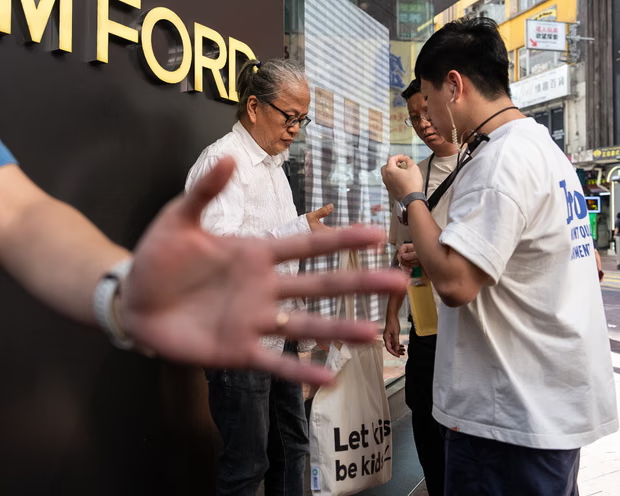
The shifting landscape of public expression in Hong Kong faced another somber test this week. A quiet artistic gesture transformed rapidly into a stark confrontation with local law enforcement. Sanmu Chen is a prominent local performance artist known for his evocative public works. He stepped into the bustling streets of Causeway Bay on Wednesday evening with a simple plan. His intention was to tie a symbolic red thread to a public street signpost. This district is historically significant as it sits adjacent to Victoria Park. For over three decades, that green space served as a beacon of collective remembrance. It was the traditional home of the city’s massive annual candlelight vigils. Those gatherings honored the individuals who died during the 1989 Tiananmen Square crackdown.
The artist chose the length of his vibrant red thread with meticulous precision. The string measured exactly six point four meters in its total physical length. This precise measurement served as a quiet reference to the fourth of June. That date remains one of the most politically sensitive days across the region. Plainclothes police officers intercepted Chen before he could secure the symbolic crimson thread. The officers quickly surrounded the artist and conducted a thorough search of his personal bag. They eventually permitted him to leave the area without enforcing a formal arrest. A waiting journalist later asked Chen about the deeper meaning behind his artistic gesture. The artist explained that his action was a simple way to express deep condolences. He felt a strong personal need to honor those who lost their lives.
The artist expressed profound discomfort regarding the heavy security presence during his performance. He noted that constant surveillance makes normal human expression feel entirely abnormal and tense. This encounter does not represent an isolated incident for the experienced performance artist. Authorities have intercepted or detained Chen at least twice during recent anniversary periods. Police detained him briefly last year after a highly symbolic public display. On that occasion, he used his bare hand to trace shapes in the air. Observers recognized the invisible air writing as specific numbers linked to the historical date. He faced a similar intervention by security forces the previous year as well. During that earlier incident, he loudly urged fellow citizens to conquer their fears. He called on people to remember the historical significance of the upcoming day.
The police presence remained remarkably high throughout the busy shopping district as darkness fell. Another local artist named Chan Mei-tung attempted her own quiet public demonstration nearby. She stood outside a popular department store while holding a single white balloon. The inflated balloon was carefully twisted into the distinct shape of a question mark. Security officers approached her almost immediately to halt her peaceful individual display. They escorted the young female artist directly back to a nearby subway station entrance. The local police department declined to offer immediate official comments regarding these incidents. Their silence highlighted the sensitive nature of policing public memory in the city. These quick interventions illustrate the rapidly diminishing space for alternative viewpoints in public.
The historical events behind these contemporary tensions trace back to the summer of 1989. Chinese military forces entered Tiananmen Square under the direct orders of Deng Xiaoping. Their primary mission was to end weeks of intense student-led democratic protests. Soldiers utilized live ammunition to clear the crowded public squares during that night. Estimates suggest that hundreds or possibly thousands of peaceful demonstrators lost their lives. The Chinese government also reported that dozens of military personnel died during clashes. The tragic events of that evening remain an intensely sensitive national topic. Discussion of the military crackdown is strictly censored within mainland Chinese borders today. Hong Kong stood as a unique exception to this strict rule for decades.
The former British colony remained the only Chinese territory to permit massive commemorations. The annual Victoria Park vigils regularly attracted tens of thousands of emotional participants. People gathered to light small white candles and sing traditional songs of remembrance. Local authorities officially banned these massive public gatherings for the first time in 2020. Officials utilized strict public health regulations during the global pandemic to justify restrictions. The political environment transformed permanently later that same year through new legislative measures. The central government in Beijing officially imposed a sweeping national security law. This legislation followed months of massive and occasionally violent anti-government protests in 2019.
The implementation of the new legal framework altered the social fabric of Hong Kong. Authorities have utilized the legislation to systematically silence political dissent across the territory. Numerous prominent pro-democracy activists have faced arrest and lengthy detentions since its passage. Several vocal independent media organizations chose to close down under immense legal pressure. Dozens of active civil society groups made the difficult decision to disband completely. This wave of closures included the specific alliance that organized the annual vigils. The legal consequences for past activism continue to unfold in local courts today. Three former organizers of the traditional vigils faced serious subversion charges in 2021.
Two of these prominent organizers recently completed their formal trials in high court. They are currently waiting to receive an official judicial verdict next month. A conviction under the national security law carries a maximum sentence of ten years. The third individual chose to enter a formal guilty plea to the charges. This legal strategy typically results in a standard reduction of the final sentence. Both the Hong Kong administration and the Beijing government defend these strict measures. Officials maintain that the national security law remains vital for ensuring economic stability. They argue the law contains specific provisions to safeguard fundamental human rights locally.
The ongoing restrictions have attracted significant attention and criticism from prominent international leaders. US Secretary of State Marco Rubio offered formal comments regarding the current anniversary. Rubio stated firmly that no amount of official censorship can erase historical truth. He expressed confidence that those who sacrificed for free expression will be vindicated. The senior American diplomat praised the courage of the original 1989 student protestors. He noted they sought basic democratic reforms and greater official accountability for corruption. His official statement emphasized a continued international commitment to honoring their historical legacy.
The timing of these diplomatic remarks adds another layer of complexity to global affairs. Rubio issued his statement shortly after a high-profile international political event in Beijing. President Donald Trump completed a significant diplomatic summit with Chinese President Xi Jinping. This meeting occurred less than three weeks before the sensitive historical anniversary arrived. The interaction between these global superpowers highlights the delicate balance of international diplomacy today. Trade agreements and economic partnerships often compete directly with universal human rights concerns. The quiet actions of artists like Chen remind the world of these ongoing tensions. A simple red thread continues to carry a massive weight of historical memory.
Related News:
 Gambia Supreme Court Hears Case to Overturn FGM Ban
 Iran Death Toll Crisis Exposed: Bodies, Mass Graves, and Concealment
 Files Link Andrew to Epstein Dinner After Prison Release
 Thousands Protest ICE in New York Against Trump Deportation Campaign
 Concerns rise for Canberra boy amid Iran detention fears
 Brazilian Politician Brothers Sentenced for Marielle Murder
 Anthony Albanese Must Uphold Rights for All Australians
 Woman Executed in Somalia Sparks Debate on Justice System
 Uganda Crackdown: Two Women Arrested for Public Kissing
 Slovenia Election: A Nation at a Crossroads
 Police Seek Immunity in Indigenous Custody Death Case
 Manila Transport Crisis: Fuel Costs Hit Breaking Point
 UN Warns Israeli Death Penalty Bill Could Be a War Crime
 Spain Faces Backlash Over Xenophobic Chants in Egypt Draw
 A Global Voice For Justice: Stephen Lewis Dies At Age 88
 Artist Sues in Paris Over Israeli Strike Killing Parents
 Canadian Mother and Daughter Released From ICE Detention
 Bondi Nanny Adriana Rivas to Face Extradition to Chile
 Queensland Youth Justice Debate: The Data Behind the Law
 Gaza Child Arrives in UK for Life-Changing Care
 Brisbane Rideshare Driver Faces Serious Assault Charges
 Tragedy in the Channel as Four Lives Lost in Boat Sinking
 Kyiv and Odesa Mourn After Deadly Wave of Russian Strikes
 France Urges Release of Elderly Widow Held by ICE
 Trump Weighs Sending Afghan Allies to the Congo
 Prominent Voices Challenge Palestine Action Ban
 Standoff Over Syria: Australia Defies Trump Repatriation Plea
 Desperation in Odisha: A Brother’s Grim Bank Protest
 Activists allege abuse after Gaza flotilla seizure
 Australia Faces Rising Tide of Modern Antisemitism
 Security Failures and the Road to the Bondi Inquiry
 Mexico’s Missing: State Complicity in a Growing Crisis
 Nobel Laureates Demand Release of Activist Narges Mohammadi
 Plea for Mercy: The Battle to Bring Ahmed al-Doush Home
 Court Upholds Landmark Win for Transgender Rights
 Taliban Codifies Strict New Marriage and Divorce Legislation
 Israeli Strikes in Lebanon Kill 10 Amid Ceasefire Strain
 US judge dismisses Kilmar Abrego Garcia indictment
 Former ICC prosecutor condemns US sanctions
 Trump Faces Legal Blow Over Global Tariffs
 Saudi Officials Report Zubaidi Flee Before Yemen Peace Talks
 UK Targets in New York Bomb Threat Hoax: Man Jailed
 Trump targets Iran trade with 25% tariff warning
 US Senate rejects resolution limiting Trump military powers
 Gulf states warn Trump Iran strikes risk wider Middle East war
 Geopolitical football: Iran, Trump and the World Cup clash
 Shinzo Abe’s killer receives life sentence in Japan
 China General Under Investigation Amid Leadership Purge
 Ukraine Sends Drone Experts to Defend US Bases in Jordan
 Abramovich Chelsea Sale Cash Faces Jersey Probe
 Yvette Cooper: UK Must Follow Principles, Not US Pressure
 Trump Slams Europe as Transatlantic Tensions Boil Over
 Hope and Fear as Iranians Flee Across the Turkish Border
 Reform UK Pledges To Halt Visas Over Reparations Demands
 Starmer visits Gulf as US and Iran agree ceasefire
 Asylum Seekers Bound in Restraints During Removal Flights
 Trump Signals Hope for New Iran Talks as Ceasefire Fades
 US and Iran Pursue Extension of Ceasefire via Pakistan
 Pakistan’s Ambitious Bid for Middle East Peace
 Israeli Soldiers Jailed Over Vandalism of Lebanese Statue
 Merz Criticises US Approach in Iran Conflict
 UK Envoy Sparks Controversy Over Special Relationship Claims
 Ukraine Urges UK to Seize Russian Oil Tankers
 The Billionaire’s Secretary and the £1m Fraud
 Ukraine strikes Tuapse as oil disaster worsens
 Three Australian Women Detained Over Islamic State Links
 Immigration Judges Fear Pressure in Trump Era
 US and Mexico Face Heatwave as Floods Batter South Africa
 French Patient Told Hantavirus Was Just Anxiety
 Putin Signals War End as Russian Momentum Stalls
 Romania’s Judicial Crisis: A System Under Siege
 Philippine Senator Flees After Days Under Senate Siege
 Alberta Separatist Bid Blocked by Canadian Court
 Big Tobacco Under Fire Over Controversial New Ad Campaign
 Liberal Senator Criticises Immigration Rhetoric
 Senate Moves to Restrict Trump’s War Powers on Iran
 ICC Arrest Warrant Threat Sparks West Bank Retaliation
 Tony Abbott Returns as New Liberal Party President
 US green card applicants must apply from abroad, DHS says
 Discontent grows around Putin amid war strain