Published: 22 August 2026. The English Chronicle Desk. The English Chronicle Online
More than 100 former British and French diplomats have called on the governments of the United Kingdom and France to take urgent measures against Israel, warning that the prospects for an independent Palestinian state are being systematically destroyed.
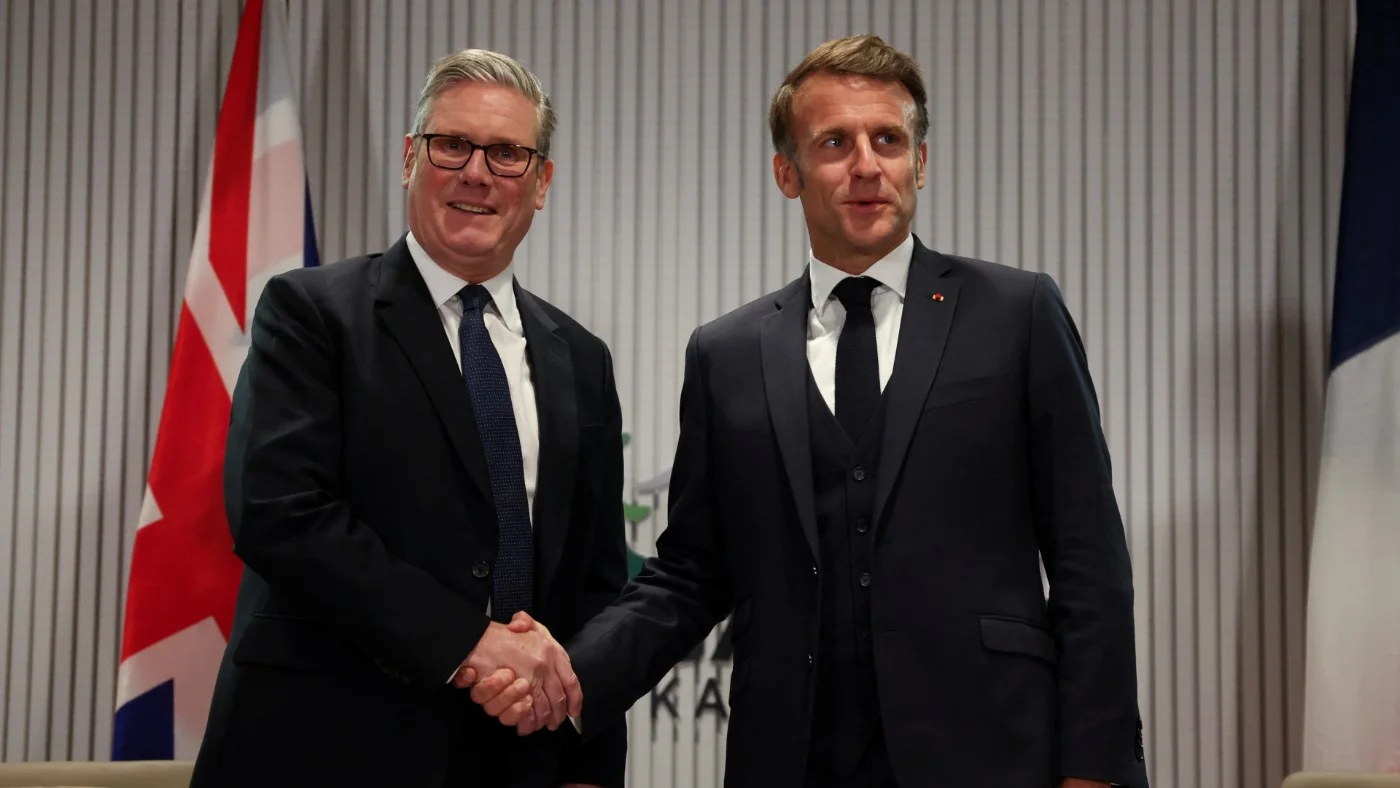
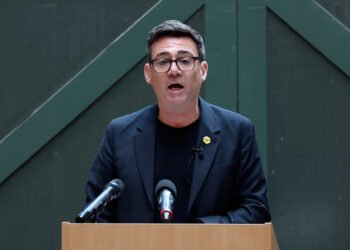
In an unprecedented joint letter addressed to British Prime Minister Andy Burnham and French President Emmanuel Macron, 52 former French diplomats and 50 former British ambassadors accused Israel of pursuing policies they described as ethnic cleansing and the destruction of Palestinian territory. They urged London and Paris to move beyond diplomatic statements and introduce economic, military and legal measures designed to pressure Israel into accepting a viable Palestinian state.
The signatories include senior former diplomats who served in some of the Middle East’s most important diplomatic posts. Among the British signatories are former ambassadors to the United Nations Jeremy Greenstock and Emyr Jones Parry, as well as Edward Chaplin, a former Foreign Office director responsible for the Middle East. French signatories include Patrice Paoli, a former Middle East director at the French foreign ministry, and Stanislas de Laboulaye, who previously served as France’s consul general in Jerusalem.

The former diplomats argue that Britain and France carry a particular responsibility because of their historic involvement in shaping the modern Middle East. Both countries also recognised Palestine as a state in 2025, a decision that the signatories say now needs to be accompanied by practical measures to protect Palestinian self-determination.
The letter comes amid renewed international concern over Israeli settlement expansion in the occupied West Bank and the continuing humanitarian crisis in Gaza. Britain, France and nine other countries recently condemned the publication of construction tenders for the E1 settlement project, warning that the proposed development could undermine the prospects of a two-state solution.
The E1 project involves plans for around 1,200 homes in an area that would effectively divide parts of the West Bank. Critics argue that construction in the area could make the creation of a contiguous Palestinian state increasingly difficult.
British Foreign Secretary Ed Miliband has described the settlement plans as a serious threat to the viability of a two-state solution. The British government has also summoned Israel’s senior diplomatic representative in the UK over the issue.
Israel has rejected the criticism and defended the rights of Jewish Israelis to live throughout the country. Israeli Foreign Minister Gideon Sa’ar has said Israel would not remain passive in response to international pressure.
The former diplomats now want Britain and France to move further by imposing specific consequences. Their proposed measures include suspending trade agreements, restricting arms transfers, ending certain forms of military cooperation and banning commercial activity connected to Israeli settlements.
They argue that diplomatic condemnation alone has failed to prevent the expansion of settlements or the deterioration of conditions for Palestinians. According to the signatories, stronger economic and political pressure is necessary if the international community is serious about preserving the possibility of a negotiated two-state settlement.
The former diplomats also called for Britain and France to support unrestricted humanitarian access to Gaza. They said aid should be delivered through United Nations agencies and international humanitarian organisations and that journalists, diplomats and parliamentarians should be permitted access to the territory.
The letter’s authors describe the humanitarian situation in Gaza as catastrophic. They claim that around two million Palestinians have been confined to a heavily damaged part of the territory, with shortages of food, medicine and housing continuing despite the existence of a ceasefire.
They also highlighted developments in East Jerusalem and the wider West Bank, where they said house demolitions and settler violence were contributing to the displacement of Palestinians. The signatories characterised these developments as ethnic cleansing and warned that the continued expansion of settlements could permanently undermine the possibility of Palestinian statehood.
The diplomats also extended their criticism beyond Gaza and the West Bank, arguing that Israeli military actions and destruction in parts of Lebanon and Syria were contributing to a wider regional crisis.
At the same time, the former officials acknowledged the attacks carried out by Hamas on 7 October 2023, describing the group’s actions as heinous crimes. However, they argued that those attacks could not justify the scale of destruction and suffering experienced by Palestinians.
They also criticised Israeli Prime Minister Benjamin Netanyahu’s emphasis on military strength and security, arguing that a policy centred on force could ultimately make Israel less secure by reducing the prospects for negotiations.
The letter reflects growing disagreement among Western diplomats over how governments should respond to the Israeli-Palestinian conflict. While Britain and France continue to emphasise Israel’s security alongside Palestinian rights, some former officials believe the situation now requires governments to use economic and diplomatic leverage more aggressively.
One of the most significant demands concerns the existing trade relationships between Israel and Europe. The former diplomats want the European Union-Israel association agreement suspended over alleged breaches of human rights obligations. They also want the UK-Israel trade and partnership agreement suspended on similar grounds.
The signatories further called for the suspension of arms transfers to and from Israel and an end to bilateral military cooperation. Such measures would represent a substantial escalation from diplomatic criticism and could place additional pressure on the British and French governments to define the consequences of Israeli policies.
Another major proposal involves trade with Israeli settlements. The former diplomats want Britain and France to prohibit commercial activity connected with settlements, including the sale of goods, investment, insurance and financial services.
They specifically highlighted the proposed E1 settlement project. The diplomats want potential companies and investors to be warned that involvement in settlement construction or financing could expose their commercial interests in Britain and France to legal or financial consequences.
They also called for British and French citizens to be prevented from purchasing property on what the signatories describe as Palestinian land taken through settlement activity. In addition, they proposed removing charitable status from organisations that financially support settlements.
The letter does not place all responsibility for the conflict on Israel. The former diplomats also argued that Palestinian political institutions need substantial reform. They said Palestinians must ensure that their future state is democratic, accountable and committed to international law.
The signatories called for Gaza and the West Bank to be politically, administratively and economically reunited. They also criticised the current Palestinian political leadership as unrepresentative and dysfunctional and said upcoming Palestinian elections should provide an opportunity for democratic renewal.
Their central argument, however, is that Palestinian reform cannot succeed if Israel continues policies that prevent the creation of an independent Palestinian state.
The appeal comes at a politically sensitive moment for both Britain and France. Their governments have attempted to balance relations with Israel, concern for Israeli security and growing public pressure over the humanitarian situation affecting Palestinians.
Diplomatic efforts over the future of Gaza have also become increasingly complicated. Negotiations involving the United States have attempted to establish a broader framework for ending the conflict and determining the territory’s future. Israel has rejected the latest US-led peace proposal, while several Muslim-majority countries have criticised Israeli actions as damaging to wider efforts to achieve a lasting settlement.
The political situation in Israel is another factor. Israeli politics are moving towards elections scheduled for October, and some diplomats have privately debated whether Netanyahu’s military and political decisions are partly influenced by domestic electoral considerations.
The former diplomats’ intervention is therefore intended to increase pressure on Western governments at a moment when the international debate over Israel and Palestine is becoming increasingly polarised.
Their letter represents the views of former officials rather than current British or French government policy. Nevertheless, the breadth of the signatories reflects growing concern among experienced diplomats who have spent much of their careers dealing with the Middle East.

The Israeli embassy in London was contacted for a response to the allegations and demands contained in the letter.
For Britain and France, the challenge will be determining whether stronger measures can influence Israeli policy without closing channels of diplomacy or damaging their ability to engage with Israel on regional security issues.
The former diplomats believe the cost of inaction could be far greater. They argue that if settlement expansion, displacement and the destruction of Palestinian infrastructure continue unchecked, the possibility of a negotiated two-state solution could disappear altogether.
Their intervention therefore places renewed focus on whether international recognition of Palestine can be translated into meaningful political action. For the signatories, recognition alone is no longer sufficient. They want Britain and France to use their economic, diplomatic and political influence to protect the possibility of Palestinian self-determination before it becomes impossible to achieve.
Related News:
 UK Prepares Aircraft Carrier for Middle East Crisis
 Yvette Cooper: UK Must Follow Principles, Not US Pressure
 Global order shifts amid Trump-era turmoil
 Middle East Crisis Escalates as Oil Routes Shake Markets
 Tensions Emerge in Netanyahu-Trump Alliance
 Former ICC prosecutor condemns US sanctions
 Houthis Strike Saudi Arabia as Middle East Tensions Rise
 Trump Calls Strait of Hormuz ‘American Territory’
 Trump Faces Iran War Crisis Before Midterm Vote
 British Woman in Iran ‘Losing Hope’ Amid Ongoing Detention
 BBC Journalist Held and Interrogated in Vietnam
 BBC director-general and news chief resign amid bias row
 Rama Rebukes Mahmood for Targeting Albanian Families
 Russian Vessel Used Lasers on RAF Pilots, UK Claims
 Machado Trump medal gesture reshapes Venezuela power struggle
 Iran unrest slows under brutal crackdown and global tensions
 UK Presses On With Chagos Handover Despite Trump Criticism
 Shinzo Abe’s killer receives life sentence in Japan
 Starmer China visit raises human rights pressure on Beijing
 UK and EU Signal Fresh Push for Defence Cooperation Talks
 Thousands Protest ICE Operations in Nationwide US Day of Action
 Epstein Files Reveal Trump Officials’ Emails with Financier
 Thousands Protest ICE in New York Against Trump Deportation Campaign
 Starmer Condemns ‘Depraved’ Russian Strikes on Ukraine
 Sydney Protest Pepper Spray Clash During Herzog Visit
 Trump and Chagos Deal Rift Over Iran Strikes
 Andrew Mountbatten-Windsor Arrest After FBI Radar
 Farage Chagos Islands Row Sparks Fury
 Trump Tariffs Threat Spark UK and EU Alarm
 Middle East Flights Halted After Iran Strikes
 Trump Rebukes Starmer Over Iran Strikes Row
 Thousands Protest Iran Strikes Outside US Embassy London
 US Bombers Arrive at RAF Base Amid Rising Iran Tensions
 Ukraine war briefing: Zelenskyy offers help to Saudi Crown prince on combatting Iranian drones
 Mojtaba Khamenei Chosen as Iran’s New Supreme Leader
 Tehran Oil Depot Strikes Darken City With Toxic Smoke
 Mojtaba Khamenei Supporters Rally as Iranians Fear Repression
 HMS Dragon to Head to Cyprus Amid Rising Tensions
 Iran Defiance Grows Amid US-Israel War Pressure
 Hormuz Crisis Sparks Global Oil Market Fears
 Iranian Exile Factions Seek US Backing for Iran’s Future
 Injured Mojtaba Khamenei Elevated as Iran Leader
 Gordon Brown urges court for crimes against children
 Starmer Praised for Stance on Trump and Iran Conflict
 Trump Iran War Stance Hardens as Conflict Widens
 UK Minister Denies Iran Missile Threat to Britain
 Saudi Arabia Urging US to Keep Up Iran Attacks
 Army Probes Apache Flyover at Kid Rock’s Nashville Estate
 Trump Mocks Starmer and UK Carriers in White House Speech
 Relationship with Trump may be beyond repair, Starmer warned
 Iran Crisis Tests Trump’s Global Leadership
 US and Iran Pursue Extension of Ceasefire via Pakistan
 Charles Faces Trump Test in High-Stakes US Visit
 UK Stands Firm on Falklands Amid US Rift
 US Calls Australia Media Law “Foreign Extortion”
 Oil Prices Surge Above $120 Amid Iran Blockade Fears
 Trump orders US troop pullout from Germany
 Activists allege abuse after Gaza flotilla seizure
 Australia pushes Pacific security pact amid China tension
 Ceasefire Standoff Deepens in Ukraine War
 Koh-i-noor Diamond Row Reignites Colonial Debate
 Starmer Faces Revolt After Crushing Election Losses
 Fear and Betrayal: The Chilling Case of Kouri Richins
 Tragedy in the Maldives: Inside the Deep Sea Rescue
 US Ebola Case Sparks Urgent Global Screening Measures
 Israeli Strikes in Lebanon Kill 10 Amid Ceasefire Strain
 UK Pushes for New EU Goods Trade Deal
 Reeves Fights to Keep Treasury Role Amid Labour Turmoil
 UK Urged to Build EU Rejoin Consensus, Says Miliband
 Discontent grows around Putin amid war strain
 Trump Claims Iran Peace Deal Near Completion
 Farage and Reform UK Reshape British Politics
 Starmer Leadership Under Pressure After Setbacks
 Deadly Russian Air Raids Strike Across Ukraine
 Grief and Devotion Amidst the Rubble of Nabatieh
 Iran Prepares for Massive Six-Day Funeral for Khamenei
 New South Wales Premier Chris Minns Signals Tough Road Ahead for Labor
 Iran Mourns: Millions at Khamenei’s Final Procession
 Labour MPs Urge Burnham to Revive UK Aid Target
 Russian Missiles Intensify Pressure on Kyiv