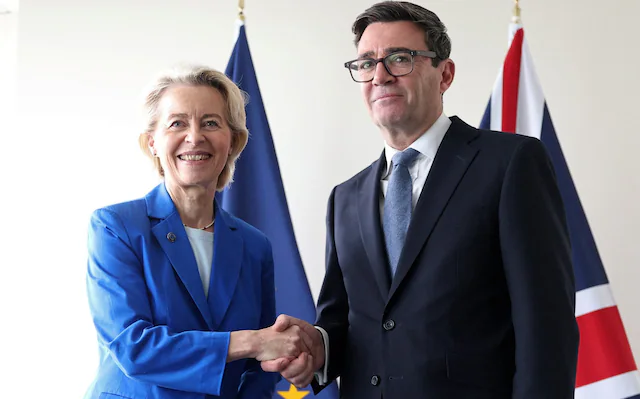
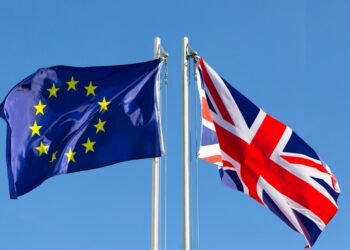
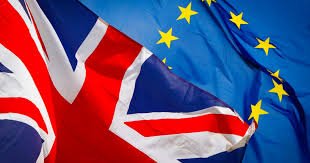
The United Kingdom and the European Union are moving closer to a significant agreement to reset their post-Brexit relationship, following provisional compromises on youth mobility, university tuition fees and food and agricultural trade. The negotiations, which continued late into Thursday night ahead of a major summit in Brussels, have raised expectations that both sides could reach an agreement capable of reshaping economic and political relations between Britain and Europe.
One of the most significant developments is an agreement in principle to allow up to 100,000 European Union citizens to enter the United Kingdom annually under a proposed youth mobility scheme. The arrangement represents a substantial concession from the British government, which had previously sought a considerably lower annual limit of between 50,000 and 80,000 participants. The revised proposal is intended to create greater opportunities for young people to travel, work and gain professional experience across borders.

The proposed arrangement will also allow young British citizens to participate in similar opportunities across EU member states. Their annual quota is expected to match the number of European participants, although individual countries may offer additional places depending on their national arrangements. Germany, for example, has indicated a willingness to accept unlimited numbers of British participants each year.
The age limit for participation has also been adjusted. Under the emerging agreement, the maximum eligible age will increase from 30 to 31, giving young people an additional year to benefit from the programme. The scheme is expected to provide opportunities for cultural exchange, professional development and temporary employment, particularly for people who have faced additional barriers to travelling and working abroad since Brexit.
Another important breakthrough concerns university tuition fees, which had emerged as a potentially serious obstacle to the negotiations. European representatives had initially pushed for EU students attending British universities to receive home-fee treatment rather than paying higher international tuition charges. However, the British government strongly resisted a commitment to introduce the same fee arrangements that apply to domestic students.
The disagreement was eventually addressed through a compromise reached shortly before 10pm on Thursday. According to people familiar with the negotiations, the EU agreed to remove the specific tuition-fee requirement from the main declaration, allowing further discussions to take place over the following six months through a supplementary agreement.
The arrangement leaves the precise financial position of European students unresolved. Nevertheless, postponing the issue has helped prevent the disagreement from undermining the wider negotiations. Both sides appear willing to continue discussions rather than allow a single contentious issue to derail a broader political and economic agreement.
Food and agricultural trade remains another major area of negotiation. The British government is particularly interested in securing an agreement that reduces unnecessary barriers to exporting agricultural products and food items to European markets. Businesses have faced additional paperwork, regulatory requirements and border-related complications since the UK left the European Union.
A proposed sanitary and phytosanitary agreement, commonly known as an SPS agreement, is expected to play a central role in addressing these difficulties. It would bring British rules on food safety, animal health and plant health closer to European standards, potentially reducing inspections and administrative requirements for businesses trading across the Channel.
However, negotiations over Britain’s involvement in future European rule-making have proved particularly difficult. London initially demanded a formal voting role in certain decisions concerning food and agricultural standards. France strongly opposed the proposal, arguing that a country outside the European Union should not receive voting rights in the development of EU legislation.
The British government subsequently moved away from that demand, accepting a compromise under which the UK would be consulted on new European food regulations. The precise level of consultation and Britain’s practical involvement in relevant working groups will require further clarification.
The disagreement reflects a wider challenge facing the post-Brexit relationship. Britain wants to regain closer access to European markets while maintaining its position outside the EU’s political institutions. European leaders, meanwhile, are seeking to protect the integrity of their regulatory system and ensure that non-member countries do not receive decision-making privileges reserved for member states.
Under the emerging SPS framework, the UK is expected to align dynamically with relevant EU regulations. This means Britain would generally follow changes to European rules in the agreed areas if it wants to retain the benefits of closer market access. Although the country would have opportunities to express its views, it would not have the same decision-making authority as EU members when new legislation is drafted.
European diplomats have described the negotiations as particularly challenging because member states have different positions on how much influence Britain should receive. France has been viewed by several European representatives as one of the strongest opponents of granting the UK greater involvement in food and agricultural policy discussions. However, the French government has rejected the suggestion that it alone has prevented progress, maintaining that only a limited number of member states supported accommodating Britain’s demands.
The wider agreement is expected to include three major arrangements that could contribute to Britain’s economic growth. According to estimates associated with the proposed agreements, the package could add approximately 0.4 per cent to British gross domestic product over time. The food and drink agreement is particularly important because it fulfils a commitment made in the Labour Party’s election manifesto to rebuild economic cooperation with European partners.
The proposed agricultural arrangement is expected to enter into force on 1 March 2028, although its implementation will depend on the completion of negotiations and the necessary legal procedures. If successfully implemented, it could provide greater certainty for British farmers, food producers, exporters and European trading partners.
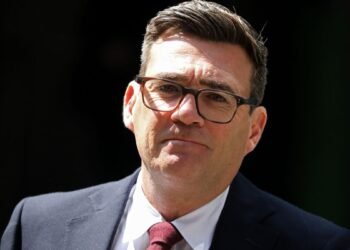
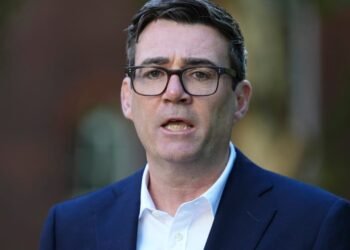
British Prime Minister Andy Burnham has defended the government’s approach, describing closer cooperation with Europe as an opportunity to improve living standards and strengthen the economy. Speaking ahead of the Brussels summit on Friday, he said Britain and Europe were stronger together and argued that the success of the negotiations should be measured by their practical benefits for ordinary people.
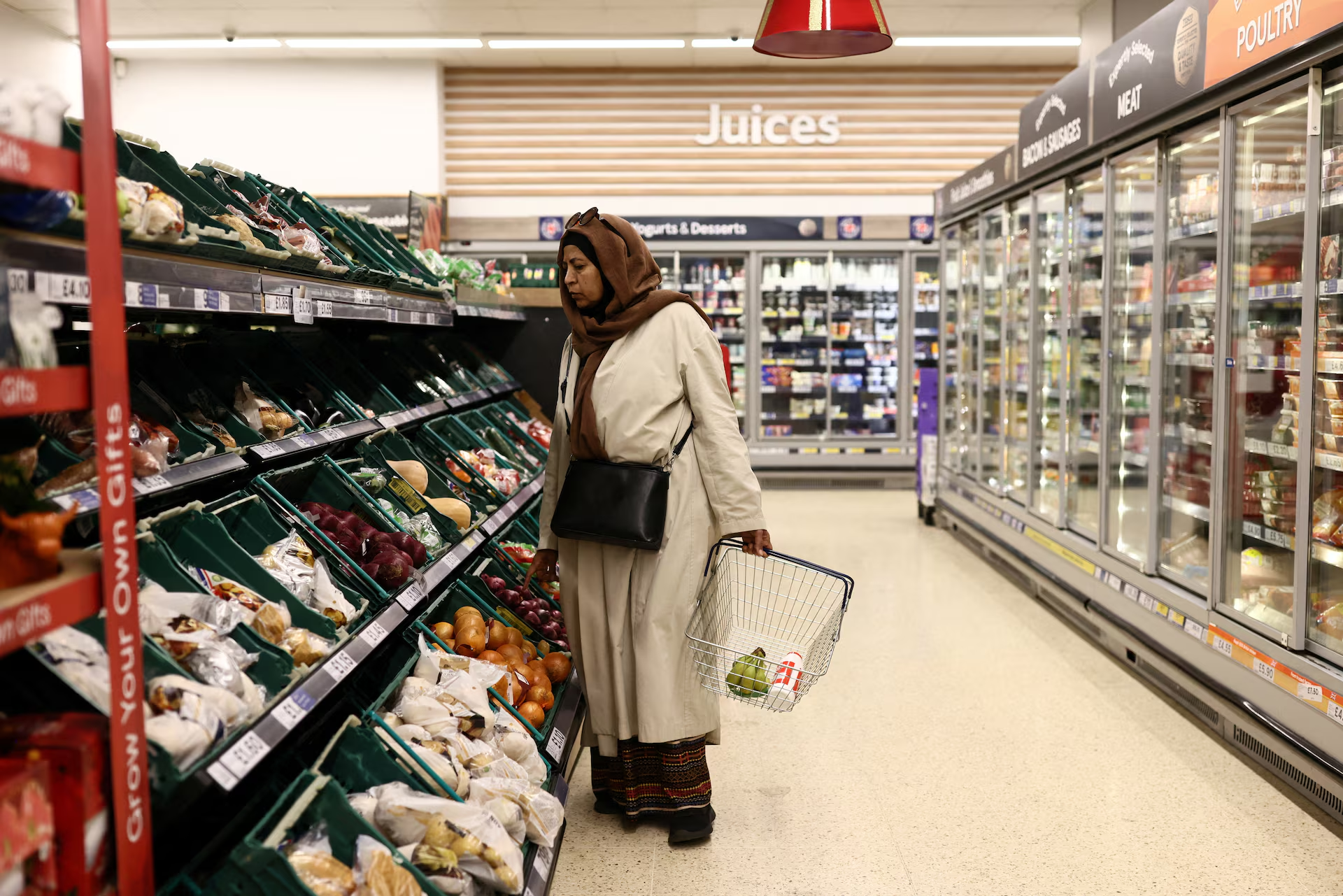
Burnham has emphasised that the government wants to reduce business costs, help keep supermarket prices under control and create additional opportunities for young people. His administration believes that improving trade arrangements and reducing unnecessary regulatory barriers could support economic activity while strengthening Britain’s international relationships.
However, the government’s approach has attracted criticism from political opponents. Reform UK leader Nigel Farage described the negotiations as a betrayal, arguing that the government was gradually moving Britain towards a closer relationship with the European Union without openly addressing the long-term implications.
Farage suggested that the agreements could eventually lead to a wider political debate about whether Britain should rejoin the EU. Nevertheless, he acknowledged that a deal on agricultural standards could make trading conditions somewhat easier for British food exporters.
The negotiations also carry political significance for Burnham, who has made rebuilding relations with European partners a central element of his government’s economic strategy. A successful summit could strengthen his position domestically by demonstrating that closer international cooperation can deliver practical economic benefits. However, expectations are high, and any failure to secure meaningful concessions could expose the government to criticism from both supporters and opponents of its European policy.
The British government has indicated that, if an agreement is reached, it intends to introduce legislation known as the Cutting Costs Bill to Parliament the following week. The legislation is expected to support the implementation of elements of the proposed reset and advance the government’s domestic economic objectives.
The summit also represents an important stage in determining the future direction of UK-EU relations. Rather than arranging repeated smaller reset meetings, Burnham’s spokesperson suggested that the two sides could move towards discussions about a more comprehensive and stable long-term relationship after Friday’s summit.
Such discussions could eventually include different models of economic cooperation, including the possibility of closer participation in the European single market. However, no decision has been made to pursue that route, and significant political and regulatory questions would need to be resolved before any major change could take place.
For businesses, students, workers and ordinary consumers, the emerging agreements could mark an important shift after years of uncertainty surrounding Britain’s departure from the European Union. Easier agricultural trade, improved opportunities for young people and renewed political cooperation could gradually reduce some of the practical difficulties created by Brexit.

Nevertheless, important details remain unresolved, particularly concerning university fees, regulatory consultations and the precise arrangements governing future trade. The success of the proposed reset will ultimately depend not only on political declarations but also on how effectively the agreements are implemented.
As negotiations approach their conclusion, both London and Brussels face the challenge of balancing political differences with shared economic interests. The emerging compromises suggest that neither side wants previous disagreements to prevent a more constructive relationship. Whether the agreement delivers lasting benefits for Britain and the European Union will become clearer as the remaining negotiations are completed and the proposed arrangements move towards implementation.
Related News:
 UK Pushes for New EU Goods Trade Deal
 Reeves Fights to Keep Treasury Role Amid Labour Turmoil
 Exeter Approves Saudi Military Training Partnership
 Green Leader Targets Starmer’s Former Seat
 Argentina to file criminal charges over Falklands oil drilling
 UK plans tougher Israel stance with settlement trade ban
 Burnham Leaves Door Open to Future Brexit Reversal
 Tony Blair Calls for Britain to Rejoin EU Within a Decade
 Burnham Opens Door to Possible UK Return to EU
 Report Urges UK to Rethink Overseas Military Spending
 France Urges UK to Consider Returning to EU
 Milburn Proposes Pre-Apprenticeship Route for Young People
 UK Urges Interpol to Reject Argentina’s Falklands Arrest Requests
 UK Rejects EU Pressure to Impose Tariffs on China
 UK Could Rejoin EU Through a Switzerland Plus Deal
 Brexit Debate Returns as UK Voters Reconsider EU Exit
 UK Plans Higher Training Costs for Older Apprentices
 UK-EU Youth Mobility Scheme Delayed Over Fee Row
 Older Worker Training Plan Faces Business Backlash
 UK Aid Set to Fall Short of Reduced 2027 Target
 Brexit Deal Not Good Enough for Britain, Burnham Says
 MPs Urge UK to Write Off Most British Council Debt
 Denmark Seeks EU-Wide Ban on Fast-Growing Turbo Chickens
 Australia Reviews UK Visa Rules Amid Worker Influx
 UK Parliament Faces Risk of Notre Dame-Style Fire
 UK Apologises to Ukrainian Refugees Over Russian GCSE
 UK Review Urges Jobs Revolution for Disabled Youth
 UK Employers to Be Forced to Publish Job Salaries
 Burnham’s Christmas Homelessness Pledge Faces Uncertainty
 TUC Chief Urges Major Investment to Tackle UK Youth Jobs Crisis
 Argentina Threatens UK Oil Boss with Jail Over Falklands
 Burnham Says Brexit Has Failed, Pledges New EU Deal
 Burnham Unveils Major Plan to Tackle Youth Unemployment
 Badenoch Shifts Tory Focus Away From Brexit Debate
 Trump’s UK Ambassador Urges North Sea Drilling to Strengthen US Ties
 Millionaires group urge Reeves to introduce wealth tax to ‘lift kids out of poverty’
 Canada Passes Carney’s First Budget in Tight Parliamentary Vote
 Starmer Says Labour’s Economic Plan Needs Years to Deliver
 City & Guilds pay surge sparks backlash amid £22m cuts
 UK shelves £110m border project amid trade strain
 Trump Tariffs Threat Spark UK and EU Alarm
 Gordon Brown urges court for crimes against children
 Army Probes Apache Flyover at Kid Rock’s Nashville Estate
 Relationship with Trump may be beyond repair, Starmer warned
 UK Stands Firm on Falklands Amid US Rift
 Oil Prices Surge Above $120 Amid Iran Blockade Fears
 Silent Tracks: Rail Line Without Passengers
 Farage and Reform UK Reshape British Politics
 Burnham unveils £65m drought aid for farmers
 Unions Warn Labour Over Zero-Hours Contract Reforms
 Former Diplomats Urge UK and France to Act on Palestine
 Ghent Professors Questioned Cofnas Appointment
 Bayeux Tapestry Revives Franco-British Ties
 Trump Calls Iran War ‘Small Potatoes’ Despite US Deaths
 Swedish Mining Push Puts Sami Land Rights Under Pressure
 Trump Threatens EU With Tariffs Over Canada Proposal
 Tom Watson Takes Senior Role at Palantir
 MPs Defend UK Economic Watchdog Against Critics
 Xi urges Trump to avoid US-China military conflict
 The Tests Awaiting Andy Burnham After Labour Conference
 UK University Strikes Spread as Financial Pressure Grows
 Badenoch Raises Prospect of 2027 UK Election
 French School Protests Escalate as 400 Schools Close
 France Schools Protests Draw 250,000 as Police Clash
 South Korea Probes Fuel Shipments to Russia
 Houthi Missile Claim Sparks Riyadh Airport Disruption
 Trump’s Russian Diesel Deal Sparks Ukraine Fury
 Brazil Court Scandal Threatens Lula as Bolsonaros Rise
 Up to 20 English Maternity Units Face Possible Closure
 UK Borrowing Hits £24.5bn Ahead of Healey’s Budget
 Middleton Revitalisation Blueprint for UK Towns
 Labour MPs Urge Burnham to Lead UK Reindustrialisation
 UK Land Registry Plan Faces Opposition From Landowners
 Trump’s Global Policies Put Republicans at Risk
 King Charles Faces Reparations Protests at Antigua Summit
 James Talarico Makes History with Texas Senate Victory
 Labor Minister Defends Chalmers Amid Budget Tensions
 US Treasury Chief Moves to Military Base Over Iran Threat
 Zelenskyy Sees Peace Opportunity as US Envoys Meet Putin
 Bank of England Faces £160m Renovation Challenge