Published: 30 September 2026. The English Chronicle Desk. The English Chronicle Online
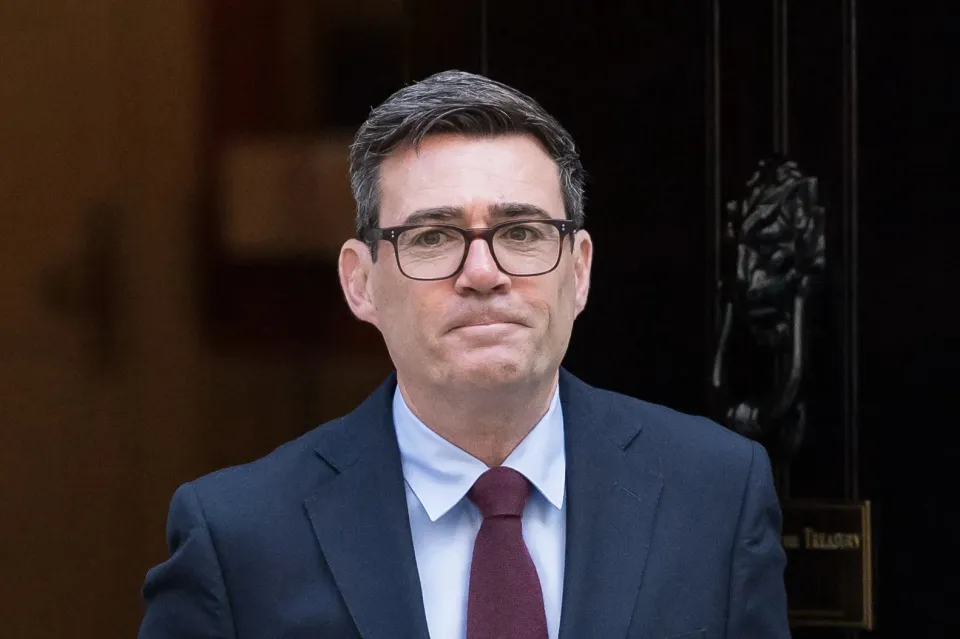
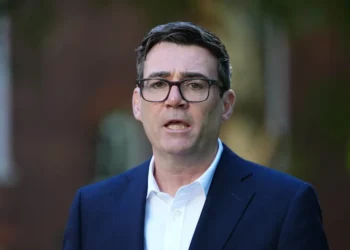
Prime Minister Andy Burnham has opened the possibility of Britain eventually rejoining the European Union, saying the country could potentially “go all the way” as his government begins a broader review of the UK’s long-term relationship with Europe.
The comments represent a significant development in the political debate over Brexit and suggest that the government is prepared to examine a wider range of options than those previously associated with Labour’s post-Brexit policy. Burnham said ministers would consider different forms of cooperation with the European Union, assess what could realistically be achieved and examine the advantages and disadvantages of each approach.
Speaking in a series of interviews following his Labour conference speech in Liverpool, Burnham said the government could consider maintaining the current arrangements, seeking a closer customs relationship, returning to the European single market or ultimately considering full membership of the European Union.
Asked directly whether Britain could rejoin the EU, Burnham said he wanted to “look at the options”. He stressed that remaining outside the bloc under existing arrangements was also an option if that was considered the appropriate long-term position for the country.

The prime minister’s remarks have widened the scope of an EU relationship review that had initially been framed around closer cooperation rather than membership. His comments also come as Britain and the European Union are already working to strengthen ties in several areas, including trade, energy, security, youth mobility and education.
The UK government has said its relationship with the EU should become closer in areas where cooperation can deliver practical benefits while maintaining Britain’s legal and political autonomy. Recent agreements and negotiations have included arrangements covering electricity cooperation, emissions trading, fisheries and participation in Erasmus+ from 2027.
Burnham’s comments therefore come against a backdrop of gradually expanding UK-EU cooperation. The two sides have already established a framework for closer strategic relations, while discussions continue over further measures intended to reduce barriers affecting businesses and people moving between Britain and European countries.
However, the prospect of returning to the EU would represent a much more fundamental change than the forms of cooperation currently being negotiated.
A customs union would primarily affect the way Britain trades goods with the European Union and other countries. Under such an arrangement, the UK would apply a common external tariff with the EU for relevant goods and would reduce some of the barriers that emerged after Brexit. It would not, by itself, place Britain inside the EU single market or automatically restore free movement.
Membership of the single market would involve a deeper degree of economic integration. Britain would have to align more closely with EU rules governing the movement of goods, services, capital and people, depending on the precise arrangement. Such a move would therefore involve considerably broader regulatory commitments than a customs agreement.
Full EU membership would go further still. It would mean Britain becoming a member state again, with the accompanying institutional, legal and political obligations. It would also raise complex questions about immigration, trade policy, regulatory authority, contributions to the EU budget and Britain’s role in European decision-making.
Burnham has not proposed a timetable for such a process, nor has he committed the government to seeking renewed EU membership. His language instead indicates that ministers are being asked to examine the range of possibilities before decisions are made.
That distinction is important because Labour’s position during the 2024 general election campaign was considerably narrower. The party’s manifesto ruled out returning to the EU single market or customs union and rejected restoring freedom of movement. Burnham’s latest comments suggest that those previous boundaries could now be subject to reconsideration.
The prime minister has argued that Britain cannot indefinitely avoid deciding what kind of relationship it wants with its largest European trading partner. In his Labour conference speech, he said Brexit had caused “more harm than good” and argued that the country needed a clearer long-term direction.
He has also linked the question to practical cooperation on issues such as migration. Britain and European countries continue to face common challenges involving organised migration networks, security threats and cross-border crime. The government has said stronger cooperation with European partners could help address some of those challenges.
Economic considerations are also central to the debate. Since Brexit, British businesses trading with European markets have faced additional customs procedures, documentation and regulatory requirements. The government and EU have consequently been negotiating measures designed to reduce some of those barriers without reversing Britain’s decision to leave the bloc.
Official government assessments have highlighted the importance of the European market to British businesses, particularly in sectors such as agriculture, food, manufacturing and services. Recent UK-EU discussions have sought to simplify trade procedures and strengthen cooperation in areas where the two sides remain economically interconnected.
At the same time, any future move towards deeper integration would involve political choices as well as potential economic consequences. Supporters of closer relations could point to reduced trade friction, greater cooperation and easier movement for certain groups, while opponents could raise questions about regulatory independence, financial commitments and the extent to which Britain would regain influence over European institutions.
Burnham has so far avoided making those arguments into a final policy position. Instead, he has presented the forthcoming review as an examination of alternatives.
The timing of that review is also significant. The government is expected to use the next UK-EU summit as an opportunity to set out the different choices facing Britain. The summit had originally been planned for earlier in the year but was postponed following the change in government leadership.
Burnham has indicated that he intends to use the period around the summit to explain the possible long-term directions available to the country. That could create a new phase in Britain’s post-Brexit debate, shifting the discussion from whether Brexit should be reversed to what degree of European integration Britain might pursue in the future.
For many businesses, workers and families, the debate is likely to be less about constitutional language and more about practical consequences. Questions over trade paperwork, food prices, employment opportunities, travel, education, professional qualifications and access to European markets could all become part of the discussion.
The return of Britain to the Erasmus+ programme from 2027 is one example of the gradual rebuilding of institutional links. Negotiations over youth mobility and closer electricity-market cooperation indicate that some areas of practical integration are already moving forward without Britain returning to EU membership.
Burnham’s intervention nevertheless takes the debate into territory that has largely been excluded from mainstream government policy since Brexit. By saying Britain could “go all the way”, he has acknowledged that full EU membership may need to be considered as part of the longer-term discussion.

For now, however, the government’s position remains one of review rather than commitment. Burnham has said ministers will consider what is achievable and examine the potential advantages and disadvantages of different arrangements.
The coming months could therefore become an important period for Britain’s relationship with Europe. Rather than announcing an immediate change in policy, the government is preparing to present a range of possible paths, from maintaining the existing post-Brexit settlement to pursuing significantly closer economic and political ties.
The central question will ultimately be how far Britain wishes to move towards Europe after a decade outside the EU. Burnham’s latest remarks suggest that, for the first time at government level in several years, the full range of possibilities may be placed on the table.
Related News:
 UK Pushes for New EU Goods Trade Deal
 Reeves Fights to Keep Treasury Role Amid Labour Turmoil
 Green Leader Targets Starmer’s Former Seat
 UK plans tougher Israel stance with settlement trade ban
 Trump Threatens EU With Tariffs Over Canada Proposal
 Trump Threatens EU Over Canada Partnership Proposal
 Burnham Leaves Door Open to Future Brexit Reversal
 King Refers Jamaica Slavery Petition to Privy Council
 Thinktank Calls for Abolition of UK State Pension
 Tony Blair Calls for Britain to Rejoin EU Within a Decade
 UK and EU Signal Fresh Push for Defence Cooperation Talks
 UK Wage Growth Slows as Jobs Market Holds Firm
 UK Doubles Steel Tariffs to 50% to Protect Domestic Plants
 Athens Mayor Moves to Tackle Overtourism Crisis
 Reform UK funding: mystery billionaire revealed
 Ukraine Urges UK to Seize Russian Oil Tankers
 BBC News Faces Deep Cuts in 2,000 Job Plan
 UK may ban protests amid rising antisemitism fears
 Trump’s Revenge Drive Deepens GOP Divide
 Farage and Reform UK Reshape British Politics
 Starmer Leadership Under Pressure After Setbacks
 Le Pen’s Popularity Holds Despite Conviction
 Labour MPs Urge Burnham to Revive UK Aid Target
 Burnham unveils £65m drought aid for farmers
 Unions Warn Labour Over Zero-Hours Contract Reforms
 Europe Faces Winter Gas Supply Anxiety
 UK Households Could Save £173 on Fixed Energy Deals
 Exeter Approves Saudi Military Training Partnership
 Burnham Faces Mounting Budget Challenges
 Trump Hardens Canada Trade Stance as Talks Stall
 Masked Protesters Bring Dover Port Traffic to Standstill
 UN expert urges UK to rethink Israel policy
 Ukraine Moves to Seize Water Company
 Swedish Mining Push Puts Sami Land Rights Under Pressure
 UK House Prices Fall as Mortgage Rates Rise
 Argentina to file criminal charges over Falklands oil drilling
 Councils spend £125m on illegal children’s care
 Oil nears $100 as Saudi attacks shake markets
 Miliband Rejects Chief Rabbi’s West Bank Warning
 Patriot Platform Raises Concern Across Britain
 Reform UK Receives Record £36m Donation From Crypto Billionaire
 Thames Water Revises Oxfordshire Mega-Reservoir Plan
 Election Candidate Abuse Raises Alarm in England
 UK Retailers Accused of Breaking Refund Laws
 UK Pay Growth Slows to 3.9% as Rate Decision Nears
 Bank Urged to Slow Bond Sales as UK Costs Rise
 UK Inflation Hits 3.1% as Household Pressure Grows
 Slave-Trade Wealth Embedded in Britain’s Financial System
 Mayors Could Gain Greater Powers Over Water Firms
 EU Opens Door to Canada as Associate Member
 Entain Plans 400 Job Cuts After Profit Update
 Lords Call for Tobacco-Style Gambling Ad Ban
 Tories Press Healey Over Tax Rises Ahead of Budget
 US House Passes Russia Sanctions Bill Amid Debate
 US Sanctions Open New Battle for Cuba Assets
 Mahmood Warns Far Right Over Asylum Protests
 Disabled Travellers Seek Fairer UK Care Rules
 UK Rent Gap Puts Low-Income Families Under Pressure
 Lib Dems Prepare for Election Amid Reform Challenge
 Reform UK Faces Internal Debate Over £72m Spending
 Labour Apprenticeship Scheme Faces Slow Start
 Trump and Mamdani Hold Cordial Gracie Mansion Meeting
 Trump Eyes Major Belarus Fertiliser Deal Amid Canada Trade Dispute
 Briton Faces Cyprus Court Over Son’s Fatal Fall
 UK Reviews Hague Child Abduction Cases Involving Abuse
 MPs Defend UK Economic Watchdog Against Critics
 Iran Rejects Claims of Shift in US Talks
 UK Pauses Chagos Deal Amid US Opposition
 Elif Eralp Emerges as Berlin’s Next Political Force
 Far-Right Activist Arrested After Channel Dinghy Incident
 Saudi intercepts Houthi missiles as oil fears grow
 Portadown protest ends after tense Orange Order standoff
 Free Speech Emerges as Key UK Election Issue
 Three Die in Channel Crossing Attempt Near France
 Madrid Tent Camp Grows as Spain Housing Crisis Deepens
 Burnham Opens Debate on Pension Triple Lock for Care
 New UK Homes in Flood Zones Face Insurance Risk
 French Student Protests Escalate Into Violent Clashes
 Trump Ads Trigger Fight Over Taxpayer Money
 UK University Strikes Spread as Financial Pressure Grows