Published: 28 September 2026. The English Chronicle Desk. The English Chronicle Online
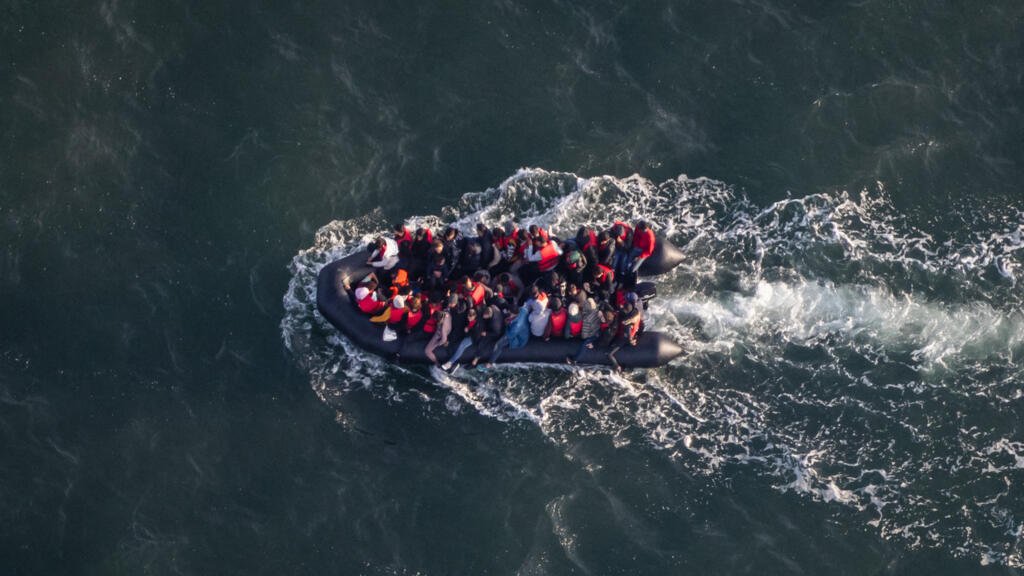
Three people, including a 10-year-old child, have died and dozens more have been injured after an inflatable boat carrying more than 100 people got into difficulty while attempting to cross the English Channel from northern France to the UK.
French maritime authorities said they received a distress call during the early hours of Monday after the inflatable vessel encountered trouble off the coast of Wissant in the Pas-de-Calais region. The boat was carrying an estimated 105 people when the incident occurred.
The vessel reportedly overturned, throwing passengers into the water and creating a major emergency response along the French coast. Among those who died were a 10-year-old child and two women. Emergency medical teams treated the three victims aboard the rescue operation, but they were later confirmed dead.
The incident has once again highlighted the dangers faced by people attempting to make the Channel crossing in small and often overcrowded boats. The route between northern France and the British coast is one of the world’s busiest shipping areas, creating additional risks for vessels that are poorly equipped for the journey.

French authorities said sea conditions were calm and weather conditions were good when the boat got into difficulty. The circumstances therefore raised questions about the condition of the vessel and the circumstances under which so many passengers came to be travelling together.
Local authorities described the vessel as a type of “water taxi”. According to the account provided by the prefecture, the inflatable boat had arrived relatively empty from an inland waterway before travelling to the beach at Wissant, where passengers were collected.
The use of such boats has become an increasingly visible feature of irregular Channel crossings. People hoping to reach the UK without the required visas often depend on criminal smuggling networks to arrange journeys from beaches along the northern French coastline.
The vessels used by smugglers can be dangerously overcrowded and may lack adequate safety equipment. Their construction can make them vulnerable to punctures, instability and capsizing, while passengers may have little protection from cold water or changing conditions.
Following Monday’s incident, a major rescue operation continued off Wissant. At about 10.30am local time, or 9.30am in the UK, six rescue boats remained in the area searching for people who could have entered the water.
A rescue vessel later arrived at the port of Calais carrying people who had been recovered from the incident. Emergency services were deployed at the port, including police officers, firefighters and other personnel involved in the response.
The scale of the operation reflected the uncertainty surrounding the number of people who may have been in the water and the need to locate anyone requiring urgent medical assistance.
The deaths add to a growing toll associated with Channel crossings this year. At least 17 people, including women and children, had already died while attempting to reach the UK by sea in 2026, according to figures cited in reports on the incident. Victims have died through drowning and in accidents involving overcrowded or unstable vessels.
Three bodies were also discovered in the previous week following other departures involving similar “water taxi” arrangements on the northern French coast.
Despite the continuing loss of life, thousands of people have continued attempting the journey. So far this year, 18,609 people have crossed the Channel, according to figures cited in the report. That is more than 40% lower than the number recorded at the same point last year and more than 25% below the figure recorded during the equivalent period in 2024.
The reduction in the number of crossings does not necessarily correspond to a reduction in danger for those who make the journey. A smaller number of crossings can still produce serious or fatal incidents when boats are overloaded or unfit for sea travel.
The northern French coastline has become a major departure point because of its proximity to Britain. The short geographical distance between the two countries can make the route appear relatively manageable to people desperate to find safety, employment or a new life in the UK. In reality, the crossing involves significant maritime hazards.
The Channel carries substantial commercial shipping traffic, while tides and currents can change rapidly. Small inflatable boats can be difficult for larger vessels to see, particularly at night or during periods of heavy maritime activity.
The latest tragedy also comes amid a wider international debate about irregular migration and the availability of safe routes for refugees and asylum seekers.
In Britain, the government has continued to face pressure over Channel crossings while attempting to balance border controls with its commitments to refugee protection. The issue has become an important part of political debate, with ministers under pressure to reduce dangerous crossings while also addressing the reasons people undertake them.
Home Secretary Shabana Mahmood was due to use a Labour party conference speech to outline a renewed focus on safe and legal routes for refugees travelling to the UK. The government is also reopening a refugee resettlement programme, with people from conflict-affected communities expected to form a significant proportion of those accepted.
Around a quarter of those expected to enter the UK through the reopened resettlement scheme are anticipated to be Palestinians and women and girls from Afghanistan, according to government sources cited in the report.
The emphasis on legal routes is intended to provide alternatives to dangerous journeys organised by people smugglers. Supporters of such programmes argue that expanding controlled pathways can reduce the need for vulnerable people to rely on criminal networks and unsafe vessels.
At the same time, the government continues to pursue measures designed to discourage irregular migration and disrupt smuggling operations. The challenge is complicated by the different circumstances of people making the journey, including refugees fleeing conflict, people seeking international protection and migrants motivated by economic or family considerations.
The tragedy near Wissant demonstrates the human consequences of that complex debate. Behind the statistics are individuals travelling with families, children and hopes of reaching safety. For those on board the vessel, the journey ended in an emergency that required multiple rescue teams and left families facing the loss of loved ones.
The death of a child is particularly stark. A 10-year-old was among those who died despite the relatively calm conditions reported at the time. The incident illustrates how quickly a crossing can become life-threatening even when the weather does not appear extreme.
For French authorities, the immediate priority has been rescue and recovery, followed by establishing how the vessel came to carry so many passengers and what role people smugglers may have played.
For British authorities, the incident is another reminder that the Channel migration issue cannot be considered solely as a matter of border enforcement. Maritime safety, international cooperation, criminal smuggling networks and access to legal migration and refugee routes all form part of the wider picture.
The number of crossings has fluctuated considerably over recent years, reflecting changes in weather, enforcement activity, smuggling tactics and migration patterns. The latest figures show a significant reduction compared with previous years, but the continuing deaths demonstrate that the underlying risks remain severe.
The Channel tragedy also forms part of a wider pattern of dangerous maritime migration beyond Europe. More than 80 people, including a baby, were feared to have died in August while attempting to reach Spain’s Canary Islands by sea. Such incidents demonstrate the risks faced by migrants and refugees who undertake hazardous journeys in search of safety or better prospects.
The international nature of irregular migration means that individual countries face limitations when acting alone. France and the UK have worked together on efforts to prevent dangerous crossings and disrupt smuggling networks, while European governments continue to debate wider approaches to asylum and migration.
For communities along the French coast, repeated departures have also created a difficult local reality. Residents and emergency services are required to respond when boats encounter trouble, while authorities must balance coastal security with the humanitarian responsibility to rescue people in distress.
Monday’s incident once again brought those responsibilities into sharp focus.
As rescue teams continued searching the waters off Wissant, the full circumstances surrounding the capsizing remained under investigation. Authorities were also expected to determine the precise number of people rescued and the extent of injuries among survivors.

The deaths will add urgency to discussions about how dangerous Channel crossings can be prevented. While the number of people making the journey has fallen compared with previous years, the continuing use of unstable inflatable boats means that a single departure can still result in mass casualties.
For the families of those who died, however, the tragedy is not a statistic. It is the loss of a child and two women whose lives ended during an attempt to cross a narrow but hazardous stretch of sea.
The incident leaves governments on both sides of the Channel facing the same difficult question: how to reduce dangerous crossings and dismantle the criminal networks behind them while ensuring that people seeking protection have access to safe and lawful alternatives. The answer will require more than emergency rescue operations after boats overturn. It will depend on sustained cooperation, effective action against smugglers and credible legal pathways that reduce the demand for perilous journeys.
Related News:
 Masked Protesters Bring Dover Port Traffic to Standstill
 King Refers Jamaica Slavery Petition to Privy Council
 Second world war veterans honoured as King leads Remembrance Sunday
 NHS Safety Fears as Nurses Cover Doctor Gaps
 Farage and Reform UK Reshape British Politics
 Starmer Leadership Under Pressure After Setbacks
 Dreyfus Statue Finally Gets Permanent Paris Home
 Green Leader Targets Starmer’s Former Seat
 UN expert urges UK to rethink Israel policy
 Ministers Condemn Far-Right Unrest in Portsmouth
 Miliband Rejects Chief Rabbi’s West Bank Warning
 Patriot Platform Raises Concern Across Britain
 Mahmood Warns Far Right Over Asylum Protests
 Lib Dems Prepare for Election Amid Reform Challenge
 Briton Faces Cyprus Court Over Son’s Fatal Fall
 UK Reviews Hague Child Abduction Cases Involving Abuse
 Far-Right Activist Slashes Dinghy in Channel
 Elif Eralp Emerges as Berlin’s Next Political Force
 Far-Right Activist Arrested After Channel Dinghy Incident
 Portadown protest ends after tense Orange Order standoff
 Jailed Georgian Opposition Leaders Warn UK of Iranian Links to Ruling Party
 Kosovo agrees to host Britain’s refused asylum seekers
 British Woman in Iran ‘Losing Hope’ Amid Ongoing Detention
 BBC Journalist Held and Interrogated in Vietnam
 FBI Director Kash Patel Defends Girlfriend Amid Government Jet Claims
 French Taxi Driver Cleared in David Lammy Theft Case After Fare Dispute
 UK University Faces Counter-Terror Probe Over China Pressure
 Just Stop Oil Protesters Convicted Amid Climate Defence Row
 Boris Johnson accused of undermining BBC leadership
 ‘Reckless’ cuts to victims’ services will cost more than they save
 Ukraine-Russia war latest: Putin’s troops exploit bad weather to force Kyiv withdrawal from multiple towns
 Greene Pushes Epstein Files Amid Trump Fallout
 UK Candidate Moved to Safe House After Election Threats
 Rama Rebukes Mahmood for Targeting Albanian Families
 Venezuela Threatens Nobel Winner Machado with Fugitive Status
 Most Tories Expect to Support a Farage-Led Government
 Trump Envoy to Discuss Ukraine Peace at Kremlin
 Video shows Israeli troops kill Palestinians after surrender
 ‘It’s a Complete Scandal’: Aristocrat’s Fight for Prison Children
 UK and EU Signal Fresh Push for Defence Cooperation Talks
 Starmer Condemns ‘Depraved’ Russian Strikes on Ukraine
 Trump Tariffs Threat Spark UK and EU Alarm
 Gordon Brown urges court for crimes against children
 UK Minister Denies Iran Missile Threat to Britain
 Teen Admits Filming Westfield Chair Prank
 Army Probes Apache Flyover at Kid Rock’s Nashville Estate
 Relationship with Trump may be beyond repair, Starmer warned
 Melania Trump Epstein remarks spark survivor backlash
 Kezia Dugdale Warns of Possible Reversal of Equal Rights Gains
 UK Stands Firm on Falklands Amid US Rift
 John Terry Faces Backlash Over Political Posts
 China Fireworks Factory Blast Kills 21 in Hunan
 US ‘Narco Boat’ Strikes Draw Global Outcry
 Barrister Criticises Trial After Suicide Case Verdict
 New South Wales Premier Chris Minns Signals Tough Road Ahead for Labor
 Ukraine Creates Long-Range Strike Command
 Le Pen’s Popularity Holds Despite Conviction
 UK’s Largest Muslim Convention Scales Up Security Amid Rising Bigotry
 Three-Quarters of England’s Riverbanks Still Off Limits
 Westminster Council Threatens Charing Cross Soup Kitchen
 BBC Warned About Missing Clothes of Murder Victim
 Burnham unveils £65m drought aid for farmers
 Former Diplomats Urge UK and France to Act on Palestine
 Ghent Professors Questioned Cofnas Appointment
 RAF Barnham Protests Fuel Tensions in Norfolk Town
 Ukraine Villagers Demand Answers After Deadly Arms Depot Strike
 Bayeux Tapestry Revives Franco-British Ties
 UK plans tougher Israel stance with settlement trade ban
 Councils spend £125m on illegal children’s care
 Europe’s democracies face a growing far-right threat
 Royal Crown Branded Enslaved Africans in Britain’s Slave Trade
 Israel Accused of Undermining Palestinian Life
 Yemen War Displaces 125,000 as Fighting Intensifies
 Disabled Travellers Seek Fairer UK Care Rules
 Democrat Says ICE Restricted Detention Camp Oversight
 Japan PM Backs International Criminal Court
 UK Plans New Centre to Counter Information Warfare
 Greece Pushes for Parthenon Marbles Reunification
 Free Speech Emerges as Key UK Election Issue
 Five Arrested Near RAF Fairford in Terror Probe