Published: 23 September 2026. The English Chronicle Desk. The English Chronicle Online.
Jamaica has welcomed King Charles’s decision to refer a landmark petition concerning slavery and reparations to the Judicial Committee of the Privy Council, describing the move as a significant development in the country’s long-running effort to seek legal clarification over Britain’s role in the transatlantic slave trade and its enduring consequences.
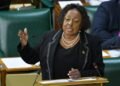
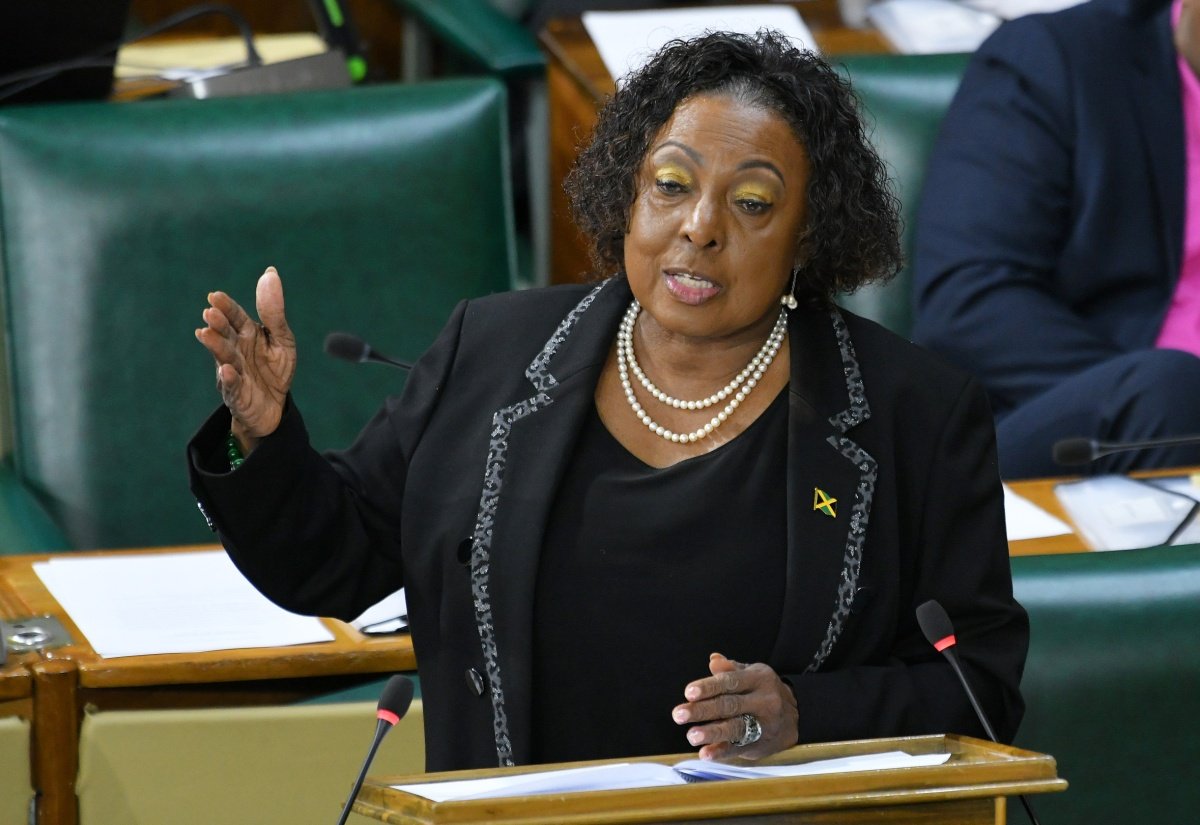
Jamaica’s Culture Minister Olivia Grange announced the decision in parliament on Tuesday, telling lawmakers that the king had referred the legal questions raised by Jamaica to the London-based Judicial Committee of the Privy Council. The committee serves as the final court of appeal for certain overseas territories and Commonwealth jurisdictions and can also consider legal or constitutional questions referred through specific mechanisms.
Grange described the decision as a “really big deal”, stressing that the Jamaican government had taken a deliberate step by submitting its petition earlier this month. She said the king could have chosen not to respond, delayed the matter or declined to refer the questions. Instead, the petition submitted on behalf of the Jamaican people on 7 September has now been passed to the Judicial Committee for consideration.
The petition focuses on three central legal questions connected with the history of slavery in Jamaica. It seeks guidance on whether the forced transportation of Africans to the island was lawful, whether the system constituted a crime against humanity and whether Britain has an obligation to provide restitution for slavery and its continuing effects.

The move follows a Jamaican delegation’s visit to Britain earlier this month to formally lodge the petition. Grange led the delegation, which included lawyers and members of Jamaica’s National Council on Reparation. During the visit, representatives met members of the Jamaican diaspora, British parliamentarians, church leaders and cultural organisations.
The delegation also visited institutions including the British Museum. Jamaica has separately sought the return of cultural objects and artefacts that it says were taken from the island during the period of British colonial rule.
The legal route being pursued by Jamaica is unusual. According to the country’s legal advisers, the government has invoked a mechanism dating from the Judicial Committee Act 1833. The legislation allows certain legal or constitutional questions to be referred to the Privy Council when they cannot be resolved through ordinary court proceedings.
Jamaica has said another potential international legal route is not currently available. Grange told parliament that the country could not rely on the compulsory jurisdiction of the International Court of Justice in the way it might otherwise have sought to do because of reservations made by the United Kingdom.
The Jamaican government therefore sees the Privy Council process as an important avenue for obtaining a legal opinion on questions surrounding slavery and reparations.
However, the referral does not itself mean that Britain has agreed to pay compensation. A legal opinion from the Judicial Committee would not automatically impose a financial obligation on the UK government. Jamaican officials nevertheless believe that such an opinion could influence future negotiations, clarify legal arguments and potentially establish a precedent relevant to other Commonwealth countries pursuing similar claims.
The development comes amid renewed regional efforts by Caribbean governments to advance the issue of slavery reparations. The question has increasingly moved beyond individual national campaigns and become part of wider discussions involving the Caribbean Community and other regional institutions.
A regional reparations conference held in Barbados last week brought together officials and representatives discussing possible legal and diplomatic strategies. Caribbean governments have been working on a broader action plan intended to pursue negotiations with Britain over the consequences of slavery and colonial rule.
The discussions include the possibility of seeking negotiations at future Commonwealth and United Nations meetings. Regional leaders have indicated that diplomatic engagement remains an important avenue, while also considering international legal options if negotiations fail to produce progress.
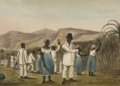
The issue is deeply connected to the Caribbean’s colonial history. For generations, economies across the region were shaped by plantation agriculture and a system of forced labour involving millions of enslaved Africans. The consequences of that history remain a subject of political, economic and social debate in Caribbean countries.
Professor Sir Hilary Beckles, chair of the Caricom Reparations Commission, has argued that the effects of colonialism continued to influence Caribbean societies after independence. Speaking at the regional conference, he highlighted Jamaica’s educational and economic conditions at the time of independence as an example of the challenges inherited from the colonial period.
Beckles referred to historical estimates that a large majority of Black Jamaicans were unable to read or write when the country became independent in 1962. He argued that the legacy of centuries of colonial rule created significant obstacles for the newly independent state as it attempted to establish a modern society and competitive economy.
The reparations debate therefore extends beyond the question of direct financial compensation. Caribbean governments and advocates have discussed a broad range of possible measures, including development programmes, debt-related initiatives, educational support, public health investment, cultural restitution and the return of historical artefacts.
Britain’s position remains significantly different from that of Jamaica and other Caribbean governments seeking reparations. A spokesperson for Prime Minister Andy Burnham reiterated earlier this month that the UK government does not intend to pay reparations.
That position means that the Privy Council referral is unlikely to produce an immediate resolution to the wider political dispute. The legal questions raised by Jamaica and the government’s broader demand for reparatory justice remain matters of significant diplomatic and historical debate.
The decision by King Charles to refer the petition nevertheless gives Jamaica an opportunity to pursue its questions through a formal legal mechanism connected to the British constitutional and judicial system. The process could provide clarification on issues that have remained contested for decades.
The petition was submitted shortly after the anniversary of the commemoration of the Zong massacre, an event that has become one of the most prominent historical symbols of the brutality of the transatlantic slave trade. Grange referenced the anniversary when explaining why Jamaica had chosen that moment to move forward with the petition.
For Jamaica, the case is also part of a wider effort to place the historical experience of slavery and colonialism within contemporary international discussions about justice and accountability. The government has been seeking to combine legal arguments with diplomatic engagement and cultural initiatives.
The country’s campaign has also coincided with increased activity among Caribbean governments. Regional leaders have been attempting to develop common approaches to negotiations with European countries whose colonial histories remain central to the reparations debate.
The involvement of the Privy Council could therefore attract attention beyond Jamaica. Other Commonwealth countries with similar historical experiences may closely follow the legal reasoning and procedural developments that emerge from the case.
At the same time, the eventual outcome remains uncertain. The referral is an important procedural step, but it does not determine whether the legal questions will result in a finding that Britain has a reparations obligation, nor does it compel the British government to enter into a compensation agreement.
For now, Jamaican officials are awaiting directions from the Judicial Committee on how the case will proceed. Grange said the country’s attorney general is preparing to deal with the matter as the government awaits further guidance.

The case places a historic question before a British-linked judicial institution at a time when debates over colonialism, slavery, restitution and historical responsibility are receiving renewed international attention. Jamaica’s government hopes the legal process will provide greater clarity and potentially strengthen its position in future negotiations.
The British government, meanwhile, continues to reject the prospect of reparations. That difference in position means the legal process is unlikely to settle the broader political debate on its own, but the Privy Council’s consideration could become an important part of Jamaica’s continuing campaign.
For Jamaica and other Caribbean nations, the issue is ultimately connected to how the legacy of slavery and colonial rule should be addressed in the modern era. The referral now gives the country a formal legal pathway to pursue questions that have remained unresolved for generations, while opening a new chapter in a debate that reaches from the history of the Caribbean to contemporary international law and diplomacy.
Related News:
 UN expert urges UK to rethink Israel policy
 Miliband Rejects Chief Rabbi’s West Bank Warning
 Emails Show Epstein Funded Mandelson’s Husband After Jail
 UK may ban protests amid rising antisemitism fears
 Victim says non-custodial rape sentence ‘rock in my face’
 Dreyfus Statue Finally Gets Permanent Paris Home
 Masked Protesters Bring Dover Port Traffic to Standstill
 Ministers Condemn Far-Right Unrest in Portsmouth
 Patriot Platform Raises Concern Across Britain
 Israel Accused of Undermining Palestinian Life
 Texas Transfers Raise Fears for Migrant Children
 Mahmood Warns Far Right Over Asylum Protests
 Briton Faces Cyprus Court Over Son’s Fatal Fall
 UK Reviews Hague Child Abduction Cases Involving Abuse
 Japan PM Backs International Criminal Court
 Jailed Georgian Opposition Leaders Warn UK of Iranian Links to Ruling Party
 It’s time to come clean on the China spy case
 Pregnant UK Teen to Be Freed from Georgian Jail
 French Taxi Driver Cleared in David Lammy Theft Case After Fare Dispute
 Just Stop Oil Protesters Convicted Amid Climate Defence Row
 Met Police Culture Makes Racial Harm ‘Inevitable’
 British Grandmother to Return Home After Death Sentence in Bali
 Remaining rebel Labour MPs have whip restored
 Second world war veterans honoured as King leads Remembrance Sunday
 UK and EU Signal Fresh Push for Defence Cooperation Talks
 Files Link Andrew to Epstein Dinner After Prison Release
 Labour Attacks Reform Candidate Over Tommy Robinson Backing
 Undercover officer deceived women with ‘grotesque and cruel’ lies, spycops inquiry told
 Mass Arrests at London Palestine Protest Spark Debate
 NHS Safety Fears as Nurses Cover Doctor Gaps
 Police Suspect Help in Missing Alice Springs Girl Case
 Cartel crackdown raises fears of fresh violence
 Judge halts deportation of Yemeni refugees in US
 Asylum deal sparks fears over Syria deportations
 Barrister Criticises Trial After Suicide Case Verdict
 Immigration Judges Fear Pressure in Trump Era
 China mine blast death toll rises to 90
 Ebola outbreak in DRC overwhelms health system as cases surge
 Trump’s Revenge Drive Deepens GOP Divide
 Former ICC prosecutor condemns US sanctions
 Gunman Killed After White House Security Shootout
 Irish Gangland Figure Fails in Dublin Election Bid
 Farage and Reform UK Reshape British Politics
 Starmer Leadership Under Pressure After Setbacks
 Murder Probe Continues After Arrest Release
 New Footage Revives Peter Falconio Mystery
 Ukraine Creates Long-Range Strike Command
 Le Pen’s Popularity Holds Despite Conviction
 Teen Charged After Layla Jeffery Found Dead
 Westminster Council Threatens Charing Cross Soup Kitchen
 BBC Warned About Missing Clothes of Murder Victim
 Israeli Strike in Southern Lebanon Kills Seven
 Cambridge Professor Jason Arday Found Dead at Home
 Five Years of Taliban Rule Leave Afghanistan in Crisis
 US immigration arrests hit record high in July
 Exeter Approves Saudi Military Training Partnership
 Ukraine Villagers Demand Answers After Deadly Arms Depot Strike
 Green Leader Targets Starmer’s Former Seat
 Daughter Finds Bones in Parents’ Burned-Out Car
 Argentina Orders Return of Nazi-Looted Painting
 Armed Suspect Attacks Ohio Governor Candidate
 UK plans tougher Israel stance with settlement trade ban
 Councils spend £125m on illegal children’s care
 British widow says deportation from Sweden feels like a death sentence
 Reform UK Receives Record £36m Donation From Crypto Billionaire
 Royal Crown Branded Enslaved Africans in Britain’s Slave Trade
 Election Candidate Abuse Raises Alarm in England
 UK Urged to Probe US Diplomat Case
 Lisa Nandy Calls for Tougher Action on Social Media Doxxing
 Piddington Votes for Symbolic Independence Over Asylum Plan
 Iran School Strike Raises War Crimes Questions, UN Says
 Gaza Strike Kills Child and Paramedic
 Memphis Questions National Guard Crime Surge
 Disabled Travellers Seek Fairer UK Care Rules
 Saudi Pact Raises Risk of Pakistan Entering War
 South Africa’s Femicide Crisis Deepens
 Harrods Faces Dispute Over Fayed Abuse Compensation
 Lib Dems Prepare for Election Amid Reform Challenge
 Clancy Defense Seeks Inquiry Into Lone Juror
 Democrat Says ICE Restricted Detention Camp Oversight