Published: 22 September 2026. The English Chronicle Desk. The English Chronicle Online.
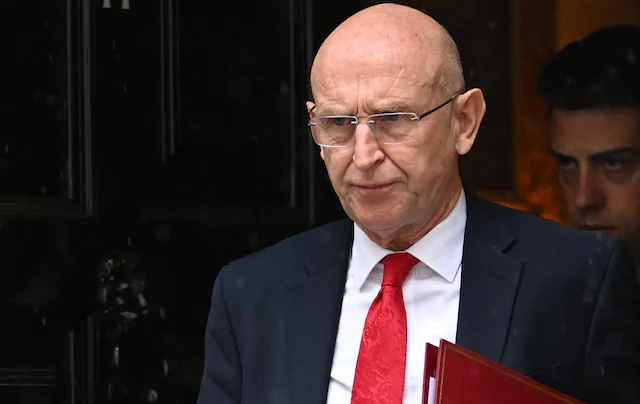
The UK government borrowed £18.3bn in August, significantly more than economists and the government’s independent fiscal watchdog had expected, adding to the financial pressure facing Chancellor John Healey ahead of next month’s budget.
Official figures released by the Office for National Statistics showed that public sector net borrowing in August was £2.9bn higher than during the same month last year. The figure also exceeded the £14.8bn level implied by the Office for Budget Responsibility’s March forecast and was £3.5bn above the watchdog’s expectation for the month.
The latest figures mean that total public sector borrowing during the financial year so far has reached £77.3bn. That is £8.1bn more than the amount forecast by the OBR, increasing concerns about the government’s ability to maintain its fiscal plans while dealing with higher borrowing costs and rising expenditure.
City analysts had expected August borrowing to come in at about £15.6bn, meaning the actual figure was also substantially higher than the consensus forecast. The result follows a weaker-than-expected performance in July, when the government recorded a £1.8bn deficit despite economists having anticipated that the public finances would be broadly balanced.
The sequence of disappointing monthly figures comes at a particularly important time for the Treasury. Healey has committed the government to maintaining its fiscal rules, which place limits on borrowing and require the government to demonstrate that its spending plans are sustainable over the medium term. The latest borrowing figures could therefore make the calculations surrounding the upcoming budget more difficult.

The pressure is not limited to the amount being borrowed. The cost of servicing the existing national debt has also become an increasingly important issue for the government. Interest rates on UK government bonds have remained elevated, meaning a larger share of public money is being directed towards debt servicing rather than public services or investment.
Ten-year UK government bond yields rose by three basis points to 5.232% in early trading on Tuesday, while the yield on 30-year government bonds increased by three basis points to 5.729%. Although borrowing costs have eased somewhat during the previous week, yields remain at levels that could complicate the Treasury’s efforts to demonstrate firm control over the public finances.
The movement in the bond market matters because higher yields increase the cost of issuing new government debt and refinancing existing borrowing. If elevated borrowing costs persist, the Treasury could face additional pressure when determining how much money can be allocated to departments, welfare programmes and public investment.
The Institute for Fiscal Studies has highlighted the growing cost of debt interest. According to the thinktank, the government has spent around £50bn on debt interest since April, approximately £2bn more than the OBR had anticipated in its March forecast.
IFS research economist Nick Ridpath said that, based on earlier forecasts, annual debt interest payments were already expected to exceed £100bn over each of the next five years. Those projections, however, were made before the latest increases in government borrowing costs, meaning the eventual figures could be higher if interest rates remain elevated.
The challenge is compounded by increased spending on social security benefits and pensions. Central government spending in these areas rose from £135.3bn during the comparable period last year to £145bn this year, an increase of almost £10bn.
Much of the increase has been associated with inflation and the way benefits and pensions are adjusted. While such spending provides financial support to households, it also places additional demands on government finances at a time when tax revenues have not increased sufficiently to offset the wider pressures.
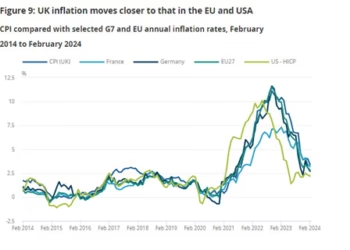
UK inflation rose to 3.1% in August, according to the latest consumer price figures. The Bank of England kept its interest rate unchanged at its most recent meeting, but policymakers warned that borrowing costs could come under renewed pressure if inflationary forces remain persistent.
The combination of higher inflation, elevated bond yields and increased public spending creates a difficult environment for the Treasury. The government needs to finance existing commitments while also attempting to create conditions for stronger economic growth without undermining confidence in the sustainability of the public finances.
Martin Beck, chief economist at WPI Strategy, described the latest public finance figures as another setback for the government before the budget. His assessment reflects broader concerns among economists that weaker-than-expected borrowing data could narrow the room available to the Treasury.
The International Monetary Fund has also urged advanced economies to strengthen control over their public finances. Its broader message has been that governments need credible fiscal strategies to reassure investors and preserve confidence in their ability to manage debt.
For the UK government, maintaining confidence in the bond market is particularly significant. Britain has experienced periods of financial-market volatility in recent years, and the cost of government borrowing remains closely watched by investors, economists and policymakers.
Treasury officials have sought to emphasise fiscal discipline. Emma Reynolds, chief secretary to the Treasury, said the government remained committed to improving economic growth but argued that growth could only be delivered alongside responsible management of public finances.
She also pointed to the growing cost of debt interest, noting that money being spent on servicing government debt cannot simultaneously be used for public services and other priorities. Her comments underline the central dilemma facing the Treasury: higher borrowing and debt costs can reduce the resources available for other government programmes.
The opposition Conservatives used the latest figures to criticise the government’s management of public finances. Conservative Treasury spokesperson Andrew Griffith accused Labour of borrowing more than planned and pointed to the £8bn gap between borrowing so far and the OBR’s forecast.
The government’s fiscal position is also complicated by uncertainty surrounding the forecasts themselves. The OBR has previously warned that borrowing estimates made early in the financial year should be treated as provisional and are likely to change as additional data becomes available.
That caveat is important because monthly borrowing figures can fluctuate significantly depending on tax receipts, government spending and other factors. A single month’s result does not necessarily determine the final position for the entire financial year. Nevertheless, repeated deviations from official forecasts can influence how investors and policymakers assess the government’s fiscal trajectory.
The August figures therefore arrive at a sensitive point for Healey as the Treasury prepares for the budget. The government has to balance its commitments to public services and economic growth with the need to maintain fiscal credibility and respond to financial-market pressures.

Higher borrowing also means that decisions made in the budget could be closely scrutinised by investors. Any additional spending or tax measures will have to be considered against the background of elevated debt-servicing costs and the government’s existing fiscal rules.
For households, the debate over government borrowing can ultimately affect the wider economy through taxation, public spending and interest rates. Higher government borrowing costs can also feed into financing conditions elsewhere, although the impact varies according to market conditions and monetary policy.
The latest figures do not provide a final assessment of the government’s fiscal position for the year, and the OBR may revise its estimates as more information becomes available. However, the £18.3bn August borrowing figure highlights the scale of the challenge facing the Treasury before the budget.
With borrowing running above expectations, debt interest absorbing increasing amounts of public money and bond yields remaining elevated, the government will enter the budget period under pressure to demonstrate how its spending commitments can be financed while keeping within its fiscal framework.
Related News:
 UK House Prices Fall as Mortgage Rates Rise
 Oil nears $100 as Saudi attacks shake markets
 Thames Water Revises Oxfordshire Mega-Reservoir Plan
 UK Retail Sales Rebound as Consumers Spend More
 Wealthy Britons Flee Gulf War but Avoid UK Taxes
 UK Wage Growth Slows as Jobs Market Holds Firm
 BBC News Faces Deep Cuts in 2,000 Job Plan
 New UK advice scheme to boost savings and investing
 Reeves Fights to Keep Treasury Role Amid Labour Turmoil
 UK rejects EV charging VAT cut amid Treasury clash
 EasyJet Takeover Sparks Fears Over Passengers’ Future
 Europe Faces Winter Gas Supply Anxiety
 UK Households Could Save £173 on Fixed Energy Deals
 Burnham Faces Mounting Budget Challenges
 Dutch Bank Moves 86 Tonnes of Gold to London
 UK Cost Squeeze Deepens as Mortgages and Gas Rise
 Billionaire Chris Rokos poised to leave UK
 JPMorgan Boss Warns Against UK Bank Tax Rise
 John Lewis Losses Widen to £124m as Confidence Falls
 UK State Pension Set to Rise 3.9% as Triple Lock Holds
 UK Parents Cut School Uniform Costs as Prices Rise
 UK Pay Growth Slows to 3.9% as Rate Decision Nears
 Bank Urged to Slow Bond Sales as UK Costs Rise
 UK Inflation Hits 3.1% as Household Pressure Grows
 UK Productivity Improves as Bank Weighs Interest Rates
 Japan Raises Rates to 31-Year High
 UK Rent Gap Puts Low-Income Families Under Pressure
 Calls Grow to Expand UK National Wealth Fund
 UK Doubles Steel Tariffs to 50% to Protect Domestic Plants
 Oil and Gas Prices Surge Amid Iran-Israel Attacks on Gasfields
 Student Loan Interest May Rise Despite 6% Cap
 Europe EV Demand Surges as Fuel Prices Rise
 Carmakers Face £3bn Gap in UK Loan Payout Scandal
 Albanese Rejects Gas Export Tax Push
 Spirit Airlines shuts down after 34 years amid crisis
 City & Guilds Faces Governance Crisis Over Sale
 UK Pushes for New EU Goods Trade Deal
 UK firms accused of ‘AI washing’ boom
 Essex valley emerges as rising English wine hub
 Severn Trent CEO Reward Package Doubled Despite Public Anger
 Weight-Loss Drugs Transform Fashion Shopping Habits
 Labour MPs Urge Burnham to Revive UK Aid Target
 Canada to Match Trump’s 50% Tariffs Dollar for Dollar
 Pubs and Hotels Face Business Rates Reform Review
 Firms on both sides fear damage from US-Canada trade war
 US CEOs Earn 614 Times More Than Workers
 Trump Hardens Canada Trade Stance as Talks Stall
 UK Subsidence Claims Surge After Record-Breaking Summer
 Reform Faces Fresh Financial Controversy
 Spire Healthcare Agrees £1bn Takeover by Toscafund
 Oil Prices Surge as Saudi Pipeline Closure Deepens Crisis
 Reform Faces Questions Over £72m Donations
 UK Retailers Accused of Breaking Refund Laws
 North Sea Firms Urge Early End to Windfall Tax
 UK Youth Jobs Gap Reveals Deep Regional Divide
 Entain Plans 400 Job Cuts After Profit Update
 Next Raises Profit Forecast After Strong Summer Sales
 Tories Press Healey Over Tax Rises Ahead of Budget
 Trump Threatens EU With Tariffs Over Canada Proposal
 Trump Threatens EU Over Canada Partnership Proposal
 Barclays Staff Push Back Against Office Return Plan
 Reform UK Faces Internal Debate Over £72m Spending
 Labour Apprenticeship Scheme Faces Slow Start
 Trump Eyes Major Belarus Fertiliser Deal Amid Canada Trade Dispute
 Reeves Faces Setback as Labour May Miss Homes Target
 Trump’s UK Ambassador Urges North Sea Drilling to Strengthen US Ties
 Millionaires group urge Reeves to introduce wealth tax to ‘lift kids out of poverty’
 Starmer Says Labour’s Economic Plan Needs Years to Deliver
 Starmer Faces Parliamentary Battles Over UK-EU ‘Reset’ Plan
 ScottishPower Tops List of Worst UK Energy Suppliers
 UK Unemployment Rate Climbs to 5.2% Peak
 Farage Faces Backlash Over Crypto Cameo Endorsements
 Rising Costs Force Families to Rethink Days Out
 Unions Raise Concerns Over Doctors’ Pay Dispute
 Silent Tracks: Rail Line Without Passengers
 Tube Strike Brings Capital to a Standstill Over Shift Disputes
 EU Slashes Steel Quotas But Grants UK Favourable Rates
 Apollo Launches £5.7bn Bid for Aviation Giant easyJet
 Unions Warn Labour Over Zero-Hours Contract Reforms
 Tom Watson Takes Senior Role at Palantir