Published: 21 September 2026. The English Chronicle Desk. The English Chronicle Online.
Headteachers across England are raising fresh concerns about the impact of Ofsted’s revised inspection system, with the National Association of Head Teachers saying the new approach is leaving some school leaders feeling overwhelmed, anxious and under intense pressure.
The concerns come a year after Ofsted introduced its redesigned inspection framework, which replaced the previous single headline judgement system with a more detailed model covering several areas of school performance. While the changes were intended to provide a broader assessment of schools, the National Association of Head Teachers, or NAHT, says feedback from its members suggests that the revised system has not removed the high-pressure nature of inspections.
Instead, the union says some school leaders are experiencing greater levels of stress than under the system that preceded it.
For some headteachers, the pressure has become deeply personal. Amanda Hulme, headteacher of Claypool Primary School in Bolton, described a recent Ofsted inspection as the most stressful experience of her career. She said the process affected her sleep and was accompanied by physical symptoms, including increased blood pressure and pulse rate.

Hulme also said the experience had affected members of her staff. According to her account, some colleagues had become reluctant to consider headship, while another teacher was thinking about leaving the profession altogether. She also said she was considering whether she could continue in the role until the school’s next inspection.
Her experience reflects a wider concern among school leaders that inspection pressure can extend beyond the headteacher to the wider school workforce. The NAHT says it has received accounts from members describing emotional distress during inspections, including cases in which school staff broke down in tears.
The union has also reported that at least one headteacher sought professional counselling after a particularly difficult inspection. It argues that such accounts demonstrate the need for a broader examination of how school accountability is carried out and how its consequences affect those responsible for running schools.
The dispute comes against a particularly sensitive background for the education sector. Concerns about the mental health impact of Ofsted inspections intensified following the death of headteacher Ruth Perry in 2023. An inquest concluded that an Ofsted inspection contributed to her death, bringing renewed scrutiny to the pressures associated with school inspections.
Since then, Ofsted has introduced additional measures intended to address wellbeing concerns. Inspectors have received further training and are expected to ask school leaders about their wellbeing during inspection visits. However, some NAHT members have questioned whether these conversations have made a meaningful difference, describing the questions as largely procedural.
The union now wants inspections to continue but is calling for Ofsted to suspend the issuing of grades while the inspection system undergoes further review. It argues that the current model creates several opportunities for schools to receive lower judgements because performance is assessed across multiple evaluation areas.
The revised system has also continued to evolve. Ofsted’s arrangements for September 2026 include changes to its inspection toolkit and guidance for inspectors. Among the changes is the use of data from the Department for Education’s new similar-schools model, which is designed to help inspectors consider a school’s attainment in relation to schools with comparable pupil characteristics.
The system uses a “secure fit” approach when assigning grades. Under this methodology, inspectors consider whether the relevant standards for an evaluation area have been met before awarding a particular grade. The framework also allows inspectors to identify areas for improvement even where a school receives an expected standard or higher judgement.
For school leaders already concerned about the consequences of inspections, the detailed nature of the framework is an important part of the debate. The NAHT has previously argued that a system with several graded areas can create more potential points at which schools may receive unfavourable judgements.
The union has been campaigning against aspects of Ofsted’s inspection reforms since before the new framework was introduced. It has previously conducted surveys of school leaders and raised concerns about the potential impact of the revised approach on mental health and wellbeing.
In February 2026, Ofsted and the Department for Education agreed to a package of measures with the NAHT aimed specifically at monitoring and addressing the wellbeing impact of inspections. The arrangements included an independent advisory group, an anonymous post-inspection survey and work to review the complaints process. Ofsted also agreed to keep implementation of the renewed inspection framework under review.
Those measures have not ended the disagreement. The NAHT continues to argue that the underlying inspection model places excessive pressure on school leaders, while Ofsted has pointed to feedback from school leaders who have found the new approach more collaborative and constructive.
Ofsted has said that it is encouraged by those positive experiences and is preparing independent research intended to provide a broader assessment of how the new system is working. The research is expected to provide evidence beyond the individual accounts being highlighted by either side of the debate.
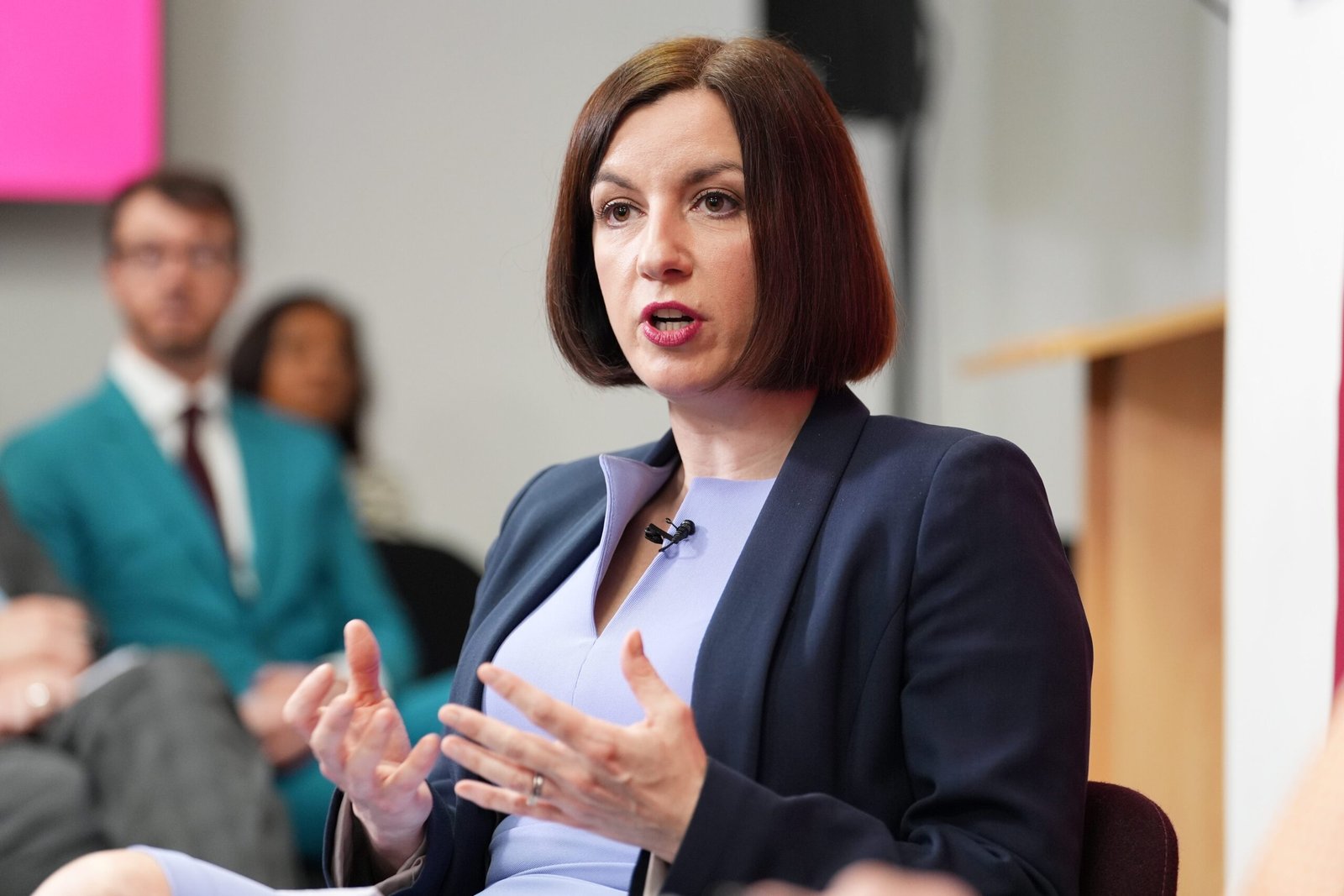
The government’s position has also emphasised the need to balance accountability with support. Education Secretary Lucy Powell has said that schools require an accountability structure to support improvement but that such a system should also be supportive and understanding of the work carried out by headteachers.
The challenge for policymakers is therefore not simply whether schools should continue to be inspected, but how inspections can maintain public accountability while avoiding unnecessary pressure on those working in education.
School inspections play an important role in providing information about educational standards and identifying areas where schools may need improvement. At the same time, the consequences of inspection outcomes can be significant for school leaders, teachers and communities, making the design and implementation of the system an important issue for the education sector.
The continuing debate also highlights the difficulty of creating an inspection framework that is rigorous without becoming excessively stressful. School leaders want clear expectations and meaningful feedback, while regulators require a consistent method of assessing schools across different circumstances.

The experiences reported by the NAHT suggest that wellbeing remains a central concern for many leaders. However, Ofsted’s response indicates that experiences are not uniform and that some school leaders believe the revised approach has improved the inspection process.
As the new framework continues to develop, independent evidence will be important in determining how widely the reported problems are occurring and whether the safeguards introduced since the death of Ruth Perry are having the intended effect.
For headteachers, the issue is closely connected to the sustainability of school leadership itself. If inspections contribute to experienced leaders considering early retirement, discourage teachers from seeking senior positions or deepen existing pressures on the profession, the consequences could extend beyond individual inspection visits.
The coming period is therefore likely to remain closely watched by school leaders, teachers and policymakers. The central question will be whether Ofsted’s evolving inspection arrangements can provide credible accountability while creating an environment in which school leaders can carry out their responsibilities without facing avoidable harm to their wellbeing.
Related News:
 NHS Safety Fears as Nurses Cover Doctor Gaps
 UK Schools Struggle as Classrooms Top 40C
 How Bringing Forests Into Preschools Boosts Children’s Health
 London’s Childlessness Crisis: Schools Closing as Families Shrink
 No link found between paracetamol in pregnancy and autism
 Barrister Criticises Trial After Suicide Case Verdict
 Tractor Breakdown Tests Lincolnshire Farmers
 Public Confidence in University Degrees Plummets in the UK
 British Teens in EU Face Soaring UK University Fees
 London Tube Heat Reaches Dangerous Levels
 Cambridge Professor Jason Arday Found Dead at Home
 Internal Exclusions Surge in England’s Schools
 UK retailers plan 100,000 placements for young people
 Councils spend £125m on illegal children’s care
 English Hospitals Face Shortage of Health Play Staff
 Disabled Travellers Seek Fairer UK Care Rules
 NHS Breast Care Review Finds Serious Patient Harm
 UK Graduates in Healthcare Report Highest Satisfaction with Degree Choices
 One in 12 Secondary Pupils Sent to Isolation Weekly
 Hospice Cuts Raise Alarm Across England Amid Funding Crisis
 Celebrities and Charities Demand UK Government Act on Child Poverty
 Children to Learn Local History in Major Curriculum Overhaul
 Top Christmas Books Reads: Classics to Cozy Romcoms
 Greta Thunberg Backs Student Facing UK Visa Revocation
 Patients to Test Health at Home to Ease NHS Winter Pressure
 Shouting Works Best to Deter Gulls, UK Study Finds
 Reeves rejects £1bn plea for NHS redundancy payouts
 Stroke Patient Mistaken for Drunk, Care Delayed
 ‘Traumatic Wait’: Northern Ireland Women Face Breast Cancer Delays
 Scottish Families Take Legal Action Over School CO Leak
 Coffins Now Too Large to Cremate Amid Rising Obesity Crisis
 Five-Year-Old Dies After Rare Tonsil Surgery Complication
 Fibromyalgia Patients Struggle as NHS Fails to Provide Care
 More Patients Now Contacting GPs Online, Data Shows
 Children to Receive Home Vaccines as England Acts
 UK Enforces Junk Food Ad Ban Before 9pm
 Patients Collapsing in NHS Corridors, Watchdog Warns
 UK Launches First Town of Culture Competition
 City & Guilds pay surge sparks backlash amid £22m cuts
 Small risk warning raised over weight-loss jabs in UK review
 Streeting moves on doctor pay to end strike dispute
 UK reports baby formula toxin poisoning cases across the country
 Send spending gap leaves deprived areas behind
 Placenta Accreta Warning as Hunt Urges Action
 Half of Britons Avoid GP When Ill, Survey Reveals Growing Concern
 NHS Maternity Units Cover Up Harmful Childbirth Errors
 New Era for UK Special Needs Support
 Weight-loss drugs may transform heart attack recovery
 Cancer Death Rate in Britain Falls by Nearly a Third
 NHS Plans to Cut Overseas Workers Labeled Overambitious
 Rising Costs Force Families to Rethink Days Out
 Palantir Boss Defends NHS Deal Amid Government Break Clause
 Unions Raise Concerns Over Doctors’ Pay Dispute
 Private Profits From NHS Contracts Spark Urgent National Debate
 Kezia Dugdale Warns of Possible Reversal of Equal Rights Gains
 Crisis in NHS Surgery Scheduling Hits Patients Hard
 New Scan Offers Hope for Faster Endometriosis Diagnosis
 New AI Tool To Target Obesity Risk And Transform NHS Care
 Greens Face Internal Row Over Antisemitism Claims
 NHS Drug Deal Faces Legal Threat Over US Trade Agreement
 Pope Meets Families in Italy Toxic Waste Zone
 Record Spending Highlights Growing Crisis In National Health Service
 Farage and Reform UK Reshape British Politics
 Starmer Leadership Under Pressure After Setbacks
 Tech Trends and the Battle Against Exam Hall Cheating
 Clean Air Initiatives Spark Major Fall in London Hospital Admissions
 Labour MP Revives Blocked Assisted Dying Bill in Commons
 The Hybrid School Revolution Defying the Social Media Ban
 NHS Urges Investigation For Irregular Periods
 Westminster Council Threatens Charing Cross Soup Kitchen
 Burnham unveils £65m drought aid for farmers
 Queue row erupts on Wales’ highest mountain
 Ghent Professors Questioned Cofnas Appointment
 RAF Barnham Protests Fuel Tensions in Norfolk Town
 British Museum Faces Questions Over Peter Thiel’s Private Bayeux Viewing
 # How to Beat the Back-to-Work Blues After Summer
 UK Subsidence Claims Surge After Record-Breaking Summer
 UK Retailers Accused of Breaking Refund Laws
 Mahmood Warns Far Right Over Asylum Protests
 UK Rent Gap Puts Low-Income Families Under Pressure