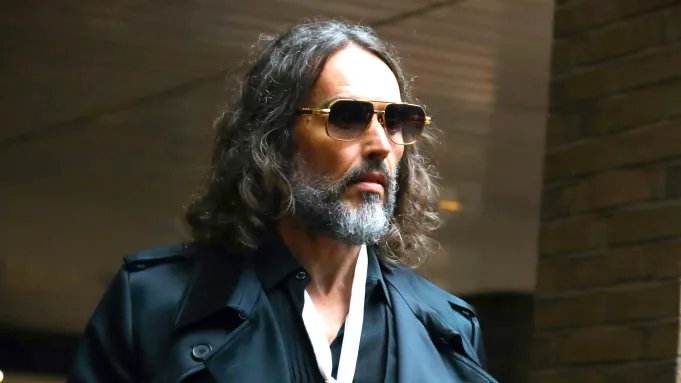
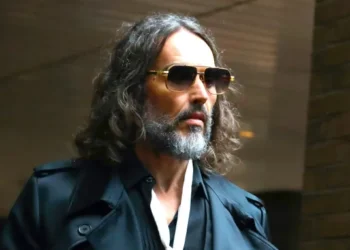
The head of the Metropolitan Police has urged anyone with further allegations against British entertainer Russell Brand to come forward, warning that additional victims may emerge following his conviction for rape and sexual assault. The appeal comes as investigators continue examining two further rape allegations involving the former comedian, whose conviction has renewed discussions about sexual misconduct, workplace power imbalances and the difficulties victims face when reporting abuse.
Metropolitan Police Commissioner Mark Rowley said authorities would welcome information from anyone who believes they have experienced sexual misconduct involving Brand. Speaking to Times Radio on Friday, Rowley confirmed that detectives were investigating two additional rape allegations and encouraged anyone with relevant information to contact the police.
He also indicated that further allegations would not come as a surprise. Speaking during an appearance on BBC Breakfast, the commissioner said he would not be surprised if many more people came forward. His comments suggest that investigators remain open to receiving additional complaints as they continue examining the circumstances surrounding the allegations against the 51-year-old entertainer.

Brand was convicted on Thursday following a criminal trial in which prosecutors presented evidence relating to allegations made by four women. The former comedian was found guilty of raping one woman at his luxury townhouse in London and sexually assaulting three other women at their workplaces. The incidents involved locations connected to the entertainment and broadcasting industries, including a radio station and a television studio.
During the proceedings, Brand was portrayed by prosecutors as a calculating and manipulative sexual predator who used his public profile and influence in the entertainment industry to exploit women. The allegations described conduct that raised serious questions about the treatment of women working around powerful public figures and the extent to which professional environments can protect individuals from abuse.
The conviction represents a significant development in a case that attracted considerable public attention after allegations against Brand became widely known in 2023. Investigations followed a Channel 4 Dispatches documentary and reports published by The Times and The Sunday Times. Those investigations brought forward accounts from women who described alleged sexual misconduct and behaviour that they said had affected their personal and professional lives.
The media investigations played an important role in bringing the allegations into public discussion and encouraging further scrutiny of Brand’s conduct. The subsequent police investigation involved examining information provided by women and assessing whether sufficient evidence existed to bring criminal charges. The case eventually proceeded to trial, resulting in the convictions announced on Thursday.
Police have now confirmed that two further rape allegations remain under investigation. The Metropolitan Police has also submitted files relating to the additional allegations to the Crown Prosecution Service, which is responsible for reviewing evidence and determining whether criminal proceedings should be brought. Any decision will depend on the available evidence and the applicable legal requirements.
The ongoing investigations mean that the legal situation surrounding Brand may develop further. However, the additional allegations remain matters under investigation and should be distinguished from the offences for which he has already been convicted. Police have not indicated that the investigation is complete, and Rowley’s public appeal suggests that detectives are continuing to seek information that could assist their inquiries.
Beyond the criminal proceedings, the case has renewed attention on the working conditions experienced by younger employees in the television, radio and entertainment industries. Questions have emerged about how professional hierarchies, temporary employment arrangements and the influence of high-profile personalities can create environments in which individuals feel unable to report inappropriate behaviour.
Dorothy Byrne, the former head of news and current affairs at Channel 4, highlighted the power imbalance that can exist between prominent entertainment figures and younger members of production teams. Speaking on BBC Radio 4’s Today programme, she said that although conditions had improved in larger organisations, people working in smaller companies could remain vulnerable.
Byrne explained that younger employees, particularly those employed on short-term contracts, may face significant professional risks when considering whether to report misconduct. A person who depends on repeated contracts or future opportunities may worry that making a complaint could damage their career, lead to exclusion from future projects or result in being labelled a troublemaker.
She stressed that the influence enjoyed by well-known personalities can be substantially greater than that of junior employees. In television and broadcasting, established performers may be regarded as essential to a programme’s commercial success, while younger workers often have limited job security and little influence over workplace decisions.
Such circumstances can make it difficult for victims to challenge inappropriate behaviour, particularly when they fear that their complaints will not be taken seriously. The possibility of losing employment opportunities may discourage individuals from approaching management or law enforcement agencies, allowing harmful workplace cultures to continue without sufficient scrutiny.
Byrne also emphasised that the issue is not limited to women. She said young men could also face risks in professional environments where influential individuals have considerable control over employment opportunities and career progression. Her remarks highlighted the importance of recognising workplace vulnerability across genders and ensuring that reporting mechanisms are accessible to everyone.
She expressed hope that the Brand case could become a turning point for the entertainment industry. The conviction, she suggested, could encourage other individuals who have experienced sexual misconduct to speak openly and seek assistance from the authorities.
Byrne also observed that the case could send a powerful message to people who may have previously believed that their professional standing would protect them from accountability. The willingness of women to approach police and pursue complaints, she said, demonstrated considerable courage and could encourage wider reflection within the industry.
The case has also raised broader questions about the responsibilities of media organisations, production companies and employers in protecting their staff. Workplace policies alone may not be sufficient if junior employees believe that reporting misconduct could threaten their livelihoods. Effective safeguards require confidential complaint procedures, independent investigations and clear protections against retaliation.
For organisations operating in entertainment and broadcasting, the challenge is to ensure that professional success does not place influential individuals beyond normal standards of workplace conduct. Employers must create environments where complaints can be raised without fear and where allegations are examined fairly, regardless of the status or popularity of the person involved.

The Metropolitan Police’s appeal for further information reflects the continuing importance of listening to people who may have experienced similar conduct. Investigators are seeking to establish whether additional evidence exists that could assist the ongoing inquiries. Anyone considering making a report may approach the authorities with information that could be relevant to the investigation.
The conviction has become a major moment in a case that has developed over several years, from media investigations and public allegations to criminal proceedings and further police inquiries. While the latest developments do not establish the outcome of the additional allegations, they demonstrate that the investigation remains active.
As the Metropolitan Police continues its work, the wider significance of the case extends beyond one prominent entertainer. It has renewed debate about accountability, professional responsibility and the conditions that allow people to speak out against powerful individuals. Whether more complainants come forward remains to be seen, but Rowley’s message is clear: anyone with relevant information should not feel that their voice is unwelcome or unimportant.
Related News:
 Undercover officer deceived women with ‘grotesque and cruel’ lies, spycops inquiry told
 Barrister Criticises Trial After Suicide Case Verdict
 Victim says non-custodial rape sentence ‘rock in my face’
 Westminster Council Threatens Charing Cross Soup Kitchen
 BBC Warned About Missing Clothes of Murder Victim
 Cambridge Professor Jason Arday Found Dead at Home
 Ministers Condemn Far-Right Unrest in Portsmouth
 Councils spend £125m on illegal children’s care
 Patriot Platform Raises Concern Across Britain
 Mahmood Warns Far Right Over Asylum Protests
 Briton Faces Cyprus Court Over Son’s Fatal Fall
 UK Reviews Hague Child Abduction Cases Involving Abuse
 King Refers Jamaica Slavery Petition to Privy Council
 Far-Right Activist Arrested After Channel Dinghy Incident
 Portadown protest ends after tense Orange Order standoff
 Fayed Survivors Demand Inquiry Into Medical Regulator
 London Facial Recognition Trial Ends With False Alert
 Pelicot Trial Play Comes to London for One Night
 Early Prison Releases Raise Homelessness Concerns
 Hundreds of UK prisoners released early amid overcrowding
 Drumcree Talks End Without Agreement Ahead of Appeal
 Almost Half of Fayed Accusers May Be Trafficking Victims
 Gosport Protesters Clash With Police Over Migrant Rescue
 Police accused of failing abuse victims
 Sam Wood Denied Bail Over Alleged Domestic Assault
 Recruitment Boss Accused of Leading Doxxing Campaign
 British Military School Abuse Victims Denied Justice
 England and Wales Begin Second Wave of Early Prison Releases
 UK Bill Faces Warning Over Fayed Trafficking Victims
 UK Family Linked to Offshore Gambling Licence Controversy
 Jess Phillips Urges Supreme Court to Reverse Abuse Ruling
 Detective Raped by David Carrick Demands Met Police Chief Resign
 Russell Brand Trial Enters Crucial Week of Evidence
 Domestic Abuse Survivor Fears Attacker Without Tag
 CPS Prosecutor Cites Fictitious Case in High Court
 Henry Nowak Family Rejects Political Use of His Death
 Seven Arrested After Bonfire Night Violence in Scotland
 French Taxi Driver Cleared in David Lammy Theft Case After Fare Dispute
 Just Stop Oil Protesters Convicted Amid Climate Defence Row
 Pop Stars Call on UK Government to Cap Resale Prices for Fans
 Serial Rapist and Former Cop Found Guilty Again
 Synagogue Arson Attempt Sparks Security Fears
 Greens Face Internal Row Over Antisemitism Claims
 Internal Exclusions Surge in England’s Schools
 UK Retailers Accused of Breaking Refund Laws
 Disabled Travellers Seek Fairer UK Care Rules
 NHS Breast Care Review Finds Serious Patient Harm
 Harrods Faces Dispute Over Fayed Abuse Compensation
 Clancy Defense Seeks Inquiry Into Lone Juror
 Democrat Says ICE Restricted Detention Camp Oversight
 Free Speech Emerges as Key UK Election Issue
 Tennessee Set to Execute Woman After Clemency Denied
 Cornell Fraternity Assault Investigation Reopened
 UK University Strikes Spread as Financial Pressure Grows
 Burnham Opens Door to Possible UK Return to EU
 Drumcree Talks Falter as Legal Challenge Deepens
 Badenoch Raises Prospect of 2027 UK Election
 French School Protests Escalate as 400 Schools Close
 New Prosecutor Takes Over Cornell Assault Case
 Andrew Mountbatten-Windsor Challenges Police Raids
 FCA probe follows whistleblower’s death
 Palace Rejects Funding Andrew’s Police Legal Challenge
 Royal Navy Sailor Charged With Alleged Spying
 South Africa Withdraws Directive on Asylum Applications
 US Execution Livestream Plan Sparks Global Outrage
 Three Convicted in Mexico Surfing Trip Murders
 Elizabeth Struhs Inquest Examines Child Safety Failures
 Senegal LGBTQ+ Crackdown Drives People Into Hiding
 Jenrick Defends Farage Amid Fresh Reform Racism Claims
 UK Visa Refusal Threatens Baby’s Family Christmas
 UK Pledges Stronger Protections for Disabled Air Passengers
 US Military Failed to Notify UK Police Over Airman Crime
 MoD Seeks Out-of-Court Resolution in LGBT Veterans Compensation Fight
 Burnham Launches Crackdown on Transit Noise
 Former RAAF Pilot Accused of Murdering Wife
 UK Land Registry Plan Faces Opposition From Landowners
 Montenegro Embassy Sparks London Neighbourhood Legal Row
 Erin Patterson Faces Life in Prison After Appeal Loss
 King Charles Faces Reparations Protests at Antigua Summit
 Alan Jones Trial Paused for Melbourne Cup Viewing