Published: 06 October 2026. The English Chronicle Desk. The English Chronicle Online
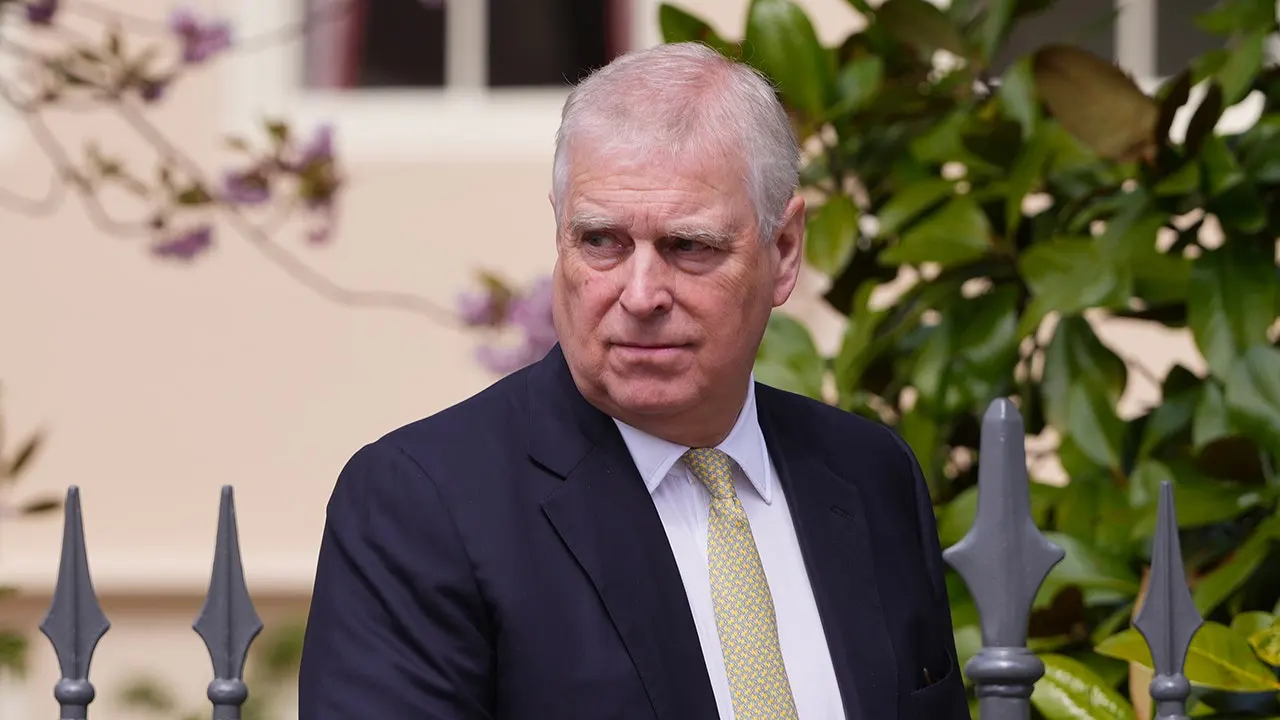
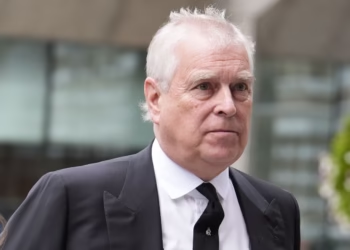
Buckingham Palace has made clear that King Charles will not provide private financial support for Andrew Mountbatten-Windsor’s legal challenge against Thames Valley police, as the former Duke of York prepares to contest the legality of search warrants connected to his arrest earlier this year.
The warning comes ahead of a private High Court hearing on Thursday, where Andrew’s legal team is expected to challenge the police action that resulted in searches of properties associated with him. Palace officials have stressed that although Andrew receives an annual financial allowance from the King’s private resources, those funds should not be used to finance the judicial review.
The amount of the annual payment has not been publicly disclosed. However, a palace source indicated that Andrew had been informed that the money provided by Charles was not intended to cover the costs of his legal proceedings against Thames Valley police.

The intervention underlines the increasingly clear separation between the King and his younger brother as Andrew faces continuing legal scrutiny over allegations connected to his former role as the UK’s trade envoy. Buckingham Palace has also indicated that it will have no involvement in determining Andrew’s legal strategy, leaving the former duke and his lawyers responsible for deciding how the case will proceed.
Andrew was arrested on 19 February, on his 66th birthday, on suspicion of misconduct in public office. The arrest followed allegations concerning his relationship with the late financier Jeffrey Epstein and claims that sensitive information may have been shared during Andrew’s period as Britain’s trade envoy.
The allegations remain the subject of an ongoing police investigation, and Andrew has not been convicted of any offence. Following his arrest, he was interviewed under caution and subsequently released under investigation.
On the same day as the arrest, Thames Valley police carried out searches at properties connected with Andrew. The force later confirmed that the searches had concluded on 24 February.
The searches were authorised through warrants issued by a judge at the Central Criminal Court. Police were permitted to search a residence on the Sandringham estate in Norfolk as well as Royal Lodge, Andrew’s former home in Windsor.
The legal challenge now being pursued by Andrew centres on whether Thames Valley police acted lawfully when obtaining and executing the warrants. His legal team has secured permission to bring a judicial review, creating an opportunity for the High Court to examine aspects of the police process and the circumstances surrounding the searches.
The forthcoming hearing is also expected to address a separate dispute over access to court documents. A judicial spokesperson has confirmed that Thames Valley police is seeking restrictions on access to certain documents connected with the case. As a result, the initial hearing is scheduled to take place privately.
The hearing is due to begin at 2pm on Thursday before Mr Justice Hilliard. It remains unclear whether Andrew himself will appear at the court.
The privacy surrounding the proceedings reflects the sensitive nature of the material involved. The police investigation remains active, and the legal arguments could involve information that authorities do not currently consider appropriate for public disclosure.
For Buckingham Palace, the issue presents another delicate moment in the continuing fallout surrounding Andrew. The King has previously sought to make clear that the criminal justice process should proceed independently of the royal family.
Following Andrew’s arrest in February, Charles issued a short written statement declaring that “the law must take its course”. The wording was widely seen as an indication that the King would not attempt to intervene in the investigation involving his brother.
Andrew has since been living at a property on the King’s private Sandringham estate in Norfolk. His position within the royal family has been substantially reduced over recent years, following a series of controversies surrounding his public role and relationship with Epstein.
The latest legal dispute therefore carries implications beyond the immediate question of the search warrants. It also places renewed attention on how Andrew will finance his defence and the extent to which his brother is prepared to provide financial assistance while the police investigation continues.
Buckingham Palace’s position appears designed to draw a firm line between the King’s private financial arrangements and Andrew’s legal affairs. While Charles continues to provide his brother with an annual stipend, palace officials have stressed that Andrew’s defence remains a matter for him and his lawyers.
That distinction may become increasingly important if the legal proceedings become prolonged or generate additional costs. A judicial review can involve substantial legal expenses, particularly when disputes over evidence, court documents and police procedures become part of the process.
The palace position also signals that Andrew cannot assume that royal resources will be available to support every aspect of his response to the allegations. Instead, responsibility for the litigation rests directly with him and his legal advisers.
Thames Valley police has maintained a cautious approach to the proceedings. A spokesperson said that the investigation into alleged misconduct in public office remains ongoing and confirmed that the force is involved in legal proceedings concerning warrants previously obtained from the Central Criminal Court.
The force declined to comment further, citing the ongoing nature of the court proceedings. That stance reflects the potential sensitivity of the legal challenge and the risk that public commentary could affect proceedings that remain before the courts.
The Thursday hearing could provide an important early indication of how Andrew’s challenge will develop. The High Court will be asked to consider issues surrounding the warrants and the police process, while the dispute over access to court documents adds another layer of complexity.
For Andrew, the proceedings represent an attempt to challenge the legal foundation of the searches that preceded his arrest. For Thames Valley police, the case comes as its wider investigation continues.
The outcome could have consequences for both sides, although the court proceedings themselves do not determine whether the underlying allegations against Andrew are proven. Any criminal investigation remains separate from the judicial review process.

The case is also likely to maintain public attention on the difficult position occupied by Andrew within the wider royal establishment. Charles has continued to support his brother privately, but the palace’s latest warning suggests that such support has clear limits when it comes to legal action arising from an active police investigation.
As the former duke prepares for his appearance before the High Court process, the distinction between private family support and public institutional responsibility is becoming increasingly significant. Buckingham Palace has made its position clear: Andrew’s legal battle is his own, and the King’s private money is not to be used to fund it.
With the police investigation still underway and the court now considering the legality of the warrants, the dispute is likely to remain closely watched. The forthcoming hearing may not resolve the wider allegations surrounding Andrew, but it could shape the next stage of his legal fight against the police and further clarify the boundaries between royal support, personal responsibility and the independence of the justice system.
Related News:
 It’s time to come clean on the China spy case
 French Taxi Driver Cleared in David Lammy Theft Case After Fare Dispute
 Met Police Culture Makes Racial Harm ‘Inevitable’
 Remaining rebel Labour MPs have whip restored
 Mass Arrests at London Palestine Protest Spark Debate
 Murder Probe Continues After Arrest Release
 UN expert urges UK to rethink Israel policy
 Ministers Condemn Far-Right Unrest in Portsmouth
 Miliband Rejects Chief Rabbi’s West Bank Warning
 Patriot Platform Raises Concern Across Britain
 UK Urged to Probe US Diplomat Case
 Mahmood Warns Far Right Over Asylum Protests
 UK Reviews Hague Child Abduction Cases Involving Abuse
 King Refers Jamaica Slavery Petition to Privy Council
 Far-Right Activist Arrested After Channel Dinghy Incident
 Portadown protest ends after tense Orange Order standoff
 Hundreds of UK prisoners released early amid overcrowding
 Drumcree Talks End Without Agreement Ahead of Appeal
 Gosport Protesters Clash With Police Over Migrant Rescue
 Andrew Mountbatten-Windsor Challenges Police Raids
 Tasers Introduced in UK Prisons to Combat Rising Violence and Protect Staff
 Police Advised to Disclose Ethnicity of Suspects in High-Profile Cases
 Jailed Georgian Opposition Leaders Warn UK of Iranian Links to Ruling Party
 Boris Johnson Breached Rules on Post-Office Business Contacts
 Five More Prisoners Freed by Mistake in Essex Week
 Afghan man charged with murder after west London knife attack
 FBI Director Kash Patel Defends Girlfriend Amid Government Jet Claims
 Just Stop Oil Protesters Convicted Amid Climate Defence Row
Boris Johnson accused of undermining BBC leadership
Just Stop Oil Protesters Convicted Amid Climate Defence Row
Boris Johnson accused of undermining BBC leadership
 ‘Reckless’ cuts to victims’ services will cost more than they save
 BBC Faces Backlash as Reform UK Withdraws from Film
 Palace to reinstate hyphen in Andrew’s surname
 Major Rent Reform Ends No-Fault Evictions in England
 Peers Flood Assisted Dying Bill with 942 Amendments
 UK Unveils Fast-Track Deportation and Asylum Overhaul
 UK Asylum Overhaul Sparks Debate Over Human Rights and Deportations
 UK Asylum Reforms: Temporary Refugee Status and Faster Deportations
 UK Candidate Moved to Safe House After Election Threats
 Mahmood Defends Tough Overhaul of UK Asylum System
 Paralegal Fired After Exposé on Illegal Worker Scam
 South African Detained After Neo-Nazi Rally in Australia
 Westminster Advances Legacy Bill Amid Criticism
 Serial Rapist and Former Cop Found Guilty Again
 Most Tories Expect to Support a Farage-Led Government
 Peers Get Extra Time to Debate Assisted Dying Bill
 ‘It’s a Complete Scandal’: Aristocrat’s Fight for Prison Children
 Tim Walz urges Trump to withdraw federal agents immediately
 UK and EU Signal Fresh Push for Defence Cooperation Talks
 Civil Service Pay: Union Urges Ministers to End ‘Barking Mad’ Limits
 Proposed Law Leaves Gap for Children of Convicted Paedophiles
 Can King Charles Calm Trump on Key US Visit?
 Prevent Failings Exposed After Southport Attack
 NHS Safety Fears as Nurses Cover Doctor Gaps
 Charles Faces Trump Test in High-Stakes US Visit
 Crackdown Backfires on UK Climate Protesters
 Cartel crackdown raises fears of fresh violence
 Barrister Criticises Trial After Suicide Case Verdict
 Westminster Council Threatens Charing Cross Soup Kitchen
 BBC Warned About Missing Clothes of Murder Victim
 Unions Warn Labour Over Zero-Hours Contract Reforms
 Masked Protesters Bring Dover Port Traffic to Standstill
 UK plans tougher Israel stance with settlement trade ban
 Councils spend £125m on illegal children’s care
 Royal Crown Branded Enslaved Africans in Britain’s Slave Trade
 Israel Accused of Undermining Palestinian Life
 Disabled Travellers Seek Fairer UK Care Rules
 Harrods Faces Dispute Over Fayed Abuse Compensation
 Reform UK Faces Internal Debate Over £72m Spending
 Democrat Says ICE Restricted Detention Camp Oversight
 Japan PM Backs International Criminal Court
 Free Speech Emerges as Key UK Election Issue
 Five Arrested Near RAF Fairford in Terror Probe
 London Facial Recognition Trial Ends With False Alert
 French Student Protests Escalate Into Violent Clashes
 Burnham Opens Door to Possible UK Return to EU
 Drumcree Talks Falter as Legal Challenge Deepens
 UK-France Returns Deal Faces Expiry as Talks Stall
 Badenoch Raises Prospect of 2027 UK Election
 French School Protests Escalate as 400 Schools Close
 FCA probe follows whistleblower’s death