Published: 19 September 2026. The English Chronicle Desk. The English Chronicle Online.
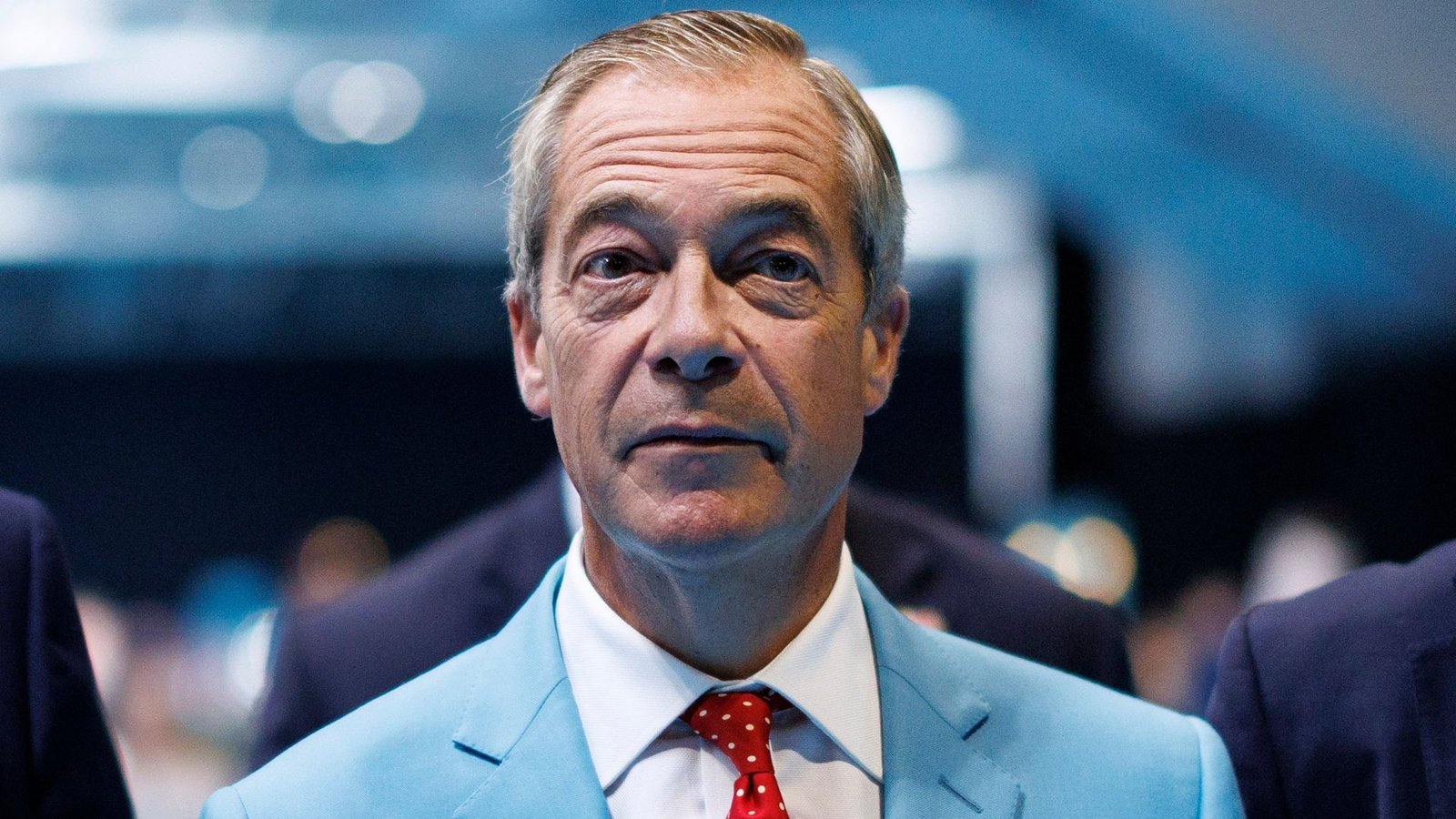
Reform UK is facing an internal debate over how to use a record £72 million in political donations after some grassroots activists questioned party leader Nigel Farage’s plan to spend a substantial portion of the money on professional campaign managers and other paid staff.
The donations, worth £36 million each, were made by cryptocurrency billionaires Ben Delo and Christopher Harborne and represent an unprecedented financial boost for the party. Reform has presented the money as an opportunity to build a nationwide political organisation capable of competing with Britain’s established parties. But the scale of the funding is also exposing differences within the party over how its resources should be used and what kind of organisation Reform should become.
Farage has announced plans to use the new funding to recruit about 400 campaign managers in constituencies considered important to the party’s future electoral strategy. The proposal has prompted some activists to argue that additional volunteers, rather than professional managers, are what the party needs most.
One Reform activist questioned the emphasis on managers in an online discussion among party supporters, arguing that the priority should instead be increasing the number of people willing to campaign directly with voters. Another party member and former candidate expressed concern that professional campaign managers would still require large numbers of volunteers to carry out door-to-door campaigning.

The debate reflects a broader question facing Reform as it moves from its origins as a relatively small insurgent political movement towards a more structured national party. Rapid growth brings the need for permanent staff, professional administration and regional coordination, but it can also create tensions with members who joined the party because of its grassroots character.
The £72 million has given Reform considerably more financial capacity than it had before. The party is already recruiting staff across Britain, with more than 60 vacancies advertised in areas ranging from campaign organisation and branch development to communications and digital production.
Among the positions being recruited are regional branch coordinators described by the party as central to strengthening its organisational structure. Dozens of full-time campaign managers are also being sought in towns, cities and regions across the country. Other vacancies include a call centre manager, local by-election managers and a councillor welfare manager responsible for working with Reform’s elected councillors.
The party says its councillor network now numbers around 2,300 representatives, creating an increasingly complicated organisational structure that requires administrative support. The recruitment programme therefore extends beyond election campaigning and into the day-to-day management of a growing political organisation.
Reform is also investing in its communications operation. Vacancies include graphic designers, video editors and writers, reflecting the party’s strong focus on digital campaigning and social media platforms such as TikTok. Applicants for some writing positions have been asked to demonstrate that they can communicate in the distinctive political style associated with Reform figures.
The expansion is part of a wider effort to professionalise Reform’s operations before the next general election. Rather than concentrating all of the new money on a traditional election campaign, the party is expected to spend a significant amount on building its infrastructure during the years before an election is called.
That could include expanding its policy research operation, developing regional networks, collecting constituency-level information and improving its ability to communicate with voters through targeted campaigning.
A Reform source described some of the initial spending as necessary administrative expenditure associated with running a much larger political organisation. Offices, salaries, technology, communications, equipment and other routine expenses can consume substantial sums even before direct campaigning begins.
The party’s leadership appears to see the donations as an opportunity to establish an organisation capable of operating continuously rather than relying primarily on volunteers during election periods. That represents a significant change for a movement that has traditionally placed considerable emphasis on grassroots activism and direct engagement.
For some members, however, professionalisation raises questions about who will control local campaigning. Existing branch members who have taken on campaign responsibilities may find themselves working alongside paid staff appointed from outside their local organisations. That could create disagreements over authority, priorities and the allocation of resources.
The issue is particularly sensitive because Reform’s political identity has been closely associated with challenging established party structures. Some supporters are concerned that creating a large professional bureaucracy could alter the character of the organisation.
The party leadership has sought to dismiss the internal disagreements as a normal consequence of having more money and more opportunities. A Reform source said members would naturally have different views about which projects should receive funding first, while stressing that the party would continue to raise money from its membership.
The new funding is also likely to increase Reform’s activity during upcoming by-elections and local elections. Professional staff could allow the party to maintain a permanent presence in constituencies rather than relying exclusively on volunteers who become active shortly before an election.
Reform is expected to use a combination of direct mail, digital advertising, local campaigning and constituency-level research as it develops its electoral operation. The organisation may also increase its investment in television, video production and other forms of political communication.
The financial boost comes at a time when questions about political donations and the influence of wealthy individuals on British politics are receiving renewed attention. The combined £72 million contribution is the largest amount donated to a British political party since detailed declarations of party donations became mandatory in 2001.
The donations have generated a separate dispute over whether they comply with existing and proposed rules governing political funding. Reform maintains that the contributions are lawful, while scrutiny has focused on the donors’ residency and eligibility under changing legislation.
The government is considering reforms to political donation rules, including measures aimed at restricting certain overseas-linked contributions. Proposed changes could affect the ability of wealthy British citizens living abroad, or those who have recently returned to Britain, to make very large political donations.
The issue has therefore created uncertainty around the long-term status of the £72 million. Reform has defended the contributions and rejected suggestions that the donors should receive political or commercial benefits in return. The party has said the two donors will not be rewarded with honours, government contracts or other positions if Reform enters government.
The debate over political funding is not limited to Reform. Other parties and campaign groups have called for changes to the rules governing large donations, arguing that extremely wealthy individuals should not be able to provide political parties with sums far exceeding what ordinary members can contribute.
Supporters of the existing system, meanwhile, have argued that legitimate donors should be able to support political parties within the law and that Reform is entitled to use its funding to strengthen its organisation.
For Reform itself, the challenge now extends beyond raising money. The party must decide how to turn its unprecedented financial resources into a functioning national structure while maintaining relationships with its existing membership.
The disagreement among activists illustrates the difficulty of managing rapid organisational growth. A larger budget can provide professional expertise, better technology and greater administrative capacity, but it can also change internal expectations and create new disputes over decision-making.
Farage’s approach places significant emphasis on central coordination, professional staff and constituency-level campaigning. The success of that model will depend partly on how effectively paid employees and volunteers work together.

The party’s transformation is therefore being watched not only because of the size of its financial windfall, but also because it could shape how Reform operates over the next several years. With substantial resources available outside the formal election period, the party has an opportunity to establish a permanent campaign structure across Britain.
At the same time, the controversy surrounding the donations means that every major spending decision is likely to attract attention. The party’s leadership will have to balance demands for professionalisation with expectations from members who want the organisation to retain its grassroots character.
For Reform activists, the immediate question is not simply how much money the party has received, but how that money will change the organisation they helped build. As the recruitment programme expands and the party establishes a larger professional operation, disagreements over staff, volunteers and local control are likely to remain part of the internal conversation.
The £72 million has given Reform unprecedented financial capacity. How the party manages that money, structures its organisation and balances professional campaigning with grassroots participation will now become an important part of its political development.
Related News:
 Reform Faces Questions Over £72m Donations
 Tories Push to Dilute Labour’s Workers’ Rights Bill
 BBC News Faces Deep Cuts in 2,000 Job Plan
 City & Guilds Faces Governance Crisis Over Sale
 Reeves Fights to Keep Treasury Role Amid Labour Turmoil
 Trump Refuses to Sign Housing Bill, But Law Takes Effect
 Unions Warn Labour Over Zero-Hours Contract Reforms
 Burnham Faces Mounting Budget Challenges
 Reform Faces Fresh Financial Controversy
 UK plans tougher Israel stance with settlement trade ban
 Reform UK Receives Record £36m Donation From Crypto Billionaire
 UK Retailers Accused of Breaking Refund Laws
 Farage Threatens Union Funding Ban Over Reform Donations
 Tories Press Healey Over Tax Rises Ahead of Budget
 Trump Threatens EU With Tariffs Over Canada Proposal
 Trump Threatens EU Over Canada Partnership Proposal
 David Lammy Faces Possible Legal Challenge Over Foreign Office Secondment Scheme
 Lucy Powell urged ministers to reconsider costly legal case for Labour donor’s firm
 Trump’s UK Ambassador Urges North Sea Drilling to Strengthen US Ties
 French Taxi Driver Cleared in David Lammy Theft Case After Fare Dispute
 Rachel Reeves Set to Break Labour Pledge and Raise Income Tax
 MPs Press Rachel Reeves to Hike Gambling Taxes
 Remaining rebel Labour MPs have whip restored
 Millionaires group urge Reeves to introduce wealth tax to ‘lift kids out of poverty’
 Palace to reinstate hyphen in Andrew’s surname
 Major Rent Reform Ends No-Fault Evictions in England
 Peers Flood Assisted Dying Bill with 942 Amendments
 UK Unveils Fast-Track Deportation and Asylum Overhaul
 UK Asylum Overhaul Sparks Debate Over Human Rights and Deportations
 UK Asylum Reforms: Temporary Refugee Status and Faster Deportations
 Mahmood Defends Tough Overhaul of UK Asylum System
 Westminster Advances Legacy Bill Amid Criticism
 PM Highlights UK Business at G20 in South Africa
 Peers Get Extra Time to Debate Assisted Dying Bill
 Starmer Says Labour’s Economic Plan Needs Years to Deliver
 Virgin Media Fined £23.8m Over Telecare Safety Failures
 UK Government Borrowing Drops to £11.6bn in December
 Tim Walz urges Trump to withdraw federal agents immediately
 UK and EU Signal Fresh Push for Defence Cooperation Talks
 UK shelves £110m border project amid trade strain
 Civil Service Pay: Union Urges Ministers to End ‘Barking Mad’ Limits
 UK Sees Record £30.4bn Budget Surplus, Boosting Reeves’ Position
 Reeves Must Back Defence Plan or Face Dismissal, Says Unite Chief
 OBR Reform Row Deepens Before Spring Forecast
 Proposed Law Leaves Gap for Children of Convicted Paedophiles
 Farage Faces Backlash Over Crypto Cameo Endorsements
 UK Doubles Steel Tariffs to 50% to Protect Domestic Plants
 Starmer Adviser Urges New Profit Cap on Energy Firms
 Student Loan Interest May Rise Despite 6% Cap
 City & Guilds Sale Sparks Fees and Pay Uproar
 Crackdown Backfires on UK Climate Protesters
 Silent Tracks: Rail Line Without Passengers
 Labour Faces Internal Pressure for Bold Economic Shift
 UK Pushes for New EU Goods Trade Deal
 UK Urged to Build EU Rejoin Consensus, Says Miliband
 UK rejects EV charging VAT cut amid Treasury clash
 Nationwide Faces Governance Scrutiny Ahead of AGM
 Hungary Targets Oligarchs with Proposed Landmark Wealth Tax
 Andy Burnham Enlists Economic Heavyweights for Leadership Bid
 Great Britain Faces £90bn Electricity Grid Rewire Bill
 Labour MPs Urge Burnham to Revive UK Aid Target
 Burnham unveils £65m drought aid for farmers
 UK Subsidence Claims Surge After Record-Breaking Summer
 UK House Prices Fall as Mortgage Rates Rise
 Billionaire Chris Rokos poised to leave UK
 Councils spend £125m on illegal children’s care
 Oil nears $100 as Saudi attacks shake markets
 Trump gives $45,000 holiday gifts to White House aides
 JPMorgan Boss Warns Against UK Bank Tax Rise
 John Lewis Losses Widen to £124m as Confidence Falls
 North Sea Firms Urge Early End to Windfall Tax
 UK Pay Growth Slows to 3.9% as Rate Decision Nears
 Bank Urged to Slow Bond Sales as UK Costs Rise
 JLR Eyes NATO Market With New Defender Military Vehicle
 Entain Plans 400 Job Cuts After Profit Update
 Tom Watson Takes Senior Role at Palantir
 Mahmood Warns Far Right Over Asylum Protests
 UK Retail Sales Rebound as Consumers Spend More
 Disabled Travellers Seek Fairer UK Care Rules
 UK Rent Gap Puts Low-Income Families Under Pressure