Published: 18 September 2026. The English Chronicle Desk. The English Chronicle Online.
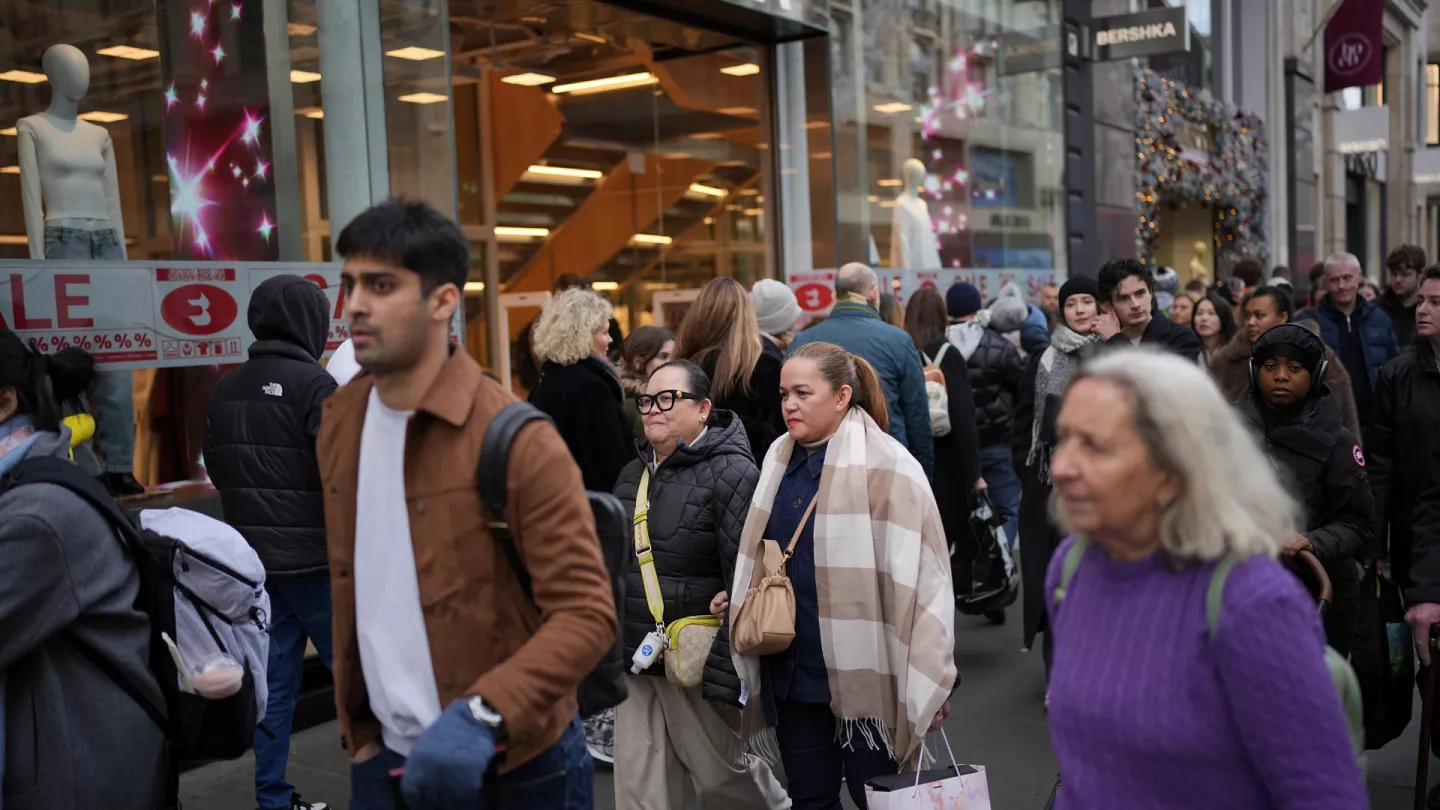
Retail sales across Great Britain returned to growth in August, offering a fresh indication that consumer activity remains more resilient than some recent economic forecasts had suggested. Official figures showed that the volume of goods purchased increased by 0.5% during the month, reversing the decline recorded in July and exceeding expectations for a modest fall.
The latest figures from the Office for National Statistics show that retail sales volumes fell by 0.5% in July but recovered by the same margin in August. Analysts had expected sales to decline by about 0.2% last month, making the reported increase an unexpected improvement. The figures provide another piece of evidence that parts of the British economy have continued to withstand pressure from higher prices, elevated energy costs and uncertainty surrounding household finances.
The improvement was particularly noticeable in areas of retail affected by the unusually warm summer weather. Consumers increased purchases of products such as electric fans and air-conditioning equipment, while sports-related merchandise and clothing also benefited from stronger demand. The hot weather influenced shopping patterns by delaying some of the normal transition from summer products to autumn goods.
Across the three months to August, retail sales volumes were 2.4% higher than during the same period a year earlier. Sales also increased by 0.9% compared with the three months to May, according to the ONS. The figures suggest that, despite significant pressures on household budgets, consumer spending has not weakened as sharply as some forecasts had anticipated.

The August improvement was spread across several parts of the retail sector. Department stores recorded a 1.8% monthly increase in sales volumes after a weaker performance in July. The ONS said the previous month’s decline had been linked in part to stock availability problems. Clothing retailers also recovered from a July downturn, while non-food stores as a whole recorded a 0.6% monthly increase.
Online and other non-store retailers also played an important role in the recovery. Sales volumes in this part of the sector increased by 1.7% in August. Over the three months to August, non-store retail sales volumes were 5.4% higher than in the corresponding period a year earlier.
The wider online retail market showed a similar improvement. The value of online sales increased by 2.5% in August after falling by 4.2% in July. Compared with August 2025, online sales values were 8.9% higher. Online purchases accounted for 28.8% of total retail sales in August, up from 28.4% in July.
The figures highlight how significantly shopping habits have changed in recent years. Although physical stores continue to account for the majority of consumer purchases, online retail remains a substantial part of the British market. Seasonal promotions, weather conditions and changes in household spending patterns can all produce sizeable monthly movements in internet sales.
Food and drink-related spending also contributed to the strength of the summer trading period. The ONS reported that retailers selling alcohol and beverages performed well throughout the three months to August. Retailers attributed some of the additional demand to promotional activity, warm weather and the men’s football World Cup, which provided another event encouraging consumers to gather at home and in social settings.
However, the recovery was not universal. Fuel sales continued to weaken in August, falling by 1.7% during the month and by 2.5% over the three-month period. Rising petrol and diesel prices have encouraged some motorists to reduce non-essential journeys and change their purchasing habits.
The decline in fuel sales comes against a backdrop of increased energy costs and continuing uncertainty in international energy markets. Higher fuel prices have added another burden to households and businesses already dealing with elevated food, utility and transport costs.
The ONS said retailers had previously reported changes in motorists’ behaviour as prices increased. Some consumers have reduced the frequency of journeys, while others have delayed filling their vehicles or bought smaller quantities of fuel at a time.
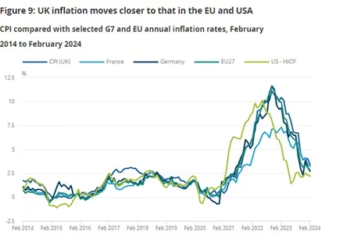
The broader economic environment remains mixed. Retail sales have improved, but households continue to face higher prices than a year ago. Consumer price inflation rose to 3.1% in August, up from 2.9% in July. Transport costs, particularly motor fuels, were among the main contributors to the increase.
The Bank of England maintained its Bank Rate at 3.75% on Thursday. The central bank nevertheless warned that higher energy prices linked to the continuing conflict in the Middle East could push inflation higher over the coming quarters. The Monetary Policy Committee said the outlook remained dependent on the scale and duration of the energy shock and its impact on the wider economy.
The combination of stronger retail activity and persistent inflation presents a complicated picture for policymakers. Stronger consumer spending can support economic growth, employment and business revenues, but sustained demand can also complicate efforts to bring inflation back towards the Bank of England’s 2% target.
For households, the latest retail figures also conceal differences in the way people are managing their finances. Spending on products directly associated with hot weather and seasonal activities increased, while other forms of discretionary spending remain more sensitive to household budgets. Consumers are continuing to make choices based on prices, promotions and immediate needs.
Retailers therefore enter the autumn period with both opportunities and risks. Strong summer sales may provide some businesses with a stronger financial base going into the final months of the year, but higher energy, transport and operating costs remain significant challenges.
The timing of the latest figures is also important for the government as Chancellor John Healey prepares for the October budget. Healey became Chancellor of the Exchequer in July and is responsible for economic and fiscal policy, including the annual budget. Recent government economic data have provided some positive signals, including stronger-than-expected economic growth in July.
The retail figures add to those signs of resilience, although they do not remove the broader economic challenges facing the country. A single month’s retail performance can be affected by weather, promotions, sporting events and other temporary factors, meaning economists generally look at longer periods when assessing the underlying direction of consumer demand.

The ONS itself has cautioned that monthly retail movements can be volatile and should be considered alongside three-month trends and other economic indicators. The 2.4% annual increase in sales volumes over the three months to August therefore provides useful context for the 0.5% monthly rise.
The summer performance nevertheless suggests that consumers remained active despite a difficult cost environment. The warm weather created additional demand for cooling equipment, sports products and seasonal clothing, while online retailers and department stores recorded notable improvements.
Whether that momentum continues into the autumn will depend on several factors, including inflation, energy prices, borrowing costs, employment conditions and household confidence. The approach of the government’s budget will also bring additional attention to taxation, public spending and the wider economic outlook.
For British retailers, the immediate message from August is one of cautious resilience. Consumers continued to spend, but the pattern of spending showed that price pressures and changing household priorities remain influential. As the country moves into a potentially more challenging autumn, businesses will be watching closely to see whether the summer rebound develops into a sustained improvement or proves to be largely driven by temporary seasonal conditions.
Related News:
 UK House Prices Fall as Mortgage Rates Rise
 Oil nears $100 as Saudi attacks shake markets
 Thames Water Revises Oxfordshire Mega-Reservoir Plan
 Wealthy Britons Flee Gulf War but Avoid UK Taxes
 UK Wage Growth Slows as Jobs Market Holds Firm
 BBC News Faces Deep Cuts in 2,000 Job Plan
 New UK advice scheme to boost savings and investing
 Reeves Fights to Keep Treasury Role Amid Labour Turmoil
 UK rejects EV charging VAT cut amid Treasury clash
 EasyJet Takeover Sparks Fears Over Passengers’ Future
 Europe Faces Winter Gas Supply Anxiety
 UK Households Could Save £173 on Fixed Energy Deals
 Burnham Faces Mounting Budget Challenges
 Dutch Bank Moves 86 Tonnes of Gold to London
 UK Cost Squeeze Deepens as Mortgages and Gas Rise
 Billionaire Chris Rokos poised to leave UK
 JPMorgan Boss Warns Against UK Bank Tax Rise
 John Lewis Losses Widen to £124m as Confidence Falls
 UK State Pension Set to Rise 3.9% as Triple Lock Holds
 UK Parents Cut School Uniform Costs as Prices Rise
 UK Pay Growth Slows to 3.9% as Rate Decision Nears
 Bank Urged to Slow Bond Sales as UK Costs Rise
 UK Inflation Hits 3.1% as Household Pressure Grows
 UK Productivity Improves as Bank Weighs Interest Rates
 Japan Raises Rates to 31-Year High
 UK Doubles Steel Tariffs to 50% to Protect Domestic Plants
 Oil and Gas Prices Surge Amid Iran-Israel Attacks on Gasfields
 Student Loan Interest May Rise Despite 6% Cap
 Europe EV Demand Surges as Fuel Prices Rise
 Carmakers Face £3bn Gap in UK Loan Payout Scandal
 Albanese Rejects Gas Export Tax Push
 Spirit Airlines shuts down after 34 years amid crisis
 City & Guilds Faces Governance Crisis Over Sale
 UK Pushes for New EU Goods Trade Deal
 UK firms accused of ‘AI washing’ boom
 Essex valley emerges as rising English wine hub
 Severn Trent CEO Reward Package Doubled Despite Public Anger
 Weight-Loss Drugs Transform Fashion Shopping Habits
 Labour MPs Urge Burnham to Revive UK Aid Target
 Canada to Match Trump’s 50% Tariffs Dollar for Dollar
 Pubs and Hotels Face Business Rates Reform Review
 Firms on both sides fear damage from US-Canada trade war
 US CEOs Earn 614 Times More Than Workers
 Trump Hardens Canada Trade Stance as Talks Stall
 UK Subsidence Claims Surge After Record-Breaking Summer
 Reform Faces Fresh Financial Controversy
 Spire Healthcare Agrees £1bn Takeover by Toscafund
 Oil Prices Surge as Saudi Pipeline Closure Deepens Crisis
 Reform Faces Questions Over £72m Donations
 UK Retailers Accused of Breaking Refund Laws
 North Sea Firms Urge Early End to Windfall Tax
 UK Youth Jobs Gap Reveals Deep Regional Divide
 Entain Plans 400 Job Cuts After Profit Update
 Next Raises Profit Forecast After Strong Summer Sales
 Tories Press Healey Over Tax Rises Ahead of Budget
 Trump Threatens EU With Tariffs Over Canada Proposal
 Trump Threatens EU Over Canada Partnership Proposal
 Barclays Staff Push Back Against Office Return Plan
 Reeves Faces Setback as Labour May Miss Homes Target
 Trump’s UK Ambassador Urges North Sea Drilling to Strengthen US Ties
 M&S Profits More Than Halve After Cyber-Attack
 Millionaires group urge Reeves to introduce wealth tax to ‘lift kids out of poverty’
 Starmer Says Labour’s Economic Plan Needs Years to Deliver
 Starmer Faces Parliamentary Battles Over UK-EU ‘Reset’ Plan
 ScottishPower Tops List of Worst UK Energy Suppliers
 City & Guilds pay surge sparks backlash amid £22m cuts
 UK Unemployment Rate Climbs to 5.2% Peak
 Farage Faces Backlash Over Crypto Cameo Endorsements
 Rising Costs Force Families to Rethink Days Out
 Unions Raise Concerns Over Doctors’ Pay Dispute
 UK Staycations Rise as Travel Fears Grow
 Silent Tracks: Rail Line Without Passengers
 Tube Strike Brings Capital to a Standstill Over Shift Disputes
 EU Slashes Steel Quotas But Grants UK Favourable Rates
 Apollo Launches £5.7bn Bid for Aviation Giant easyJet
 Burnham unveils £65m drought aid for farmers
 Unions Warn Labour Over Zero-Hours Contract Reforms
 London Launches First Self-Driving Taxis
 Mayors Could Gain Greater Powers Over Water Firms
 Tom Watson Takes Senior Role at Palantir