Published: 02 November 2026. The English Chronicle Desk. The English Chronicle Online.
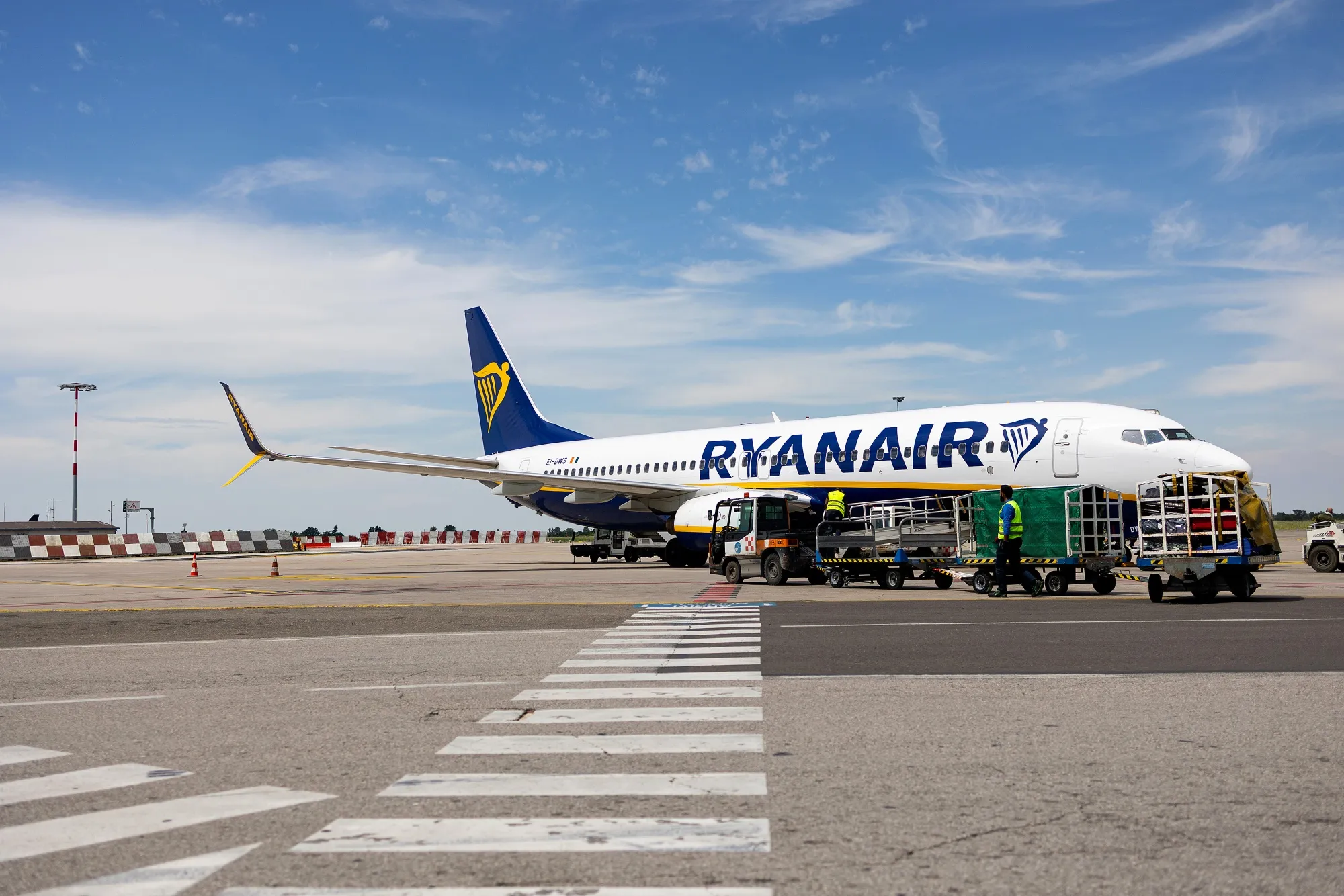
Ryanair is considering a range of cost-cutting measures, including temporary pay freezes, lower crew numbers on flights and greater use of artificial intelligence, as Europe’s largest low-cost airline prepares for a sharp increase in fuel expenses linked to the continuing conflict in the Middle East.
The airline has warned that its annual jet fuel bill could rise by about €2bn in the financial year ending in March 2028 if energy prices remain elevated. Ryanair expects the increase to put further pressure on its finances and believes airlines across Europe will have little choice but to raise ticket prices significantly as existing fuel-hedging arrangements expire.
Chief executive Michael O’Leary said the airline expected jet fuel prices to remain high well into 2027 unless there was a rapid resolution to the Middle East conflict. He warned that higher fuel costs would create a substantial additional burden even as European short-haul fares were expected to rise.

Ryanair believes European airlines could increase ticket prices by as much as 20% as carriers respond to higher fuel expenses and reductions in available capacity. However, the airline’s management does not expect higher fares to fully compensate for the projected €2bn increase in its own fuel bill.
The company is therefore examining costs throughout its operations. O’Leary said the review would include negotiations with airports, employment agreements, crew ratios and the wider use of artificial intelligence. Some existing labour agreements may result in temporary pay freezes, while changes to crew numbers could reduce staffing costs on flights.
The proposals come at a sensitive time for the aviation industry, where airlines are attempting to balance rising operating expenses against continued pressure to offer competitive fares. Low-cost carriers such as Ryanair have traditionally relied on tight cost control to keep ticket prices low, making increases in fuel expenditure particularly important to their financial performance.
Ryanair said the planned expansion of artificial intelligence would primarily target productivity improvements in operational activities as well as back-office and support functions. The company did not indicate that AI would replace all affected roles, but described the technology as one component of a broader programme aimed at controlling expenses.
The airline’s fuel position provides some protection in the short term. Ryanair said it had hedged 80% of its fuel requirements through the end of March at an average price of $67 a barrel. However, protection is significantly lower for the following 12 months, with only 25% of fuel requirements hedged at $95 a barrel.
That difference could expose the airline to greater costs if oil prices remain around current levels or rise further. Oil prices reached a six-month high on Friday before easing to approximately $110 a barrel on Monday, leaving airlines facing a significantly different energy environment from the prices secured through some of their earlier hedging arrangements.
Fuel hedging allows airlines to lock in prices for a portion of their future requirements, reducing exposure to sudden movements in global energy markets. But once those contracts expire, carriers can become more exposed to prevailing market prices. Ryanair’s warning reflects concerns that the higher costs could continue for an extended period rather than being a temporary disruption.
The company is also facing uncertainty over passenger demand and ticket prices. Ryanair reported that average fares fell by 2% year on year during the quarter ending in September. At the same time, passenger numbers increased by 5% to 64.5 million, demonstrating that demand for its services remained strong despite lower average fares.
The airline recorded a post-tax profit of €1.61bn for the quarter. Although that represented a 6% decline compared with the same period a year earlier, the result was broadly in line with analyst expectations.
Ryanair said fares during the final three months of the year were currently trending modestly above those recorded during the same period last year. However, the company cautioned that its ability to forecast future revenue remained limited because customers were booking flights closer to departure.
The shorter booking window means that Ryanair has less visibility over future demand and pricing. The airline said the performance of the current quarter would depend heavily on bookings around the October-November school midterm holidays and the Christmas period.
The combination of stronger passenger numbers and weaker average fares illustrates the challenge facing Ryanair. While the airline continues to attract large numbers of travellers, it cannot necessarily rely on passenger growth alone to absorb a major increase in fuel costs.
The company is also expecting competitors to reduce capacity as airlines respond to higher operating expenses. Ryanair believes capacity reductions across the European market could support higher fares, particularly on short-haul routes where airlines compete intensely on price.
However, fare increases also carry risks. Ryanair’s low-cost model depends heavily on maintaining attractive prices for consumers who are sensitive to travel costs. Significant increases in fares could affect demand, particularly among families and leisure travellers who have greater flexibility over whether and when they travel.
For European passengers, the potential changes could mean that the era of relatively low short-haul airfares becomes more difficult to sustain if fuel prices remain high. Airlines may attempt to pass higher costs to customers through ticket prices, while also looking for savings in staffing, technology, airport arrangements and other operating expenses.
The possibility of temporary pay freezes could also create tensions with employees, particularly as airlines seek to reduce labour costs while maintaining operational standards. Any reduction in crew ratios would similarly require careful management because airlines must continue to meet safety requirements and provide adequate service to passengers.
Ryanair’s focus on AI reflects a broader trend across the aviation industry, where carriers are increasingly examining automation and data-driven technology as ways to improve productivity. The airline’s plans indicate that AI is being considered not simply as a technological investment but as part of a wider response to rising costs.
The company has not suggested that all of the measures under review will necessarily be implemented. Instead, management is examining different options as it prepares for a period of potentially higher fuel prices and uncertain market conditions.
For Ryanair, the immediate challenge is to protect profitability without undermining the low-cost strategy that has helped it become Europe’s largest airline by passenger numbers. The company must also navigate changing consumer demand, volatile energy prices and increasing pressure across the aviation sector.

The latest financial results show that Ryanair remains profitable and continues to expand passenger volumes. But the projected €2bn increase in fuel costs represents a substantial challenge that cannot easily be absorbed through existing earnings.
As the airline enters a period of greater fuel-price exposure, its decisions on fares, staffing, technology and supplier costs could have consequences beyond the company itself. If other European airlines face similar pressures, passengers could see higher fares across the short-haul market.
Ryanair’s warning therefore points to a potentially difficult period ahead for European aviation. The industry’s ability to contain costs while keeping flights affordable will depend heavily on the direction of oil prices, the development of the Middle East conflict and the strength of travel demand through 2027 and beyond.
Related News:
 EasyJet Takeover Sparks Fears Over Passengers’ Future
 Billionaire Chris Rokos poised to leave UK
 Oil nears $100 as Saudi attacks shake markets
 JPMorgan Boss Warns Against UK Bank Tax Rise
 Thames Water Revises Oxfordshire Mega-Reservoir Plan
 UK Trade Losses Grow Without EU Product Deal
 Poundland Rescue Bid Could Protect 11,000 Jobs
 Boots Sale Nears as Weston Family Eyes $9bn Deal
 UK Diesel Reaches £2 as Inflation Surges Across Europe
 Minister Rejects Fears of UK Diesel Shortage
 UK Faces Calls to Review Bank Failure Bets
 Informa Agrees £2.24bn Deal to Buy Clarion
 Asos Investigates Hack Claims After Customer Alerts
 Healey Plans £1bn Online Marketplace Tax Crackdown
 BP Profits Surge as Middle East Conflict Lifts Margins
 Pubs and Hotels Face Business Rates Reform Review
 UK House Prices Fall as Mortgage Rates Rise
 Nats Boss Summoned as UK Flight Chaos Continues
 Iceland to Open First UK High Street Store in Falklands
 John Lewis Losses Widen to £124m as Confidence Falls
 UK Retailers Accused of Breaking Refund Laws
 UK Productivity Improves as Bank Weighs Interest Rates
 UK Retail Sales Rebound as Consumers Spend More
 UK Borrowing Hits £18.3bn Ahead of Budget
 Thinktank Calls for Abolition of UK State Pension
 MPs Defend UK Economic Watchdog Against Critics
 Chinese Hybrid Car Surge Raises EU Auto Industry Concerns
 AO Acquires Jessops in Camera Retail Expansion
 TalkTalk Races to Sell Arms as Administration Looms
 Should Savers Lock Into 5.25% Fixed Rates?
 Avanti West Coast Set for Public Ownership in March
 Beaverbrooks Boss Calls for Relief on Business Costs
 UK Diesel Prices Hit Record High Amid Iran Conflict
 Bank Chief Calls for Power to Intervene in AI
 UK house price growth slows as mortgage rates rise
 UK borrowing costs surge as global bond sell-off deepens
 UK Bookmakers Linked to Offshore Casino Deal
 BBC Three and Scotland Face Online-Only Future
 UK Assures Public Over Diesel Supply
 Feeld Founders Receive Record Dividend as Sales Rise
 UK Weighs Chinese Car Tariffs Amid EU Trade Push
 BT Agrees £400m TalkTalk Rescue Deal
 EU-China Talks Target Surge in Hybrid Car Imports
 Google Maps Brings Live Fuel Prices to UK Drivers
 Tesco Raises Profit Forecast as Consumer Confidence Holds
 Ministers Push ATO to Reconsider Credit Card Ban
 Australia Delays Tax Credit Card Payment Ban After Backlash
 Firmus Abandons Major ASX Listing Amid Investor Doubts
 UK Savers Face Uncertainty as Rates Rise Above 5%
 IFS Warns UK Budget Faces £35bn Spending Gap
 UK Van Drivers Face £2.5bn Diesel Cost Surge
 EU Caps Chinese Hybrid Car Imports at 350,000
 IMF Warns Global Economy Is Nearing Its Limits
IMF Raises UK Growth Forecast Ahead of Healey’s Budget
 Cyber-Attack Puts Hobbs and Whistles Customer Data at Risk
 UK Water Firms Face £107m Bill Reduction Penalties
 Global Tech Sell-Off Deepens on Inflation and AI Debt Fears
 Business Chief Urges Burnham to Fix Brexit Damage
 UK Unemployment Falls to 4.7% as Vacancies Decline
UK Borrowing Hits £24.5bn Ahead of Healey’s Budget
 Labour MPs Urge Burnham to Lead UK Reindustrialisation
 China’s AI Ambitions Hit $2.4 Trillion Market Setback
 Anthropic IPO Reveals AI Boom’s Huge Costs and Risks
 UK Chancellor Moves to Scrap Gas Standing Charges
 Healey Set to Scrap Planned Cut to Cash ISA Allowance
 Lloyds Warns Against Extending Higher Bank Tax
 UK House Price Growth Slows to Two-Year Low
 London Luxury Homes Face Deeper Price Declines
 Avanti West Coast Faces £70m Refund Bill
 Australia Faces Deeper Economic Slowdown
 UK Mortgage Holders Face Fresh Payment Shock
 London Launches First Self-Driving Taxis
 UK Cost Squeeze Deepens as Mortgages and Gas Rise
 Entain Plans 400 Job Cuts After Profit Update
 UK Rent Gap Puts Low-Income Families Under Pressure
 Calls Grow to Expand UK National Wealth Fund
 Healey urged to act as UK energy bills rise 4%
 Royal Mail Plans Up to 2,500 Job Cuts
 UK Inflation Hits 3.5% as Middle East War Drives Fuel Costs
 Sainsbury’s Warns of Tough Christmas Ahead