Published: 22 October 2026. The English Chronicle Desk. The English Chronicle Online
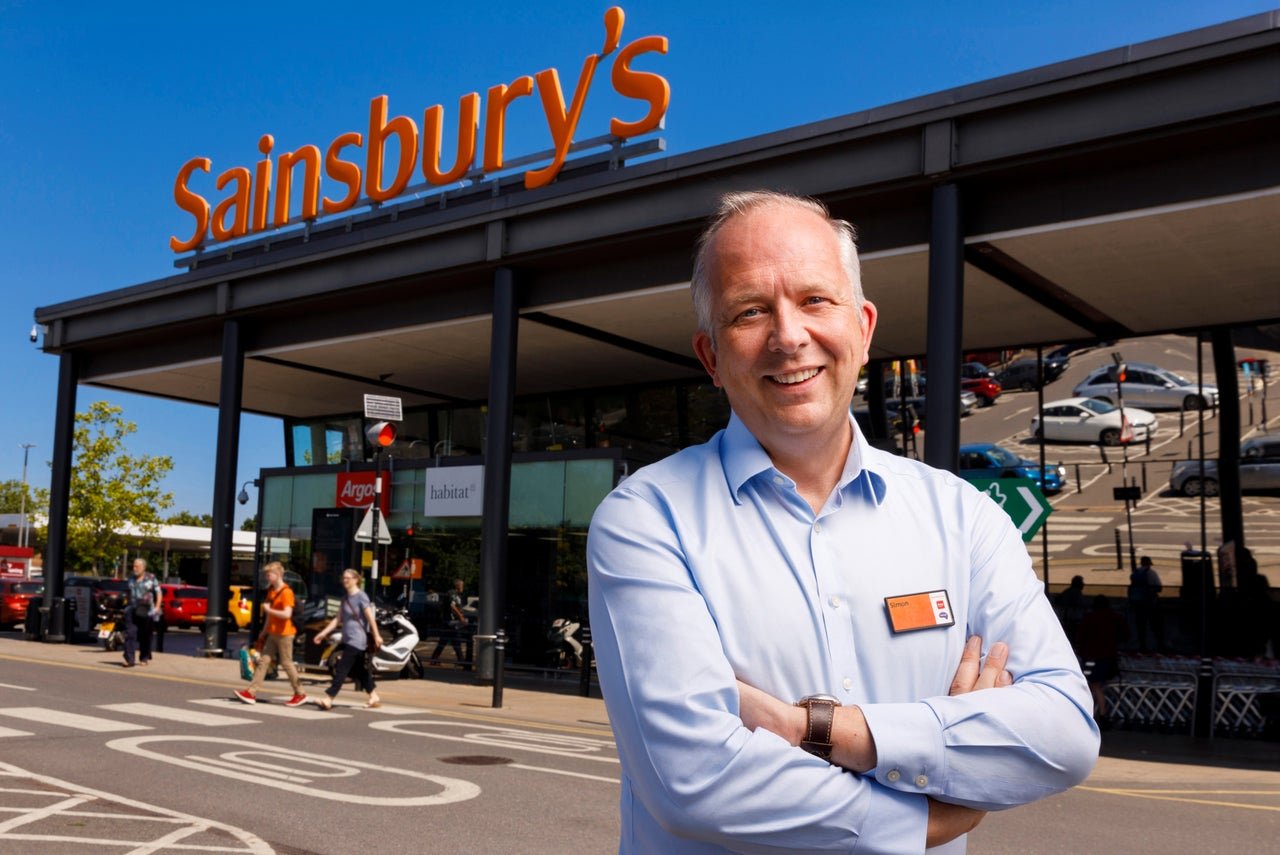
Major British supermarket chain Sainsbury’s has issued a cautious economic outlook, warning of a demanding and highly competitive retail environment as the crucial Christmas trading period approaches. Speaking on the heels of the company’s latest financial disclosures, chief executive Simon Roberts noted that households across the United Kingdom are continuing to feel a severe financial squeeze, prompting consumers to exercise heightened caution over discretionary spending. At the same time, food producers and retail operators are grappling with persistent cost pressures, leading supermarket leadership to urge the government to exercise fiscal restraint and avoid imposing additional regulatory or tax burdens on businesses during upcoming budgetary announcements.
The warning from one of the nation’s premier grocery retailers underscores the broader economic anxieties weighing on British consumer confidence. Roberts emphasized that rising operational expenses, combined with lingering cost-of-living concerns, have created a uniquely challenging backdrop for high-street retailers. He directly appealed to government ministers to refrain from repeating past policies that increased business rates and employers’ national insurance contributions, measures that corporate leaders argue have severely constrained retail growth and hampered business investment. Although recent discussions between retail executives and government officials have fostered a more collaborative dialogue regarding youth employment initiatives, the underlying commercial pressure on corporate ledgers remains acute.

Financial results released by Sainsbury’s revealed a complex picture of corporate performance amid the broader market slowdown. Shares in the supermarket group experienced a notable slide after the retailer reported slower-than-expected sales growth of 2.6 percent over the six-month period ending in mid-September. Growth figures decelerated significantly between quarters, slipping from three percent in the opening months down to 1.9 percent in the second quarter. Despite the overall deceleration, specific product categories demonstrated resilience, driven by robust performance in online grocery delivery operations and strong consumer demand for premium own-label product lines, such as the retailer’s upscale culinary selections.
However, discretionary spending on non-grocery items faced clear downward pressure as shoppers prioritized essential household budgets. Sales at the company’s catalogue retail subsidiary, Argos, alongside broader general merchandise and clothing divisions, registered declines during the half-year period. Retail analysts point out that cautious consumer behavior, characterized by a tight rein on basket sizes and reduced spending on major household furnishings and apparel, reflects a sustained focus on essential living expenses. These retail trends were further compounded by statistical comparisons against the previous year, when temporary cybersecurity disruptions affecting rival supermarket chains provided an artificial sales boost to competitor networks across the country.
On the corporate profitability front, pre-tax losses for the six-month window widened compared to the previous year, though underlying profit figures exhibited positive momentum. Excluding the Argos subsidiary, which is currently navigating a planned divestment process expected to reach completion early next year, the group reported a healthy rise in underlying profits. Bolstered by these operational efficiencies, Sainsbury’s leadership updated its annual profit outlook, projecting increased full-year underlying earnings and signaling confidence in the company’s core grocery strategy despite macroeconomic headwinds.
Addressing structural challenges within the agricultural sector, Roberts highlighted the urgent need to enhance national food security and supply chain resilience in an increasingly volatile global climate. Pointing to the disruptive impact of exceptionally hot, dry summers on domestic crop yields, Sainsbury’s called for expanded tax incentives and targeted financial support to encourage farmers to invest in modern agricultural technology, including advanced irrigation systems and on-farm water reservoirs. Industry experts note that safeguarding domestic food production against climate shocks will be vital in mitigating future food inflation and stabilizing consumer prices in the years ahead.
Looking forward to the competitive landscape, Sainsbury’s executives maintained a focused strategy centered on organic expansion and customer value, declining to comment on speculative reports regarding potential corporate mergers or acquisitions involving rival supermarket chains. Instead, the retailer confirmed plans to open numerous new supermarkets and convenience locations in the coming months, reinforcing its market presence and signaling strong confidence in independent retail growth. As the industry braces for the intense festive trading season, the overarching challenge for retailers will be balancing competitive pricing strategies against escalating operating costs while navigating a cautious consumer base.
The urgent warning from one of the nation’s premier grocery retailers underscores the broader economic anxieties weighing heavily on British consumer confidence. Roberts emphasized that rising operational expenses, combined with lingering cost-of-living concerns, have created a uniquely challenging backdrop for high-street retailers navigating an unsettled macroeconomic climate. He directly appealed to government ministers to refrain from repeating past fiscal policies that increased business rates and employers’ national insurance contributions, measures that corporate leaders argue have severely constrained retail growth, reduced operational flexibility, and hampered essential business investment. Although recent discussions between retail executives and government officials have fostered a more collaborative dialogue regarding youth employment initiatives and job creation, the underlying commercial pressure on corporate ledgers remains acute.
Financial results released by Sainsbury’s revealed a complex and multifaceted picture of corporate performance amid the broader market slowdown. Shares in the supermarket group experienced a notable slide after the retailer reported slower-than-expected sales growth of 2.6 percent over the six-month period ending in mid-September. Growth figures decelerated significantly between quarters, slipping from three percent in the opening months down to 1.9 percent in the second quarter. Despite the overall deceleration, specific product categories demonstrated remarkable resilience, driven by robust performance in online grocery delivery operations and strong consumer demand for premium own-label product lines, such as the retailer’s upscale culinary selections.
However, discretionary spending on non-grocery items faced clear downward pressure as shoppers prioritized essential household budgets over lifestyle purchases. Sales at the company’s catalogue retail subsidiary, Argos, alongside broader general merchandise and clothing divisions, registered distinct declines during the half-year period. Retail analysts point out that cautious consumer behavior, characterized by a tight rein on basket sizes and reduced spending on major household furnishings and apparel, reflects a sustained focus on essential living expenses. These retail trends were further compounded by statistical comparisons against the previous year, when temporary cybersecurity disruptions affecting rival supermarket chains provided an artificial sales boost to competitor networks across the country.
On the corporate profitability front, pre-tax losses for the six-month window widened compared to the previous year, though underlying profit figures exhibited positive operational momentum. Excluding the Argos subsidiary, which is currently navigating a planned divestment process expected to reach completion early next year, the group reported a healthy rise in underlying profits. Bolstered by these operational efficiencies and disciplined cost management, Sainsbury’s leadership updated its annual profit outlook, projecting increased full-year underlying earnings and signaling strong confidence in the company’s core grocery strategy despite macroeconomic headwinds.

Addressing structural challenges within the agricultural and food production sector, Roberts highlighted the urgent need to enhance national food security and supply chain resilience in an increasingly volatile global climate. Pointing to the disruptive impact of exceptionally hot, dry summers on domestic crop yields and livestock farming, Sainsbury’s called for expanded tax incentives and targeted financial support to encourage farmers to invest in modern agricultural technology, including advanced irrigation systems and on-farm water reservoirs. Industry experts note that safeguarding domestic food production against climate shocks will be vital in mitigating future food inflation and stabilizing consumer prices in the years ahead.
Looking forward to the competitive landscape, Sainsbury’s executives maintained a focused strategy centered on organic expansion and customer value, declining to comment on speculative reports regarding potential corporate mergers or acquisitions involving rival supermarket chains. Instead, the retailer confirmed plans to open numerous new supermarkets and convenience locations in the coming months, reinforcing its market presence and signaling strong confidence in independent retail growth. As the industry braces for the intense festive trading season, the overarching challenge for retailers will be balancing competitive pricing strategies against escalating operating costs while navigating a cautious consumer base.
Related News:
 Oil nears $100 as Saudi attacks shake markets
 John Lewis Losses Widen to £124m as Confidence Falls
 Thames Water Revises Oxfordshire Mega-Reservoir Plan
 Chinese Hybrid Car Surge Raises EU Auto Industry Concerns
 UK Trade Losses Grow Without EU Product Deal
 AO Acquires Jessops in Camera Retail Expansion
 Beaverbrooks Boss Calls for Relief on Business Costs
 Poundland Rescue Bid Could Protect 11,000 Jobs
 UK Diesel Reaches £2 as Inflation Surges Across Europe
 Minister Rejects Fears of UK Diesel Shortage
 BT Agrees £400m TalkTalk Rescue Deal
 Informa Agrees £2.24bn Deal to Buy Clarion
 EU-China Talks Target Surge in Hybrid Car Imports
 Tesco Raises Profit Forecast as Consumer Confidence Holds
 Ministers Push ATO to Reconsider Credit Card Ban
 Australia Delays Tax Credit Card Payment Ban After Backlash
 EU Caps Chinese Hybrid Car Imports at 350,000
 Healey Plans £1bn Online Marketplace Tax Crackdown
 Wealthy Britons Flee Gulf War but Avoid UK Taxes
 Albanese Rejects Gas Export Tax Push
 BBC News Faces Deep Cuts in 2,000 Job Plan
 Reeves Fights to Keep Treasury Role Amid Labour Turmoil
 UK rejects EV charging VAT cut amid Treasury clash
 Firms on both sides fear damage from US-Canada trade war
 UK Households Could Save £173 on Fixed Energy Deals
 Burnham Faces Mounting Budget Challenges
 Dutch Bank Moves 86 Tonnes of Gold to London
 Swedish Mining Push Puts Sami Land Rights Under Pressure
 Spire Healthcare Agrees £1bn Takeover by Toscafund
 UK House Prices Fall as Mortgage Rates Rise
 Billionaire Chris Rokos poised to leave UK
 JPMorgan Boss Warns Against UK Bank Tax Rise
 Oil Prices Surge as Saudi Pipeline Closure Deepens Crisis
 UK Retailers Accused of Breaking Refund Laws
 Entain Plans 400 Job Cuts After Profit Update
 Next Raises Profit Forecast After Strong Summer Sales
 UK Productivity Improves as Bank Weighs Interest Rates
 Barclays Staff Push Back Against Office Return Plan
 Japan Raises Rates to 31-Year High
 UK Retail Sales Rebound as Consumers Spend More
 UK Rent Gap Puts Low-Income Families Under Pressure
 Calls Grow to Expand UK National Wealth Fund
 MPs Defend UK Economic Watchdog Against Critics
 Tony Blair Calls for Britain to Rejoin EU Within a Decade
 Saudi intercepts Houthi missiles as oil fears grow
 TalkTalk Races to Sell Arms as Administration Looms
 Should Savers Lock Into 5.25% Fixed Rates?
 Why Americans Feel Ripped Off by Rising Prices
 UK Diesel Prices Hit Record High Amid Iran Conflict
 Ukraine Faces $45m Hourly Cost From Missile Alerts
 Bank Chief Calls for Power to Intervene in AI
 Healey urged to act as UK energy bills rise 4%
 UK house price growth slows as mortgage rates rise
 UK borrowing costs surge as global bond sell-off deepens
 UK Bookmakers Linked to Offshore Casino Deal
 Boots Sale Nears as Weston Family Eyes $9bn Deal
 BBC Three and Scotland Face Online-Only Future
 French Debt Fears Put Euro Markets Under Pressure
 UK Assures Public Over Diesel Supply
 UK Faces Calls to Review Bank Failure Bets
 UK Weighs Chinese Car Tariffs Amid EU Trade Push
 Asos Investigates Hack Claims After Customer Alerts
 Shell Refineries Set for Record Refining Profits
 IMF Warns Governments Over Rising Debt Burdens
 Doubts Grow Over Trump’s $15bn Iowa Steel Plant
 Japan Beer Giants Face Cartel Probe
 Google Maps Brings Live Fuel Prices to UK Drivers
 Oil Shock Sends Markets Lower as Middle East Risks Grow
 France Faces Debt Crisis as Protests and Markets Clash
 Labour Fears Budget Will Fail to Lift Living Standards
 IFS Warns UK Budget Faces £35bn Spending Gap
 UK Van Drivers Face £2.5bn Diesel Cost Surge
 Hall and Woodford Win Nobel Economics Prize
 IMF Warns Global Economy Is Nearing Its Limits
IMF Raises UK Growth Forecast Ahead of Healey’s Budget
 UK Water Firms Face £107m Bill Reduction Penalties
 Iran War Pushes UK Corporate Profit Warnings to Two-Year High
 UK Unemployment Falls to 4.7% as Vacancies Decline
UK Borrowing Hits £24.5bn Ahead of Healey’s Budget
 Meta Reaches Deal to Keep Zuckerberg in California