Published: 10 October 2026. The English Chronicle Desk. The English Chronicle Online.
Labour is facing growing internal anxiety over whether its forthcoming budget will deliver meaningful improvements to living standards, with party insiders warning that voters may lose patience if the government cannot demonstrate tangible progress before the next general election. As ministers prepare for a difficult fiscal statement on 28 October, concerns are mounting that relatively small cost-of-living measures may fail to match public expectations for substantial economic and social change.
The debate has intensified following Labour’s annual conference, where discussions about the government’s political direction, economic constraints and longer-term ambitions have exposed tensions between the desire to offer hope and the realities of managing public finances. Several party figures believe the government must demonstrate that it understands the pressures facing ordinary households and is prepared to act decisively rather than repeatedly explaining why improvements will take time.

One senior Labour figure expressed the stakes in stark terms, warning that the party would be in serious trouble if voters were not financially better off by the next election. The concern reflects a wider fear within the party that public patience could run out if promises about improving everyday life do not translate into visible changes in household finances.
The government’s immediate challenge is to establish credibility while operating within a difficult economic environment. Rising borrowing costs and inflationary pressures linked to the conflict involving Iran are understood to have created an estimated £12 billion gap in public finances. This has intensified the pressure on ministers to consider difficult choices involving taxation, public spending and support for households struggling with the cost of essential goods and services.
For Labour, the problem is not simply how to manage the economy but how to persuade voters that its decisions are making a difference. Government insiders recognise that the public expects ministers to exercise meaningful control over the forces affecting their lives, even when international events and economic conditions limit what can be achieved domestically.
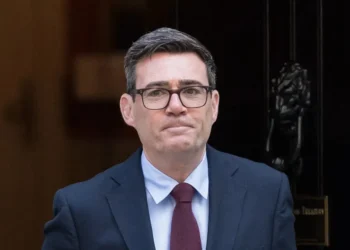
Following the party conference, officials have circulated polling that highlights the importance of appearing determined and responsive. Research examining the language voters associate with Andy Burnham identified the word “trying” as particularly prominent. Although such a description does not necessarily indicate satisfaction with a politician’s performance, Labour strategists believe it offers an important insight into what voters expect from their leaders: visible effort, practical solutions and a willingness to confront difficult problems.
The idea has become central to internal discussions about the government’s communication strategy. At a Cabinet away day at Chequers and subsequent meetings involving political advisers, ministers were encouraged to demonstrate that they were working to improve people’s lives despite the economic obstacles confronting the country.
A government insider suggested that voters expect the prime minister to use the powers available to him to address their concerns. If the government cannot demonstrate that it is capable of producing results, voters may increasingly consider alternative political parties.
Another strategist argued that people do not want ministers to respond to global uncertainty with resignation. Instead, they expect practical answers and a government willing to take responsibility wherever possible. However, the challenge remains whether the forthcoming budget will provide enough substance to support that message.
Downing Street has been developing what it describes as “everyday fixes”, a collection of relatively modest interventions intended to tackle frustrations that households encounter regularly. The proposals are being developed through policy teams across government, with the aim of identifying changes that could make everyday life more manageable without necessarily requiring major public expenditure.
Among the ideas under consideration are measures concerning car-parking applications and unbranded school uniforms. These proposals may not appear transformative individually, but government strategists believe they could demonstrate responsiveness to problems that people experience frequently.
Officials have also pointed to the online engagement generated by these initiatives, reporting approximately 85 million views across social media platforms during the preceding week. Further announcements are expected in the run-up to the budget, as ministers attempt to maintain public attention and demonstrate that the government is actively pursuing improvements.
Nevertheless, the approach has generated reservations within Labour itself. Some insiders fear that a strategy centred too heavily on small interventions could make the government appear disconnected from the scale of the economic challenges facing the country.
One adviser warned that modest initiatives risk looking insignificant unless they are connected to a broader programme of structural reform. The concern is that voters may welcome practical improvements while still expecting the government to address deeper questions involving taxation, public services, economic security and the distribution of power.
Other party figures have argued that Labour needs a clearer middle ground between immediate fixes and ambitions that may take several years to materialise. Without more substantial changes in the medium term, the government could struggle to convince voters that its long-term plans will deliver meaningful results.
The budget is therefore expected to play an important role in determining whether Labour can establish a credible economic narrative. The statement is anticipated to focus on fiscal devolution, household support measures and assistance for small businesses, alongside proposals intended to ease pressure on energy bills.
However, the government is also expected to avoid making all its major decisions immediately. Officials have suggested that a more comprehensive spending review next year will be necessary to establish how additional revenue can be raised and allocated. This creates a political difficulty: the government may believe that a gradual approach is financially responsible, while voters may interpret the absence of immediate action as a lack of ambition.
The tension between fiscal discipline and political expectations has become increasingly apparent in discussions between Downing Street and the Treasury. Government advisers acknowledge that the budget could prove particularly challenging because it will expose the limits of what ministers can deliver in the short term.
One aide described the statement as a moment of considerable political risk, recognising that the government cannot fulfil every commitment immediately. The task, according to officials, is to explain those limitations honestly while demonstrating that practical steps are being taken.
Yet some Labour MPs remain unconvinced that this approach will be sufficient. They fear that a budget focused on limited measures could resemble previous economic statements in substance, even if the government’s presentation is more optimistic. For these critics, improving the public mood will matter little unless people can identify a real difference in their financial circumstances.
Welfare policy is another area likely to attract political controversy. Labour ministers and advisers expect sustained criticism from the Conservative Party and Reform UK, particularly over decisions affecting benefits and public spending. The government hopes that forthcoming reviews associated with Alan Milburn and Stephen Timms will help it respond to those attacks and explain its wider approach to welfare reform.
The political consequences of the budget will also depend on how effectively Burnham communicates the government’s longer-term ambitions. At the Cabinet away day, he reportedly argued that British politics had become too constrained and that the country needed greater ambition rather than a succession of limited adjustments.
Ministers were presented with polling suggesting that support for Labour’s social care policy increased by approximately a quarter after voters watched a video in which the prime minister explained his proposals. The findings have strengthened the belief among some strategists that public understanding and political support can improve when complicated policies are communicated clearly.
Social care and the pensions triple lock are particularly important in this context. Labour supporters have welcomed Burnham’s willingness to discuss substantial changes to the way public services and retirement security are managed. However, turning those proposals into workable policies will require careful planning, credible funding arrangements and public confidence that the commitments can be delivered.
Burnham has also outlined ambitions involving relations with the European Union and electoral reform. These proposals have helped establish a clearer political direction for the party, but critics argue that long-term promises will not necessarily satisfy voters who are struggling with immediate expenses.
The government is therefore attempting to balance three competing demands: protecting the public finances, providing immediate relief and establishing a convincing programme of structural change. Failure to make progress on any of these fronts could weaken its position.
Officials remain hopeful that voters will continue to recognise the pressures created by international developments, including the conflict involving Iran. Internal assessments suggest that some members of the public are still prepared to accept global events as a genuine explanation for economic difficulties rather than dismissing them as a political excuse. However, that understanding cannot be assumed to continue indefinitely.
When Parliament returns from its conference recess, Burnham is expected to update MPs on recent developments and answer questions about the government’s direction. His challenge will be to demonstrate that ministers understand the public’s concerns and have a credible plan for addressing them.
For Labour, the weeks surrounding the budget could prove decisive in shaping expectations for the remainder of the year. Downing Street anticipates criticism and difficult political exchanges but hopes that a broader long-term plan will help restore confidence.

Ultimately, the government’s success will depend less on the number of announcements it makes than on whether those announcements lead to improvements people can feel. Lower household bills, stronger financial security, better public services and greater confidence in the future are likely to matter more to voters than the language used to describe government efforts.
Labour’s internal concerns reflect a fundamental political reality: acknowledging economic difficulties may help explain why progress is slow, but it cannot indefinitely replace progress itself. The forthcoming budget will offer the government an opportunity to demonstrate that its promises are connected to practical action. Whether that opportunity is enough to reassure its own MPs, rebuild public confidence and improve living standards before the next election remains an open question.
Related News:
 Thinktank Calls for Abolition of UK State Pension
 BBC News Faces Deep Cuts in 2,000 Job Plan
 Reeves Fights to Keep Treasury Role Amid Labour Turmoil
 UK Households Could Save £173 on Fixed Energy Deals
 Burnham Faces Mounting Budget Challenges
 UK House Prices Fall as Mortgage Rates Rise
 Thames Water Revises Oxfordshire Mega-Reservoir Plan
 UK Pay Growth Slows to 3.9% as Rate Decision Nears
 Bank Urged to Slow Bond Sales as UK Costs Rise
 UK Inflation Hits 3.1% as Household Pressure Grows
 UK Youth Jobs Gap Reveals Deep Regional Divide
 UK Rent Gap Puts Low-Income Families Under Pressure
 MPs Defend UK Economic Watchdog Against Critics
 Tony Blair Calls for Britain to Rejoin EU Within a Decade
 New UK Homes in Flood Zones Face Insurance Risk
 Burnham Opens Door to Possible UK Return to EU
 Poundland Rescue Bid Could Protect 11,000 Jobs
 Healey urged to act as UK energy bills rise 4%
 Badenoch Raises Prospect of 2027 UK Election
 London Council Warns of 150% Council Tax Rise
 Informa Agrees £2.24bn Deal to Buy Clarion
 Labour MP Urges Billions for Affordable Homes
 France Faces Debt Crisis as Protests and Markets Clash
 Wealthy Britons Flee Gulf War but Avoid UK Taxes
 UK Wage Growth Slows as Jobs Market Holds Firm
 UK Doubles Steel Tariffs to 50% to Protect Domestic Plants
 Reform UK funding: mystery billionaire revealed
 UK Pushes for New EU Goods Trade Deal
 UK rejects EV charging VAT cut amid Treasury clash
 Labour MPs Urge Burnham to Revive UK Aid Target
 Burnham unveils £65m drought aid for farmers
 Green Leader Targets Starmer’s Former Seat
 UK Subsidence Claims Surge After Record-Breaking Summer
 Reform Faces Fresh Financial Controversy
 Oil nears $100 as Saudi attacks shake markets
 John Lewis Losses Widen to £124m as Confidence Falls
 Reform UK Receives Record £36m Donation From Crypto Billionaire
 UK Retailers Accused of Breaking Refund Laws
 UK State Pension Set to Rise 3.9% as Triple Lock Holds
 UK Parents Cut School Uniform Costs as Prices Rise
 Fashion Firms Urge UK-Made NHS and Army Uniforms
 North Sea Firms Urge Early End to Windfall Tax
 Slave-Trade Wealth Embedded in Britain’s Financial System
 Mayors Could Gain Greater Powers Over Water Firms
 Entain Plans 400 Job Cuts After Profit Update
 Tories Press Healey Over Tax Rises Ahead of Budget
 Trump Threatens EU With Tariffs Over Canada Proposal
 Trump Threatens EU Over Canada Partnership Proposal
 Barclays Staff Push Back Against Office Return Plan
 UK Retail Sales Rebound as Consumers Spend More
 Reform UK Faces Internal Debate Over £72m Spending
 Calls Grow to Expand UK National Wealth Fund
 Labour Apprenticeship Scheme Faces Slow Start
 UK Borrowing Hits £18.3bn Ahead of Budget
 Burnham Leaves Door Open to Future Brexit Reversal
 UK Trade Losses Grow Without EU Product Deal
 AO Acquires Jessops in Camera Retail Expansion
 Saudi intercepts Houthi missiles as oil fears grow
 Should Savers Lock Into 5.25% Fixed Rates?
 Beaverbrooks Boss Calls for Relief on Business Costs
 UK Diesel Prices Hit Record High Amid Iran Conflict
 Burnham Opens Debate on Pension Triple Lock for Care
 Dale Vince Plans New London-Wide News Operation
 UK house price growth slows as mortgage rates rise
 UK borrowing costs surge as global bond sell-off deepens
 UK Assures Public Over Diesel Supply
 Feeld Founders Receive Record Dividend as Sales Rise
 UK Diesel Reaches £2 as Inflation Surges Across Europe
 Minister Rejects Fears of UK Diesel Shortage
 BT Agrees £400m TalkTalk Rescue Deal
 EU-China Talks Target Surge in Hybrid Car Imports
 UK Billionaire Exodus Raises Wealth and Tax Concerns
 IMF Warns Governments Over Rising Debt Burdens
 Google Maps Brings Live Fuel Prices to UK Drivers
 France Urges UK to Consider Returning to EU
 Ministers Push ATO to Reconsider Credit Card Ban
 US Senate Debates Turn Bitter as Midterms Near
 Australia Delays Tax Credit Card Payment Ban After Backlash
 Milburn Proposes Pre-Apprenticeship Route for Young People
 UK Savers Face Uncertainty as Rates Rise Above 5%