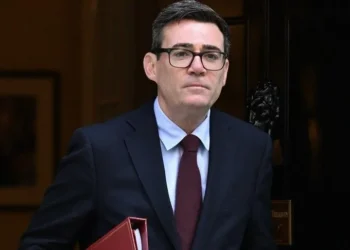
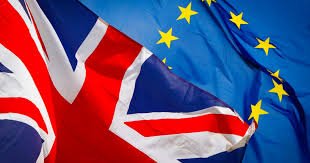
Andy Burnham’s government is not stepping back from its ambition to establish closer relations between the United Kingdom and the European Union, senior government officials have insisted, dismissing speculation that the prime minister is slowing down his European integration agenda following a landmark UK-EU summit in Brussels.
The clarification comes amid growing political debate over the future of Britain’s relationship with Europe, particularly after the government reached several important agreements with Brussels covering food and drink trade, emissions trading and youth mobility. Although the latest developments have been welcomed by supporters of closer European cooperation, questions have emerged about how quickly the government intends to pursue further integration and whether the prime minister is reconsidering the political risks associated with the issue.

Burnham has previously promised to present a range of options concerning the United Kingdom’s long-term relationship with the European Union, including the possibility of rejoining the bloc. Last week, he indicated that the government would outline its thinking later this year. However, his remarks following Friday’s summit suggested that the next stage would involve discussions and the development of new proposals over several months rather than an immediate move towards a comprehensive political decision.
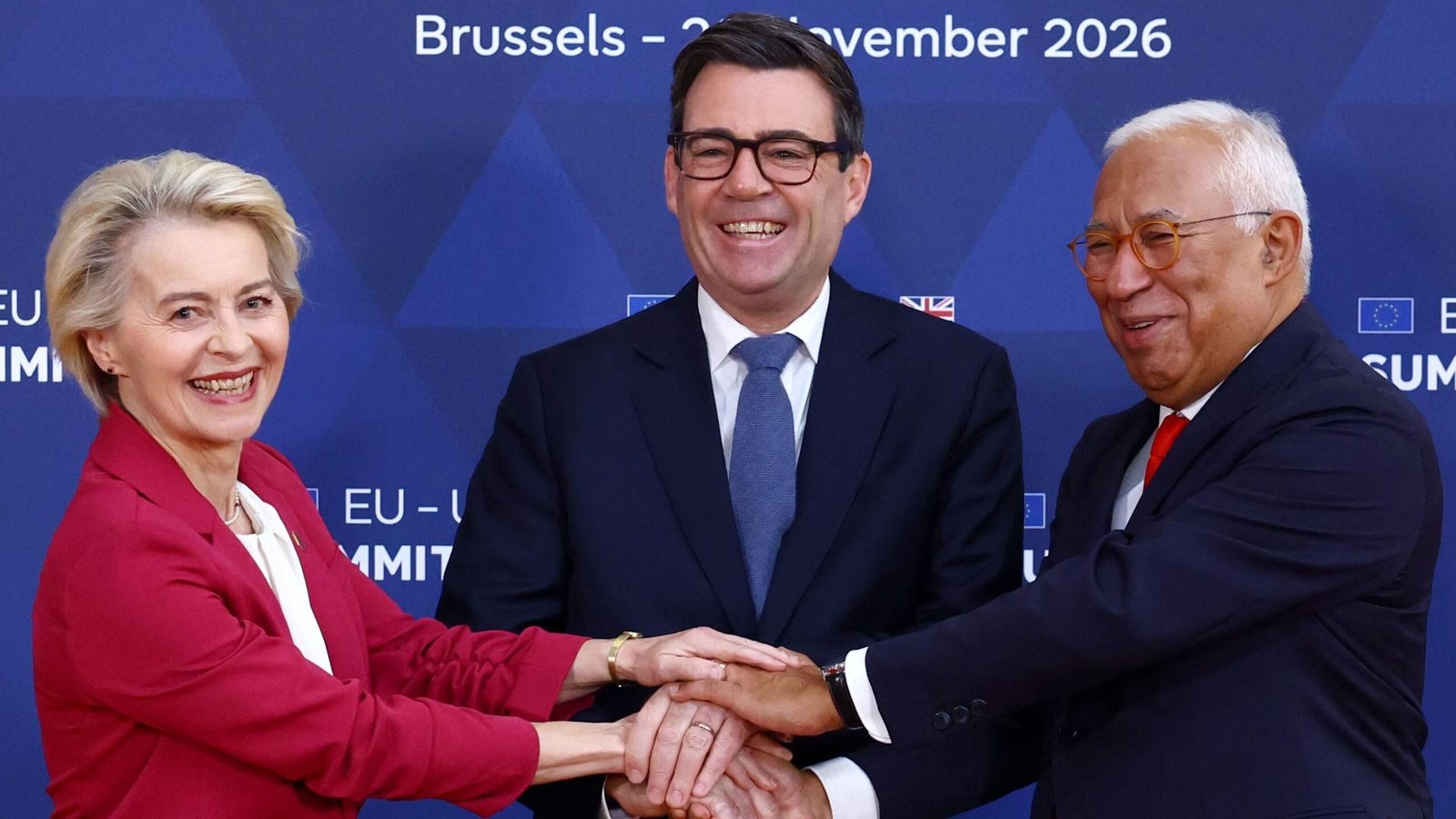
At the Brussels summit, the United Kingdom and the European Union finalised agreements designed to reduce trade barriers and improve economic cooperation. Among the most significant elements were arrangements to reduce checks on food and drink products, cooperation through an emissions trading framework and a mutual youth mobility scheme. These measures are expected to make certain aspects of cross-border business easier while creating additional opportunities for younger people in Britain and across Europe.
Following the agreements, Burnham spoke about the importance of exploring further possibilities with European partners. Rather than announcing an immediate timetable for deeper integration, he described the next stage as an opportunity to exchange ideas and consider potential arrangements. The difference in tone prompted speculation that Downing Street might be attempting to reduce the political pressure surrounding the European question.
Some observers suggested that the government wanted to prevent discussions about Britain’s possible return to the European Union from dominating its wider domestic agenda. The issue remains politically sensitive, particularly because the 2016 Brexit referendum continues to influence public debate and political divisions. Campaign groups opposing closer European integration have already begun organising ahead of any potential national discussion about rejoining the bloc.
However, senior government figures have rejected suggestions that the prime minister has weakened his commitment. Officials indicated that the government remains interested in developing a closer relationship with the European Union but wants the recently concluded agreement to demonstrate its practical value before moving towards additional negotiations.
One government source reportedly dismissed claims of a change in direction, arguing that there had been no decision to slow down the process. The government, the official suggested, simply wanted to allow the new arrangements to take effect and demonstrate the benefits they could deliver to businesses and consumers.
Another official maintained that there had been no change to the timetable following the summit. The government is considering its European policy alongside other domestic priorities, including its broader economic programme and long-term development plans. This approach, officials suggested, reflects an effort to balance international negotiations with the immediate responsibilities of governing the country.
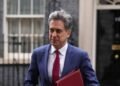
Foreign Secretary Ed Miliband has also offered strong support for closer relations with the European Union. Speaking in a BBC interview on Sunday, he highlighted the economic disadvantages faced by British businesses under the current arrangements and argued that deeper cooperation could help address some of the difficulties created by Brexit.
Miliband explained that British companies selling products in the European market must comply with European regulations but do not participate fully in the decision-making processes that shape those rules. At the same time, businesses dealing with food and agricultural products face additional administrative requirements because the United Kingdom is no longer fully integrated into the relevant European market arrangements.
He described the situation as particularly disadvantageous for British businesses, arguing that companies effectively have to follow rules established elsewhere without having a meaningful influence over their development. According to the foreign secretary, closer integration could help resolve this imbalance by reducing unnecessary administrative procedures and improving the country’s economic relationship with its largest nearby trading partner.
Miliband also pointed to major geopolitical changes since the Brexit referendum as another reason for reconsidering Britain’s relationship with Europe. Russia’s full-scale invasion of Ukraine and the changing relationship between the United States and European countries under President Donald Trump have significantly altered the international security environment.
In this changing geopolitical landscape, he suggested, stronger cooperation between Britain and European nations could become increasingly important. Closer economic and political relations could help the United Kingdom strengthen its influence, improve regional security cooperation and respond more effectively to international challenges.
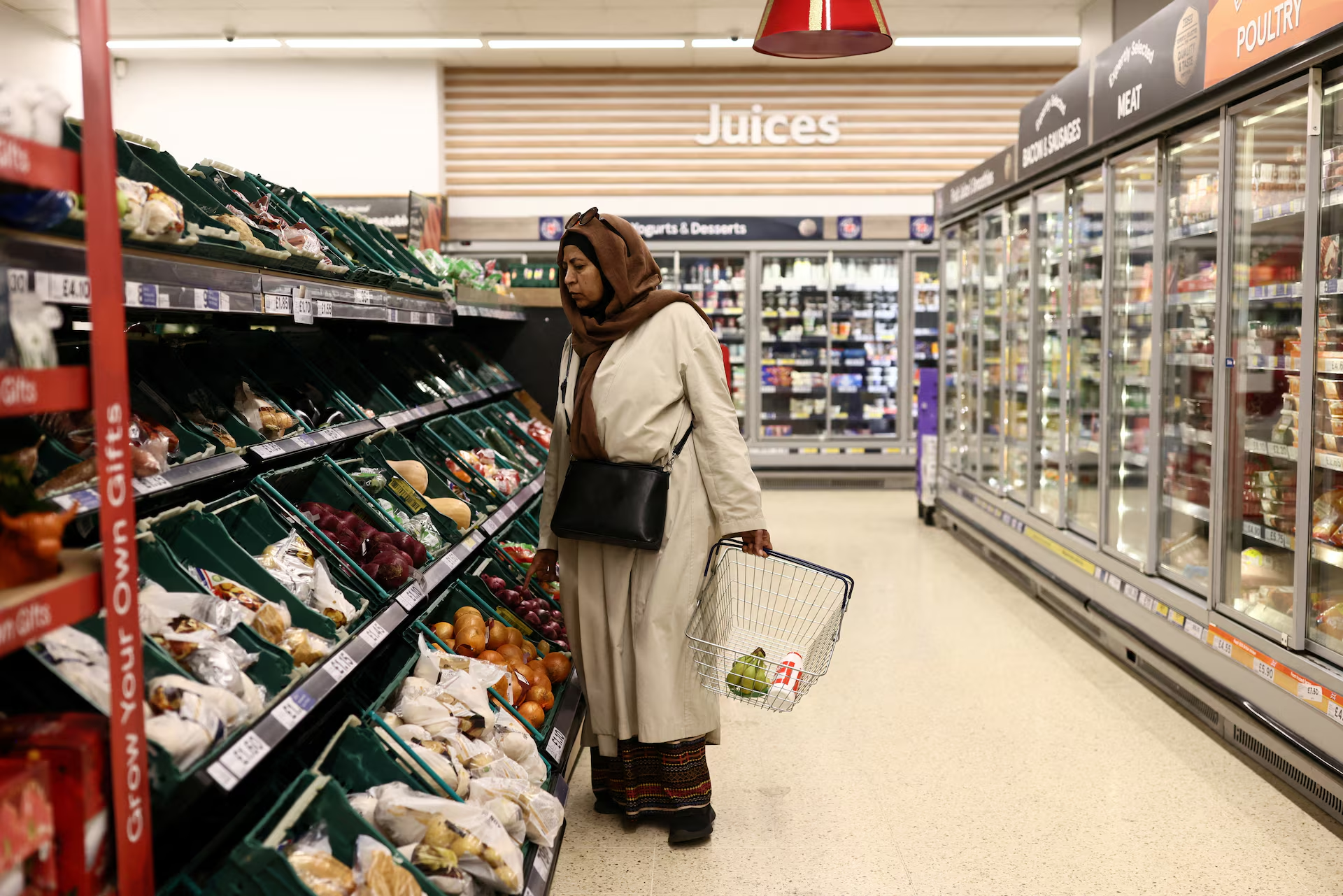
The government is also attempting to demonstrate that the latest agreements can produce tangible benefits for ordinary consumers. On Monday, Burnham is expected to visit a Morrisons supermarket branch to examine the company’s employment initiatives for young people and highlight the potential impact of reduced food and drink checks on retail prices.
The government believes that simplifying trade procedures could reduce costs for businesses importing and exporting products between Britain and European countries. If companies face fewer inspections, delays and administrative requirements, some of those savings could eventually benefit consumers. However, the extent to which the agreements will influence supermarket prices will depend on how effectively the arrangements are implemented and whether businesses pass on the savings.
Burnham is also expected to address the House of Commons on Monday, briefing lawmakers on the Brussels summit and the agreements reached with European leaders. His appearance is likely to generate strong political criticism from opposition parties, particularly Reform UK, which has consistently opposed the prospect of Britain returning to the European Union.
Reform UK leader Nigel Farage is expected to use his speech at the Confederation of British Industry conference to warn business leaders against rejoining the European bloc. He is likely to argue that such a move would damage the British economy and has indicated that his party would reverse the agreements negotiated in Brussels if given the opportunity to do so.
The Conservative Party has also expressed criticism of the government’s approach, although its position on improving trade relations with Europe appears more measured. Leader Kemi Badenoch has challenged aspects of Burnham’s negotiations but has avoided strongly opposing the broader principle of reducing trade barriers.
Her approach reflects a wider political strategy to concentrate on issues such as economic growth, national defence and business competitiveness rather than allowing Brexit to dominate the Conservative Party’s political message. In her planned remarks to the CBI conference, Badenoch is expected to argue that smoother trade arrangements can benefit both Britain and the European Union. She has indicated that she supports efforts to establish a more effective trading relationship, provided the arrangements serve British economic interests.
The debate has also attracted criticism from former prime minister Theresa May, who played a central role in Britain’s Brexit negotiations before leaving office and being succeeded by Boris Johnson. May recently intervened in the discussion, warning that attempting to rejoin the European Union could consume significant political and administrative resources for years.
Speaking to the BBC, she expressed concern about the prospect of reopening negotiations over Britain’s membership. May argued that the British public had voted to leave the European Union and that successive governments should respect the referendum outcome. She urged Burnham to accept that Brexit had taken place and concentrate on the country’s future rather than reopening a politically divisive question.
Her comments underline the continuing divisions among Britain’s political establishment over the country’s European future. While some politicians believe closer integration is necessary to improve economic competitiveness and international influence, others remain concerned that revisiting Brexit could create prolonged uncertainty and political instability.

For Burnham, the immediate challenge will be to demonstrate that improved cooperation with Europe can deliver measurable economic advantages without allowing the debate over membership to overwhelm the government’s domestic priorities. The agreements reached in Brussels provide an initial framework for closer cooperation, but their long-term success will depend on implementation, business confidence and the willingness of both sides to continue negotiations.
The government’s latest position suggests that it wants to move gradually, allowing the benefits of the new arrangements to become visible before presenting further proposals. Nevertheless, the political debate surrounding Brexit is unlikely to disappear. With opposition parties preparing their arguments and senior government figures continuing to advocate closer relations, Britain’s relationship with the European Union is set to remain one of the most significant political and economic questions facing the country.
Related News:
 France Urges UK to Consider Returning to EU
 Denmark Seeks EU-Wide Ban on Fast-Growing Turbo Chickens
 Ceasefire Standoff Deepens in Ukraine War
 Norway Doubles Down on Oil and Gas for Europe Energy Security
 UK Pushes for New EU Goods Trade Deal
 Reeves Fights to Keep Treasury Role Amid Labour Turmoil
 Deadly Russian Air Raids Strike Across Ukraine
 Green Leader Targets Starmer’s Former Seat
 Bayeux Tapestry Revives Franco-British Ties
 Reform Faces Fresh Financial Controversy
 Argentina to file criminal charges over Falklands oil drilling
 UK plans tougher Israel stance with settlement trade ban
 Europe’s democracies face a growing far-right threat
 Macron and Carney deepen France-Canada ties
 Burnham Leaves Door Open to Future Brexit Reversal
 Elif Eralp Emerges as Berlin’s Next Political Force
 Tony Blair Calls for Britain to Rejoin EU Within a Decade
 Burnham Opens Door to Possible UK Return to EU
 Spain Sets Snap Election as Housing Crisis Deepens
 EU-China Talks Target Surge in Hybrid Car Imports
 Report Urges UK to Rethink Overseas Military Spending
 France Faces Debt Crisis as Protests and Markets Clash
 UK Urges Interpol to Reject Argentina’s Falklands Arrest Requests
 UK Rejects EU Pressure to Impose Tariffs on China
 UK Could Rejoin EU Through a Switzerland Plus Deal
 Brexit Debate Returns as UK Voters Reconsider EU Exit
 Milan Luxury Stores Shut as Italy Plans Troop Deployment
 France to Deploy 70,000 Police Amid Unrest Fears
 UK Aid Set to Fall Short of Reduced 2027 Target
 Brexit Deal Not Good Enough for Britain, Burnham Says
 Australia Reviews UK Visa Rules Amid Worker Influx
 UK Parliament Faces Risk of Notre Dame-Style Fire
 Burnham’s Christmas Homelessness Pledge Faces Uncertainty
 Zelenskyy Sees Peace Opportunity as US Envoys Meet Putin
 Argentina Threatens UK Oil Boss with Jail Over Falklands
 Ilse Aigner Set to Make German History as First Female President
 Burnham Says Brexit Has Failed, Pledges New EU Deal
 Burnham Says Brexit Has Weakened Britain’s Global Standing
 Russian Strikes Leave Kyiv in Darkness, Pressure Mounts on Mayor
 Lammy Urges Burnham to Make EU Return Election Pledge
 Badenoch Shifts Tory Focus Away From Brexit Debate
 UK and EU Near Major Post-Brexit Reset Deal
 Trump’s UK Ambassador Urges North Sea Drilling to Strengthen US Ties
 Millionaires group urge Reeves to introduce wealth tax to ‘lift kids out of poverty’
 Canada Passes Carney’s First Budget in Tight Parliamentary Vote
 Starmer Says Labour’s Economic Plan Needs Years to Deliver
 UK shelves £110m border project amid trade strain
 Gordon Brown urges court for crimes against children
 Relationship with Trump may be beyond repair, Starmer warned
 Italian Town Buys Mussolini Villa to Keep Away Fascist Fans
 UK Stands Firm on Falklands Amid US Rift
 Oil Prices Surge Above $120 Amid Iran Blockade Fears
 Silent Tracks: Rail Line Without Passengers
 Farage and Reform UK Reshape British Politics
 Burnham unveils £65m drought aid for farmers
 Unions Warn Labour Over Zero-Hours Contract Reforms
 Former Diplomats Urge UK and France to Act on Palestine
 Ukraine Villagers Demand Answers After Deadly Arms Depot Strike
 Trump Calls Iran War ‘Small Potatoes’ Despite US Deaths
 Swedish Mining Push Puts Sami Land Rights Under Pressure
 Trump Threatens EU With Tariffs Over Canada Proposal
 Tom Watson Takes Senior Role at Palantir
 MPs Defend UK Economic Watchdog Against Critics
 The Tests Awaiting Andy Burnham After Labour Conference
 Madrid Tent Camp Grows as Spain Housing Crisis Deepens
 Badenoch Raises Prospect of 2027 UK Election
 French School Protests Escalate as 400 Schools Close
 France Schools Protests Draw 250,000 as Police Clash
 South Korea Probes Fuel Shipments to Russia
 Trump’s Russian Diesel Deal Sparks Ukraine Fury
 Brazil Court Scandal Threatens Lula as Bolsonaros Rise
 UK Borrowing Hits £24.5bn Ahead of Healey’s Budget
 Labour MPs Urge Burnham to Lead UK Reindustrialisation
 UK Land Registry Plan Faces Opposition From Landowners
 Trump’s Global Policies Put Republicans at Risk
 Riot Police Deployed as Poland Court Row Escalates
 James Talarico Makes History with Texas Senate Victory
 Labor Minister Defends Chalmers Amid Budget Tensions
 US Treasury Chief Moves to Military Base Over Iran Threat
 Bank of England Faces £160m Renovation Challenge