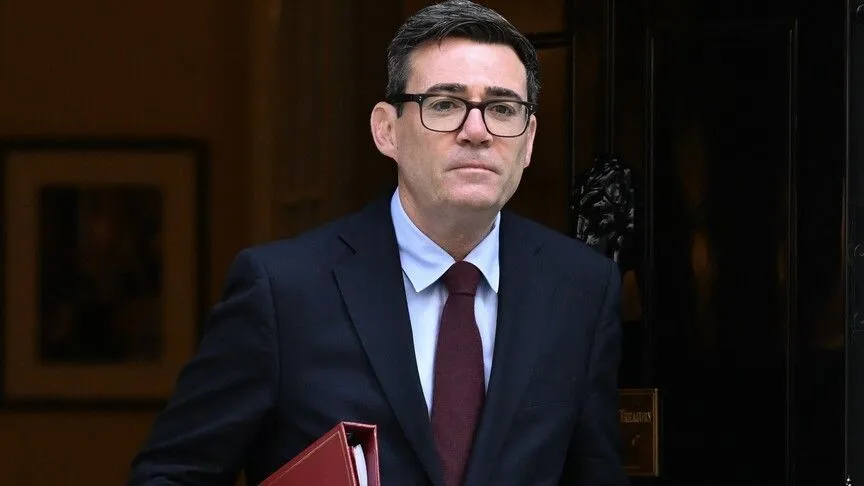
British Prime Minister Andy Burnham has warned that Brexit has significantly weakened the United Kingdom’s international standing over the past decade, raising fresh questions about the country’s future relationship with the European Union. In a major foreign policy speech, Burnham suggested that his Labour government could reconsider its existing commitments on Brexit and potentially pursue a much closer relationship with the European bloc, including options that previous governments had ruled out. His remarks signal a potentially important shift in Britain’s approach to Europe and could reshape the country’s political and economic debate ahead of the next general election.
Speaking at the Lord Mayor’s Banquet in the City of London, Burnham argued that the political decisions and diplomatic approach adopted by successive British governments since the 2016 Brexit referendum had damaged the country’s influence internationally. He said Britain had lost some of the respect and standing it previously enjoyed among international partners because of its handling of relationships with European allies and other important global institutions.

“In the decade since Brexit, our standing in the world has diminished. We treated both allies and institutions with insufficient care, and the effects went beyond Europe,” the prime minister said.
His comments represent one of the clearest acknowledgements by a British prime minister that Brexit has had wider consequences for the country’s international position. Although successive governments have attempted to establish new trading arrangements and diplomatic partnerships following Britain’s departure from the EU, concerns have continued over economic growth, political influence and the country’s ability to shape decisions affecting the European continent.
Burnham said his government would begin a new discussion with European partners after a major summit in Brussels scheduled for Friday. The discussions will examine possible options for Britain’s long-term relationship with the European Union, reflecting changes in the political and economic circumstances facing both sides since Brexit.
The prime minister indicated that the government would consider a range of arrangements, potentially including a customs union, closer participation in the EU single market and even full membership of the bloc. However, he emphasised that the process would require careful consideration and would not result in immediate changes to Britain’s existing relationship with Europe.
“After the summit, we will initiate a discussion with our EU partners about options for our long-term relationship, recognising that both Britain and the EU are very different to what they were,” Burnham said.
He added that the government would assess the available options and present its findings to the public before decisions were considered in the next parliament. Stressing the importance of democratic consent, he declared that “at every stage the British people will be the boss”.
The statement appears designed to balance growing support within parts of Labour for closer European integration with concerns among some ministers and political observers that reopening the Brexit debate could create another period of national division. Although Burnham has made his personal preference for rejoining the European Union increasingly clear, Downing Street sources have indicated that he wants to encourage a broader national discussion rather than immediately committing the government to a specific outcome.
The prime minister is also expected to maintain Labour’s existing Brexit red lines until the next general election. However, his latest comments suggest that those commitments could be reconsidered when the party prepares its next election manifesto. Such a development could represent a significant change in Labour’s political strategy, particularly given the sensitivity of European integration in British politics.
Some figures within the government have reportedly urged Burnham to proceed cautiously, warning that moving too quickly could revive political divisions that dominated British public life for years. Supporters of Brexit have also begun organising against the possibility of Britain returning to the European Union. Two separate campaign groups have recently been established to oppose any attempt by the government to reverse the country’s departure.
The debate has also attracted criticism and warnings from former prime ministers Boris Johnson and David Cameron, who occupied opposing positions during the Brexit referendum campaign. Their interventions demonstrate that the question of Britain’s future relationship with Europe remains politically sensitive, even a decade after the referendum.
Despite the domestic political challenges, Burnham is preparing to use Friday’s Brussels summit to secure practical agreements that could strengthen economic cooperation between Britain and the EU. The proposed arrangements are expected to cover food and agricultural trade, emissions trading and a youth mobility scheme.
The prime minister has suggested that the agreements could increase Britain’s gross domestic product by approximately 0.4%, equivalent to around £17 billion. If achieved, the economic benefits could provide an important argument for closer cooperation with European partners at a time when Britain continues to face pressure to improve productivity, attract investment and strengthen economic growth.
Agriculture and food trade are expected to be among the most important areas of discussion. Businesses on both sides of the Channel have faced additional administrative requirements, regulatory barriers and costs since Brexit changed the terms of trade between Britain and the European Union. A closer agreement could simplify certain procedures, reduce unnecessary delays and make it easier for companies to move agricultural products across borders.
However, the negotiations also highlight the limitations of Britain’s current position outside the EU. The United Kingdom wants to have a greater role in shaping European regulations that affect British businesses, particularly in the food and drink industry. Yet European representatives have made clear that Britain cannot expect the same decision-making influence enjoyed by EU member states while remaining outside the bloc.
Sandro Gozi, chair of the European Parliament’s delegation for relations with the United Kingdom, said Britain would not be able to participate directly in the development and approval of new European legislation under the existing arrangements.
He argued that Brexit had meant giving up the right to participate in the EU’s decision-making process. According to Gozi, the British government might receive a consultative role similar to the arrangements available to Switzerland, but it could not expect to sit alongside member states when European standards were being developed.
Gozi acknowledged that Burnham was right to explore the opportunities available under the current relationship. However, he warned that there were clear limitations that Britain would have to recognise.
His comments underline a central difficulty facing the British government. London wants closer access to European markets and greater influence over regulations affecting British companies, but Brussels is reluctant to offer decision-making privileges to a country that has chosen to leave the organisation.
Gozi suggested that the proposed food and drink agreement could demonstrate these limitations more clearly. He argued that Britain would eventually have to reconsider its political red lines if it wanted to overcome the restrictions associated with remaining outside the single market.
Beyond Europe, Burnham also used his speech to examine Britain’s wider diplomatic relationships and the damage he believes was caused by previous governments. He criticised the country’s inconsistent approach towards several international partners, arguing that Britain had failed to maintain the diplomatic relationships necessary to protect its global influence.
The prime minister specifically referred to the Commonwealth, saying Britain had failed to invest sufficiently in its modernisation. He also criticised the country’s changing approach towards China, describing its relationship with Beijing as inconsistent. His comments suggest that the government intends to reassess Britain’s diplomatic priorities beyond its immediate European neighbourhood.
The Middle East was another important part of his speech. Burnham said Britain had rightly condemned Hamas following the attacks of 7 October but acknowledged that the country’s response to the subsequent devastation in Gaza had raised serious questions about its moral position internationally.
“In the Middle East, while Britain rightly condemned Hamas and the appalling attacks of 7 October, our response to what followed in Gaza left many questioning our moral compass,” he said.
He argued that Britain’s international reputation had suffered because political uncertainty and inconsistent foreign policy decisions created the impression that the country had changed its traditional values. Burnham insisted that the British public remained committed to the principles of decency and responsibility, but said political turbulence had damaged the country’s image abroad.
The prime minister’s speech therefore extends beyond the technical question of trade agreements or Britain’s membership of the European Union. It reflects a broader attempt to redefine the country’s international identity following years of political uncertainty, changing governments and disagreements over foreign policy.
For businesses, workers and younger generations, the outcome of the renewed discussions with Brussels could have important consequences. Changes to trade arrangements could affect employment, investment and the cost of doing business, while a possible youth mobility agreement could create additional opportunities for young British and European citizens to study, work and gain professional experience across borders.
Nevertheless, any move towards deeper integration is likely to face considerable political resistance. Brexit remains an important issue for many voters, and the government will have to demonstrate that closer European cooperation offers tangible benefits rather than simply reopening old political arguments.

Friday’s Brussels summit could provide an early indication of how far Britain and the European Union are prepared to go in rebuilding their relationship. While immediate agreements may focus on practical economic cooperation, Burnham’s wider remarks suggest that the government is preparing the ground for a much more significant discussion about Britain’s future outside Europe.
The central question is no longer simply how Britain can manage its relationship with the European Union under the existing Brexit arrangements. It is increasingly about whether those arrangements can deliver the economic opportunities and international influence that the country needs. Burnham’s willingness to question established political commitments suggests that the debate over Britain’s place in Europe is entering a potentially decisive new phase.
Related News:
 UK Urged to Build EU Rejoin Consensus, Says Miliband
 Reform Faces Fresh Financial Controversy
 EU Waits for UK Plan as Relations Reset Begins
 France Urges UK to Consider Returning to EU
 Denmark Seeks EU-Wide Ban on Fast-Growing Turbo Chickens
 Trump’s UK Ambassador Urges North Sea Drilling to Strengthen US Ties
 Rachel Reeves Set to Break Labour Pledge and Raise Income Tax
 MPs Press Rachel Reeves to Hike Gambling Taxes
 Millionaires group urge Reeves to introduce wealth tax to ‘lift kids out of poverty’
 PM Highlights UK Business at G20 in South Africa
 Starmer Says Labour’s Economic Plan Needs Years to Deliver
 UK Presses On With Chagos Handover Despite Trump Criticism
 UK Government Borrowing Drops to £11.6bn in December
 Keir Starmer meets Xi to strengthen UK-China economic relations
 UK shelves £110m border project amid trade strain
 UK Sees Record £30.4bn Budget Surplus, Boosting Reeves’ Position
 Reeves Must Back Defence Plan or Face Dismissal, Says Unite Chief
 OBR Reform Row Deepens Before Spring Forecast
 Starmer Praised for Stance on Trump and Iran Conflict
 Yvette Cooper: UK Must Follow Principles, Not US Pressure
 UK Doubles Steel Tariffs to 50% to Protect Domestic Plants
 Starmer Adviser Urges New Profit Cap on Energy Firms
 Trump Mocks Starmer and UK Carriers in White House Speech
 US Calls Australia Media Law “Foreign Extortion”
 Oil Prices Surge Above $120 Amid Iran Blockade Fears
 Silent Tracks: Rail Line Without Passengers
 Labour Faces Internal Pressure for Bold Economic Shift
 UK Pushes for New EU Goods Trade Deal
 Former ICC prosecutor condemns US sanctions
 Hungary Targets Oligarchs with Proposed Landmark Wealth Tax
 Deadly Russian Air Raids Strike Across Ukraine
 Steel Tensions Rise Between United Kingdom and European Union
 Andy Burnham Enlists Economic Heavyweights for Leadership Bid
 EU Slashes Steel Quotas But Grants UK Favourable Rates
 UK Nations Brace for Potential Breakup Amid Reform Surge
 Burnham unveils £65m drought aid for farmers
 Russian Missiles Intensify Pressure on Kyiv
 Unions Warn Labour Over Zero-Hours Contract Reforms
 Former Diplomats Urge UK and France to Act on Palestine
 Trump Hardens Canada Trade Stance as Talks Stall
 Bayeux Tapestry Revives Franco-British Ties
 UK plans tougher Israel stance with settlement trade ban
 Europe’s democracies face a growing far-right threat
 Tom Watson Takes Senior Role at Palantir
 Reform UK Faces Internal Debate Over £72m Spending
 MPs Defend UK Economic Watchdog Against Critics
 Elif Eralp Emerges as Berlin’s Next Political Force
 The Tests Awaiting Andy Burnham After Labour Conference
 Avanti West Coast Set for Public Ownership in March
 Burnham Opens Door to Possible UK Return to EU
 Badenoch Raises Prospect of 2027 UK Election
 Half of UK Voters Back Possible EU Return
 UK Mission in East Jerusalem to Remain Open
 Milburn Proposes Pre-Apprenticeship Route for Young People
 UK Must Build Its Own AI to Protect National Security
 IFS Warns UK Budget Faces £35bn Spending Gap
 UK Threatens Eritrea With Visa Ban Over Returns Dispute
 Serbia Leader Linked to Controversial Trump Tower Plan
 UK Could Rejoin EU Through a Switzerland Plus Deal
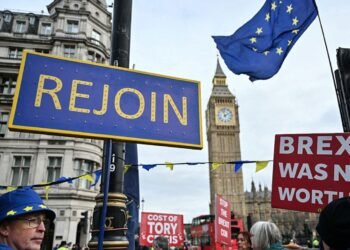 Brexit Debate Returns as UK Voters Reconsider EU Exit
 UK Plans Higher Training Costs for Older Apprentices
 Milan Luxury Stores Shut as Italy Plans Troop Deployment
 Japan’s Takaichi Faces a Crucial Second Year in Power
UK Borrowing Hits £24.5bn Ahead of Healey’s Budget
 Middleton Revitalisation Blueprint for UK Towns
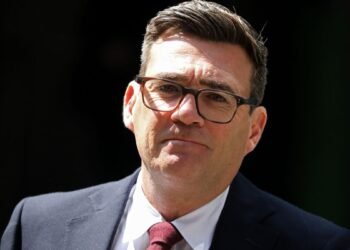 Tax Online Sales to Save High Street, Burnham Urged
 Labour MPs Urge Burnham to Lead UK Reindustrialisation
 UK Land Registry Plan Faces Opposition From Landowners
 Gulf States Push Multi-Part Deal to Avert US-Iran War
UK Devolution Plan Faces Test Over Regional Inequality
 UK Budget Leaves Households Facing Higher Energy Bills
 MPs Urge UK to Write Off Most British Council Debt
 Australia Reviews UK Visa Rules Amid Worker Influx
 UK Employers to Be Forced to Publish Job Salaries
 Burnham’s Christmas Homelessness Pledge Faces Uncertainty
 TUC Chief Urges Major Investment to Tackle UK Youth Jobs Crisis
 Zelenskyy Sees Peace Opportunity as US Envoys Meet Putin
 Ilse Aigner Set to Make German History as First Female President
 Burnham Unveils Major Plan to Tackle Youth Unemployment
 Ukraine Missile Strike Cripples Key Crimea Bridge