Published: 21 October 2026. The English Chronicle Desk. The English Chronicle Online
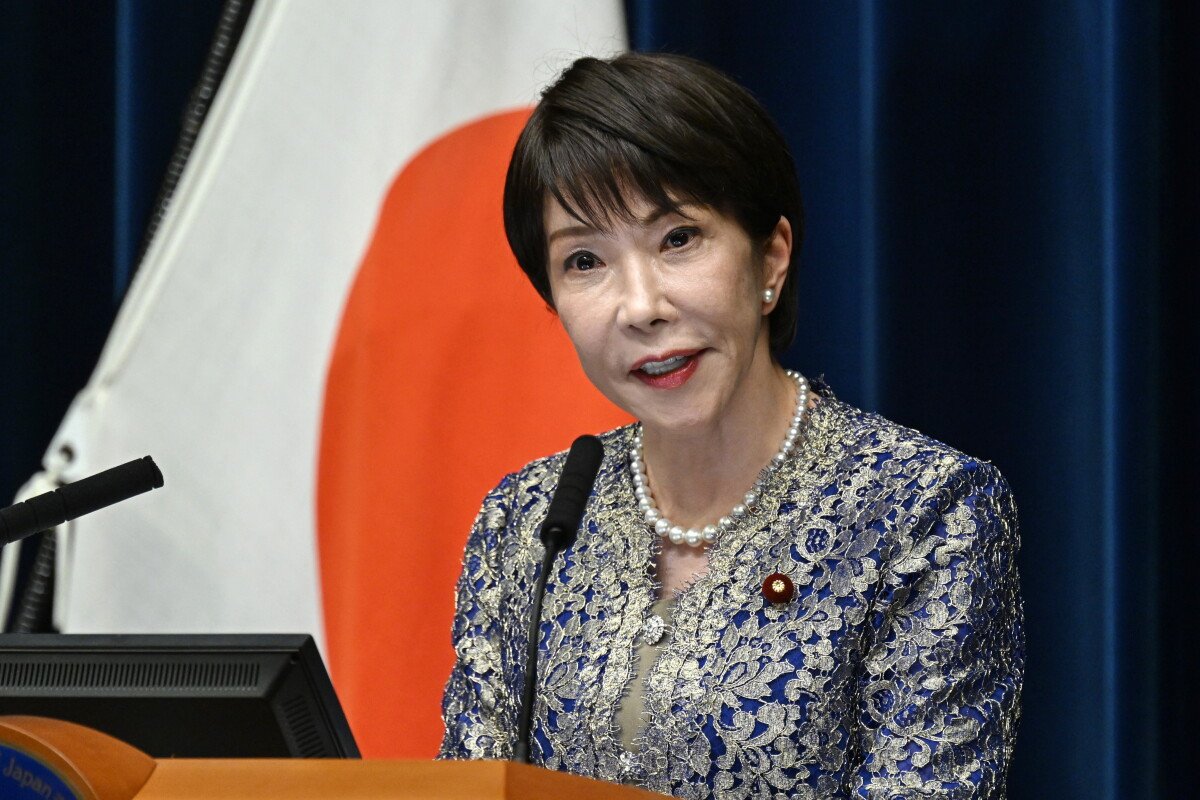
Sanae Takaichi has spent her first year as Japan’s prime minister challenging the conventions of a political system long dominated by men. From becoming the country’s first female leader to guiding her conservative party towards a decisive electoral victory, she has defied expectations and established herself as one of Japan’s most prominent political figures. Yet, as she enters her second year in office, the challenges confronting her government are becoming increasingly difficult to ignore.
Takaichi’s direct communication style, firm stance towards China and efforts to maintain Japan’s close relationship with the United States have helped her build a strong public profile. Her willingness to speak plainly about national security and economic priorities has also attracted voters who have grown frustrated with traditional political leadership. However, her latest difficulties suggest that public popularity alone may not guarantee political survival.
The 65-year-old leader is now facing a combination of economic uncertainty, cabinet controversy, internal party tensions and questions about her ability to maintain effective relationships with political colleagues. These pressures could determine whether she consolidates her position or becomes vulnerable to the same political forces that have contributed to the downfall of previous Japanese prime ministers.

Takaichi’s rise to power represented a significant moment in Japan’s political history. The country has traditionally maintained a political culture in which senior leadership positions have overwhelmingly been occupied by men. Although women have gradually gained greater visibility in public life, the highest levels of government have remained difficult to penetrate.
Her emergence as prime minister challenged that established pattern. A conservative politician influenced by former prime minister Shinzo Abe and known for her strong national security views, Takaichi has pursued a leadership style that differs from the more consensus-oriented approach associated with many of her predecessors.
Rather than relying primarily on traditional political gatherings and carefully managed public appearances, she has developed a more direct relationship with voters. Her frequent social media posts, particularly on X, allow her to explain policies in her own words and communicate with supporters without depending entirely on conventional media coverage.
That approach has helped strengthen her connection with younger voters and people who feel disconnected from Japan’s established political institutions. Merchandise featuring her image and the affectionate nickname Sanae-chan has also become popular, reflecting the unusual public attention surrounding her leadership.
Her political success has been reinforced by her party’s strong electoral performance. The Liberal Democratic Party, which had faced serious political difficulties before her leadership, secured a decisive victory in the February election. The result gave Takaichi a stronger mandate and appeared to demonstrate that her personal appeal could help restore confidence in the governing party.
Nevertheless, the enthusiasm surrounding her rise has not eliminated the practical difficulties of governing Japan. Recent opinion polling has placed her approval rating at approximately 50 per cent, its lowest level since she became prime minister. Although the figure remains comparatively strong for a Japanese leader a year into office, the decline indicates that public support cannot be taken for granted.
One of Takaichi’s greatest political strengths has been her handling of Japan’s complicated relationship with China. Tensions between Tokyo and Beijing have intensified over Taiwan, regional security and the broader balance of power in East Asia. Takaichi’s refusal to retreat under diplomatic pressure has appealed to voters who believe Japan must take a firmer position in defending its national interests.
She has also worked to maintain a stable relationship with US President Donald Trump. Japan relies heavily on its security partnership with Washington, making the relationship essential to its defence strategy and regional influence. Since taking office, Takaichi has met Trump several times and made considerable efforts to maintain a constructive relationship with the American president.
Not every encounter has been comfortable. During a meeting in the Oval Office in March, Trump made a remark about the Japanese attack on Pearl Harbor. Takaichi did not respond directly, although her reaction appeared to indicate discomfort. Despite such awkward moments, she has continued to emphasise the importance of the alliance and previously described the relationship between Tokyo and Washington as entering a potential golden age.
Her diplomatic performance has strengthened her reputation as a leader capable of navigating difficult international relationships. Analysts believe her straightforward communication and willingness to discuss security challenges openly have helped distinguish her from earlier administrations.
However, foreign policy successes may not be sufficient to protect her government from domestic criticism. The first major cabinet scandal of her premiership has exposed the risks associated with her decision-making and her relationship with senior colleagues.
Agriculture minister Kazuo Yana came under pressure after remarks suggesting that municipalities that did not support him could face reductions in road funding. The comments triggered criticism and raised concerns about the appropriate use of government resources. Takaichi initially defended the minister, describing the reported remarks as unimpressive if they had been made as alleged.
Her response failed to end the controversy. Pressure continued to mount, and Yana resigned on 14 October, becoming the first cabinet minister to leave her government following a major scandal.
The episode has raised questions about Takaichi’s political judgment. By standing behind the minister for nearly two weeks, she risked appearing reluctant to acknowledge the seriousness of the allegations. Political observers have warned that the controversy could affect future approval ratings and encourage critics within the governing party to question her leadership.
Other issues are adding to the pressure. Takaichi has faced criticism over proposals affecting the rules governing succession to Japan’s imperial throne, where the existing system restricts succession to male members of the imperial family. Public discussion about the possibility of a reigning empress has continued, but her approach has disappointed those hoping for reform.
Her government has also faced scrutiny over its response to international legal institutions and growing public anger in Okinawa following the arrest of a US marine suspected of murdering and robbing a local woman. The incident has renewed concerns about the presence of American military personnel and the social burden associated with hosting US forces.
For residents of Okinawa, where military installations have long been a source of controversy, the case carries particular significance. Takaichi must balance the strategic importance of the US alliance against public demands for accountability and greater protection for local communities. Mishandling that balance could create political difficulties both nationally and within the affected region.
Economic pressures represent another substantial challenge. The rising cost of everyday necessities has become a central concern for Japanese households, placing pressure on the government to provide tangible relief. Takaichi has proposed reducing the consumption tax on food and drinks from eight per cent to one per cent for two years, alongside cash payments intended to help struggling households.
The proposals could offer meaningful assistance to families facing higher grocery bills and other living expenses. Lower food taxes would reduce some of the financial pressure on consumers, while direct payments could provide immediate support to households with limited disposable income.
However, the funding arrangements remain a major concern. Takaichi has maintained that the measures will not require additional borrowing, but critics say the government has yet to explain convincingly how the plans will be financed. Japan already carries a particularly heavy public debt burden among the Group of Seven advanced economies, making the long-term implications of new spending commitments politically sensitive.
The government must therefore demonstrate that it can deliver economic relief without undermining confidence in public finances. If the proposed measures are delayed, diluted or accompanied by further uncertainty, voters may begin to question whether Takaichi’s promises can translate into practical results.
Her leadership style could complicate the task. Takaichi rarely grants individual interviews and often communicates through detailed social media posts. During her first five months in office, she held 34 press briefings, compared with 57 for her immediate predecessor Shigeru Ishiba and 90 for Fumio Kishida over comparable periods. Figures reported by Japanese media also indicated that she published hundreds of posts on X during that period.
Supporters regard this approach as an efficient way to communicate directly with the public. Critics, however, argue that fewer opportunities for independent questioning could limit scrutiny of government decisions. Traditional relationships between political leaders and newspaper and television executives have also weakened, prompting concerns about transparency and access to information.
Takaichi’s personal routine has attracted attention as well. She has said that she sometimes sleeps for only two to four hours a night and has described the demands of combining political responsibilities with household tasks. She has also spoken about the additional time she believes she spends on personal preparations compared with male prime ministers.
Her commitment to work has become part of her public identity, but the demands of leadership extend beyond long working hours. Effective government requires consultation, delegation and the ability to understand competing viewpoints. Analysts have expressed concern that her preference for making decisions independently and her limited engagement with political allies could leave her isolated when difficult choices arise.
In Japan’s political system, relationships within the governing party are particularly important. Policy decisions often depend on negotiations among party factions, coalition partners, legislators and influential business representatives. Previous prime ministers cultivated these relationships through regular meetings and informal gatherings, creating networks of support that could prove valuable during periods of uncertainty.
Takaichi appears less interested in this traditional political culture. Reports suggest that she has spent considerably less time dining with colleagues than some predecessors did. While this may reinforce her image as a disciplined leader focused on public responsibilities, it could also weaken her ability to manage disagreements behind the scenes.
Her position therefore depends partly on whether the results of her leadership continue to satisfy voters and party members. If her diplomatic approach remains popular and her economic policies produce visible benefits, sceptical colleagues may have little incentive to challenge her. But if public approval falls, the absence of a strong network of loyal supporters could become a serious vulnerability.
The significance of Takaichi’s premiership extends beyond her immediate political survival. Her rise has demonstrated that a woman can reach Japan’s highest political office while operating within a conservative political tradition. Her communication methods, personal independence and direct approach to national security have also challenged assumptions about how Japanese leaders should behave.

Yet her political legacy will ultimately depend on more than breaking barriers or attracting attention. She must show that her government can respond to the everyday concerns of citizens, maintain public confidence, manage diplomatic tensions and preserve cooperation within its own ranks.
As Takaichi begins her second year in office, she remains a formidable political figure with a substantial public platform and a record of defying expectations. Nevertheless, the cabinet scandal, economic uncertainty and questions about her relationships with colleagues have exposed weaknesses that cannot be overcome through personal popularity alone.
Her greatest test may be whether she can retain the directness that helped her rise while developing the political partnerships needed to govern effectively. Japan’s political establishment may have learned to accommodate a leader who does not follow its traditional social conventions. Whether it continues to support her when circumstances become more difficult is a different question.
Takaichi has already demonstrated that she can challenge Japan’s male-dominated political culture and win public support. The coming year will reveal whether she can turn that achievement into lasting political authority.
Related News:
 South Korea-Ukraine Row Erupts Over North Korean POWs
 Southeast Asia Turns to Russia Amid Energy Crisis
 US Calls Australia Media Law “Foreign Extortion”
 Oil Prices Surge Above $120 Amid Iran Blockade Fears
 Australia pushes Pacific security pact amid China tension
 US Awaits Iran Reply on New Ceasefire Proposal
 Hormuz Talks Near Critical Stage
 Discontent grows around Putin amid war strain
 Houthis Strike Saudi Arabia as Middle East Tensions Rise
 Taliban global ties grow as rights fears mount
 Seoul proposes historic peace talks to replace Korean War armistice
 Trump announces major US oil deal with Venezuela
 Trump Hardens Canada Trade Stance as Talks Stall
 Saudi Arabia Shuts Oil Pipeline After Drone Attack
 Nearly 50,000 Flee as Houthis Advance in Yemen
 South Korea Rules Out Military Role in Iran War
 Iran Rejects Claims of Shift in US Talks
 Xi urges Trump to avoid US-China military conflict
 Saudi intercepts Houthi missiles as oil fears grow
 Trump Asked Xi About Buying US Weapons
 South Korea demands apology over DMZ mine blast
 South Korean fuel reaches Russia despite sanctions
 Tanker Attacked Near Qatar as Hormuz Tensions Escalate
 South Korea Probes Fuel Shipments to Russia
 Houthi Missile Claim Sparks Riyadh Airport Disruption
 India’s Youth Movement Alleges Mass Detentions Before Protest
 Turkey Rules Out Troops in Saudi Arabia’s Houthi Conflict
 Trump’s Russian Diesel Deal Sparks Ukraine Fury
 Delhi Braces for Youth Protests Over Voter Roll Dispute
 Delhi Detains Protest Leaders as Youth Rally Escalates
 PTI Announces Swabi Rally Ahead of Long March Plans
 India’s Voter Roll Crisis Sparks Nationwide Protests
 Serbia Leader Linked to Controversial Trump Tower Plan
 Suu Kyi Appears in Rare Photos After Royal Gift
 Canada Passes Carney’s First Budget in Tight Parliamentary Vote
 India’s Labour Law Overhaul Sparks Fierce Debate
 Iran unrest slows under brutal crackdown and global tensions
 Thousands Protest ICE Operations in Nationwide US Day of Action
 Epstein Files Reveal Trump Officials’ Emails with Financier
 Thousands Protest ICE in New York Against Trump Deportation Campaign
 Trump to Deploy “God Squad” Over Gulf Wildlife Protections
 Trump Slams UK Ties and Threatens To Rewrite Trade Deal
 Ukraine Urges UK to Seize Russian Oil Tankers
 Capitalism ‘Suicidal’, Warns Petro at Climate Summit
 Trump orders US troop pullout from Germany
 Activists allege abuse after Gaza flotilla seizure
 Trump approval plunges amid Iran war fears
 Tensions Emerge in Netanyahu-Trump Alliance
 Ukraine Creates Long-Range Strike Command
 Russian Missiles Intensify Pressure on Kyiv
 Former Diplomats Urge UK and France to Act on Palestine
 Trump Calls Iran War ‘Small Potatoes’ Despite US Deaths
 Swedish Mining Push Puts Sami Land Rights Under Pressure
 UK plans tougher Israel stance with settlement trade ban
 Japan PM Backs International Criminal Court
 Trump gives Xi red-carpet welcome as trade truce extends
 Lula accuses Trump of seeking control over Brazil
 Nepal PM calls deadly flood a global climate warning
 Economic growth and political strain reshape Benin
 Burnham Opens Door to Possible UK Return to EU
 Pilot and Passengers Help Save Flydubai Flight
 New Maps Reveal Gaza’s Vast Destruction
 Argentina Protesters Resist Milei’s Land Sale Drive
 Israeli Settlers Assault Palestinian Photographer
 Israel Marks Three Years Since October 7 Attack
 UK Mission in East Jerusalem to Remain Open
 Sri Lanka Ex-First Lady Arrested Over Donation Probe
 Israel Promotes Film Challenging Controversial Gaza Documentary
 Gaza War Deepens India’s Strategic Ties With Israel
 Trump Rules Out Iran Attack Before US Elections
 Delhi Tightens Security Ahead of Election Protest
 Australia Rejects Russian Fuel as Trump Strikes Deal
 Brazil Court Scandal Threatens Lula as Bolsonaros Rise
 Millions Face Tougher Medicaid Rules From January
 Gadi Eisenkot: Israel’s Anti-Netanyahu Challenger
 Trump Rallies GOP as Senate Democrats Boost Key Races
 UK Could Rejoin EU Through a Switzerland Plus Deal
 Brexit Debate Returns as UK Voters Reconsider EU Exit
 Milan Luxury Stores Shut as Italy Plans Troop Deployment
 Zelenskyy Says US Failed to Warn Kyiv of Russian Strikes