Published: 07 October 2026. The English Chronicle Desk. The English Chronicle Online
Israelis gathered at memorials, cemeteries, roadsides and the site of the Nova music festival on Wednesday to mark three years since the Hamas-led 7 October 2023 attack, a day that killed about 1,200 people and transformed the political and security landscape of Israel and the wider Middle East.
At the Nova festival site near Re’im, where hundreds of people were killed or abducted during the attack, families and friends returned to remember those who never came home. The memorial gatherings were marked by grief, silence and personal memories, but also by renewed demands for answers over how the attack was able to happen despite Israel’s extensive security apparatus.
The attack began at about 6.29am on 7 October 2023, when Hamas-led militants crossed from Gaza into southern Israel. The assault involved armed fighters arriving by land and motorised paragliders, striking communities and military positions and attacking the Nova music festival, which was taking place close to the Gaza border.

At Nova, 378 people were killed and 44 others were taken hostage, according to figures cited during the anniversary commemorations. For families of those who died, the passage of three years has not erased the trauma of that morning.
Katia Zohar, whose 23-year-old daughter Bar Zohar was killed, described 6.29am as the moment that changed her family’s life forever. She recalled receiving calls from her daughter after the attack began, first asking to be collected because missiles were in the air and later screaming that gunmen were shooting at her.
For another grieving mother, Anna Davitashvili, the anniversary was marked by music. Her 25-year-old son Shaun was killed at the festival alongside friends. She played the final techno track that festivalgoers had been dancing to when the attack began, using the music as a personal memorial to a son whose life was cut short.
“I feel him here,” she said while remembering her son and expressing regret that she had been unable to help him escape.
Across Israel, similar scenes unfolded as people attempted to commemorate the dead while confronting the consequences of the conflict that followed. The attack triggered Israel’s devastating military campaign in Gaza, resulting in a prolonged war and an enormous humanitarian toll in the Palestinian territory.
The anniversary has therefore become both a day of national mourning and a moment of political reckoning.
In Israel, families of victims and former hostages have continued to demand an independent state inquiry into the failures that preceded the attack. They argue that only a comprehensive investigation can establish what went wrong, identify responsibility and reduce the possibility of a similar catastrophe happening again.
Demonstrators gathered in Tel Aviv, outside the Knesset and in other locations across the country. Some blocked roads at precisely 6.29am, while others observed moments of silence. Memorial displays were erected in public spaces, including a striking installation on a Tel Aviv beach representing the more than 1,200 people killed during the attack.
The display carried a message describing the events as a “total failure”, reflecting the anger of Israelis who believe the government and security establishment must answer for the breakdown that allowed the assault to occur.
At the Knesset, families of victims and hostages gathered to remember those lost and demand accountability. Gal Goren, whose parents Avner and Maya were killed on 7 October 2023, spoke of three years of grief as a period in which the original day seemed never to have ended.
His words reflected a wider sentiment among bereaved families that remembrance alone is insufficient. Many want an investigation capable of examining decisions made before the attack, intelligence warnings, military preparedness and the government’s response.
The political dispute has become especially significant because Israel is approaching a general election on 27 October. Prime Minister Benjamin Netanyahu is seeking another term, and the question of responsibility for the 7 October security failure has become an important part of the political debate.
Netanyahu has argued that Israel’s security leadership collectively failed to anticipate the Hamas operation. His critics, however, say that the prime minister must personally answer for the failures that occurred under his government.
Netanyahu has resisted calls for an independent public commission of inquiry, while critics argue that a government cannot objectively investigate failures for which its own senior officials may ultimately bear responsibility.
The issue has been further complicated by allegations that warnings about a possible Hamas operation were available before the attack. A recent report based on a book by Israeli journalists claimed that Netanyahu had personally received a warning from the president of the United Arab Emirates about preparations for a major Hamas offensive. Netanyahu has denied the allegation and described the report as false.
The dispute over what Israeli officials knew, when they knew it and what action was taken remains unresolved. For families who lost relatives, those questions have become inseparable from their mourning.
One bereaved father interrupted Netanyahu during a state memorial ceremony earlier in the week, accusing the prime minister of failing to protect his son and the other victims of the attack. The confrontation reflected the depth of anger among some families, many of whom believe political responsibility cannot be separated from the national tragedy.
The anniversary has also brought renewed attention to the hostages taken during the attack and to the lengthy efforts to secure their release. Families of hostages have repeatedly called on Israeli leaders to prioritise their return, while the wider debate over ceasefire negotiations has remained deeply divisive.
Meanwhile, Israeli security forces have remained on high alert as the anniversary approached. Defence Minister Israel Katz said the military had been placed on heightened readiness because of intelligence suggesting Hamas might attempt attacks against Israeli forces in Gaza during the anniversary.
The warning underscored the extraordinary circumstances surrounding this year’s commemoration. Israelis were remembering an attack that happened three years ago while security officials were simultaneously preparing for the possibility of renewed violence.
The anniversary has also been marked by continued military activity. Reports from the region indicated that Israeli strikes were heard in Gaza as mourners gathered at the Nova festival site, despite a ceasefire having been declared in the Palestinian territory the previous October.
The contrast between memorial ceremonies in Israel and continuing insecurity in Gaza illustrates how deeply the consequences of 7 October continue to shape everyday life on both sides.
In Britain, Prime Minister Andy Burnham issued a statement commemorating the victims and expressing solidarity with Jewish communities. He said the impact of the attack had been felt not only in Israel but among Jewish communities internationally and warned of a rise in antisemitic behaviour in Britain since the attacks.
Burnham also referred to a later terrorist attack against a Jewish congregation in Manchester and pledged continued protection for synagogues, schools and community buildings. He said Britain would continue opposing antisemitism while supporting efforts towards a two-state solution in which Israelis and Palestinians could live alongside each other in peace and security.
The anniversary has consequently become an international moment of remembrance as well as a deeply contested political event.
For many Israelis, 7 October remains associated first and foremost with the shock of the attack, the loss of loved ones and the sense that the state failed in its most basic responsibility to protect its citizens. For Palestinians, the years since the attack have brought mass displacement, destruction and a severe humanitarian crisis in Gaza.
The continuing political debate reflects these overlapping realities. Israel’s government has emphasised security and the threat posed by Hamas, while critics have focused on the failures preceding the attack and the conduct of the subsequent war.
The coming election could provide Israeli voters with their first national opportunity since 7 October to express their views on Netanyahu’s leadership. The prime minister’s security credentials, once a central component of his political identity, are now being examined through the lens of the worst security failure in decades.
Yet for families returning to places such as Nova, politics is only one part of the story. The anniversary is also about remembering ordinary people whose lives ended suddenly at a music festival, in homes, on roads and in communities near Gaza.
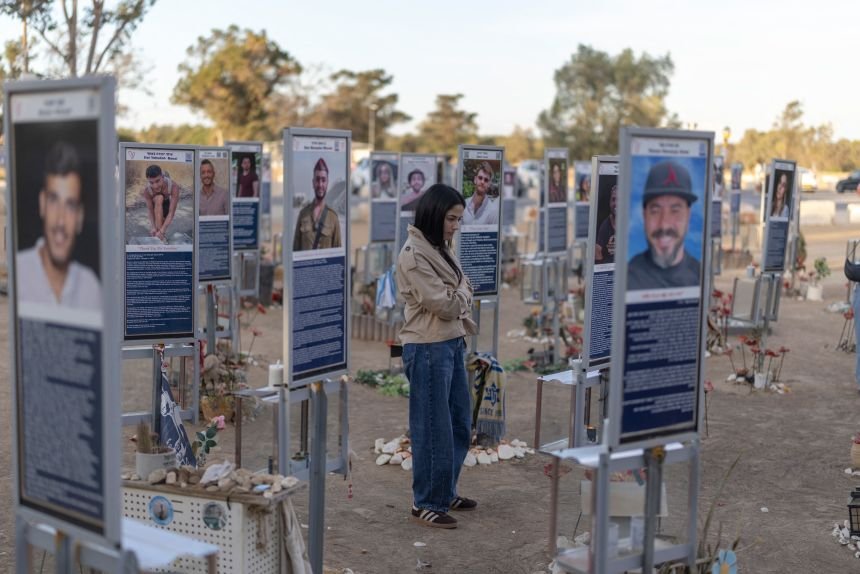
At the Nova site, photographs, names and personal memorials have transformed the location of the massacre into a place of remembrance. Parents, siblings, friends and survivors continue to return because the physical landscape provides a connection to people who are no longer there.
Three years after the attack, the memories remain intensely personal. The calls for help, the final messages, the music playing before the violence and the uncertainty experienced by families have become part of a collective national memory.
But remembrance has also brought demands for accountability. Many bereaved families say that understanding how the attack happened is essential to preventing another disaster.

As Israel observes the third anniversary, the country is therefore confronting two different but connected questions: how to remember those killed and how to account for the failures that preceded their deaths.
The answers remain contested, and the political debate is likely to continue well beyond the anniversary. What is clear is that 7 October 2023 remains a defining moment in modern Israeli history, while its consequences continue to affect Israelis, Palestinians and communities around the world.
For those who lost loved ones, however, the anniversary is ultimately less about political arguments than about absence. Three years have passed, but for many families, the day that began at 6.29am remains emotionally present, a moment when ordinary lives were permanently changed.
Related News:
 Houthis Strike Saudi Arabia as Middle East Tensions Rise
 Saudi Pact Raises Risk of Pakistan Entering War
 New Maps Reveal Gaza’s Vast Destruction
 UK Prepares Aircraft Carrier for Middle East Crisis
 Middle East Crisis Escalates as Oil Routes Shake Markets
 Millions Gather for Khamenei’s Six-Day State Funeral
 Taliban global ties grow as rights fears mount
 Israeli Strike in Southern Lebanon Kills Seven
 Trump Calls Strait of Hormuz ‘American Territory’
 Trump Faces Iran War Crisis Before Midterm Vote
 North Korea Expands Uranium Facility at Yongbyon
 Saudi Arabia Shuts Oil Pipeline After Drone Attack
 Nearly 50,000 Flee as Houthis Advance in Yemen
 South Korea Rules Out Military Role in Iran War
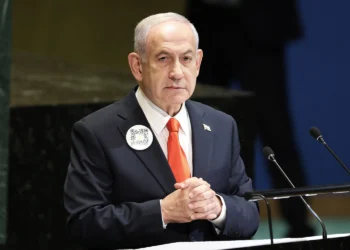 Netanyahu faces protests and pressure at UN
 Saudi intercepts Houthi missiles as oil fears grow
 Iran Awaits Trump Response on Seven-Day Hormuz Plan
 Trump Asked Xi About Buying US Weapons
 South Korea-Ukraine Row Erupts Over North Korean POWs
 US Sends Third Carrier to Middle East
 Yemen government launches offensive against Houthis
 Germany Pledges €1bn Military Aid to Ukraine
 Israeli Settlers Assault Palestinian Photographer
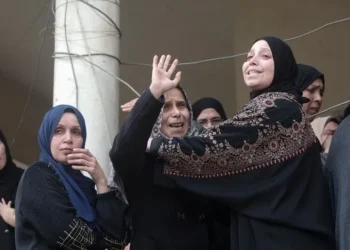 Three Years On, October 7 Survivors Face Lasting Trauma
 Yemen Conflict Escalates as Houthis Expand Their Front
 Vance Demands Iran Cut Nuclear Enrichment
 Middle East Flights Halted After Iran Strikes
Nine Killed in Karachi Consulate Protest
Middle East Flights Halted After Iran Strikes
Nine Killed in Karachi Consulate Protest
 Thousands Protest Iran Strikes Outside US Embassy London
 US Bombers Arrive at RAF Base Amid Rising Iran Tensions
 Mojtaba Khamenei Chosen as Iran’s New Supreme Leader
 Tehran Oil Depot Strikes Darken City With Toxic Smoke
 Mojtaba Khamenei Supporters Rally as Iranians Fear Repression
 Iran Defiance Grows Amid US-Israel War Pressure
 Hormuz Crisis Sparks Global Oil Market Fears
 Iranian Exile Factions Seek US Backing for Iran’s Future
 Injured Mojtaba Khamenei Elevated as Iran Leader
 Anti-Regime Iranians Turn Anger Toward Trump
 Trump Iran War Stance Hardens as Conflict Widens
 Death, displacement and military duties: children plunged into crisis
 Iran Crisis Tests Trump’s Global Leadership
 Southeast Asia Turns to Russia Amid Energy Crisis
 Aid Crisis Grows as Hormuz War Disrupts Supply
 Activists allege abuse after Gaza flotilla seizure
 Trump likens US Navy actions to ‘pirates’
 Australia pushes Pacific security pact amid China tension
 Ceasefire Standoff Deepens in Ukraine War
 Trump Announces 3-Day Russia–Ukraine Ceasefire Deal
 Tensions Emerge in Netanyahu-Trump Alliance
 US Awaits Iran Reply on New Ceasefire Proposal
 Hormuz Talks Near Critical Stage
 Discontent grows around Putin amid war strain
 Former ICC prosecutor condemns US sanctions
 Trump Claims Iran Peace Deal Near Completion
 Venezuela Quake Death Toll Surpasses 4,000
 Five Years of Taliban Rule Leave Afghanistan in Crisis
 Russian Missiles Intensify Pressure on Kyiv
 Former Diplomats Urge UK and France to Act on Palestine
 Trump Calls Iran War ‘Small Potatoes’ Despite US Deaths
 UN expert urges UK to rethink Israel policy
 Susan Sarandon Says Palestine Stand Costs Roles
 Miliband Rejects Chief Rabbi’s West Bank Warning
 Israel Accused of Undermining Palestinian Life
 Middle powers seek new alliances amid Trump era
 Japan PM Backs International Criminal Court
 Irish PM Backs Coach in Israel Football Dispute
 Iran Rejects Claims of Shift in US Talks
 Xi urges Trump to avoid US-China military conflict
 Russia Targets Ukraine’s Digital Economy With Strikes
 South Korea demands apology over DMZ mine blast
 Pilot and Passengers Help Save Flydubai Flight
 Russian Strikes Disrupt Kyiv Bridge Traffic
 North Korea Fires Missile Amid DMZ Tensions
 Ukraine claims strikes have crippled Russia’s oil refining
 South Korean fuel reaches Russia despite sanctions
 Japan PM condemns alleged killing by US Marine
 Iran Nobel Laureate Reveals Prison Torture and Fears
 Trump Comments on Iran Strike Draw US Backlash
 Canadian Veterans Condemn Trump Allies’ Military Remarks
 Tanker Ablaze After Drone Strike Near Sochi