Published: 07 October 2026. The English Chronicle Desk. The English Chronicle Online
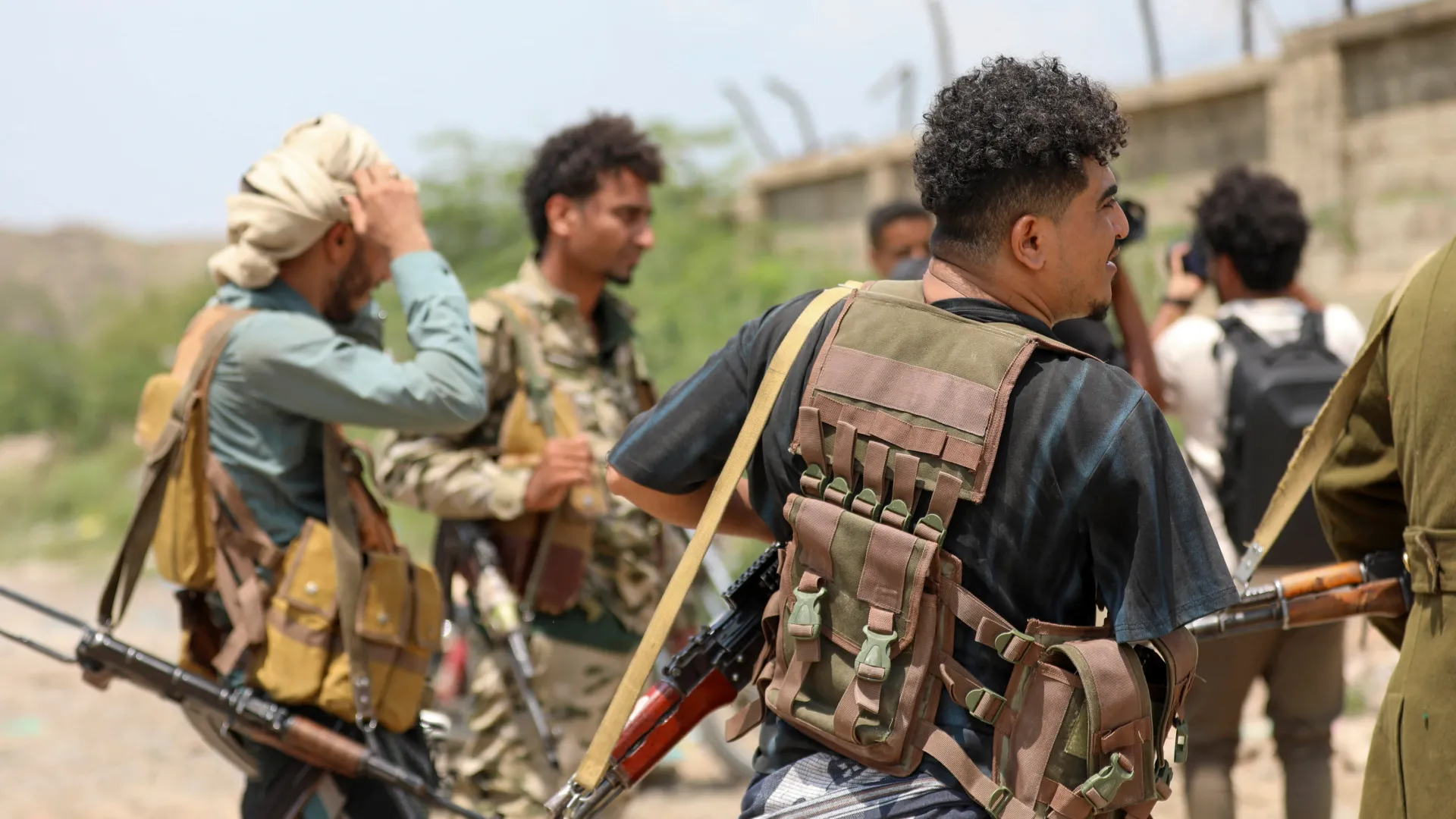
Yemen’s long-running civil war has entered a new and potentially more dangerous phase, with the Iran-backed Houthi movement expanding its military reach towards one of the world’s most strategically important maritime passages and Saudi Arabia launching a major counteroffensive to prevent further territorial gains.
The renewed fighting has transformed a conflict that had remained relatively contained for several years into a confrontation with consequences reaching well beyond Yemen’s borders. The Red Sea, the Bab al-Mandab strait and Saudi Arabia’s vital energy infrastructure are now directly linked to the latest escalation, raising concerns that Yemen could once again become a major front in a wider regional conflict.
The immediate breakdown of the relative calm followed a confrontation between Saudi Arabia and the Houthis over access to Yemen. Saudi forces bombed the runway of Sana’a airport after attempting to prevent an Iranian aircraft carrying Yemenis returning from a funeral in Iran from landing in the Houthi-controlled capital.

Saudi Arabia maintained that it had permitted a charter aircraft to land but objected to an Iranian-owned plane. The aircraft eventually travelled instead to Hodeidah on Yemen’s Red Sea coast.
The Houthis interpreted the Saudi action as part of a broader effort to isolate territory under their control. Their leadership responded with a declaration that a Saudi blockade would be met with a blockade of its own.
That marked a significant deterioration in a ceasefire that had helped reduce large-scale Saudi-Houthi fighting since 2022.
The Houthis subsequently announced a naval blockade targeting Saudi Arabia and began launching missiles towards Saudi energy facilities. The movement’s intervention came after months in which it had remained relatively restrained despite the wider conflict involving Iran and the United States.
The renewed Houthi campaign has been particularly significant because of Yemen’s geography. The country sits beside the Red Sea and controls territory close to the Bab al-Mandab strait, a narrow maritime passage through which a substantial amount of global commercial shipping travels.
For years, the Houthis have used their position along Yemen’s western coastline to threaten or disrupt shipping, particularly vessels connected to Israel. But their latest campaign has gone further, with Houthi forces seeking to strengthen their control over the southern approaches to the Red Sea.
In September, the movement rapidly expanded southwards. Houthi forces captured the coastal town of Mocha, along with small islands and an airport near the Bab al-Mandab area. Fighting then spread towards al-Waz’yah and the mountainous terrain overlooking the strait and the route towards Taiz governorate.
Taiz is particularly important politically and militarily. It is Yemen’s third-largest city and the hometown of Rashad al-Alimi, head of the internationally recognised government.
The speed of the Houthi advance has prompted questions about the effectiveness and cohesion of the forces opposing them. Some accusations have focused on alleged political or military betrayal involving Tareq Saleh, a relative of Yemen’s former president and commander of the National Resistance Forces.
Other explanations point to deeper structural weaknesses. Anti-Houthi forces are divided among competing political and military groups, while command structures and intelligence capabilities remain uneven.
The Houthis, by contrast, have developed extensive battlefield experience over nearly two decades. Their forces have demonstrated an ability to operate effectively in Yemen’s difficult mountainous terrain and have benefited from Iranian assistance, including weapons and other forms of support.
However, describing the Houthis simply as an Iranian proxy risks overlooking their independent political and religious motivations. Their opposition to Saudi influence in Yemen has deep roots, and their leadership has repeatedly pursued its own strategic objectives even while cooperating with Tehran.
Saudi Arabia eventually responded with a major military operation.
Rashad al-Alimi announced a broad counteroffensive known as Operation Yemen Dawn, aimed at reversing the Houthi gains and ending what the government describes as the Houthi takeover.
Saudi aircraft have been deployed in significant numbers in support of Yemeni ground forces. Fighting is taking place on several fronts, including mountainous areas west of Taiz, Marib and areas around Sana’a. At the same time, Houthi forces have launched missiles towards multiple Saudi cities.
Although reports of major Houthi setbacks have circulated, the actual balance on the battlefield remains uncertain. Saudi Arabia has significant military resources and air power, but previous experience in Yemen has demonstrated the difficulty of achieving a decisive victory against the Houthis.
The relationship between Riyadh and Yemen’s internationally recognised government is also complicated by geography, economics and political dependence.
Saudi Arabia and Yemen share a border stretching roughly 1,200 kilometres. Since the end of British rule in southern Yemen in 1967, Yemen has become heavily dependent on Saudi economic assistance.
Millions of Yemenis have worked in Saudi Arabia, sending money back to their families. Riyadh has also provided substantial financial support to successive Yemeni governments, helping them maintain basic state functions and prevent economic collapse.
That dependence has given Saudi Arabia considerable influence over Yemen’s political leadership. Many senior Yemeni officials have spent extended periods in Saudi Arabia rather than operating from Yemen itself, leading critics to portray the government as a form of “hotel legitimacy”.
Yet the forces fighting the Houthis are far from united.
Yemen remains divided by tribal loyalties, regional identities, political rivalries and religious differences. Southern forces have played a major role in the current campaign despite having political ambitions that differ sharply from those of the internationally recognised government.
The Southern Transitional Council, which supports an independent southern Yemen, remains an especially important force. Its political leadership is preparing a mobilisation that could demonstrate the extent of popular support for separatism.
The group’s leader, Aidarous al-Zubeidi, remains outside Yemen after being accused by the internationally recognised government of attempting to establish a separate state. His possible return would carry significant political and security risks.
The United Arab Emirates has also played a major role in shaping Yemen’s fragmented political landscape.
The UAE joined the Saudi-led coalition in 2015 with the objective of pushing the Houthis out of Sana’a. Over time, however, Abu Dhabi’s priorities diverged from Riyadh’s.
The UAE strongly opposed political movements associated with the Muslim Brotherhood and viewed Yemen’s Islah party with suspicion. It subsequently developed close relationships with southern separatists and other armed groups, including the Southern Transitional Council and National Resistance Forces.
The UAE formally withdrew from Yemen in early 2026, but its influence remains part of the complex political and military background.
The United States, meanwhile, appears reluctant to become directly involved in the renewed conflict.
Washington has already been heavily engaged in the broader confrontation involving Iran, placing additional pressure on American weapons stocks and military resources. There is also a political calculation. With US midterm elections approaching, President Donald Trump has little apparent interest in opening another prolonged military campaign.
The United States previously conducted a lengthy bombing campaign against the Houthis before reaching a bilateral ceasefire with the movement. That agreement did not include Israel and allowed Washington to reduce its direct involvement in Yemen.
European governments have nevertheless become indirectly involved. European countries, including Britain, have reportedly provided support such as aerial refuelling for Saudi aircraft. There is also growing attention around a new defence agreement involving Turkey, Saudi Arabia and Pakistan.
The agreement was signed in August and appears designed partly to address the changing regional security environment following the US-Israeli confrontation with Iran. Its precise role in Yemen remains uncertain, although reports have suggested that Pakistan may be providing weapons to forces based in Aden.
The central question now is whether Saudi Arabia can reverse the Houthi advance without becoming trapped in another prolonged war.
Riyadh possesses overwhelming advantages in air power and financial resources, but the Houthis have repeatedly demonstrated their ability to withstand stronger opponents. Saudi Arabia also has vulnerable energy infrastructure, while attacks from other regional actors could create additional pressure on the kingdom.
The situation is further complicated by Yemen’s geography. Mountainous terrain, fragmented local alliances and decades of conflict make a rapid military victory extremely difficult.
For the Houthis, controlling territory close to the Bab al-Mandab strait provides both military and political leverage. For Saudi Arabia, allowing the movement to consolidate that position could create a long-term security threat along its southern border and potentially expose vital commercial and energy routes to attack.
The renewed fighting therefore represents more than another chapter in Yemen’s civil war. It is becoming intertwined with the broader struggle for influence across the Middle East, involving Iran, Saudi Arabia, the United States, Gulf states and other regional and international powers.

The immediate battlefield outcome remains uncertain. Saudi Arabia may succeed in regaining territory, but sustaining a long campaign could prove costly. The Houthis, meanwhile, face the challenge of maintaining their territorial gains while confronting superior air power and the possibility of a wider regional response.
Three years of relative calm had raised hopes that Yemen’s devastating conflict might gradually move towards a political settlement. The latest escalation has instead demonstrated how fragile that progress was.
For millions of Yemenis already affected by years of war, displacement and economic hardship, the renewed fighting threatens to reopen wounds that had only begun to heal. And with the Red Sea and Bab al-Mandab now increasingly central to the confrontation, the consequences of Yemen’s conflict could once again extend far beyond the country’s borders.
Related News:
 UK Prepares Aircraft Carrier for Middle East Crisis
 Middle East Crisis Escalates as Oil Routes Shake Markets
 Houthis Strike Saudi Arabia as Middle East Tensions Rise
 Trump Calls Strait of Hormuz ‘American Territory’
 Trump Faces Iran War Crisis Before Midterm Vote
 Saudi Pact Raises Risk of Pakistan Entering War
 Netanyahu faces protests and pressure at UN
 Iran Awaits Trump Response on Seven-Day Hormuz Plan
 New Maps Reveal Gaza’s Vast Destruction
 Israeli Settlers Assault Palestinian Photographer
 Three Years On, October 7 Survivors Face Lasting Trauma
 Middle East Flights Halted After Iran Strikes
 Thousands Protest Iran Strikes Outside US Embassy London
 US Bombers Arrive at RAF Base Amid Rising Iran Tensions
 Mojtaba Khamenei Chosen as Iran’s New Supreme Leader
 Tehran Oil Depot Strikes Darken City With Toxic Smoke
 Mojtaba Khamenei Supporters Rally as Iranians Fear Repression
 Iran Defiance Grows Amid US-Israel War Pressure
 Hormuz Crisis Sparks Global Oil Market Fears
 Iranian Exile Factions Seek US Backing for Iran’s Future
 Injured Mojtaba Khamenei Elevated as Iran Leader
 Trump Iran War Stance Hardens as Conflict Widens
 Ghalibaf Iran: Survivor Emerges in Shifting Power Game
 Death, displacement and military duties: children plunged into crisis
 Iran Crisis Tests Trump’s Global Leadership
 Aid Crisis Grows as Hormuz War Disrupts Supply
 Activists allege abuse after Gaza flotilla seizure
 Trump likens US Navy actions to ‘pirates’
 Global order shifts amid Trump-era turmoil
 Ceasefire Standoff Deepens in Ukraine War
 Trump Announces 3-Day Russia–Ukraine Ceasefire Deal
 Tensions Emerge in Netanyahu-Trump Alliance
 Putin Declares Russia Victory at Scaled Victory Day Parade
 Hunger increasingly weaponised in global conflicts
 Former ICC prosecutor condemns US sanctions
 Trump Claims Iran Peace Deal Near Completion
 Millions Gather for Khamenei’s Six-Day State Funeral
 Taliban global ties grow as rights fears mount
 Israeli Strike in Southern Lebanon Kills Seven
 Trump dismisses concerns over 250-day carrier deployment
 Russian Missiles Intensify Pressure on Kyiv
 Former Diplomats Urge UK and France to Act on Palestine
 Trump Calls Iran War ‘Small Potatoes’ Despite US Deaths
 UN expert urges UK to rethink Israel policy
 Susan Sarandon Says Palestine Stand Costs Roles
 Miliband Rejects Chief Rabbi’s West Bank Warning
 North Korea Expands Uranium Facility at Yongbyon
 Saudi Arabia Shuts Oil Pipeline After Drone Attack
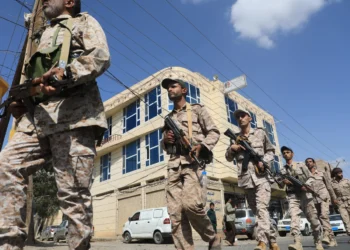 Nearly 50,000 Flee as Houthis Advance in Yemen
 Israel Accused of Undermining Palestinian Life
 South Korea Rules Out Military Role in Iran War
 Irish PM Backs Coach in Israel Football Dispute
 Saudi intercepts Houthi missiles as oil fears grow
 Russia Targets Ukraine’s Digital Economy With Strikes
 Trump Asked Xi About Buying US Weapons
 South Korea-Ukraine Row Erupts Over North Korean POWs
 Pilot and Passengers Help Save Flydubai Flight
 Ukraine’s New FP-7 Missile Makes Combat Debut
 US Sends Third Carrier to Middle East
 Yemen government launches offensive against Houthis
 Germany Pledges €1bn Military Aid to Ukraine
 Ukraine claims strikes have crippled Russia’s oil refining
 Iran Nobel Laureate Reveals Prison Torture and Fears
 Trump Comments on Iran Strike Draw US Backlash
 Canadian Veterans Condemn Trump Allies’ Military Remarks
 Tanker Ablaze After Drone Strike Near Sochi
 BBC to Apologise Over Edited Trump Speech Amid Backlash
 Greene Pushes Epstein Files Amid Trump Fallout
 December Run-Off in Chile as Election Produces No Winner
 Shadow Fleet at Sea: Europe’s Battle Against Illicit Oil Shipping
 UK and US Drop in Global Corruption Index Rankings
 Canberra Poster Seizure Sparks Free Speech Row
 Jacinda Ardern Move Sparks Kiwi Reflection
 Air Canada CEO Faces Outcry Over Recent Language Misstep
 Relationship with Trump may be beyond repair, Starmer warned
 Trump’s Six-Week Iranian War: The High Cost of Ignorance
 Trump Rejects Tehran Peace Plan as Regional Truce Crumbles
 Grief and Devotion Amidst the Rubble of Nabatieh
 Bayeux Tapestry Revives Franco-British Ties
 France Schools Protests Draw 250,000 as Police Clash