Published: 01 October 2026. The English Chronicle Desk. The English Chronicle Online
A dramatic mid-air emergency aboard a flydubai flight bound for Israel has highlighted the extraordinary actions of an injured captain, passengers, medical professionals and off-duty pilots who worked together to prevent what could have become a major aviation disaster.
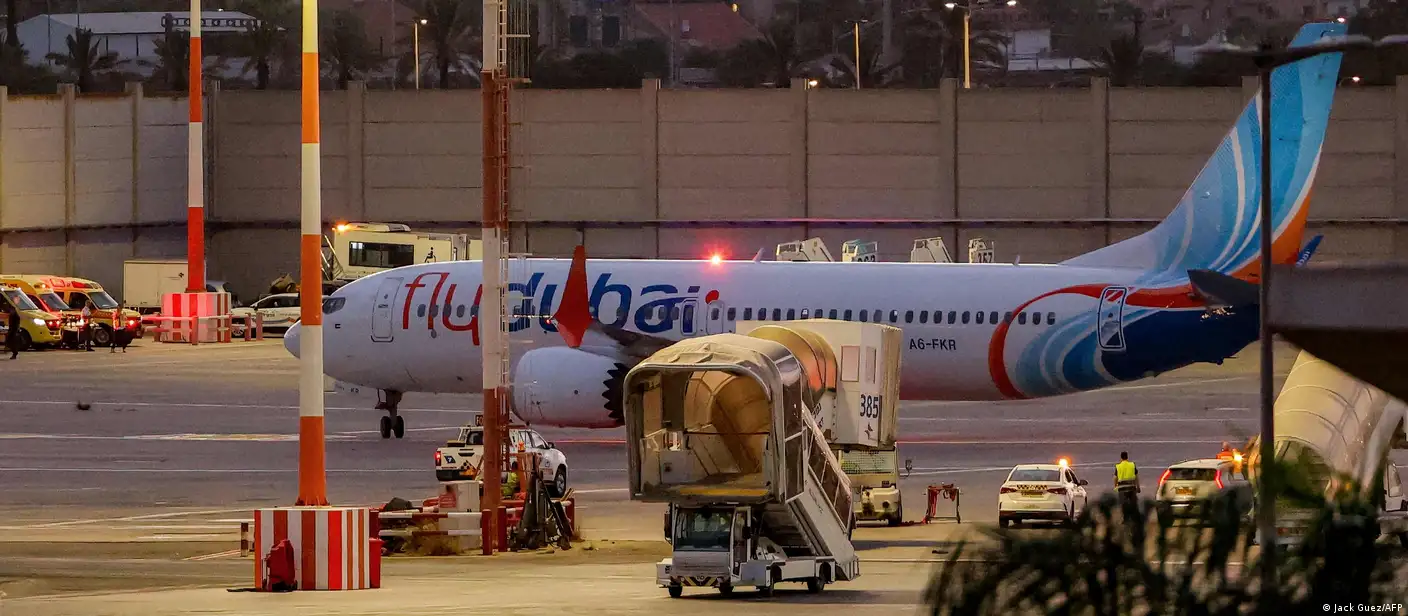
Captain Smit Machchhar, an Indian pilot from Mumbai, was seriously injured after being attacked inside the cockpit during flydubai Flight FZ1073, which was travelling from Dubai to Tel Aviv. Despite suffering multiple stab wounds and losing a substantial amount of blood, Machchhar managed to open the cockpit door, enabling passengers and other crew members to enter and intervene.
The aircraft, carrying 174 people, had plunged thousands of feet during the struggle before control was eventually regained. It was diverted to Tabuk in north-western Saudi Arabia, where it made a safe emergency landing. Machchhar was taken to hospital for treatment and was reported to be in stable condition following surgery.
The incident has since drawn international attention, with Indian Prime Minister Narendra Modi praising Machchhar’s actions and describing him as a hero. Israeli Prime Minister Benjamin Netanyahu also publicly credited the captain with helping prevent a potentially catastrophic outcome.

According to accounts from Israeli officials and passengers, the crisis began when Machchhar’s fellow pilot allegedly attacked him with a knife while the aircraft was in flight. The struggle inside the cockpit was followed by a sudden and severe descent, with the aircraft losing roughly 14,000 feet in less than half a minute, according to flight data and reports.
For passengers in the cabin, the sudden movement of the aircraft was terrifying. Some initially believed they were experiencing extreme turbulence, but it soon became clear that something much more serious was taking place at the front of the aircraft.
Machchhar’s decision to release the cockpit door became a crucial moment. Although seriously wounded, he was able to allow people outside the cockpit to gain access and help stop the attacker.
One of the passengers who entered the cockpit was Yaniv Hayoun, who was described by Netanyahu as a plumber. Hayoun later recounted how he moved toward the aircraft controls during the emergency and attempted to pull the controls upward after seeing the aircraft descending rapidly.
His intervention was followed by the actions of other people aboard the aircraft, including crew members and pilots who had aviation experience. Their combined efforts helped bring the aircraft back under control.
Dr Shota Musaev, a dentist travelling as a passenger, was also among those who responded. He said he entered the cockpit and found Machchhar badly injured while the attacker was still on top of him.
Musaev reportedly feared the captain might die from his injuries. He described Machchhar as having severe wounds to his head and hands and said the pilot had lost a significant amount of blood.
The dentist then helped restrain the attacker. According to his account, improvised restraints, including headphone cords and plastic ties, were used to prevent the attacker from continuing the assault.
The intervention of passengers and other crew members created the opportunity for the aircraft to be stabilised. Two relief pilots who were travelling aboard the flight also reportedly entered the cockpit and assisted with controlling the aircraft.
Accounts differ over the nationalities of the off-duty pilots, with some reports identifying one as British and others giving different nationalities. What is consistent across the accounts is that pilots who were not operating the flight stepped forward during the emergency and helped stabilise the aircraft.
The aircraft was eventually diverted to Tabuk, where it landed safely. All passengers survived the incident.
The scale of the emergency has attracted particular attention from aviation specialists because of the speed and severity of the aircraft’s descent. Reports indicate that the aircraft experienced powerful aerodynamic forces, with damage sustained to part of its tail assembly.
For the passengers, however, the technical details were secondary to the immediate struggle to regain control. Those inside the cabin were faced with a rapidly changing situation in which seconds mattered.
Machchhar’s ability to open the cockpit door despite his injuries proved particularly important. Had the cockpit remained inaccessible, passengers and other qualified pilots would not have been able to intervene directly.
The captain’s previous aviation experience has also emerged as part of the story. Machchhar trained in New Zealand before developing a long career in commercial aviation. He subsequently worked for SpiceJet and joined flydubai as a captain in 2022.
People familiar with his career have described him as an experienced professional who had accumulated thousands of hours of flying experience. His former training colleagues have also spoken publicly about his professionalism and approach to aviation safety.
Philip Kean, chief executive of a New Zealand aviation organisation where Machchhar trained, said the captain had demonstrated leadership under extraordinarily difficult circumstances. Aviation training prepares pilots for a wide range of emergencies, but handling a real-life crisis involving a direct physical attack inside the cockpit is an entirely different challenge.
The actions of the passengers have also become an important part of the story. While the captain’s actions allowed access to the cockpit, passengers and crew members were required to physically intervene against the attacker while simultaneously dealing with a rapidly descending aircraft.
For people such as Hayoun and Musaev, there was little opportunity to consider the consequences. Their decisions were made in a matter of seconds, driven by the immediate need to protect the injured pilot and prevent the aircraft from losing control.
The incident also demonstrated the importance of having additional trained personnel aboard a commercial aircraft. The presence of off-duty pilots who could assist once the cockpit became accessible provided an additional layer of expertise at a critical moment.
Machchhar remains under medical care in Saudi Arabia. Indian officials have said they are in contact with his family, while reports indicate that his condition is stable following surgery.

The circumstances surrounding the attack remain subject to investigation, including the precise motive behind the confrontation and the sequence of events inside the cockpit. Authorities are expected to examine the actions of the pilots, the aircraft’s emergency systems, security procedures and the decisions made during the flight.
For the 174 people aboard Flight FZ1073, however, the outcome was shaped by a series of decisions made under extreme pressure. An injured captain managed to open the cockpit, passengers moved toward the danger rather than away from it, a medical professional attempted to save a badly wounded pilot, and experienced pilots helped regain control of the aircraft.
What began as a terrifying cockpit confrontation ultimately ended with the aircraft safely on the ground in Saudi Arabia. The incident has left investigators with difficult questions about aviation security and cockpit safety, but it has also highlighted how individual actions, teamwork and rapid decision-making can become decisive when an aircraft is suddenly placed in extraordinary danger.
Related News:
 Global order shifts amid Trump-era turmoil
 Middle East Crisis Escalates as Oil Routes Shake Markets
 Tensions Emerge in Netanyahu-Trump Alliance
 Former ICC prosecutor condemns US sanctions
 Houthis Strike Saudi Arabia as Middle East Tensions Rise
 Trump Calls Strait of Hormuz ‘American Territory’
 Trump Faces Iran War Crisis Before Midterm Vote
 Former Diplomats Urge UK and France to Act on Palestine
 Nearly 50,000 Flee as Houthis Advance in Yemen
 Netanyahu faces protests and pressure at UN
 Iran Awaits Trump Response on Seven-Day Hormuz Plan
 Shock US Raid: Maduro Pleads Not Guilty in Manhattan Court
 Machado Trump medal gesture reshapes Venezuela power struggle
 Trump Receives Machado’s Nobel Medal in White House Meeting
 Iran unrest slows under brutal crackdown and global tensions
 US Considers Asylum for British Jews Amid Rising Antisemitism
 Russia Strikes Kyiv and Kharkiv as Peace Talks Enter Day Two
 Thousands Protest ICE Operations in Nationwide US Day of Action
 Epstein Files Reveal Trump Officials’ Emails with Financier
 Thousands Protest ICE in New York Against Trump Deportation Campaign
 Middle East Flights Halted After Iran Strikes
 UK Prepares Aircraft Carrier for Middle East Crisis
 Mojtaba Khamenei Chosen as Iran’s New Supreme Leader
 Tehran Oil Depot Strikes Darken City With Toxic Smoke
 Mojtaba Khamenei Supporters Rally as Iranians Fear Repression
 Iran Defiance Grows Amid US-Israel War Pressure
 Hormuz Crisis Sparks Global Oil Market Fears
 Iranian Exile Factions Seek US Backing for Iran’s Future
 Injured Mojtaba Khamenei Elevated as Iran Leader
 Yvette Cooper: UK Must Follow Principles, Not US Pressure
 Trump Iran War Stance Hardens as Conflict Widens
 Ghalibaf Iran: Survivor Emerges in Shifting Power Game
 Saudi Arabia Urging US to Keep Up Iran Attacks
 Netanyahu Vows Continued Lebanon Strikes Amid Peace Talks
 Iran Crisis Tests Trump’s Global Leadership
 US and Iran Pursue Extension of Ceasefire via Pakistan
 US Calls Australia Media Law “Foreign Extortion”
 Oil Prices Surge Above $120 Amid Iran Blockade Fears
 Trump orders US troop pullout from Germany
 Activists allege abuse after Gaza flotilla seizure
 Trump likens US Navy actions to ‘pirates’
 Australia pushes Pacific security pact amid China tension
 Indiana Republicans Defy Trump in Key Vote Test
 Putin Declares Russia Victory at Scaled Victory Day Parade
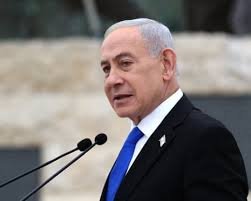 Netanyahu Calls Early Election Amid Coalition Turmoil
 Israeli Strikes in Lebanon Kill 10 Amid Ceasefire Strain
 Zelenskyy warns over Oreshnik threat as Kyiv hit
 Hunger increasingly weaponised in global conflicts
 Discontent grows around Putin amid war strain
 Trump Claims Iran Peace Deal Near Completion
 Iran To Propose New Shipping Fees In Strait Of Hormuz
 Trump’s Iran Legacy Hangs on Tehran Deal
 Grief and Devotion Amidst the Rubble of Nabatieh
 High Drama in Tehran Over Secret Nuclear Letters
 Iran Prepares for Massive Six-Day Funeral for Khamenei
 Iran Mourns: Millions at Khamenei’s Final Procession
 Taliban global ties grow as rights fears mount
 Seoul proposes historic peace talks to replace Korean War armistice
 Russian Missiles Intensify Pressure on Kyiv
 Trump announces major US oil deal with Venezuela
 Trump Hardens Canada Trade Stance as Talks Stall
 Trump Calls Iran War ‘Small Potatoes’ Despite US Deaths
 UN expert urges UK to rethink Israel policy
 Susan Sarandon Says Palestine Stand Costs Roles
 Miliband Rejects Chief Rabbi’s West Bank Warning
 Saudi Arabia Shuts Oil Pipeline After Drone Attack
 Israel Accused of Undermining Palestinian Life
 South Korea Rules Out Military Role in Iran War
 Saudi Pact Raises Risk of Pakistan Entering War
 Irish PM Backs Coach in Israel Football Dispute
 Saudi intercepts Houthi missiles as oil fears grow
 South Korea-Ukraine Row Erupts Over North Korean POWs
 Shadow Fleet at Sea: Europe’s Battle Against Illicit Oil Shipping
 UK and US Drop in Global Corruption Index Rankings
 Canberra Poster Seizure Sparks Free Speech Row
 Jacinda Ardern Move Sparks Kiwi Reflection
 New Zealand Covid Response Praised Despite Lingering Scars
 Air Canada CEO Faces Outcry Over Recent Language Misstep
 Trump Signs Landmark Iran Accord in Versailles
 Bayeux Tapestry Revives Franco-British Ties