Published: 07 October 2026. The English Chronicle Desk. The English Chronicle Online
Three years after the Hamas-led attacks of 7 October 2023, many survivors and families in southern Israel are still struggling to reconcile two competing realities: the need to rebuild their lives and communities, and the enduring need to remember those who were killed or taken hostage.
For people who lived through the attacks, the anniversary is not simply a date on the calendar. It is a period when memories that have remained buried beneath the demands of everyday life can return with renewed force. Homes have been rebuilt, temporary communities have begun to settle into permanent surroundings and children have returned to schools, but for many survivors the emotional consequences of that morning remain deeply present.
Keith Siegel, who was taken hostage with his wife, Aviva, has described living with memories of the 484 days he spent in captivity in Gaza. During his imprisonment, he deliberately memorised details of his movements, the places where he was held, the dates and the experiences he endured. He believed that remembering everything might help Israeli forces locate or rescue other hostages and would allow him to explain his ordeal to his family if he survived.

Now free, Siegel says those memories have not simply disappeared with his return home.
He describes his life as existing between two worlds, with part of him in the present and another part still connected to Gaza and the experiences of captivity. For him, the challenge is not only remembering what happened but finding words capable of conveying the psychological reality of prolonged confinement, fear and uncertainty.
The Siegels were among 251 people abducted during the attacks. Hamas fighters crossed from Gaza into southern Israel, attacking communities, military positions and a music festival. The assault resulted in the deaths of more than 1,200 people, most of them civilians, according to Israeli records, and triggered a war that has since caused enormous loss of life and destruction in Gaza.
Few places illustrate the long-term consequences more starkly than Kibbutz Nir Oz, one of the communities hit hardest on 7 October.
Its cemetery now contains rows of graves belonging to people who died on the same day. Among them are entire families whose lives were destroyed within hours. One shared burial site contains the remains of a mother, father and their three young children, while space has been left for grandparents who survived them.
For Shlomo Margalit, a founding member of Nir Oz who is approaching 89, caring for the cemetery has become part of his life’s work. He survived the attack inside a safe room with his wife, Hanna, but lost close friends and watched the community he helped establish suffer devastating destruction.
Margalit has returned to Nir Oz despite the painful memories because he believes the story of what happened must not be forgotten. He also sees rebuilding as a way of continuing the work of the community’s founders.
The attack exposed profound failures in Israel’s security system. At Nir Oz, a small volunteer defence team reportedly fought attackers for hours before being overwhelmed. Homes were burned, residents were killed and dozens were abducted. By the time Israeli forces arrived, the attackers had largely withdrawn.
Forty-seven residents of Nir Oz were killed and 76 were taken hostage, representing a devastating proportion of the small community. Among those abducted were members of the Bibas family, including young children who later died in Gaza.
Today, the physical landscape of Nir Oz reflects the unresolved nature of its trauma. New houses are being constructed, families have begun returning and the sounds of building work can be heard around the community. Yet damaged homes and memorial sites remain visible elsewhere, preserving the evidence of what happened.
That creates an extraordinarily difficult question for residents: should the destroyed homes be preserved as permanent memorials, or should the community remove those physical reminders so that children can grow up in a place that feels like a home rather than a monument to tragedy?
There is no simple answer. Some bereaved families want the remains of their homes preserved so they can return and remember relatives who were killed. Others believe that rebuilding requires creating an environment in which future generations can live without constantly confronting the physical evidence of violence.
Margalit acknowledges the contradiction. The community wants to remember, but it also wants to live.
One possible compromise is the creation of a memorial garden or dedicated remembrance area where stories of the victims can be preserved without leaving the entire community frozen in the past.
For Margalit and Hanna, returning to Nir Oz was a deliberate decision. Their new home, however, will not face Gaza, reflecting the emotional scars that remain even as reconstruction continues.
The Siegel family has made a different choice. Keith and Aviva, who were living in Kfar Aza when they were abducted, have decided not to return. Their priority is recovery, both physically and emotionally.
Aviva has spoken openly about how difficult the anniversary has become. During the previous year, she was still focused on campaigning for the release of hostages. That urgency gave her little opportunity to process her own suffering. Now, with that immediate responsibility no longer dominating her days, emotions she previously pushed aside have begun to surface.
She says the weeks surrounding the anniversary have been particularly painful, with an overwhelming desire to cry and a growing awareness of feelings that she had previously been unable to confront.
Even ordinary family moments can trigger memories. Seeing her husband overcome with emotion or hearing her grandson express fear about being kidnapped can bring the trauma back into the present.
Aviva has also written about her experiences, describing the process as both therapy and an act of celebration. Her intention is to ensure that her grandchildren understand what happened, while also giving a voice to hostages who never had the opportunity to tell their own stories.
The psychological consequences extend beyond those who were directly abducted or attacked. Families, children and entire communities continue to live with fear, grief and uncertainty.
At the same time, the anniversary has reopened a major political debate inside Israel over responsibility for the security failures of 7 October and the conduct of the war that followed.
Keith Siegel has called for an independent investigation into how the attack was able to happen. He argues that understanding the failures is essential to preventing another catastrophe. The question of accountability has become one of the most politically sensitive issues in the country.
Prime Minister Benjamin Netanyahu has resisted calls for an independent state commission of inquiry. Critics argue that such an investigation could examine decisions made by his government and expose political and security failures.
Several senior Israeli security officials who were responsible for the country’s defence on 7 October have since left their positions. Netanyahu, however, remains in office, despite the political pressure that followed the attack.
For bereaved families, the question is not necessarily about political allegiance. Many want to understand why their loved ones were left vulnerable and what could have been done differently.
Yaakov Godo, whose son was killed on 7 October, publicly confronted Netanyahu during an official commemoration, accusing the government of failing to protect Israeli civilians.
The political argument is taking place alongside an even larger humanitarian catastrophe. Israel’s military campaign in Gaza, launched after the Hamas attacks, has resulted in the deaths of tens of thousands of Palestinians, including large numbers of children, according to Palestinian authorities and international assessments. The conflict has also displaced millions, destroyed homes and infrastructure and deepened an already profound regional crisis.
For Israelis such as Margalit, the lessons of 7 October therefore extend beyond security and military strength. He believes Israel must find a way to live securely while recognising that Palestinians also remain part of the region’s future.
His position reflects a painful conclusion reached by some survivors: security cannot be understood solely through military power, and rebuilding Israeli communities cannot be separated from the broader conflict surrounding them.
Three years after the attacks, the people of Nir Oz and other affected communities are therefore rebuilding more than houses. They are attempting to reconstruct a sense of safety, identity and belonging after an event that permanently altered their lives.

Some are choosing to return. Others are choosing to begin again somewhere else. Some want memorials preserved exactly where tragedy occurred, while others need distance from the ruins.
For survivors such as Keith and Aviva Siegel, healing remains unfinished. For Margalit, rebuilding is itself a form of remembrance. And for families who lost loved ones, the anniversary remains a moment of grief that cannot be measured simply by the passage of time.
The physical scars of 7 October may gradually disappear as new houses rise and communities are rebuilt. The emotional scars, however, are likely to remain for many years.
For those who survived, remembering is painful. Forgetting is impossible. And between those two realities, they are trying to find a way to live again.
Related News:
 UK Prepares Aircraft Carrier for Middle East Crisis
 Middle East Crisis Escalates as Oil Routes Shake Markets
 Houthis Strike Saudi Arabia as Middle East Tensions Rise
 Trump Calls Strait of Hormuz ‘American Territory’
 Trump Faces Iran War Crisis Before Midterm Vote
 Saudi Pact Raises Risk of Pakistan Entering War
 Netanyahu faces protests and pressure at UN
 Iran Awaits Trump Response on Seven-Day Hormuz Plan
 New Maps Reveal Gaza’s Vast Destruction
 Israeli Settlers Assault Palestinian Photographer
 Middle East Flights Halted After Iran Strikes
 Thousands Protest Iran Strikes Outside US Embassy London
 US Bombers Arrive at RAF Base Amid Rising Iran Tensions
 Mojtaba Khamenei Chosen as Iran’s New Supreme Leader
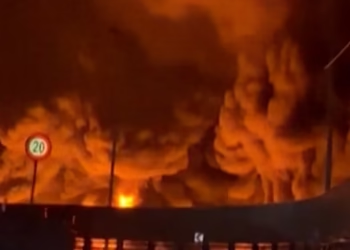 Tehran Oil Depot Strikes Darken City With Toxic Smoke
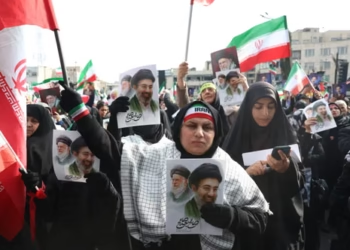 Mojtaba Khamenei Supporters Rally as Iranians Fear Repression
 Iran Defiance Grows Amid US-Israel War Pressure
 Hormuz Crisis Sparks Global Oil Market Fears
 Iranian Exile Factions Seek US Backing for Iran’s Future
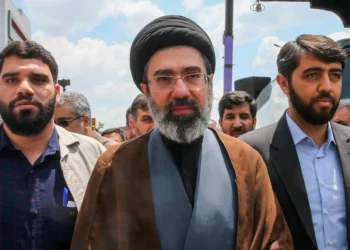 Injured Mojtaba Khamenei Elevated as Iran Leader
 Trump Iran War Stance Hardens as Conflict Widens
 Ghalibaf Iran: Survivor Emerges in Shifting Power Game
 Death, displacement and military duties: children plunged into crisis
 Iran Crisis Tests Trump’s Global Leadership
 Aid Crisis Grows as Hormuz War Disrupts Supply
 Activists allege abuse after Gaza flotilla seizure
 Trump likens US Navy actions to ‘pirates’
 Global order shifts amid Trump-era turmoil
 Ceasefire Standoff Deepens in Ukraine War
 Trump Announces 3-Day Russia–Ukraine Ceasefire Deal
 Tensions Emerge in Netanyahu-Trump Alliance
 Putin Declares Russia Victory at Scaled Victory Day Parade
 Hunger increasingly weaponised in global conflicts
 Former ICC prosecutor condemns US sanctions
 Trump Claims Iran Peace Deal Near Completion
 Millions Gather for Khamenei’s Six-Day State Funeral
 Taliban global ties grow as rights fears mount
 Israeli Strike in Southern Lebanon Kills Seven
 Trump dismisses concerns over 250-day carrier deployment
 Russian Missiles Intensify Pressure on Kyiv
 Former Diplomats Urge UK and France to Act on Palestine
 Trump Calls Iran War ‘Small Potatoes’ Despite US Deaths
 UN expert urges UK to rethink Israel policy
 Susan Sarandon Says Palestine Stand Costs Roles
 Miliband Rejects Chief Rabbi’s West Bank Warning
 North Korea Expands Uranium Facility at Yongbyon
 Saudi Arabia Shuts Oil Pipeline After Drone Attack
 Nearly 50,000 Flee as Houthis Advance in Yemen
 Israel Accused of Undermining Palestinian Life
 South Korea Rules Out Military Role in Iran War
 Irish PM Backs Coach in Israel Football Dispute
 Saudi intercepts Houthi missiles as oil fears grow
 Russia Targets Ukraine’s Digital Economy With Strikes
 Trump Asked Xi About Buying US Weapons
 South Korea-Ukraine Row Erupts Over North Korean POWs
 Pilot and Passengers Help Save Flydubai Flight
 Ukraine’s New FP-7 Missile Makes Combat Debut
 US Sends Third Carrier to Middle East
 Yemen government launches offensive against Houthis
 Germany Pledges €1bn Military Aid to Ukraine
 Ukraine claims strikes have crippled Russia’s oil refining
 Iran Nobel Laureate Reveals Prison Torture and Fears
 Trump Comments on Iran Strike Draw US Backlash
 Canadian Veterans Condemn Trump Allies’ Military Remarks
 Tanker Ablaze After Drone Strike Near Sochi
 BBC to Apologise Over Edited Trump Speech Amid Backlash
 Greene Pushes Epstein Files Amid Trump Fallout
 December Run-Off in Chile as Election Produces No Winner
 Shadow Fleet at Sea: Europe’s Battle Against Illicit Oil Shipping
 Georgians Defy Government Crackdown After Year of Protests
 UK and US Drop in Global Corruption Index Rankings
 Canberra Poster Seizure Sparks Free Speech Row
 Jacinda Ardern Move Sparks Kiwi Reflection
 Air Canada CEO Faces Outcry Over Recent Language Misstep
 Relationship with Trump may be beyond repair, Starmer warned
 Trump’s Six-Week Iranian War: The High Cost of Ignorance
 Trump Rejects Tehran Peace Plan as Regional Truce Crumbles
 Grief and Devotion Amidst the Rubble of Nabatieh
 Bayeux Tapestry Revives Franco-British Ties
 France Schools Protests Draw 250,000 as Police Clash