Published: 15 August 2026.The English Chronicle Desk. The English Chronicle Online.
An Israeli airstrike in southern Lebanon killed seven people and wounded three others early on Saturday, according to Lebanese state media, in the deadliest reported incident in the area since agreements reached in June brought a significant reduction in fighting between Israel and Hezbollah.
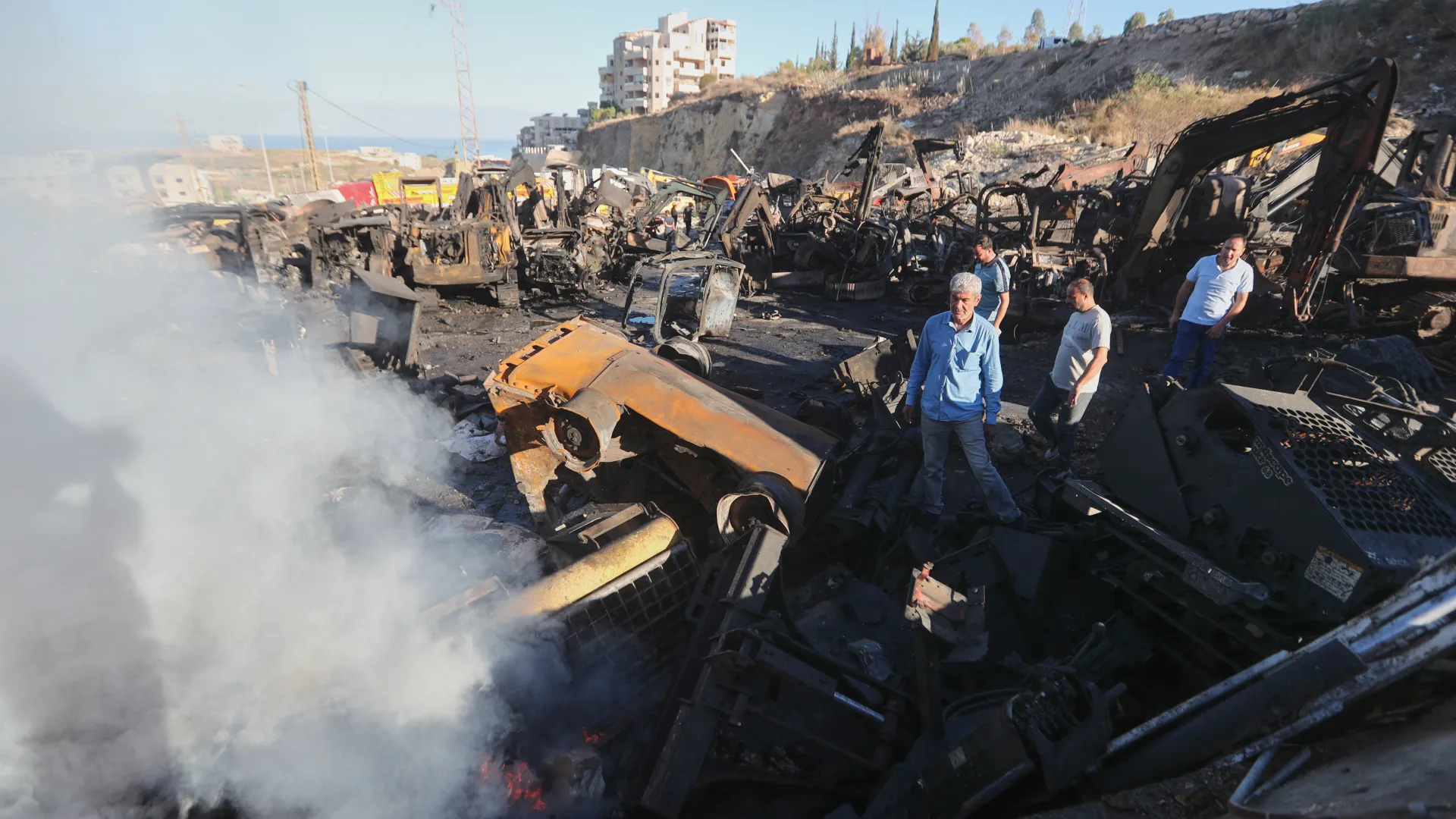
Lebanon’s National News Agency reported that Israeli warplanes struck a house on the outskirts of the village of Ansar, killing seven people and injuring three others. The strike reportedly destroyed the building, while emergency responders searched through the rubble for survivors and transported the wounded to hospital.
The reported casualties mark a sharp escalation in an area that had experienced a relative lull following agreements reached earlier in the summer. Although the ceasefire arrangements have reduced the intensity of hostilities, Lebanese authorities have continued to report occasional Israeli strikes, military activity and demolitions in southern communities.
The latest incident has heightened concerns that the fragile reduction in violence could be at risk. The southern Lebanon border region has remained tense since the wider Middle East conflict intensified, with communities continuing to face the consequences of earlier fighting and the possibility of renewed attacks.
According to Lebanese state media, the strike on the outskirts of Ansar was part of a broader series of Israeli military operations in southern Lebanon. The agency said the valley between Ansar and Zarariyeh was also struck, describing the attack as the first at such a distance from the border since the ceasefire was reached about two months earlier.

Israeli warplanes also reportedly carried out several airstrikes against the Ali al-Taher ridge, a strategically important elevated area overlooking the Nabatieh region. Shelling was also reported in the same area.
The Lebanese news agency further reported that Israeli forces detonated homes in the town of Bint Jbeil, close to the border. Such destruction has remained a major concern for residents and humanitarian organisations monitoring the situation in southern Lebanon.
The latest violence comes after months of intense conflict involving Israel and Hezbollah. Hezbollah entered the broader Middle East war in March by launching rockets towards Israel in support of Iran, according to the account provided by Lebanese and regional authorities. Israel responded with extensive airstrikes and a ground operation in Lebanon.
Lebanese authorities have said that more than 4,300 people were killed during the conflict. Large numbers of civilians were displaced, while homes, businesses and infrastructure across southern communities suffered extensive damage.
The intensity of the fighting subsequently declined following diplomatic efforts in June. A US-Iran memorandum of understanding addressing the broader regional conflict was followed later that month by a US-backed framework agreement between Lebanon and Israel.
The framework was intended to establish conditions for reducing military confrontation and stabilising southern Lebanon. It includes provisions concerning the disarmament of Hezbollah, the gradual withdrawal of Israeli forces from southern Lebanon and the deployment of the Lebanese army in the region.
Under the arrangement, Lebanese forces are expected to expand their presence through designated pilot zones as part of a broader effort to restore state authority along the border.
Despite the diplomatic framework, tensions have remained high. Lebanon has continued to report Israeli military strikes, while Israeli authorities have maintained concerns about Hezbollah’s military capabilities and activities near the border.
The latest attack has therefore raised questions about the durability of the arrangements agreed in June. The reported death toll also makes the incident particularly significant because it represents the highest number of people reportedly killed in a single Israeli strike in southern Lebanon since the reduction in hostilities.
Hezbollah leader Naim Qassem criticised the Lebanese authorities on Friday over their implementation of the framework agreement. He accused the government of placing excessive pressure on the Lebanese armed forces and questioned why Lebanese soldiers were being exposed to Israeli attacks and pressure.
Qassem’s comments came amid a broader debate inside Lebanon over how the country should implement the agreement while protecting its sovereignty and preventing renewed conflict. The question of Hezbollah’s weapons remains particularly sensitive because the framework calls for the group to be disarmed.
The Lebanese government faces the difficult task of strengthening the authority of state institutions while navigating the influence of Hezbollah and the continuing presence of Israeli forces in parts of southern Lebanon.
The latest strike has also drawn attention to the security situation facing civilians living near the border. Many residents have already endured repeated displacement and extensive damage to homes and community infrastructure. Even after the reduction in fighting, uncertainty has remained a central feature of daily life.
The reports from Ansar also underline the risks associated with unexploded ordnance, damaged buildings and ongoing military activity. Emergency responders working in areas affected by airstrikes face additional dangers as they search collapsed structures and attempt to recover victims.
International organisations have continued to call for stronger protections for civilians and greater international monitoring of the ceasefire arrangements. Human Rights Watch this week urged the United Nations to maintain an international peacekeeping presence in Lebanon after the mandate of the existing force expires later this year.
The organisation described international peacekeepers as an important deterrent against attacks on civilians and human rights abuses. Its call reflects concerns that the withdrawal or reduction of international monitoring could create additional risks in a region where trust between the parties remains extremely limited.
The United Nations peacekeeping mission in Lebanon has played a significant role in monitoring developments along the border and supporting efforts to maintain stability. Any decision over its future is likely to become an important part of discussions about the implementation of the Lebanon-Israel framework.
For residents of southern Lebanon, however, diplomatic negotiations remain distant from the immediate consequences of renewed violence. The reported deaths in Ansar demonstrate that even during periods of reduced fighting, civilians remain vulnerable to sudden attacks.
The destruction of the house and reports of casualties have also revived fears among communities that had begun returning to areas damaged during the earlier conflict. Families attempting to rebuild their lives face uncertainty over whether their homes and villages can remain safe.

The latest incident is also likely to intensify political pressure on Lebanon’s government as it attempts to balance the requirements of the framework agreement with domestic concerns over sovereignty and national security.
Meanwhile, the broader regional conflict continues to shape developments along the Lebanon-Israel border. The relationship between Israel, Hezbollah and Iran remains central to the security situation, while international diplomatic efforts continue to focus on preventing a return to full-scale hostilities.
Whether the latest violence represents an isolated escalation or the beginning of a wider deterioration remains uncertain. The reported strike in Ansar, however, demonstrates how fragile the current calm remains.
With seven people reported killed and several others injured, southern Lebanon has once again been confronted with the human cost of the conflict. The challenge for regional governments and international mediators will be to prevent further escalation and ensure that the agreements reached in June translate into a sustained reduction in violence rather than another temporary pause.
For the people living in Lebanon’s south, the priority remains clear: safety, stability and the ability to return to normal life without the constant threat of renewed military action.
Related News:
 Taliban global ties grow as rights fears mount
 Five Years of Taliban Rule Leave Afghanistan in Crisis
 Anti-Regime Iranians Turn Anger Toward Trump
 Cartel crackdown raises fears of fresh violence
 Activists allege abuse after Gaza flotilla seizure
 US ‘Narco Boat’ Strikes Draw Global Outcry
 Trump Announces 3-Day Russia–Ukraine Ceasefire Deal
 China mine blast death toll rises to 90
 Millions Gather for Khamenei’s Six-Day State Funeral
 New Footage Revives Peter Falconio Mystery
 Ukraine Creates Long-Range Strike Command
 Dreyfus Statue Finally Gets Permanent Paris Home
 Houthis Strike Saudi Arabia as Middle East Tensions Rise
 UK University Faces Counter-Terror Probe Over China Pressure
 Second world war veterans honoured as King leads Remembrance Sunday
 Ukraine-Russia war latest: Putin’s troops exploit bad weather to force Kyiv withdrawal from multiple towns
 New Epstein Files Spark Political Clash in Washington
 Ukraine Energy Corruption Scandal Hits Zelensky’s Inner Circle
 Greene Pushes Epstein Files Amid Trump Fallout
 UN Security Council Approves Trump’s Gaza Peace Plan
 WhatsApp Messages Expose Nathan Gill’s Bribery
 Venezuela Threatens Nobel Winner Machado with Fugitive Status
 Trump Envoy to Discuss Ukraine Peace at Kremlin
 Video shows Israeli troops kill Palestinians after surrender
 Guinea-Bissau President Flees After Military Coup
 Iran Leader Blames Protesters, Says They Serve Trump
 Files Link Andrew to Epstein Dinner After Prison Release
 Emails Show Epstein Funded Mandelson’s Husband After Jail
 Thousands Protest ICE in New York Against Trump Deportation Campaign
 Saif al-Islam Gaddafi Reportedly Killed in Libya Shooting
 Nine Killed in Karachi Consulate Protest
 UK Prepares Aircraft Carrier for Middle East Crisis
 Belgium Narco-State Warning Raises Alarm Over Crime Surge
 Death, displacement and military duties: children plunged into crisis
 Iran Crisis Tests Trump’s Global Leadership
 Ben Roberts-Smith Denies War Crime Allegations in First Statement
 Southeast Asia Turns to Russia Amid Energy Crisis
 Aid Crisis Grows as Hormuz War Disrupts Supply
 Police Suspect Help in Missing Alice Springs Girl Case
 US states redraw maps after voting rights ruling
 Judge halts deportation of Yemeni refugees in US
 China Fireworks Factory Blast Kills 21 in Hunan
 Australia pushes Pacific security pact amid China tension
 BJP Sweeps West Bengal in Historic Breakthrough
 Ceasefire Standoff Deepens in Ukraine War
 Afghan Families Left in Limbo Face Risk of Deportation
 Middle East Crisis Escalates as Oil Routes Shake Markets
 Search Intensifies for Missing Hiker on WA Bibbulmun Track
 US Awaits Iran Reply on New Ceasefire Proposal
 Immigration Judges Fear Pressure in Trump Era
 One Nation Stuns Australia With Historic Farrer Win
 Putin Declares Russia Victory at Scaled Victory Day Parade
 US judge dismisses Kilmar Abrego Garcia indictment
 Hormuz Talks Near Critical Stage
 Ebola outbreak in DRC overwhelms health system as cases surge
 Maldives Cave Diving Tragedy Raises Safety Alarm
 Discontent grows around Putin amid war strain
 Former ICC prosecutor condemns US sanctions
 Gunman Killed After White House Security Shootout
 Irish Gangland Figure Fails in Dublin Election Bid
 Murder Probe Continues After Arrest Release
 Venezuela Quake Death Toll Surpasses 4,000
 Pradhan Resigns Amid Protests
 Seoul proposes historic peace talks to replace Korean War armistice
 Is America Ready for an AOC Presidential Run?
 Trump dismisses concerns over 250-day carrier deployment
 BBC to Apologise Over Edited Trump Speech Amid Backlash
 December Run-Off in Chile as Election Produces No Winner
 Shadow Fleet at Sea: Europe’s Battle Against Illicit Oil Shipping
 Georgians Defy Government Crackdown After Year of Protests
 Pentagon Signals Reduced Role in Deterring North Korea
 UK and US Drop in Global Corruption Index Rankings
 SA Police Intensify Search in Gus Lamont Case
 Canberra Poster Seizure Sparks Free Speech Row
 Jacinda Ardern Move Sparks Kiwi Reflection
 Kelly Wilkinson Inquest Reveals Bail Failure
 Injured Mojtaba Khamenei Elevated as Iran Leader
 Air Canada CEO Faces Outcry Over Recent Language Misstep
 Relationship with Trump may be beyond repair, Starmer warned
 Powerful 7.7-Magnitude Earthquake Hits Eastern Indonesia