Published: 21 September 2026. The English Chronicle Desk. The English Chronicle Online.
Countries that have traditionally relied on the United States for security, trade and diplomatic support are increasingly examining alternative partnerships as uncertainty surrounding Washington’s foreign policy reshapes international relations. With world leaders preparing to gather for the annual United Nations General Assembly, a more fragmented global system is becoming increasingly visible, with middle powers seeking ways to reduce their dependence on any single major power.
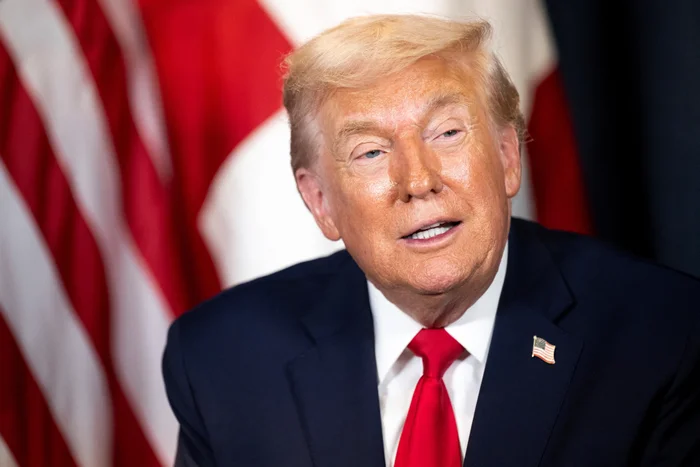
The debate has intensified during Donald Trump’s second presidency, as allies and partners have faced questions over the durability of long-standing American commitments. Analysts and diplomats cited in recent discussions argue that the uncertainty is encouraging governments to develop overlapping economic, military and diplomatic relationships that can provide greater room for manoeuvre.
The possible consequences are particularly significant because the traditional postwar international system was built around extensive American involvement in alliances and institutions. Countries in Europe and Asia, as well as Canada and several Middle Eastern states, have historically regarded the United States as an important security guarantor. The changing political environment in Washington has encouraged some of them to reconsider how much they should depend on that relationship.
One possible scenario under discussion is that a difficult outcome for Republicans in the November US midterm elections could restrict Trump’s ability to pursue parts of his domestic agenda if Democrats gain greater influence in Congress. However, foreign policy would remain an area where the president could retain substantial room for action. Some former officials and observers have therefore suggested that political constraints at home could potentially encourage greater emphasis on international initiatives.

The uncertainty has coincided with the strengthening of organisations and partnerships in which the United States does not play a central role. The BRICS grouping and the Shanghai Cooperation Organisation are among the structures attracting greater attention as countries seek additional channels for economic cooperation, trade and security dialogue.
At a recent BRICS summit in Delhi, participating countries focused extensively on protecting their economies, supply chains and financial systems from external pressure. Discussions surrounding alternative payment mechanisms have also reflected a wider interest among some members in reducing their exposure to Western-dominated financial infrastructure.
The objective, however, is not necessarily to immediately replace the dollar or establish a formal anti-American bloc. Instead, the emerging approach involves creating additional channels through which countries can conduct trade and protect strategic supply chains while maintaining relationships with Western economies.
China has also used multilateral organisations to promote a vision of international cooperation in which countries have greater autonomy in determining their economic and diplomatic relationships. At a Shanghai Cooperation Organisation meeting in Bishkek, Chinese President Xi Jinping stressed the importance of international cooperation and argued that most countries do not want confrontation or isolation.
The SCO, which originally developed partly around managing border disputes involving China and former Soviet states, has expanded over time into economic cooperation, connectivity, investment and broader regional diplomacy. Its growing role illustrates how institutions outside the traditional Western alliance system are becoming more important in international affairs.
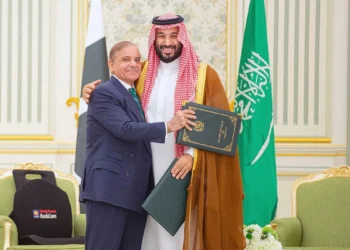
The Middle East provides another example of this changing environment. Turkey, Pakistan and Saudi Arabia recently signed the Mecca pact, a defensive military arrangement that has generated discussion about the future structure of regional security. The agreement has been interpreted in different ways, with some observers viewing it as an attempt to reduce dependence on American security guarantees and others focusing on the changing balance of power involving Iran and other regional actors.
The security concerns of Gulf states have become particularly prominent following recent military confrontations in the region. Governments that have long relied heavily on American military facilities and security partnerships have increasingly questioned whether those arrangements provide sufficient protection against rapidly changing regional threats.
Qatar’s foreign ministry spokesperson Majed al-Ansari has argued that Gulf countries cannot rely exclusively on the United States or other international alliances for their security and that greater self-sufficiency is necessary. Such arguments reflect a wider reassessment among regional governments of the risks associated with relying on one external power.
At the same time, the future of the new Middle Eastern arrangements remains uncertain. The partnerships could develop into a more structured regional security system, or they could remain flexible arrangements involving different countries and different interests. The extent to which they will contribute to cooperation or create new rivalries is also an open question.
Economic considerations are an important part of the calculation. Saudi Arabia’s Vision 2030 programme depends heavily on investment, tourism, economic diversification and secure energy routes. Continued instability across the region can complicate those ambitions, increasing the importance of diplomatic and security arrangements that Riyadh considers compatible with its economic objectives.
The changing environment also has implications for India. The country remains heavily dependent on Middle Eastern energy supplies, making regional stability an important economic and strategic concern. New security partnerships could therefore become increasingly relevant to Indian policymakers as New Delhi attempts to protect its energy and trade interests while maintaining relationships with both Western and non-Western powers.
Europe faces a different but related challenge. Questions about the future of European defence have intensified as governments consider how much responsibility they may need to assume for their own security. Countries on NATO’s eastern and northern flanks have significantly increased defence spending since Russia’s invasion of Ukraine, reflecting concerns about the long-term security environment.
Poland, the Baltic states and Scandinavian countries have all expanded their defence efforts in recent years. The discussion has also encouraged stronger calls for European procurement and greater coordination among major European military powers.
One proposal involves deeper cooperation among countries such as Germany, France, Italy, Poland and the United Kingdom. Such an arrangement could provide another layer of European defence cooperation while operating alongside existing NATO structures. The debate reflects concerns about maintaining transatlantic security while also preparing for a situation in which American military involvement could become less predictable.
Canada is experiencing a similar strategic reassessment. Its geographic proximity and economic relationship with the United States make complete separation unrealistic, yet disagreements over trade and broader foreign policy have encouraged Ottawa to seek stronger relationships elsewhere.
Canadian Prime Minister Mark Carney has advocated closer cooperation with other middle powers and has highlighted the importance of maintaining international rules and institutions. His outreach to Europe has included discussion of deeper economic and political ties with the European Union.
The possibility of closer Canadian-European relations reflects a broader question facing middle powers: whether new partnerships should primarily serve practical economic purposes or whether they should also form a network of countries with shared political and institutional values.
South Korea is facing comparable uncertainty in East Asia. The traditional American security partnership remains central to the country’s defence planning, particularly because of the continuing threat from North Korea. However, changes to the scale of joint military exercises between Washington and Seoul have prompted debate in South Korea about the reliability of American commitments.
The annual Ulchi Freedom Shield exercise was reportedly reduced in duration by Washington before it began in August. The decision was linked to considerations including costs, efforts to improve relations with North Korean leader Kim Jong-un and differences between Washington and Seoul over regional military policy.
The developments have contributed to discussions in South Korea and Japan about whether greater independent defence capabilities may be necessary. Among the more consequential questions is whether the countries should reconsider long-standing positions on nuclear weapons, particularly in light of North Korea’s existing nuclear programme.
For China, these uncertainties provide an opportunity to strengthen its diplomatic influence in Asia. Beijing can present itself as an alternative partner at a time when some American allies are questioning how durable Washington’s commitments will remain.
Not everyone believes the existing international system is being permanently transformed. Former US diplomat Kurt Campbell has argued that American alliances can recover from periods of uncertainty and that countries will continue to recognise the value of cooperation with Washington. From this perspective, concerns about American policy could eventually give way to renewed transatlantic and trans-Pacific cooperation.
Other analysts believe the changes are more fundamental. They argue that once governments have experienced uncertainty about a major security relationship, they are likely to maintain alternative partnerships even if relations with Washington improve.

The result may therefore be neither a complete collapse of the existing international order nor the emergence of a single replacement system. Instead, countries could increasingly operate through overlapping networks involving different partners for defence, trade, technology, energy and finance.
As the United Nations General Assembly brings leaders together, these changes are likely to remain a central feature of diplomatic discussions. The emerging international landscape is increasingly characterised by governments attempting to preserve flexibility while reducing their exposure to geopolitical shocks.
For middle powers, the challenge is to balance relationships with the United States, China, Europe, Russia and regional partners without becoming excessively dependent on any one of them. For the major powers, meanwhile, the growing autonomy of middle states could make traditional alliance management more complicated.
Whether these new arrangements eventually strengthen international cooperation or contribute to greater fragmentation remains uncertain. What is becoming increasingly clear, however, is that many governments are preparing for a world in which strategic partnerships may need to be more diverse, flexible and independent than they were in the past.
Related News:
 UK Prepares Aircraft Carrier for Middle East Crisis
 Charles Faces Trump Test in High-Stakes US Visit
 UK Stands Firm on Falklands Amid US Rift
 US Awaits Iran Reply on New Ceasefire Proposal
 Hormuz Talks Near Critical Stage
 Houthis Strike Saudi Arabia as Middle East Tensions Rise
 British Woman in Iran ‘Losing Hope’ Amid Ongoing Detention
 BBC Journalist Held and Interrogated in Vietnam
 BBC director-general and news chief resign amid bias row
 Rama Rebukes Mahmood for Targeting Albanian Families
 Russian Vessel Used Lasers on RAF Pilots, UK Claims
 Trump to Recheck Green Cards from 19 Nations After DC Attack
 Trump Escalates Minnesota Immigration Surge Amid Rising Tensions
 Greenland Faces Pivotal Summit Over Arctic Power Struggle
 Trump Pulls Canada from His Controversial ‘Board of Peace’ Plan
 EU Says US Ties Have Suffered ‘Big Blow’ After Greenland Crisis
 UK and EU Signal Fresh Push for Defence Cooperation Talks
 Thousands Protest ICE Operations in Nationwide US Day of Action
 Epstein Files Reveal Trump Officials’ Emails with Financier
 Thousands Protest ICE in New York Against Trump Deportation Campaign
 Starmer Condemns ‘Depraved’ Russian Strikes on Ukraine
 Trump and Chagos Deal Rift Over Iran Strikes
 Andrew Mountbatten-Windsor Arrest After FBI Radar
 Farage Chagos Islands Row Sparks Fury
 California Democrats Vow Trump Reckoning
 Trump Tariffs Threat Spark UK and EU Alarm
 Clinton Testimony Erupts in Fiery Exchange
 Thousands Protest Iran Strikes Outside US Embassy London
 US Bombers Arrive at RAF Base Amid Rising Iran Tensions
 Pete Hegseth Iran War Remarks Spark Alarm
 Gordon Brown urges court for crimes against children
 Yvette Cooper: UK Must Follow Principles, Not US Pressure
 UK Minister Denies Iran Missile Threat to Britain
 Army Probes Apache Flyover at Kid Rock’s Nashville Estate
 Relationship with Trump may be beyond repair, Starmer warned
 Can King Charles Calm Trump on Key US Visit?
 Trump Faces Crisis as Iran Reopens Hormuz Tensions
 Southeast Asia Turns to Russia Amid Energy Crisis
 US Court Ruling Reshapes Voting Rights Landscape
 US states redraw maps after voting rights ruling
 Trump orders US troop pullout from Germany
 Judge halts deportation of Yemeni refugees in US
 Trump approval plunges amid Iran war fears
 Ohio’s Battle for Trust: Democrats Vying to Flip the Buckeye State
 Trump Threatens UN Budget Cuts as US Pushes ‘Trade Over Aid’ Agenda
 Trump warns Iran as Middle East tensions surge again
 Australia pushes Pacific security pact amid China tension
 US ‘Narco Boat’ Strikes Draw Global Outcry
 Ohio Primaries Set Stage for Crucial Midterms
 Afghan Families Left in Limbo Face Risk of Deportation
 Tensions Emerge in Netanyahu-Trump Alliance
 Fear and Betrayal: The Chilling Case of Kouri Richins
 UK Pushes for New EU Goods Trade Deal
 Discontent grows around Putin amid war strain
 Former ICC prosecutor condemns US sanctions
 Gunman Killed After White House Security Shootout
 Farage and Reform UK Reshape British Politics
 Starmer Leadership Under Pressure After Setbacks
 Deadly Russian Air Raids Strike Across Ukraine
 House Curbs Trump’s War Powers in Rare Rebellion
 New South Wales Premier Chris Minns Signals Tough Road Ahead for Labor
 Millions Gather for Khamenei’s Six-Day State Funeral
 Labour MPs Urge Burnham to Revive UK Aid Target
 Venezuela Quake Death Toll Surpasses 4,000
 Israeli Strike in Southern Lebanon Kills Seven
 Is America Ready for an AOC Presidential Run?
 Trump Calls Strait of Hormuz ‘American Territory’
 Former Diplomats Urge UK and France to Act on Palestine
 Trump Hardens Canada Trade Stance as Talks Stall
 Green Leader Targets Starmer’s Former Seat
 Bayeux Tapestry Revives Franco-British Ties
 Trump Calls Iran War ‘Small Potatoes’ Despite US Deaths
 Masked Protesters Bring Dover Port Traffic to Standstill
 UN expert urges UK to rethink Israel policy
 UK plans tougher Israel stance with settlement trade ban
 Europe’s democracies face a growing far-right threat
 Saudi Arabia Shuts Oil Pipeline After Drone Attack
 Nearly 50,000 Flee as Houthis Advance in Yemen
 Saudi Pact Raises Risk of Pakistan Entering War
 Lib Dems Prepare for Election Amid Reform Challenge