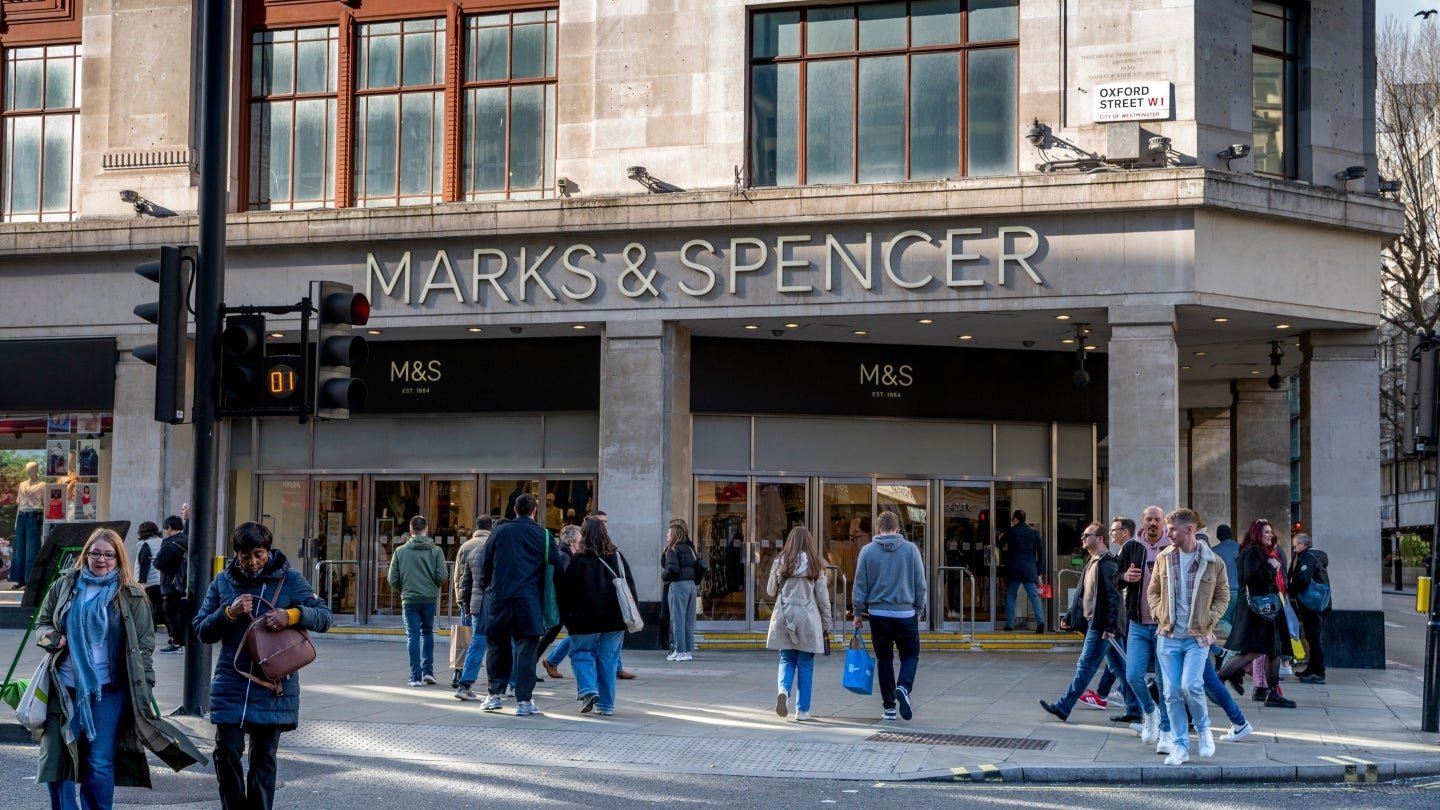
British retail giant Marks & Spencer (M&S) has reported a significant recovery in profits, recording £355 million in the first half of its financial year after suffering a devastating cyber-attack that disrupted its operations and damaged sales for more than a year. Although the retailer has made considerable progress in restoring its business, the impact of the incident continues to affect its clothing and homeware operations, highlighting the long-term financial and operational consequences of major cyber security failures.
The company reported profits of £355 million for the six months ending 26 September 2026, compared with just £3.4 million during the corresponding period a year earlier. The recovery was stronger than financial analysts had anticipated and reflected improvements across several parts of the business, particularly its food division. However, M&S acknowledged that its overall performance had not yet reached its full potential, with some areas continuing to recover from the disruption caused by the cyber-attack.
Total group sales increased by 16.2 per cent to £9.2 billion during the six-month period, demonstrating a substantial improvement in trading conditions compared with the previous year. Nevertheless, the company warned that the recovery had been uneven, particularly in clothing and homeware, where sales and profitability remained below levels recorded two years earlier.

The cyber-attack began around Easter in 2025 and became one of the most disruptive incidents in the retailer’s recent history. The attack forced M&S to suspend important digital services and temporarily shut down its online clothing and homeware sales operations for more than six weeks. The disruption affected customer services, ordering systems, stock management and the company’s ability to coordinate its supply chain.
Although the website eventually returned to normal operations, the consequences extended well beyond the initial shutdown. The incident disrupted internal technology systems that employees relied upon to monitor demand, manage inventory and place orders with suppliers. As a result, M&S had to depend on manual processes to maintain its operations while its usual digital infrastructure was unavailable.
The retailer’s buying teams faced particular difficulties because they could no longer rely on their normal technology and detailed sales information to determine how much stock was required. Employees had to estimate customer demand and calculate orders manually, creating additional pressure on the business and increasing the possibility of mistakes in stock planning.
These difficulties continued to affect clothing availability during the summer of 2026, more than a year after the original cyber incident. Some everyday products were not available in sufficient quantities, while the company struggled to maintain the right balance between essential items and seasonal collections.
Stuart Machin, chief executive of Marks & Spencer, acknowledged that the consequences of the attack had lasted longer than management initially expected. He said the company was broadening its customer appeal and that its brand remained in good health, but admitted that the latest results had fallen short of their potential. He emphasised that there was still considerable work to do before the business could achieve its desired performance.
Machin explained that the manual ordering arrangements had created stock shortages in certain clothing categories during the warmer months. The retailer also experienced an increase in online shopping during the long, hot summer, which affected profitability because digital orders generally involve higher fulfilment and delivery costs than purchases made in physical stores.
The company said the increased proportion of online sales had placed additional pressure on margins. Although online shopping remains an important part of its retail strategy, processing, packaging and delivering individual orders can be more expensive than serving customers through traditional shops. This became particularly significant while M&S was still dealing with the operational consequences of the cyber-attack.
Despite these difficulties, the retailer said it had managed to increase its share of a declining clothing market. It also reported that the stock availability problems had now been resolved, allowing the business to establish a better balance between everyday products and seasonal merchandise.
Sales across clothing, beauty and homeware increased by 17.5 per cent to almost £2 billion during the six months compared with the same period in the previous financial year. However, the comparison was influenced by the severe disruption experienced during the previous year, when the cyber-attack affected the company’s ability to sell products through its online platform.
M&S expects performance in these categories to improve during the second half of the financial year. The company believes that restored stock availability and more effective ordering processes will help it respond more accurately to customer demand and strengthen its trading position.
While its clothing and homeware operations continue to recover, the food division has emerged as a major source of strength for the group. Food sales increased by almost 14 per cent to £5.2 billion during the first half, supported by new store openings, investment in existing outlets and improvements in product quality.
The company opened seven new food stores during the period and continued expanding or refurbishing other locations. These investments form part of its broader strategy to strengthen its position in the competitive British grocery market, where retailers face continued pressure to offer attractive prices while maintaining quality.
M&S said it had gained market share in frequently purchased food categories, including meat, dairy products and fresh produce. The company attributed part of this progress to a £50 million investment aimed at keeping prices competitive and improving the quality of its products.
The food division’s performance demonstrates the importance of maintaining customer confidence through consistent product quality, competitive pricing and convenient shopping experiences. As household budgets remain under pressure, British consumers are increasingly attentive to grocery prices, creating opportunities for retailers that can offer reliable products at reasonable prices.
Another positive development came from the group’s joint venture with online grocery retailer Ocado. The business recorded a half-year profit of £25.6 million, reversing a loss of £3.1 million during the corresponding period a year earlier. Sales increased by 16 per cent, while improvements in delivery efficiency helped strengthen its financial performance.
The improvement suggests that the partnership is beginning to benefit from better operational performance and increased customer activity. Efficient delivery operations are particularly important in the online grocery market, where retailers must balance convenience with the substantial costs associated with storage, transportation and fulfilment.
Alongside its recovery programme, M&S is also planning further reductions in operating costs. The company expects to save approximately £120 million during the current financial year through measures involving technology, logistics and its store network.
However, these savings will partly offset additional financial pressures. One of the new expenses is a packaging levy expected to cost the retailer approximately £35 million. The company will therefore need to manage its spending carefully while continuing to invest in technology, customer services and improvements across its operations.
The cyber-attack has also highlighted the importance of digital resilience for major retailers. Modern businesses increasingly depend on interconnected technology systems to manage payments, online shopping, inventory, supplier relationships and customer information. When these systems are disrupted, the consequences can spread throughout the organisation, affecting everything from product availability to financial performance.
For M&S, the incident demonstrated that restoring a website is only one part of recovering from a major cyber security crisis. Rebuilding internal processes, restoring reliable information systems and returning supply chain operations to normal can take considerably longer. The experience also underlines the importance of having effective contingency arrangements that allow essential business activities to continue during unexpected technological failures.

The latest financial results indicate that M&S has made substantial progress in recovering from one of the most difficult periods in its recent trading history. Its food business is performing strongly, Ocado has returned to profitability and clothing availability has improved. Nevertheless, the company still faces the challenge of restoring profitability across its entire retail operation while controlling costs and maintaining customer confidence.
Machin’s assessment that the brand remains in good health reflects management’s confidence in the company’s long-term position. However, the gap between its recent recovery and its performance two years ago demonstrates that the retailer has not yet fully overcome the consequences of the cyber-attack.
The coming months will be important in determining whether improved stock management, stronger food sales and operational savings can translate into more sustainable growth. For one of Britain’s best-known retailers, the recovery is no longer simply about reopening its digital services. It is about rebuilding operational strength, improving profitability and ensuring that a similar disruption does not threaten the business again.
Related News:
 Billionaire Chris Rokos poised to leave UK
 Oil nears $100 as Saudi attacks shake markets
 JPMorgan Boss Warns Against UK Bank Tax Rise
 Thames Water Revises Oxfordshire Mega-Reservoir Plan
 UK Trade Losses Grow Without EU Product Deal
 Poundland Rescue Bid Could Protect 11,000 Jobs
 Bank Chief Calls for Power to Intervene in AI
 Boots Sale Nears as Weston Family Eyes $9bn Deal
 UK Diesel Reaches £2 as Inflation Surges Across Europe
 Minister Rejects Fears of UK Diesel Shortage
 UK Faces Calls to Review Bank Failure Bets
 Informa Agrees £2.24bn Deal to Buy Clarion
 Asos Investigates Hack Claims After Customer Alerts
 Firmus Abandons Major ASX Listing Amid Investor Doubts
 EU Caps Chinese Hybrid Car Imports at 350,000
 Healey Plans £1bn Online Marketplace Tax Crackdown
 Global Tech Sell-Off Deepens on Inflation and AI Debt Fears
 China’s AI Ambitions Hit $2.4 Trillion Market Setback
 Anthropic IPO Reveals AI Boom’s Huge Costs and Risks
 BP Profits Surge as Middle East Conflict Lifts Margins
 Ryanair Weighs Pay Freezes as Fuel Costs Surge
 UK firms accused of ‘AI washing’ boom
 EasyJet Takeover Sparks Fears Over Passengers’ Future
 Pubs and Hotels Face Business Rates Reform Review
 UK Risks Falling Behind in AI Race
 UK House Prices Fall as Mortgage Rates Rise
 John Lewis Losses Widen to £124m as Confidence Falls
 UK Retailers Accused of Breaking Refund Laws
 UK Productivity Improves as Bank Weighs Interest Rates
 UK Retail Sales Rebound as Consumers Spend More
 UK Borrowing Hits £18.3bn Ahead of Budget
 Thinktank Calls for Abolition of UK State Pension
 MPs Defend UK Economic Watchdog Against Critics
 Chinese Hybrid Car Surge Raises EU Auto Industry Concerns
 AO Acquires Jessops in Camera Retail Expansion
 TalkTalk Races to Sell Arms as Administration Looms
 Should Savers Lock Into 5.25% Fixed Rates?
 Beaverbrooks Boss Calls for Relief on Business Costs
 Why Americans Feel Ripped Off by Rising Prices
 UK Diesel Prices Hit Record High Amid Iran Conflict
 UK house price growth slows as mortgage rates rise
 UK borrowing costs surge as global bond sell-off deepens
 UK Bookmakers Linked to Offshore Casino Deal
 BBC Three and Scotland Face Online-Only Future
 UK Assures Public Over Diesel Supply
 Feeld Founders Receive Record Dividend as Sales Rise
 UK Weighs Chinese Car Tariffs Amid EU Trade Push
 BT Agrees £400m TalkTalk Rescue Deal
 EU-China Talks Target Surge in Hybrid Car Imports
 IMF Warns Governments Over Rising Debt Burdens
 Google Maps Brings Live Fuel Prices to UK Drivers
 Tesco Raises Profit Forecast as Consumer Confidence Holds
 Ministers Push ATO to Reconsider Credit Card Ban
 Australia Delays Tax Credit Card Payment Ban After Backlash
 UK Savers Face Uncertainty as Rates Rise Above 5%
 IFS Warns UK Budget Faces £35bn Spending Gap
 UK Van Drivers Face £2.5bn Diesel Cost Surge
 IMF Warns Global Economy Is Nearing Its Limits
IMF Raises UK Growth Forecast Ahead of Healey’s Budget
 Cyber-Attack Puts Hobbs and Whistles Customer Data at Risk
 UK Water Firms Face £107m Bill Reduction Penalties
 Business Chief Urges Burnham to Fix Brexit Damage
 UK Unemployment Falls to 4.7% as Vacancies Decline
UK Borrowing Hits £24.5bn Ahead of Healey’s Budget
 Labour MPs Urge Burnham to Lead UK Reindustrialisation
 UK Chancellor Moves to Scrap Gas Standing Charges
 Healey Set to Scrap Planned Cut to Cash ISA Allowance
 Lloyds Warns Against Extending Higher Bank Tax
 North Korea Linked to Record $6.3bn Binance Crypto Heist
 UK House Price Growth Slows to Two-Year Low
 London Luxury Homes Face Deeper Price Declines
 Australia Faces Deeper Economic Slowdown
 UK Mortgage Holders Face Fresh Payment Shock
 Virgin Media O2 Plans Thousands of Job Cuts
 David Jones Faces Administration After Talks Collapse
 Entain Plans 400 Job Cuts After Profit Update
 Tom Watson Takes Senior Role at Palantir
 Trump gives Xi red-carpet welcome as trade truce extends
 Healey urged to act as UK energy bills rise 4%
 Royal Mail Plans Up to 2,500 Job Cuts