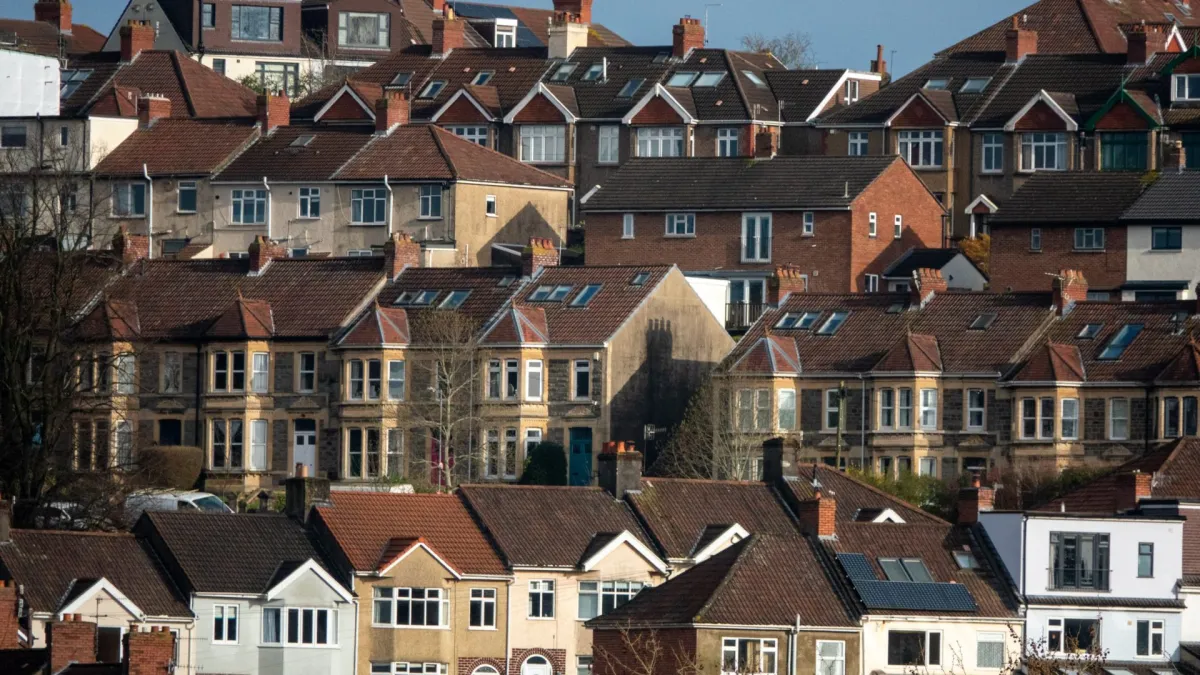
UK house price growth slowed to its weakest annual pace in more than two years in October, as rising mortgage rates and growing economic uncertainty put pressure on prospective buyers and weakened demand across the property market.
The average price of a UK home stood at £273,566 in October, unchanged from September, according to figures published by mortgage lender Nationwide. On an annual basis, prices increased by just 0.5%, down from 0.8% in the year to September. The latest figures suggest that the housing market is losing momentum as households face higher borrowing costs and become increasingly cautious about making major financial commitments.
The slowdown represents a significant change in market conditions after a period in which house prices had shown greater resilience. Although the average property value has not fallen compared with the previous month, the absence of monthly growth and the weaker annual increase indicate that the market is struggling to maintain its earlier pace. For buyers, sellers and homeowners considering moving, the changing environment could influence decisions about when to purchase, sell or refinance a property.

One of the biggest pressures facing the market is the rising cost of mortgage finance. The average interest rate on a five-year fixed-rate mortgage reached almost 6% during October, crossing a threshold not seen for three years. According to financial information provider Moneyfacts, the average five-year fixed-rate mortgage stood at 5.99% on Thursday. The average two-year fixed-rate deal was also elevated, reaching 5.97%.
These rates have increased the financial burden on households hoping to enter the property market. For first-time buyers, higher mortgage payments can make it more difficult to meet affordability requirements, save for other household expenses and secure a suitable property. Existing homeowners planning to move may also reconsider their decisions if a new mortgage would cost considerably more than their current arrangement.
The increase in mortgage rates has taken place despite the Bank of England leaving its base interest rate unchanged at 3.75% since December last year. However, fixed-rate mortgage pricing is influenced by several factors beyond the central bank’s headline rate. Movements in financial markets, particularly changes in bond yields and swap rates, can affect the interest rates lenders offer to borrowers.
Recent volatility in the bond market has pushed up swap rates, increasing the cost of providing fixed-rate mortgage products. Lenders have responded by adjusting their deals, leaving borrowers facing more expensive options even though the Bank of England has not yet changed its base rate.
Attention is now turning towards the next meeting of the Bank of England’s Monetary Policy Committee. Expectations have grown that policymakers could increase the base rate from 3.75% to 4%, which would represent the first increase in three years. Such a decision could add further uncertainty to the mortgage market, although the eventual effect on individual mortgage products would depend on wider financial conditions and lenders’ pricing decisions.
Robert Gardner, Nationwide’s chief economist, said concerns about inflation had intensified following the conflict in the Middle East. According to his assessment, the geopolitical situation has contributed to uncertainty about future prices and strengthened expectations that interest rates may need to remain higher or increase.
Rising energy and other costs can influence inflation expectations, creating difficulties for central banks attempting to balance price stability with economic growth. When financial markets anticipate higher inflation and borrowing costs, those expectations can quickly affect government bond yields and mortgage pricing. The result is that households may experience more expensive borrowing before any formal change in the central bank’s policy rate.
Gardner also indicated that the housing market could face further pressure in the months ahead. He pointed to continued weakness in new buyer inquiries reported by property surveyors, suggesting that potential purchasers are becoming more hesitant. A shortage of confident buyers can reduce competition for homes, make it harder for sellers to secure their expected prices and increase the time properties remain on the market.
Consumer confidence has also weakened. Gardner said sentiment declined noticeably in October, with households becoming less optimistic about both the general economic outlook and their own financial circumstances over the coming year. Such concerns can influence property decisions because buying a home usually involves long-term financial commitments, substantial deposits and considerable additional expenses.
When households are uncertain about employment prospects, inflation, household bills and future interest rates, they may postpone purchasing decisions. Even buyers who remain interested in moving can become more selective, negotiate harder or reduce the amount they are willing to borrow. These changes can gradually weaken demand and limit the scope for house price growth.
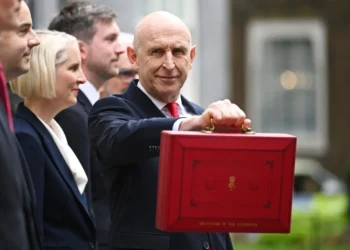
The slowdown has also raised questions about whether government support measures will be sufficient to improve market conditions. Chancellor John Healey confirmed a new £4.7bn Your First Home scheme this week, aimed at helping first-time buyers who do not have access to financial assistance from family members.
The initiative is intended to address one of the major barriers facing people trying to purchase their first property: the difficulty of raising enough money to enter the market. Many prospective buyers struggle to accumulate deposits while paying rent and managing everyday living costs. Those without family support can face additional challenges when competing with purchasers who have access to financial help.
The scheme could offer some assistance to eligible buyers and provide limited support for demand. However, the effectiveness of such measures will depend on how much practical help they provide and whether households can afford the ongoing cost of mortgage repayments. Assistance with entering the market does not necessarily resolve the wider problem of expensive borrowing.
Tom Bill, head of UK residential research at Knight Frank, said the impact of rising mortgage costs was outweighing the support announced in the government’s budget. His assessment highlights the difficulty policymakers face when attempting to improve housing affordability while borrowing costs remain elevated.
Bill suggested that the absence of major negative surprises in the chancellor’s announcements could produce a modest improvement in market sentiment in the coming months. However, he stressed that asking prices would need to reflect the tougher financial conditions confronting buyers. Sellers who continue to demand prices based on earlier market expectations may find it increasingly difficult to attract serious offers.
This adjustment could become particularly important if mortgage rates remain close to current levels. Buyers generally calculate affordability based on their monthly repayments, household income and other financial commitments. When interest rates rise, the amount they can comfortably borrow often falls, placing downward pressure on the prices they are prepared to offer.
Rob Wood, chief UK economist at Pantheon Macroeconomics, also suggested that the Your First Home scheme could provide a modest boost to the housing market. However, he expects property prices to remain subdued next year, indicating that government support alone may not be enough to restore stronger growth.
The latest figures underline the complicated position facing the UK housing sector. Potential buyers need more affordable borrowing conditions, while sellers are looking for prices that reflect the value of their properties. At the same time, lenders must respond to movements in financial markets, and policymakers are monitoring inflation risks that could influence future interest-rate decisions.
For first-time buyers, the slowdown may eventually create opportunities if sellers become more willing to negotiate. However, lower or slower-growing property prices do not automatically make homes more affordable when mortgage rates remain high. A purchaser may pay less for a property but still face substantial monthly repayments because of the cost of borrowing.

Homeowners planning to sell may also need to reconsider their expectations and prepare for a more competitive market. Accurate pricing, realistic negotiations and careful financial planning could become increasingly important as buyers take longer to make decisions.
The October figures do not establish that the UK housing market has entered a period of widespread price declines. Rather, they show that annual growth has weakened considerably and monthly prices have stopped rising. Whether this develops into a more sustained downturn will depend on mortgage costs, consumer confidence, inflation and the wider economic outlook.
With the Bank of England’s next policy decision approaching and uncertainty continuing in international markets, the coming months could prove important for the direction of property prices. For now, the combination of expensive mortgages, cautious households and subdued buyer inquiries suggests that the UK housing market is entering a more challenging phase, with affordability likely to remain at the centre of the debate.
Related News:
 UK House Prices Fall as Mortgage Rates Rise
 Thames Water Revises Oxfordshire Mega-Reservoir Plan
 Thinktank Calls for Abolition of UK State Pension
 Poundland Rescue Bid Could Protect 11,000 Jobs
 UK Households Could Save £173 on Fixed Energy Deals
 Oil nears $100 as Saudi attacks shake markets
 UK State Pension Set to Rise 3.9% as Triple Lock Holds
 UK Parents Cut School Uniform Costs as Prices Rise
 UK Pay Growth Slows to 3.9% as Rate Decision Nears
 Bank Urged to Slow Bond Sales as UK Costs Rise
 UK Inflation Hits 3.1% as Household Pressure Grows
 UK Retail Sales Rebound as Consumers Spend More
 UK Rent Gap Puts Low-Income Families Under Pressure
 UK Borrowing Hits £18.3bn Ahead of Budget
 MPs Defend UK Economic Watchdog Against Critics
 UK Trade Losses Grow Without EU Product Deal
 Should Savers Lock Into 5.25% Fixed Rates?
 UK Diesel Prices Hit Record High Amid Iran Conflict
 New UK Homes in Flood Zones Face Insurance Risk
 Healey urged to act as UK energy bills rise 4%
 UK house price growth slows as mortgage rates rise
 UK borrowing costs surge as global bond sell-off deepens
 UK Assures Public Over Diesel Supply
 UK Diesel Reaches £2 as Inflation Surges Across Europe
 Minister Rejects Fears of UK Diesel Shortage
 Informa Agrees £2.24bn Deal to Buy Clarion
 Google Maps Brings Live Fuel Prices to UK Drivers
 France Faces Debt Crisis as Protests and Markets Clash
 UK Savers Face Uncertainty as Rates Rise Above 5%
 Labour Fears Budget Will Fail to Lift Living Standards
 IFS Warns UK Budget Faces £35bn Spending Gap
 UK Van Drivers Face £2.5bn Diesel Cost Surge
 IMF Warns Global Economy Is Nearing Its Limits
IMF Raises UK Growth Forecast Ahead of Healey’s Budget
 Healey Plans £1bn Online Marketplace Tax Crackdown
 Business Chief Urges Burnham to Fix Brexit Damage
 UK Unemployment Falls to 4.7% as Vacancies Decline
UK Borrowing Hits £24.5bn Ahead of Healey’s Budget
 UK Chancellor Moves to Scrap Gas Standing Charges
 Healey Set to Scrap Planned Cut to Cash ISA Allowance
 UK Side-Hustle Tax-Free Limit to Rise to £3,000
 BP Profits Surge as Middle East Conflict Lifts Margins
 Burnham Admits First Budget Fell Short of His Ambitions
 Weight-Loss Drugs Transform Fashion Shopping Habits
 Europe Faces Winter Gas Supply Anxiety
 UK Subsidence Claims Surge After Record-Breaking Summer
 UK Cost Squeeze Deepens as Mortgages and Gas Rise
 Billionaire Chris Rokos poised to leave UK
 JPMorgan Boss Warns Against UK Bank Tax Rise
 John Lewis Losses Widen to £124m as Confidence Falls
 UK Retailers Accused of Breaking Refund Laws
 Entain Plans 400 Job Cuts After Profit Update
 UK Productivity Improves as Bank Weighs Interest Rates
 Calls Grow to Expand UK National Wealth Fund
 Labour Apprenticeship Scheme Faces Slow Start
 Chinese Hybrid Car Surge Raises EU Auto Industry Concerns
 AO Acquires Jessops in Camera Retail Expansion
 Saudi intercepts Houthi missiles as oil fears grow
 Burnham Opens Door to Possible UK Return to EU
 Boots Sale Nears as Weston Family Eyes $9bn Deal
 French Debt Fears Put Euro Markets Under Pressure
 Badenoch Raises Prospect of 2027 UK Election
 North Sea Strike Threatens UK Fuel Supplies
 UK Weighs Chinese Car Tariffs Amid EU Trade Push
 BT Agrees £400m TalkTalk Rescue Deal
 UK house prices stall as mortgage costs rise
 IMF Warns Governments Over Rising Debt Burdens
 Tesco Raises Profit Forecast as Consumer Confidence Holds
 Ministers Push ATO to Reconsider Credit Card Ban
 Oil Shock Sends Markets Lower as Middle East Risks Grow
 Hall and Woodford Win Nobel Economics Prize
 UK Water Firms Face £107m Bill Reduction Penalties
 UK Could Rejoin EU Through a Switzerland Plus Deal
 UK Inflation Hits 3.5% as Middle East War Drives Fuel Costs
Tax Online Sales to Save High Street, Burnham Urged
 UK Consumer Confidence Plunges at Fastest Rate Since Brexit Vote
 Labour MPs Urge Burnham to Lead UK Reindustrialisation
 China’s AI Ambitions Hit $2.4 Trillion Market Setback
 Fed Expected to Hold Rates Steady Ahead of US Midterms
 UK Budget Leaves Households Facing Higher Energy Bills