
Published: 08 October 2026. The English Chronicle Desk. The English Chronicle Online.
Global financial markets came under renewed pressure on Thursday as oil prices surged above $104 a barrel, government bond yields climbed and European and Asian shares fell amid growing fears over energy supplies and escalating attacks on commercial shipping in the Middle East.
Brent crude, the global benchmark for oil prices, rose sharply during trading, gaining about $4 to move above $104 a barrel. The increase reflected mounting concerns that continued attacks around the Strait of Hormuz could disrupt the movement of oil and liquefied natural gas from the Gulf, while a developing storm in the Gulf of Mexico threatened to further restrict US crude production.
The latest market moves have revived concerns about inflation at a particularly sensitive moment for central banks and governments. Higher energy prices can feed directly into transport and household costs while also increasing the expenses faced by businesses. Investors responded by pushing government bond yields higher, reflecting expectations that interest rates may have to remain elevated for longer.

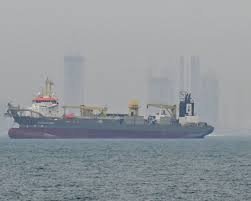
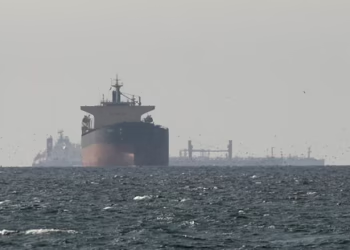
The Strait of Hormuz has become a central focus of financial markets because of its importance to global energy supplies. Maritime security sources have reported a sharp increase in attacks on tankers operating around the strategic waterway since the US and Israel began their war against Iran in late February. At least 12 oil, LNG and LPG tankers were reportedly attacked around the strait during the week ending 5 October.
The attacks have raised fresh concerns among energy traders that shipping disruptions could limit the availability of crude oil and gas in international markets. Gulf producers have increased exports, helping to offset some of the pressure, but the continuing security risks have made investors increasingly nervous about whether that flow can be sustained.
A tanker was reportedly struck several times near Qatar on Wednesday, representing a significant escalation because of the proximity of the incident to one of the world’s major LNG-producing regions. Any prolonged disruption to shipping from the Gulf could have consequences well beyond the immediate region, particularly for European countries that depend heavily on imported energy.
European natural gas prices responded quickly. The benchmark Dutch contract rose almost 3% to around €80.39 per megawatt hour, reaching its highest level in more than two weeks. The British front-month gas contract also increased by more than 3%, briefly moving above 200 pence per therm.
The rise in gas prices comes as cooler weather begins to increase demand across northern Europe. Traders are therefore watching both geopolitical developments and seasonal consumption patterns closely. A sustained increase in gas costs could place additional pressure on household energy bills and industrial users while complicating efforts to contain inflation.
Oil markets are also facing an additional supply concern from the United States. Tropical Storm Isaias was approaching the Gulf of Mexico and was expected to strengthen into the first hurricane of the delayed Atlantic season. Oil producers began evacuating workers and shutting down offshore operations as the storm approached.
Major energy companies including Shell and Chevron announced production shutdowns, adding another layer of uncertainty to an already tense global oil market. Although the weather-related disruption may prove temporary, its timing has amplified the impact of the Middle East supply concerns.
The combination of geopolitical risk and weather-related production losses helped drive Brent crude to levels not seen for roughly a week. The move also strengthened expectations that higher energy costs could make the inflation outlook more difficult for central banks.
European equity markets reflected those concerns. The pan-European Stoxx 600 index fell by almost 1%, reaching its lowest level in nearly four months. Asian markets had already weakened, with Japan’s Nikkei falling 1.4% and South Korea’s Kospi declining 2.6%.
The pressure on shares was accompanied by another sell-off in government bonds. Rising bond yields indicate that investors are demanding greater returns to hold government debt, increasing borrowing costs for governments and potentially for businesses and households.
In Britain, the yield on the 30-year government bond moved above 6%, reaching around 6.01%. It had climbed to 6.036% on Wednesday, the highest level since January 1998. The 10-year gilt yield also increased, approaching 5.5%, a level not seen since 2007.
The increase creates an additional challenge for Chancellor John Healey as he prepares to deliver his first budget on 28 October. Higher borrowing costs can make it more expensive for the government to finance existing debt and can reduce the room available for spending or tax decisions.
Financial markets are currently pricing in a possible increase in the Bank of England’s interest rate from 3.75% to 4% in November, followed by further increases next year. The expectations reflect concerns that higher energy prices could add to inflationary pressures.
The prospect of higher rates is already affecting Britain’s housing market. A survey by the Royal Institution of Chartered Surveyors showed that its house price balance fell to -32 in September from -28 in August. The decline was greater than economists had expected.
Surveyors and estate agents also reported a weakening in new buyer enquiries, marking the first decline since March. While activity remains stronger than immediately after the outbreak of the US-Iran war, renewed expectations of higher interest rates have made prospective buyers more cautious.
Rics market research head Tarrant Parsons said the renewed rise in interest-rate expectations had created a fresh obstacle for the housing market, with buyers becoming more cautious and sales activity losing momentum.
The housing outlook adds another dimension to the wider economic impact of rising energy prices. If inflation remains elevated and interest rates rise, households could face higher mortgage costs at the same time as paying more for fuel, transport and other goods affected by energy prices.
Britain’s currency and European bond markets were also affected. The euro slipped towards a 17-month low against the US dollar, while French borrowing costs remained under particular pressure. France’s 10-year government bond yield rose to around 4.93%, close to a 24-year high recorded the previous week.
Germany’s 10-year bond yield also moved higher, although German government debt remains regarded as a safer asset within the eurozone. Investors are increasingly balancing concerns about government debt levels with fears that inflation could remain higher for longer.
The United States is facing similar market pressures. The yield on the 10-year Treasury bond climbed to around 5.33%. Investors are closely monitoring the Federal Reserve after minutes from its latest policy meeting showed disagreement among officials over whether further rate increases are necessary.
The international shipping industry is also beginning to feel the effects of the Middle East conflict. Danish shipping company Maersk announced that it would raise its emergency fuel surcharge to 20% for export collections and import deliveries from next Monday. The company said it would continue reviewing the surcharge as conditions develop.
Higher shipping costs could eventually filter into prices for imported goods, particularly if elevated fuel expenses persist. This could make the inflation challenge more complicated for countries already dealing with higher energy prices.
Against this difficult backdrop, some companies have continued to perform strongly. Tesco shares rose in early London trading after Britain’s largest supermarket increased its annual underlying profit forecast. The retailer reported sales of £33.8bn for the first half of its financial year and underlying profit of £1.8bn, up 6.5%.
Tesco said consumer confidence had remained relatively resilient despite geopolitical uncertainty, while online sales and its premium own-label range recorded strong growth. The company now expects annual underlying profit of between £3.15bn and £3.3bn.
The contrasting performances underline the uncertainty facing businesses. While some major retailers continue to benefit from resilient consumer demand, energy-intensive industries, transport companies and heavily indebted businesses may be more exposed to higher fuel prices and borrowing costs.
The immediate direction of financial markets will depend heavily on developments around the Strait of Hormuz, the trajectory of the conflict involving Iran and the extent of disruption to energy production and shipping. Any further attacks on tankers or restrictions on commercial traffic could push oil and gas prices higher.
For central banks, the challenge is particularly difficult. Higher energy prices can weaken economic growth while simultaneously increasing inflation. Responding too aggressively with interest-rate increases could further damage demand and housing markets, while failing to respond could allow inflationary pressures to become more persistent.

Investors are therefore entering a period of heightened uncertainty, with oil markets, shipping security, central-bank policy and government borrowing costs increasingly interconnected. What began as a regional security crisis is now exerting pressure across global financial markets, household budgets and corporate planning.
With Brent crude above $104 a barrel and gas prices rising again, the coming weeks could determine whether the latest energy shock remains temporary or develops into a broader economic problem. For governments, businesses and consumers already facing higher costs, the security of global energy routes has once again become a critical economic concern.
Related News:
 Saudi intercepts Houthi missiles as oil fears grow
 UK Diesel Reaches £2 as Inflation Surges Across Europe
 Minister Rejects Fears of UK Diesel Shortage
 Dutch Bank Moves 86 Tonnes of Gold to London
 Oil nears $100 as Saudi attacks shake markets
 Saudi Arabia Shuts Oil Pipeline After Drone Attack
 Oil Prices Surge as Saudi Pipeline Closure Deepens Crisis
 Japan Raises Rates to 31-Year High
 UK Diesel Prices Hit Record High Amid Iran Conflict
 Ukraine Faces $45m Hourly Cost From Missile Alerts
 French Debt Fears Put Euro Markets Under Pressure
 EU-China Talks Target Surge in Hybrid Car Imports
 UK Wage Growth Slows as Jobs Market Holds Firm
 Reeves Fights to Keep Treasury Role Amid Labour Turmoil
 Canada to Match Trump’s 50% Tariffs Dollar for Dollar
 Firms on both sides fear damage from US-Canada trade war
 Europe Faces Winter Gas Supply Anxiety
 Trump Hardens Canada Trade Stance as Talks Stall
 UK House Prices Fall as Mortgage Rates Rise
 Thames Water Revises Oxfordshire Mega-Reservoir Plan
 UK Retail Sales Rebound as Consumers Spend More
 Trump Eyes Major Belarus Fertiliser Deal Amid Canada Trade Dispute
 UK Borrowing Hits £18.3bn Ahead of Budget
 Thinktank Calls for Abolition of UK State Pension
 MPs Defend UK Economic Watchdog Against Critics
 Iran Rejects Claims of Shift in US Talks
 Chinese Hybrid Car Surge Raises EU Auto Industry Concerns
 Tony Blair Calls for Britain to Rejoin EU Within a Decade
 UK Trade Losses Grow Without EU Product Deal
 Should Savers Lock Into 5.25% Fixed Rates?
 Why Americans Feel Ripped Off by Rising Prices
 Poundland Rescue Bid Could Protect 11,000 Jobs
 UK house price growth slows as mortgage rates rise
 UK borrowing costs surge as global bond sell-off deepens
 UK Assures Public Over Diesel Supply
 North Sea Strike Threatens UK Fuel Supplies
 Informa Agrees £2.24bn Deal to Buy Clarion
 Shell Refineries Set for Record Refining Profits
 IMF Warns Governments Over Rising Debt Burdens
 Tanker Attacked Near Qatar as Hormuz Tensions Escalate
 Google Maps Brings Live Fuel Prices to UK Drivers
 Tesco Raises Profit Forecast as Consumer Confidence Holds
 Ministers Push ATO to Reconsider Credit Card Ban
 Global markets face turmoil as Hormuz crisis deepens
 UniCredit’s Bold Move to Reshape European Banking
 Trump Threatens Iran With Total Infrastructure Destruction
 Iran Drone Strike Hits Kuwaiti Oil Tanker in Dubai Port
 Albanese Rejects Gas Export Tax Push
 $13bn World Cup Set to Break All Revenue Records
 US Awaits Iran Reply on New Ceasefire Proposal
 UK Pushes for New EU Goods Trade Deal
 UK rejects EV charging VAT cut amid Treasury clash
 Weight-Loss Drugs Transform Fashion Shopping Habits
 US CEOs Earn 614 Times More Than Workers
 Trump Calls Iran War ‘Small Potatoes’ Despite US Deaths
 UK Cost Squeeze Deepens as Mortgages and Gas Rise
 Swedish Mining Push Puts Sami Land Rights Under Pressure
 Billionaire Chris Rokos poised to leave UK
 JPMorgan Boss Warns Against UK Bank Tax Rise
 John Lewis Losses Widen to £124m as Confidence Falls
 North Sea Firms Urge Early End to Windfall Tax
 UK Pay Growth Slows to 3.9% as Rate Decision Nears
 Bank Urged to Slow Bond Sales as UK Costs Rise
 Trump Threatens EU With Tariffs Over Canada Proposal
 UK Productivity Improves as Bank Weighs Interest Rates
 Trump Threatens EU Over Canada Partnership Proposal
 UK Rent Gap Puts Low-Income Families Under Pressure
 Calls Grow to Expand UK National Wealth Fund
 Trump gives Xi red-carpet welcome as trade truce extends
 AO Acquires Jessops in Camera Retail Expansion
 Beaverbrooks Boss Calls for Relief on Business Costs
 Burnham Opens Door to Possible UK Return to EU
 Healey urged to act as UK energy bills rise 4%
 Boots Sale Nears as Weston Family Eyes $9bn Deal
 UK Weighs Chinese Car Tariffs Amid EU Trade Push
 BT Agrees £400m TalkTalk Rescue Deal
 Poland Pushes Energy Security Beyond Russian Gas
 UK house prices stall as mortgage costs rise
 South Korea Probes Fuel Shipments to Russia
 Japan Beer Giants Face Cartel Probe