Published: 07 October 2026. The English Chronicle Desk. The English Chronicle Online.
Two miles off the coast of Gdańsk, Poland, a major transformation of the country’s energy system is taking shape on the Baltic Sea. Steel structures, construction vessels and offshore equipment are becoming part of an infrastructure project that reflects a much wider European effort to reduce dependence on vulnerable energy supplies and strengthen resilience against geopolitical shocks.
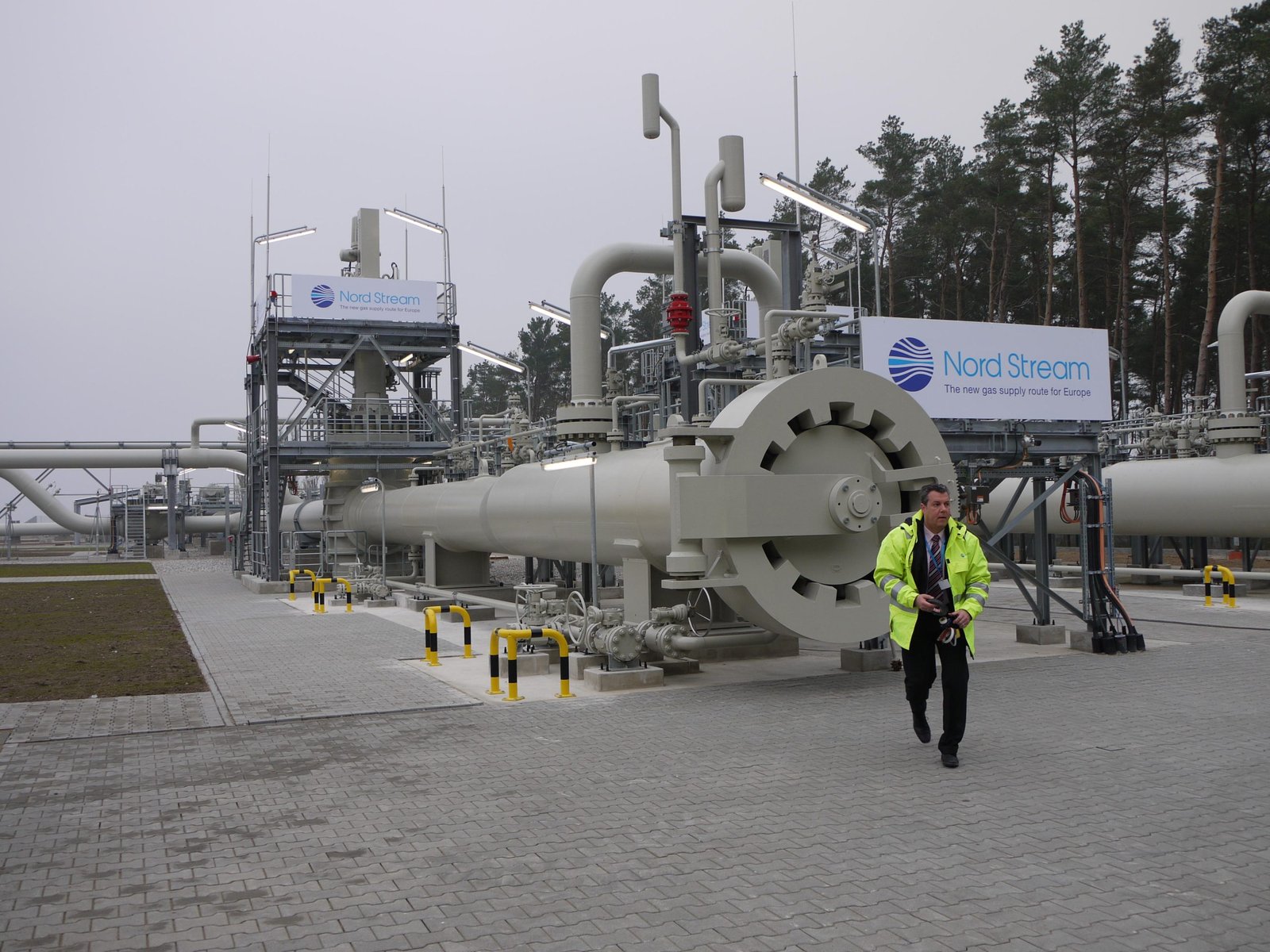
At the centre of the project is Poland’s first floating storage and regasification unit, or FSRU, which is being developed in the Gulf of Gdańsk. Once operational, the facility will allow Poland to receive, store and convert liquefied natural gas delivered by sea before it enters the national pipeline network. More importantly, the project is designed to serve not only Poland but also neighbouring countries across central and eastern Europe.
The significance of the project has grown considerably since Russia’s full-scale invasion of Ukraine. Poland had previously relied heavily on Russian gas, but Warsaw moved decisively to eliminate that dependence after refusing Moscow’s demand for payments in roubles in 2022. Alternative supplies from Norway and LNG imports helped prevent a major energy crisis, while new infrastructure has gradually given Poland greater control over where its gas comes from.

The Gdańsk FSRU is now intended to take that strategy further. Gaz-System, Poland’s national gas transmission operator, is overseeing the project, which is scheduled to begin operations in early 2028. The first floating unit is expected to provide an additional 6.1 billion cubic metres of annual regasification capacity.
Poland already has about 8.3 billion cubic metres of LNG regasification capacity. A second floating unit is planned for around 2030, potentially taking the country’s total capacity above 20 billion cubic metres a year.
The project has been given the symbolic name “Solidarity”, a reference to Gdańsk’s historic role in Poland’s struggle against communist rule. The Solidarity movement emerged from strikes at the city’s shipyard in the 1980s and eventually helped drive the country towards political independence, democracy and a market economy.
Today, the same city is at the heart of another national transformation, this time focused on energy independence and economic security.
The physical challenges involved in building offshore infrastructure are considerable. Construction has had to contend with severe Baltic weather, storms and periods of freezing conditions. Before work could begin, Polish naval teams also had to deal with unexploded mines and bombs left over from the second world war.
Yet the urgency surrounding the project means delays are closely watched. Poland increasingly sees energy infrastructure as a matter of national security rather than simply an economic investment.
That change in thinking has been driven by experience. For years, Russian gas provided a large share of Poland’s imports, giving Moscow considerable leverage over the country. The disruption of European energy markets following Russia’s invasion of Ukraine demonstrated the dangers of depending too heavily on a single supplier.
Polish officials now argue that diversification provides a form of protection. LNG can arrive by sea from different parts of the world, while gas infrastructure connecting Poland with neighbouring states allows supplies to move across borders.
The Gdańsk project could therefore become an important regional energy hub. Countries such as Slovakia and the Baltic states stand to benefit from greater access to non-Russian gas supplies, while Poland could strengthen its position as a key energy gateway into central and eastern Europe.
For the Baltic states in particular, the issue carries strategic importance. Their historical dependence on Russian energy has been viewed as a vulnerability, and greater integration with European energy networks offers a route towards reducing that exposure.
Poland’s energy transformation, however, remains unfinished. In Gdańsk itself, the contradiction is visible. Offshore gas infrastructure designed to increase diversification exists alongside an older energy system still heavily dependent on coal.
Coal continues to generate more than half of Poland’s electricity, placing the country well above the European Union average. The sector has deep economic and social roots. More than 80,000 people remain employed in coalmining, particularly in southern Poland around the Katowice region.
For communities built around mining, the transition away from coal is not simply an environmental policy. It involves employment, regional development, household incomes and political identity.
At the same time, Poland faces growing pressure to reduce its reliance on fossil fuels. Coal-fired power generation contributes significantly to emissions, while ageing infrastructure can impose substantial costs on the economy.
Energy prices have become an increasingly important concern for Polish businesses. The country’s wholesale electricity prices remain among the highest in the EU, creating additional pressure on manufacturers at a time when Poland’s traditional competitive advantage is changing.
For decades, relatively low labour costs helped attract international manufacturers, including major automotive companies. But as Polish wages and living standards rise, the country can no longer depend as heavily on cheap labour to compete with western Europe.
That makes energy costs increasingly important. Businesses need reliable electricity at competitive prices if Poland is to maintain its manufacturing base and continue moving up the economic value chain.
Rafał Brzoska, the founder of the Polish parcel-locker company InPost, has warned that energy costs are not one of Poland’s strongest competitive advantages. His argument reflects a broader concern among entrepreneurs that industrial competitiveness will increasingly depend on reducing production costs through technological development and a more efficient energy system.
Poland is therefore pursuing several strategies at once. LNG infrastructure is being expanded, renewable energy is growing, and the government is also investing in nuclear power.
A large nuclear facility planned for the Baltic coast is expected to play a major role in the country’s long-term electricity strategy. But the project is expensive, with estimated costs exceeding €42bn, and it is not expected to begin operating until the late 2030s.
That long timetable illustrates one of Poland’s central energy dilemmas. The country needs to move away from coal and Russian-linked energy supplies, but many alternatives require years of construction and enormous financial investment.
The transition is also taking place against a difficult fiscal and political backdrop. Poland’s public debt is rising and borrowing costs have increased. At the same time, next year’s general election is likely to intensify arguments over the cost of climate policies and the pace of the green transition.
Opposition forces on the right have sought to turn energy and environmental policies into political issues, particularly among voters worried about higher household and industrial costs.
The European Union has become an important source of financial support during this transformation. Poland has secured €54.7bn through the EU’s post-pandemic recovery programme, with a significant proportion directed towards energy-related investments.
EU membership has also provided Poland with substantial funding for transport, infrastructure and economic development since the country joined the bloc in 2004. Polish officials argue that this investment has played a major role in the country’s remarkable economic convergence with western Europe.
Poland’s GDP has now surpassed $1tn, making it one of the EU’s largest economies. Living standards have also risen substantially compared with the 1990s, when income per person was around 40% of the EU average. Last year, the figure stood at roughly 81%.
But Poland is approaching a new phase of development. As the country becomes wealthier, the flow of traditional EU catch-up funding is expected to decline. That means future growth will depend increasingly on domestic productivity, innovation, infrastructure and energy competitiveness.
Economists argue that reforming the energy system is therefore essential not only to meet climate objectives but also to protect Poland’s economic future.
The country’s experience with Russian gas has provided a powerful lesson: energy dependence can become a geopolitical weakness. A diversified system, by contrast, gives governments and businesses greater flexibility when international markets are disrupted.
Current global tensions demonstrate that the risks have not disappeared. Instability in the Middle East, disruption around major shipping routes and uncertainty over global fuel supplies can quickly affect oil and gas prices.
Poland still imports significant volumes of LNG from suppliers including the United States and Qatar. While this represents diversification away from Russia, it also means the country remains exposed to global market conditions.
Polish officials nevertheless believe that having access to multiple markets is considerably safer than relying on a single pipeline supplier.

The broader transformation is therefore about more than replacing Russian gas. It is an attempt to build an energy system capable of supporting Poland’s growing economy while reducing its vulnerability to external political pressure.
The symbolism of the “Solidarity” FSRU reflects that ambition. Gdańsk once became a centre of political resistance that helped reshape Poland and Europe. Today, its coastline is becoming a centre of energy infrastructure intended to strengthen the country’s place within a more interconnected European system.
For Poland, the challenge will be maintaining that momentum while balancing affordability, industrial competitiveness, climate commitments and national security. The shift away from Russian energy has already changed the country’s strategic outlook. The next stage will determine whether Poland can turn that hard-earned resilience into a cleaner, more competitive and more secure economy.
Related News:
 UK Diesel Prices Hit Record High Amid Iran Conflict
 Ukraine Faces $45m Hourly Cost From Missile Alerts
 French Debt Fears Put Euro Markets Under Pressure
 UK Diesel Reaches £2 as Inflation Surges Across Europe
 Minister Rejects Fears of UK Diesel Shortage
 North Sea Strike Threatens UK Fuel Supplies
 EU-China Talks Target Surge in Hybrid Car Imports
 Wealthy Britons Flee Gulf War but Avoid UK Taxes
 UK Wage Growth Slows as Jobs Market Holds Firm
 UK Doubles Steel Tariffs to 50% to Protect Domestic Plants
 Albanese Rejects Gas Export Tax Push
 BBC News Faces Deep Cuts in 2,000 Job Plan
 Norway Doubles Down on Oil and Gas for Europe Energy Security
 Hybrid village stores fight rural decline
 Kevin Warsh sworn in as Fed chair amid economic backlash
 UK Pushes for New EU Goods Trade Deal
 Reeves Fights to Keep Treasury Role Amid Labour Turmoil
 Albanese Defends Tax Reforms Amid Emotional Speech
 UK rejects EV charging VAT cut amid Treasury clash
 Essex valley emerges as rising English wine hub
 Gen Z Graduates Face Economic Uncertainty
 Hungary Targets Oligarchs with Proposed Landmark Wealth Tax
 Severn Trent CEO Reward Package Doubled Despite Public Anger
 BMA Faces Unprecedented Staff Cuts Amidst Severe Financial Turmoil
 Canada to Match Trump’s 50% Tariffs Dollar for Dollar
 Europe Faces Winter Gas Supply Anxiety
 UK Households Could Save £173 on Fixed Energy Deals
 Burnham Faces Mounting Budget Challenges
 Dutch Bank Moves 86 Tonnes of Gold to London
 Trump Hardens Canada Trade Stance as Talks Stall
 Reform Faces Fresh Financial Controversy
 Swedish Mining Push Puts Sami Land Rights Under Pressure
 UK House Prices Fall as Mortgage Rates Rise
 Oil nears $100 as Saudi attacks shake markets
 John Lewis Losses Widen to £124m as Confidence Falls
 Saudi Arabia Shuts Oil Pipeline After Drone Attack
 Oil Prices Surge as Saudi Pipeline Closure Deepens Crisis
 Thames Water Revises Oxfordshire Mega-Reservoir Plan
 North Sea Firms Urge Early End to Windfall Tax
 Japan Raises Rates to 31-Year High
 UK Retail Sales Rebound as Consumers Spend More
 UK Rent Gap Puts Low-Income Families Under Pressure
 Macron and Carney deepen France-Canada ties
 Calls Grow to Expand UK National Wealth Fund
 Labour Apprenticeship Scheme Faces Slow Start
 Australia’s migration debate meets a changing population
 Australia Renewables Reach Record 80% Grid Demand
 Trump Eyes Major Belarus Fertiliser Deal Amid Canada Trade Dispute
 UK Borrowing Hits £18.3bn Ahead of Budget
 Burnham Leaves Door Open to Future Brexit Reversal
 MPs Defend UK Economic Watchdog Against Critics
 Iran Rejects Claims of Shift in US Talks
 Chinese Hybrid Car Surge Raises EU Auto Industry Concerns
 Tony Blair Calls for Britain to Rejoin EU Within a Decade
 UK Trade Losses Grow Without EU Product Deal
 AO Acquires Jessops in Camera Retail Expansion
 Saudi intercepts Houthi missiles as oil fears grow
 Should Savers Lock Into 5.25% Fixed Rates?
 Beaverbrooks Boss Calls for Relief on Business Costs
 Why Americans Feel Ripped Off by Rising Prices
 Madrid Tent Camp Grows as Spain Housing Crisis Deepens
 New UK Homes in Flood Zones Face Insurance Risk
 Burnham Opens Door to Possible UK Return to EU
 Poundland Rescue Bid Could Protect 11,000 Jobs
 Healey urged to act as UK energy bills rise 4%
 UK house price growth slows as mortgage rates rise
 UK borrowing costs surge as global bond sell-off deepens
 UK Assures Public Over Diesel Supply
 Badenoch Raises Prospect of 2027 UK Election
 London Luxury Homes Face a Prolonged Property Slump
 London Council Warns of 150% Council Tax Rise
 Salinas Struggles to Keep the American Dream Alive
 Rome Cracks Down on Rising Golf Cart Tours
 Spain Sets Snap Election as Housing Crisis Deepens
 UK Weighs Chinese Car Tariffs Amid EU Trade Push
 BT Agrees £400m TalkTalk Rescue Deal
 Scottish islanders struggle as diesel prices soar
 Informa Agrees £2.24bn Deal to Buy Clarion
 Asos Investigates Hack Claims After Customer Alerts
 Drax Datacentre Faces Major Carbon Emissions Concerns