Published: 22 September 2026. The English Chronicle Desk. The English Chronicle Online.
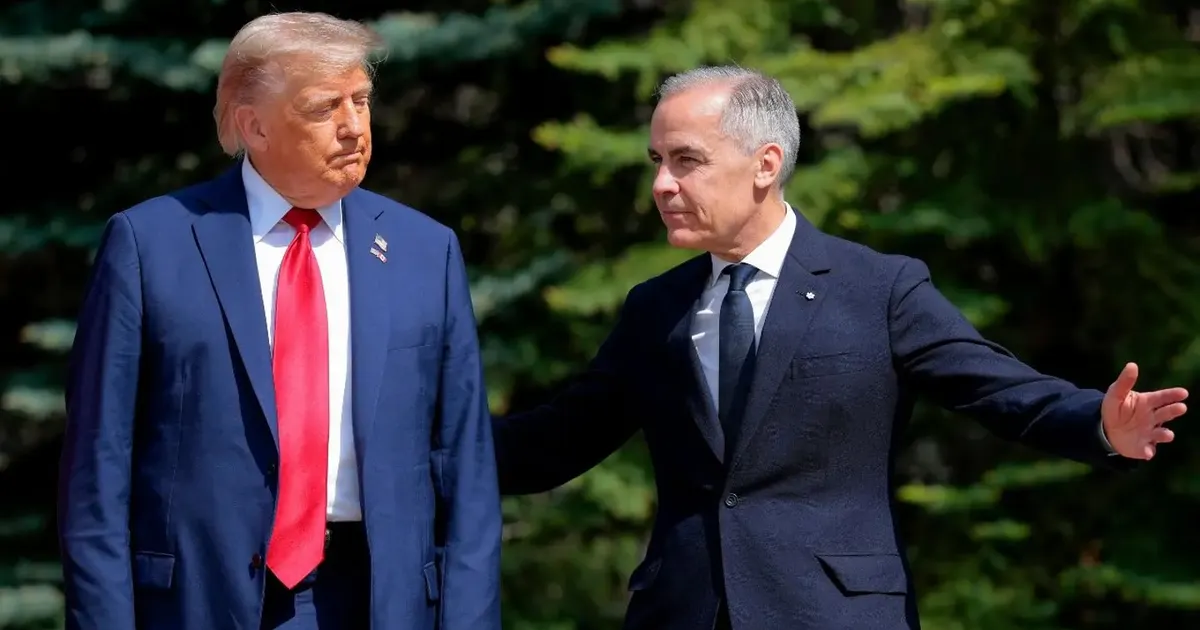
US President Donald Trump has said Washington is working on what he described as a “massive” deal to purchase potash fertiliser from Belarus, potentially marking a significant shift in the United States’ traditional supply arrangements as the Trump administration intensifies its trade dispute with Canada.
Trump announced the proposed deal on Monday, saying that Belarusian potash could be purchased at a substantially lower price than fertiliser currently sourced from Canada. He presented the proposal as potentially beneficial to American farmers and ranchers, who have faced higher input costs in recent years.
The announcement is notable because Canada has historically been the United States’ dominant supplier of potash, while Belarus is a close ally of Russia and has faced extensive Western sanctions over its domestic political crackdown and support for Moscow during the war in Ukraine.
“The United States is working on a massive deal with respect to the purchase of Potash from Belarus,” Trump said in his announcement, adding that the proposed pricing would be considerably below what the United States is currently paying Canada.
Potash is a group of potassium-containing salts that are widely used in the production of agricultural fertiliser. Potassium is one of the three major nutrients required for crop growth, alongside nitrogen and phosphorus, making potash an important commodity for large-scale agriculture.

The United States relies heavily on imports to meet its potash requirements. According to US Geological Survey figures cited in the report, Canada accounted for 79% of US potash imports in 2024. Russia supplied about 11%, while Belarus accounted for approximately 4%.
A major expansion of purchases from Belarus could therefore alter the balance of the US fertiliser supply chain, although the scale and timing of any proposed agreement remain unclear.
Trump’s announcement came as relations between Washington and Ottawa have become increasingly strained over trade. Canada has long been one of the United States’ closest economic partners and a major source of agricultural and industrial commodities. Potash has been particularly important because of Canada’s position as the leading supplier to the US market.
The possibility of obtaining cheaper fertiliser from Belarus could provide American agricultural producers with another source of supply at a time when farmers are closely watching production expenses. Fertiliser represents a significant cost for many agricultural operations, meaning changes in potash prices can affect decisions about planting, crop selection and overall profitability.
The global fertiliser market has already experienced substantial disruption since Russia’s invasion of Ukraine in 2022. Russia and Belarus are among the world’s major producers of potash and other agricultural inputs, while sanctions and restrictions have complicated international trade involving both countries.
Before the war, fertiliser markets were already highly interconnected. The disruption caused by sanctions, logistical challenges and changing trade patterns contributed to price volatility. American farmers, like producers elsewhere, have had to contend with fluctuations in fertiliser and energy costs.
Belarus has been particularly affected by Western sanctions. President Alexander Lukashenko’s government has faced international criticism over its treatment of political opponents and its response to mass protests following the disputed 2020 presidential election.
Lukashenko has remained in power since 1994. Following the 2020 election, large demonstrations took place across Belarus, and Western governments subsequently imposed sanctions on senior officials and businesses associated with the government.
Belarus also became more isolated from Western governments after Russia launched its full-scale invasion of Ukraine in 2022. Moscow used Belarusian territory as part of its military operations, prompting additional sanctions against Minsk.
Despite those tensions, the Trump administration has recently pursued diplomatic engagement with Belarus. The latest development follows the release of political prisoners by the Belarusian authorities and the easing of some US sanctions.
Last week, Belarus released 25 political prisoners as Washington lifted sanctions on two Belarusian companies. The move was viewed as part of a broader effort to improve communication between the United States and the Belarusian government.
The proposed potash agreement could represent another step in that changing relationship, although it remains unclear whether the discussions will result in a completed commercial deal.
The prospect has already attracted criticism from Belarus’s opposition movement. Sviatlana Tsikhanouskaya, the country’s exiled opposition leader, warned on Monday that a commercial agreement with Lukashenko’s government could carry significant risks.
Tsikhanouskaya argued that revenue generated from potash exports could support the Belarusian government and, in her view, contribute to repression and assistance for Russia’s war effort. She said she believed the United States was aware of Lukashenko’s record.
Her comments highlight the broader challenge facing Washington as it seeks to balance economic interests with foreign-policy considerations. A decision to increase imports from Belarus could offer American buyers access to additional fertiliser supplies, but it could also generate debate over sanctions policy and relations with Minsk and Moscow.
For American farmers, the immediate issue is likely to be price and supply. If Belarus can provide potash at a lower cost, increased competition among suppliers could potentially affect fertiliser prices. However, the final impact would depend on the terms of any agreement, the volume of imports, transportation costs and the continued operation of sanctions and other trade restrictions.
The proposed arrangement would also need to be considered within the wider context of US agricultural policy. Farmers have faced several years of uncertainty linked to commodity prices, input costs, weather conditions and international trade. Fertiliser prices are especially important because changes can quickly affect the economics of crop production.
At the same time, Canada’s role in the US agricultural supply chain means that a substantial shift in potash purchases could have implications beyond fertiliser markets. The proposal comes amid a broader trade dispute between Washington and Ottawa, making the issue part of a much larger economic relationship.
Canada has traditionally benefited from its proximity to the US market and extensive cross-border trade. Potash shipments from Canada can reach American agricultural regions relatively efficiently, while alternative suppliers may face longer transport routes and different logistical requirements.

Belarus’s geographical position and political relationship with Russia could also complicate any attempt to significantly increase its share of the American market. Even if Washington and Minsk reach an agreement, questions surrounding sanctions, financial transactions, transportation and compliance would remain relevant.
The Trump administration’s willingness to engage with Belarus nevertheless represents a notable shift from the period of heightened diplomatic pressure that followed the 2020 political crisis and Russia’s invasion of Ukraine.
The proposed fertiliser deal also illustrates how trade policy and geopolitics can become closely connected. A commodity that is essential to American agriculture has become part of a broader debate involving Canada, Belarus, Russia, Ukraine and US sanctions policy.
For now, Trump’s announcement describes an agreement being pursued rather than a completed transaction. The precise value, volume, delivery arrangements and legal framework of the proposed deal have not been publicly detailed.
Whether the United States ultimately expands its purchases of Belarusian potash will depend on negotiations and the administration’s broader approach to sanctions and trade. Any agreement could have implications for American farmers, Canada’s export position and Washington’s evolving relationship with Minsk.
The announcement therefore places fertiliser at the centre of a wider economic and diplomatic story, demonstrating how agricultural supply chains can be affected by trade disputes and international political developments.
Related News:
 Trump Hardens Canada Trade Stance as Talks Stall
 US Awaits Iran Reply on New Ceasefire Proposal
 Trump Faces Crisis as Iran Reopens Hormuz Tensions
 Trump likens US Navy actions to ‘pirates’
 Trump approval plunges amid Iran war fears
 Ohio’s Battle for Trust: Democrats Vying to Flip the Buckeye State
 Trump Threatens UN Budget Cuts as US Pushes ‘Trade Over Aid’ Agenda
 Kevin Warsh sworn in as Fed chair amid economic backlash
 Hormuz Talks Near Critical Stage
 UK Pushes for New EU Goods Trade Deal
 Reeves Fights to Keep Treasury Role Amid Labour Turmoil
 Trump Claims Iran Peace Deal Near Completion
 Europe Weighs Hormuz Navigation Fee Plan
 Canada to Match Trump’s 50% Tariffs Dollar for Dollar
 Firms on both sides fear damage from US-Canada trade war
 Trump orders US to rename Lake Ontario ‘Lake America’
 Trump announces major US oil deal with Venezuela
 Europe Faces Winter Gas Supply Anxiety
 Dutch Bank Moves 86 Tonnes of Gold to London
 Trump Calls Iran War ‘Small Potatoes’ Despite US Deaths
 Swedish Mining Push Puts Sami Land Rights Under Pressure
 Oil nears $100 as Saudi attacks shake markets
 Trump Pledges $5,000 if Republicans Win Midterms
 Saudi Arabia Shuts Oil Pipeline After Drone Attack
 US House Passes Russia Sanctions Bill Amid Debate
 Japan Raises Rates to 31-Year High
 Macron and Carney deepen France-Canada ties
 Canada Passes Carney’s First Budget in Tight Parliamentary Vote
 India’s Labour Law Overhaul Sparks Fierce Debate
 Trump Escalates Minnesota Immigration Surge Amid Rising Tensions
 Greenland Faces Pivotal Summit Over Arctic Power Struggle
 Mark Carney Walks Diplomatic Tightrope on China Visit
 Government Unveils Northern Powerhouse Rail Plans
 Trump Fed bid heads to Supreme Court
 Thousands Protest ICE Operations in Nationwide US Day of Action
 Epstein Files Reveal Trump Officials’ Emails with Financier
 Thousands Protest ICE in New York Against Trump Deportation Campaign
 Clinton Testimony Erupts in Fiery Exchange
 UK Doubles Steel Tariffs to 50% to Protect Domestic Plants
 Trump to Deploy “God Squad” Over Gulf Wildlife Protections
 Can Congress Stop US Sports Teams From Moving Cities?
 Trump Slams UK Ties and Threatens To Rewrite Trade Deal
 Iron Worker Challenges Trump Loyalist in Ohio
 Iran Reimposes Strait of Hormuz Restrictions Amid Tension
 UK Stands Firm on Falklands Amid US Rift
 Southeast Asia Turns to Russia Amid Energy Crisis
 US Calls Australia Media Law “Foreign Extortion”
 Capitalism ‘Suicidal’, Warns Petro at Climate Summit
 Oil Prices Surge Above $120 Amid Iran Blockade Fears
 Trump orders US troop pullout from Germany
 Judge halts deportation of Yemeni refugees in US
 Trump warns Iran as Middle East tensions surge again
 US ‘Narco Boat’ Strikes Draw Global Outcry
 Ohio Primaries Set Stage for Crucial Midterms
 Afghan Families Left in Limbo Face Risk of Deportation
 Tensions Emerge in Netanyahu-Trump Alliance
 US green card applicants must apply from abroad, DHS says
 Albanese Defends Tax Reforms Amid Emotional Speech
 Victoria Labor Launches Apprenticeship Expansion Plan
 Discontent grows around Putin amid war strain
 Former ICC prosecutor condemns US sanctions
 Gunman Killed After White House Security Shootout
 House Curbs Trump’s War Powers in Rare Rebellion
 Ukraine Creates Long-Range Strike Command
 Trump Refuses to Sign Housing Bill, But Law Takes Effect
 Houthis Strike Saudi Arabia as Middle East Tensions Rise
 Is America Ready for an AOC Presidential Run?
 Trump Calls Strait of Hormuz ‘American Territory’
 UK House Prices Fall as Mortgage Rates Rise
 UK plans tougher Israel stance with settlement trade ban
 Trump’s Washington Projects Face Architectural Criticism
 Oil Prices Surge as Saudi Pipeline Closure Deepens Crisis
 UK Pay Growth Slows to 3.9% as Rate Decision Nears
 Bank Urged to Slow Bond Sales as UK Costs Rise
 Trump Threatens EU With Tariffs Over Canada Proposal
 Trump Threatens EU Over Canada Partnership Proposal
 US Sanctions Open New Battle for Cuba Assets
 UK Retail Sales Rebound as Consumers Spend More
 US Networks Suspend Trump White House Pool Coverage
 Trump and Mamdani Hold Cordial Gracie Mansion Meeting