Published: 24 September 2026. The English Chronicle Desk. The English Chronicle Online.
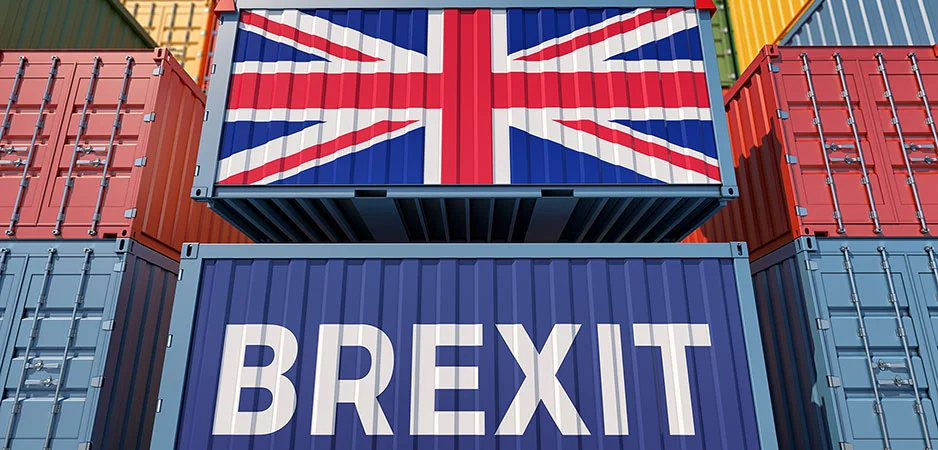
The United Kingdom could be missing out on billions of pounds in potential annual exports to the European Union because of regulatory barriers introduced after Brexit, according to a new analysis that has renewed debate over the economic consequences of the country’s post-Brexit trading arrangements.
Research by the Institute for Public Policy Research, known as IPPR, estimates that the absence of an agreement allowing British and European authorities to recognise each other’s product testing and assessment procedures may have reduced UK exports to the EU by between £3.7bn and £6.5bn every year since the post-Brexit trading arrangements came into effect in 2021.
The analysis focuses on a specific problem facing manufacturers: the need to comply with separate regulatory and product-testing requirements when selling goods in the UK and the EU. Before Brexit, businesses operating within the single market generally benefited from a common regulatory framework. Since the UK’s departure, companies exporting certain products have faced additional procedures, administrative requirements and costs.
According to the IPPR analysis, these additional barriers have affected business decisions. Some companies have reportedly stopped exporting particular products to the European market altogether, while others have established subsidiaries or other operations within the EU in order to maintain access to customers there.

The thinktank estimates that the potential annual trade loss is equivalent to around 0.18% of UK national income. It argues that the scale of the estimated loss is significant when compared with the economic benefits the government expects from Britain’s participation in the Comprehensive and Progressive Agreement for Trans-Pacific Partnership, or CPTPP.
The findings have added to an ongoing discussion about how the UK and EU could reduce trade friction without reopening the entire Brexit settlement.
At the centre of the IPPR proposal is a mutual recognition agreement, or MRA. Such an agreement would allow regulatory authorities in Britain and the EU to recognise certain product assessments carried out by the other side, reducing the need for companies to repeat testing and certification before goods can be sold.
The IPPR says such an arrangement could be based on what it describes as dynamic alignment, meaning that the UK would keep relevant product regulations broadly aligned with changing EU standards. This would be intended to make it easier for manufacturers to demonstrate that their products meet the requirements of both markets.
The issue is particularly important for British businesses because the European Union remains a major trading market. The additional costs created by regulatory differences can be more difficult for smaller companies to absorb than for large multinational manufacturers with extensive compliance departments and established operations on both sides of the Channel.
The IPPR analysis identifies motor vehicles and parts, electronics and pharmaceuticals as three industries where the potential value of additional exports could be particularly substantial.
For motor vehicles and parts, the report estimates that annual exports could have been between £2.48bn and £3.42bn higher in the absence of the relevant trade barriers. Electronic exports are estimated to have been between £1.17bn and £1.67bn higher annually, while pharmaceutical exports could have experienced an increase of between £740m and £820m a year.
These figures represent estimated lost trade rather than money directly paid by businesses as a regulatory charge. The analysis seeks to estimate the value of exports that might have occurred if British firms had faced fewer regulatory obstacles when accessing the EU market.
The researchers say they attempted to separate the effect of post-Brexit regulatory barriers from other factors that may have affected international trade since 2021. The period under examination includes several major disruptions to the global economy, making it difficult to attribute changes in export performance to a single cause.
The Covid-19 pandemic disrupted production and international transportation, while global supply chains experienced significant changes. Russia’s invasion of Ukraine and the resulting sanctions also affected trade patterns, commodity prices and energy markets. Changes in re-export activity created another potential source of distortion in trade statistics.
Joseph Sassoon, an economist at the IPPR and a co-author of the report, said researchers examined these factors when attempting to identify the effect of the absence of a mutual recognition agreement.
According to the research, the estimated impact associated with the missing agreement remained statistically significant after these other factors were considered. The IPPR therefore argues that regulatory divergence and the resulting administrative requirements represent an identifiable source of lost UK-EU trade.
The findings arrive at a time when British politicians are debating the country’s future relationship with the European Union. The discussion has become particularly prominent as businesses continue to adjust to the trading arrangements introduced following Brexit.
Liberal Democrat leader Ed Davey said at his party’s conference this week that, if his party were to form a government, it would begin talks aimed at rejoining the EU single market and customs union. He argued that closer economic integration would reduce barriers for British exporters and improve access to the UK’s largest trading partner.
The government has also explored ways of improving commercial relations with Brussels, although its approach has focused on negotiating specific areas of cooperation rather than returning to the pre-Brexit relationship.
Earlier in 2026, the UK government proposed discussions with Brussels about creating a single market for goods between Britain and the European Union. European officials rejected that particular proposal, while indicating that the EU remained open to deeper cooperation provided it respected the bloc’s fundamental principles.
EU officials have previously stressed that Britain cannot simply select individual elements of the single market while rejecting other obligations associated with it. This has created a difficult negotiating environment for efforts to reduce trade barriers while maintaining the UK’s status outside the EU.
A mutual recognition agreement would not necessarily resolve every problem faced by exporters. Product standards, customs procedures, rules of origin, border checks and other requirements can all influence the cost and speed of international trade. Different sectors also operate under different regulatory frameworks, meaning the practical benefits of an agreement would depend on its precise scope.
Nevertheless, the IPPR argues that recognition of conformity assessments could remove a significant source of duplication. For manufacturers, product testing can involve specialist laboratories, certification procedures and administrative documentation. Repeating these processes for different markets can increase costs and extend the time required to bring products to customers.
For businesses that operate on relatively small margins, such costs can influence whether exporting remains commercially viable. The report’s finding that some companies have abandoned EU exports illustrates how regulatory barriers can affect business behaviour rather than simply increasing the price of individual shipments.
The pharmaceutical industry presents a particularly complex example because medicines and medical products are subject to stringent safety and regulatory requirements. Maintaining access to European markets requires companies to navigate detailed regulatory systems, and differences between jurisdictions can create additional administrative burdens.
The automotive sector is similarly integrated across European supply chains. Vehicles and components often cross national borders multiple times during manufacturing. Additional regulatory procedures can therefore affect not only completed vehicle exports but also the movement of parts and intermediate products throughout supply networks.
Electronics manufacturers face their own compliance requirements, with product safety, technical standards and certification playing important roles in international sales. The IPPR’s estimate of potential additional exports in this sector suggests that regulatory compatibility could have wider implications for British manufacturers seeking to sell across Europe.
The debate over these barriers is also connected to the broader question of Britain’s economic relationship with the EU. Supporters of closer regulatory cooperation argue that reducing friction could make it easier for British companies to export, while maintaining the country’s ability to pursue an independent trade policy.
Others may place greater emphasis on the regulatory autonomy gained through Brexit and the ability of the UK to develop its own standards and negotiate trade relationships outside Europe. The economic effects of that approach remain a subject of continuing analysis and political debate.
The IPPR report does not claim that every pound of estimated lost exports can be recovered through a single agreement. Its estimates are based on an assessment of the trade effect associated with the absence of mutual recognition arrangements and are therefore subject to the assumptions and methodology used by the researchers.
The findings nevertheless provide a new estimate of the scale of trade that could potentially be affected by regulatory divergence. By concentrating on particular industries and attempting to account for other major economic disruptions, the researchers say they have sought to isolate the consequences of post-Brexit product rules from wider changes in the global economy.

The issue is likely to remain important for British manufacturers as they make long-term decisions about where to sell, invest and establish production capacity. For companies considering expansion, the relative ease of accessing the EU market can influence decisions about whether to operate directly from Britain or establish a presence inside the bloc.
For policymakers, the challenge is to determine whether deeper regulatory cooperation can be achieved without reopening wider disagreements over the UK’s relationship with the European Union.
The latest analysis adds another economic dimension to that discussion. Its central finding is that the absence of mutual recognition arrangements may be associated with billions of pounds in potential annual UK-EU trade that has not materialised since the post-Brexit trading system began.
Whether Britain and the EU can reach an agreement capable of reducing those barriers remains uncertain. But as businesses continue adapting to the post-Brexit trading environment, the cost of regulatory differences is likely to remain an important part of the debate over Britain’s trade and economic relationship with Europe.
Related News:
 Oil nears $100 as Saudi attacks shake markets
 Thames Water Revises Oxfordshire Mega-Reservoir Plan
 UK House Prices Fall as Mortgage Rates Rise
 Billionaire Chris Rokos poised to leave UK
 JPMorgan Boss Warns Against UK Bank Tax Rise
 John Lewis Losses Widen to £124m as Confidence Falls
 UK Productivity Improves as Bank Weighs Interest Rates
 UK Retail Sales Rebound as Consumers Spend More
 UK Borrowing Hits £18.3bn Ahead of Budget
 Thinktank Calls for Abolition of UK State Pension
 MPs Defend UK Economic Watchdog Against Critics
 Chinese Hybrid Car Surge Raises EU Auto Industry Concerns
 Wealthy Britons Flee Gulf War but Avoid UK Taxes
 UK Wage Growth Slows as Jobs Market Holds Firm
 BBC News Faces Deep Cuts in 2,000 Job Plan
 New UK advice scheme to boost savings and investing
 Reeves Fights to Keep Treasury Role Amid Labour Turmoil
 UK rejects EV charging VAT cut amid Treasury clash
 EasyJet Takeover Sparks Fears Over Passengers’ Future
 Pubs and Hotels Face Business Rates Reform Review
 Firms on both sides fear damage from US-Canada trade war
 Europe Faces Winter Gas Supply Anxiety
 UK Households Could Save £173 on Fixed Energy Deals
 Burnham Faces Mounting Budget Challenges
 Dutch Bank Moves 86 Tonnes of Gold to London
 UK Cost Squeeze Deepens as Mortgages and Gas Rise
 Spire Healthcare Agrees £1bn Takeover by Toscafund
 Oil Prices Surge as Saudi Pipeline Closure Deepens Crisis
 UK Retailers Accused of Breaking Refund Laws
 UK State Pension Set to Rise 3.9% as Triple Lock Holds
 UK Parents Cut School Uniform Costs as Prices Rise
 UK Pay Growth Slows to 3.9% as Rate Decision Nears
 Bank Urged to Slow Bond Sales as UK Costs Rise
 UK Inflation Hits 3.1% as Household Pressure Grows
 Entain Plans 400 Job Cuts After Profit Update
 Next Raises Profit Forecast After Strong Summer Sales
 Barclays Staff Push Back Against Office Return Plan
 Japan Raises Rates to 31-Year High
 UK Rent Gap Puts Low-Income Families Under Pressure
 Calls Grow to Expand UK National Wealth Fund
 Tony Blair Calls for Britain to Rejoin EU Within a Decade
 UK Doubles Steel Tariffs to 50% to Protect Domestic Plants
 Oil and Gas Prices Surge Amid Iran-Israel Attacks on Gasfields
 Student Loan Interest May Rise Despite 6% Cap
 Carmakers Face £3bn Gap in UK Loan Payout Scandal
 Albanese Rejects Gas Export Tax Push
 Spirit Airlines shuts down after 34 years amid crisis
 UK Pushes for New EU Goods Trade Deal
 UK firms accused of ‘AI washing’ boom
 Essex valley emerges as rising English wine hub
 Severn Trent CEO Reward Package Doubled Despite Public Anger
 Weight-Loss Drugs Transform Fashion Shopping Habits
 Labour MPs Urge Burnham to Revive UK Aid Target
 Canada to Match Trump’s 50% Tariffs Dollar for Dollar
 Shein targets $27bn valuation in Hong Kong debut
 US CEOs Earn 614 Times More Than Workers
 UK Risks Falling Behind in AI Race
 Trump Hardens Canada Trade Stance as Talks Stall
 UK Subsidence Claims Surge After Record-Breaking Summer
 Reform Faces Fresh Financial Controversy
 Ukraine Moves to Seize Water Company
 Swedish Mining Push Puts Sami Land Rights Under Pressure
 McLaren to Create 1,000 UK Jobs in £450m Investment
 Nats Boss Summoned as UK Flight Chaos Continues
 Iceland to Open First UK High Street Store in Falklands
 Farage Threatens Union Funding Ban Over Reform Donations
 Fashion Firms Urge UK-Made NHS and Army Uniforms
 North Sea Firms Urge Early End to Windfall Tax
 JLR Eyes NATO Market With New Defender Military Vehicle
 UK Youth Jobs Gap Reveals Deep Regional Divide
 Mayors Could Gain New Powers Over UK Water Firms
 Mayors Could Gain Greater Powers Over Water Firms
 Tories Press Healey Over Tax Rises Ahead of Budget
 Trump Threatens EU With Tariffs Over Canada Proposal
 Trump Threatens EU Over Canada Partnership Proposal
 Reform UK Faces Internal Debate Over £72m Spending
 Labour Apprenticeship Scheme Faces Slow Start
 Trump Eyes Major Belarus Fertiliser Deal Amid Canada Trade Dispute
 Burnham Leaves Door Open to Future Brexit Reversal
 Iran Rejects Claims of Shift in US Talks