Published: 08 October 2026. The English Chronicle Desk. The English Chronicle Online
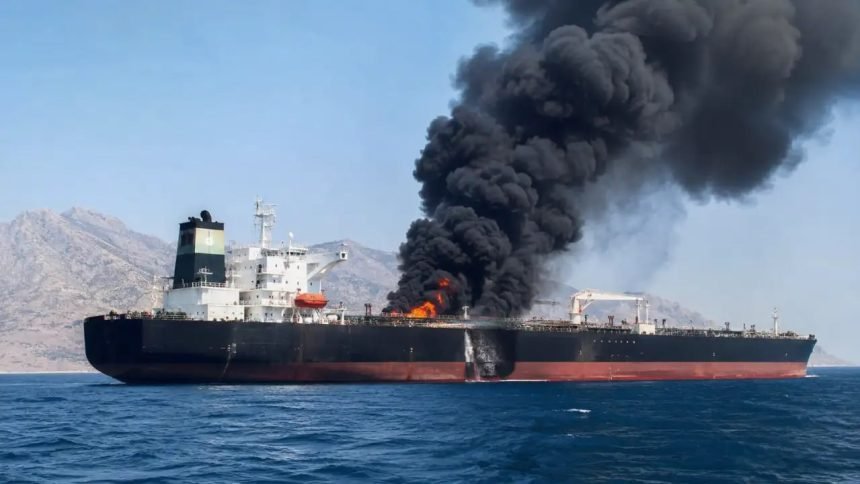
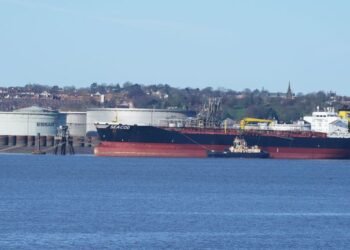
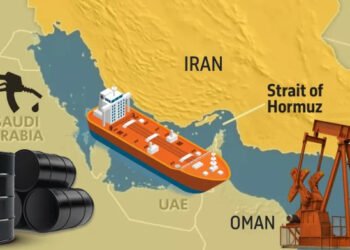
A tanker sailing in waters off the northern coast of Qatar has come under attack, adding to growing fears over the security of one of the world’s most important energy corridors as tensions between Iran and the United States continue to intensify. The incident occurred as Tehran warned that a route through the Strait of Hormuz used by some vessels to bypass its restrictions could soon be closed.
A British maritime security authority reported that the vessel, which was travelling in the Gulf roughly 500 kilometres west of the Strait of Hormuz, had reported being struck by multiple projectiles. The agency did not immediately identify the ship or establish who was responsible for the attack. The number and condition of casualties were also unclear.
The latest incident has heightened concerns among shipping companies, energy traders and governments already watching the Gulf with growing anxiety. Attacks and attempted attacks on commercial vessels have increased sharply in recent weeks, while uncertainty over the future of the Strait of Hormuz has pushed crude oil prices above $100 a barrel.

The waterway has become one of the central pressure points of the continuing conflict. Before the war, roughly one-fifth of global oil and liquefied natural gas supplies passed through the Strait of Hormuz, making any prolonged disruption potentially damaging to international energy markets and economies heavily dependent on Gulf exports.
Maritime security data indicates that the week ending 5 October saw at least 12 attacks involving oil, liquefied natural gas and liquefied petroleum gas tankers operating around the Strait of Hormuz. Security specialists described the figure as the highest weekly level recorded since the war began.
The attacks have included direct strikes, attempted attacks, harassment and surveillance activity. A US Navy-led maritime information organisation has said that Iranian Revolutionary Guard forces have continued activities including drone overflights and monitoring of vessels operating in and around the strategic waterway.
According to the organisation, the incidents demonstrate Iran’s continuing determination to maintain a presence around key maritime transit routes and to exert pressure on commercial vessels passing through the region.
The situation has become particularly sensitive because the Strait of Hormuz is not simply another shipping route. Its geographical position makes it a critical gateway between the Persian Gulf and the wider international shipping network. Any sustained disruption can quickly affect oil supplies, freight costs, insurance premiums and fuel prices far beyond the Middle East.
Iran has now issued a fresh warning that it intends to further restrict movement through the strait. Mohammadreza Naqdi, an adviser to the commander of Iran’s Revolutionary Guards, said Tehran would soon close routes that it considers illegal.
He referred specifically to a southern route running close to the Omani coast. According to the Iranian account, the route had been created by damaging or blasting through rocky passages and was subsequently used by smaller boats to move oil before transferring it to larger tankers.
Naqdi said the Strait of Hormuz was already effectively closed and claimed that Iranian armed forces had full control over the waterway. His remarks came despite indications from outside Iran that oil exports through the region have been recovering toward levels seen before the conflict.
Iranian officials have disputed claims that maritime traffic is returning to normal with assistance from US naval forces. Revolutionary Guard adviser Majid Mirahmadi said the number of ships crossing the waterway had fallen dramatically, claiming that an average of only about 10 vessels were now making the journey each day compared with roughly 125 before the war.
The United States has strongly challenged Tehran’s assessment. US Secretary of State Marco Rubio said Iran had lost complete control of the strait and argued that oil flows were approaching pre-war levels.
The conflicting claims illustrate the uncertainty surrounding maritime traffic in the Gulf. While some vessels continue to move through the region, shipping operators face the difficult task of balancing commercial needs against the risks posed by attacks, harassment and rapidly changing military conditions.
The latest tanker attack also comes at a time when oil markets are already reacting to concerns about supply. Brent crude moved above $100 a barrel as traders assessed the growing possibility of further disruptions. The increase has renewed concerns about fuel costs for households and businesses, particularly in countries that rely heavily on imported energy.
For the United States, the situation carries additional political consequences. The continuing conflict with Iran has contributed to higher petrol and diesel prices, creating another challenge for President Donald Trump as the country approaches its midterm elections.
Reports in the United States have suggested that Trump is considering whether to resume broader military operations against Iran in the coming weeks. One possibility reportedly under consideration is launching further strikes before the November midterm elections, although the timing and scope of any potential action remain uncertain.
The United States has already imposed its own counter-blockade around Iranian ports and has periodically taken military action against vessels associated with Tehran. Washington has also carried out strikes against Iranian targets in retaliation for attacks on shipping. However, there have been no reported US strikes of that nature since the beginning of September.
The military situation has nevertheless remained tense. Last week, a third US aircraft carrier began moving towards the Middle East, raising the possibility that three American carrier groups could be operating in or around the region by the end of October.
The deployment represents a significant concentration of American naval power at a time when diplomatic efforts and military pressure appear to be moving in parallel. Washington is seeking to maintain pressure on Tehran while also trying to prevent the conflict from developing into an even broader regional confrontation.
For shipping companies, however, the immediate concern is more practical. Every new attack raises questions about whether commercial vessels can safely navigate the Gulf and whether insurance and security costs will continue to rise. Operators must also consider whether alternative routes can provide meaningful protection if Iran follows through on its threat to restrict additional passages through Hormuz.
The tanker incident off Qatar demonstrates how vulnerable commercial shipping remains even outside the narrowest part of the strait. The vessel was hundreds of kilometres away from the main chokepoint when it reported being hit, highlighting the wider geographical risks facing ships operating across the Gulf.
The uncertainty is also affecting the global energy outlook. Even if the majority of oil continues to move through the region, fears about future disruption can be enough to push prices higher. Traders often react not only to actual shortages but also to the possibility that supplies could become unavailable.
That makes every new attack significant beyond its immediate human and military consequences. A sustained escalation could affect transport costs, inflation and household energy bills in countries thousands of kilometres away from the Gulf.

The latest developments therefore leave the region facing a fragile balance. Iran insists that it has the ability to control maritime traffic through Hormuz, while the United States argues that Tehran has lost that capability. Meanwhile, commercial vessels continue to face attacks and threats, and energy markets remain highly sensitive to every new incident.
With the conflict showing few signs of an immediate resolution, the security of the Strait of Hormuz is likely to remain one of the most closely watched issues in global energy and international politics. For governments, shipping companies and consumers alike, the consequences of any further deterioration could extend far beyond the waters of the Gulf.
Related News:
 US Awaits Iran Reply on New Ceasefire Proposal
 Houthis Strike Saudi Arabia as Middle East Tensions Rise
 Saudi Arabia Shuts Oil Pipeline After Drone Attack
 Saudi Pact Raises Risk of Pakistan Entering War
 Saudi intercepts Houthi missiles as oil fears grow
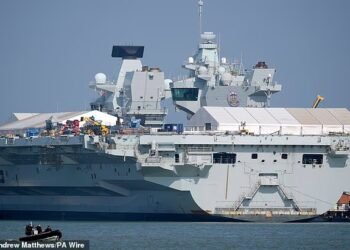 UK Prepares Aircraft Carrier for Middle East Crisis
 Hormuz Talks Near Critical Stage
 Former ICC prosecutor condemns US sanctions
 Trump Calls Strait of Hormuz ‘American Territory’
 Trump Faces Iran War Crisis Before Midterm Vote
 Trump Hardens Canada Trade Stance as Talks Stall
 Trump Calls Iran War ‘Small Potatoes’ Despite US Deaths
 South Korea Rules Out Military Role in Iran War
 Trump Eyes Major Belarus Fertiliser Deal Amid Canada Trade Dispute
 Iran Rejects Claims of Shift in US Talks
 Netanyahu faces protests and pressure at UN
 Trump gives Xi red-carpet welcome as trade truce extends
 Xi urges Trump to avoid US-China military conflict
 Trump Asked Xi About Buying US Weapons
 Trump Ads Trigger Fight Over Taxpayer Money
 New Maps Reveal Gaza’s Vast Destruction
 US Sends Third Carrier to Middle East
 Vance Demands Iran Cut Nuclear Enrichment
 Israel Marks Three Years Since October 7 Attack
 Thousands Protest ICE Operations in Nationwide US Day of Action
 Thousands Protest Iran Strikes Outside US Embassy London
 US Bombers Arrive at RAF Base Amid Rising Iran Tensions
 Southeast Asia Turns to Russia Amid Energy Crisis
 Ukraine Urges UK to Seize Russian Oil Tankers
 US Court Ruling Reshapes Voting Rights Landscape
 US states redraw maps after voting rights ruling
 Judge halts deportation of Yemeni refugees in US
 Trump likens US Navy actions to ‘pirates’
 Trump approval plunges amid Iran war fears
 Trump Threatens UN Budget Cuts as US Pushes ‘Trade Over Aid’ Agenda
 Trump warns Iran as Middle East tensions surge again
 Middle East Crisis Escalates as Oil Routes Shake Markets
 Tensions Emerge in Netanyahu-Trump Alliance
 China mine blast death toll rises to 90
 Hunger increasingly weaponised in global conflicts
 Gunman Killed After White House Security Shootout
 Trump Claims Iran Peace Deal Near Completion
 Millions Gather for Khamenei’s Six-Day State Funeral
 Europe Weighs Hormuz Navigation Fee Plan
 Mystery Grows Over Mitch McConnell’s Health
 Trump Refuses to Sign Housing Bill, But Law Takes Effect
 Taliban global ties grow as rights fears mount
 Israeli Strike in Southern Lebanon Kills Seven
 UN expert urges UK to rethink Israel policy
 UK plans tougher Israel stance with settlement trade ban
 Miliband Rejects Chief Rabbi’s West Bank Warning
 Trump Pledges $5,000 if Republicans Win Midterms
 Nearly 50,000 Flee as Houthis Advance in Yemen
 Israel Accused of Undermining Palestinian Life
 Middle powers seek new alliances amid Trump era
 Macron and Carney deepen France-Canada ties
 US Networks Suspend Trump White House Pool Coverage
 Trump and Mamdani Hold Cordial Gracie Mansion Meeting
 Japan PM Backs International Criminal Court
 AI Takes Centre Stage in Trump-Xi Talks
 Irish PM Backs Coach in Israel Football Dispute
 Lula accuses Trump of seeking control over Brazil
 Republican Senator Questions Trump Ad Spending
 South Korea-Ukraine Row Erupts Over North Korean POWs
 Burnham Opens Door to Possible UK Return to EU
 Trump Immigration Policy Faces New Legal Tests
 Clay Travis Builds New Sports Media Venture
 Yemen government launches offensive against Houthis
 Germany Pledges €1bn Military Aid to Ukraine
 Latin America women fear rollback of rights
 Japan PM condemns alleged killing by US Marine
 Trump Comments on Iran Strike Draw US Backlash
 Lithuania Offers to Fund Permanent US Military Base
 Canadian Veterans Condemn Trump Allies’ Military Remarks
 Israeli Settlers Assault Palestinian Photographer
 EU-China Talks Target Surge in Hybrid Car Imports
 Three Years On, October 7 Survivors Face Lasting Trauma
 Yemen Conflict Escalates as Houthis Expand Their Front
 Okinawa US Troops Face Curfew After Murder Case
 Trump Rally Faces Protests as Texas Race Tightens