Published: 28 September 2026. The English Chronicle Desk. The English Chronicle Online
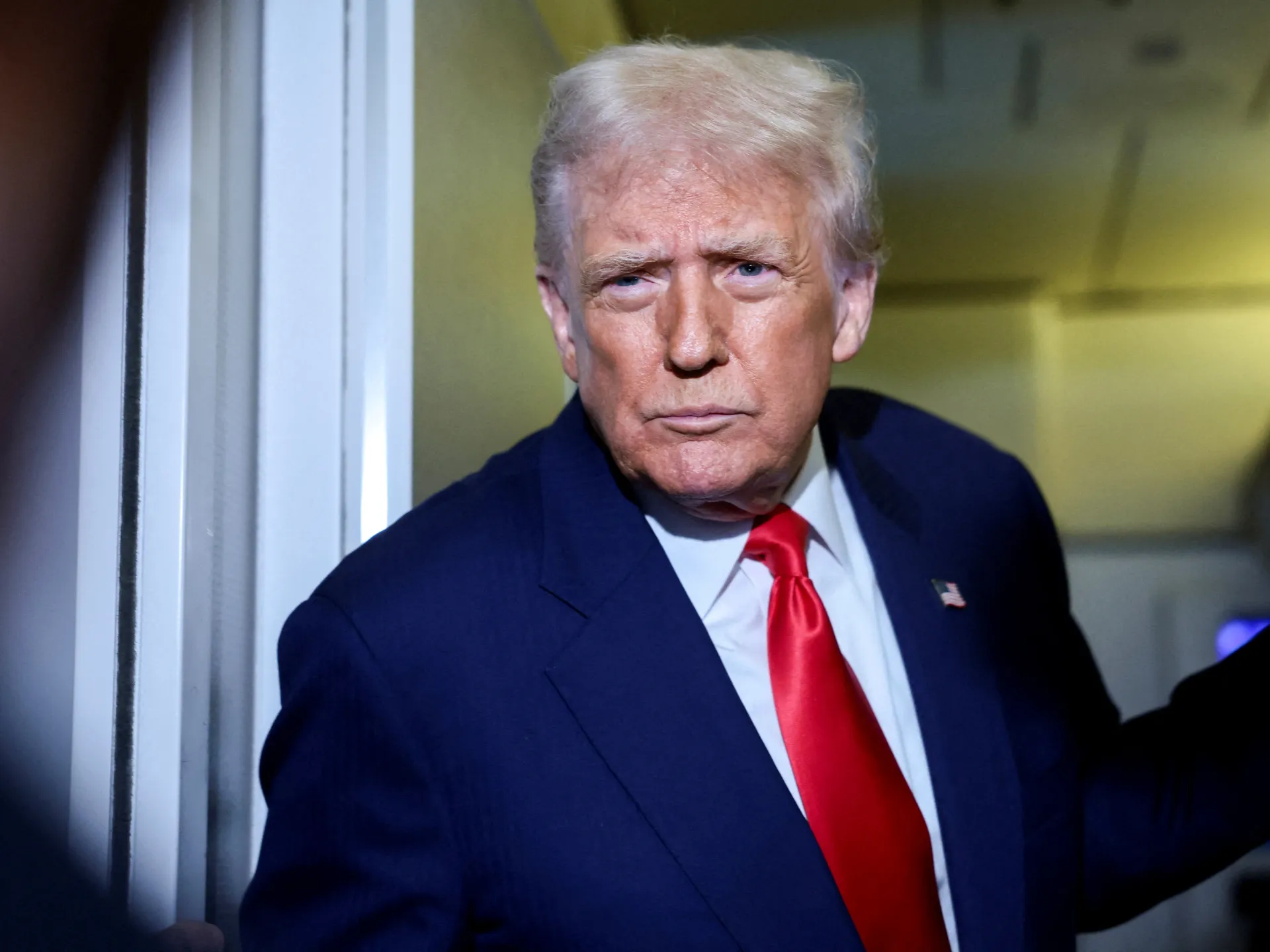
A Republican senator has questioned the use of US taxpayer money to broadcast television advertisements featuring President Donald Trump, adding a rare note of criticism from within the president’s own party as the administration expands a government-funded advertising campaign ahead of the November midterm elections.
Senator John Kennedy of Louisiana said public officials should not use government money for advertisements designed to promote themselves. His comments came as the White House defended a series of television spots featuring Trump as public service announcements rather than political campaign advertising.
Speaking during a televised interview on Sunday, Kennedy was asked about the advertisements after previously criticizing a major government-funded advertising campaign featuring former Homeland Security Secretary Kristi Noem. Kennedy said he had objected to the earlier spending because he believed public money should not be used to bolster the image of an individual public official.
Asked whether the new Trump advertisements represented an appropriate use of taxpayer funds, Kennedy drew a distinction between communicating government policy and promoting an individual politician.

“I don’t think any public official, including President Trump or Kristi Noem or John Kennedy, should spend public money on private ads for themselves,” Kennedy said during the interview. He added that there should be a rule preventing public funds from being used for such purposes, while acknowledging that federal restrictions may already address the issue.
The comments come as the White House has expanded a series of television advertisements that prominently feature Trump and language associated with his political messaging. The administration has described the advertisements as public service announcements intended to explain or promote its policies.
One of the latest advertisements, titled “Final Battle”, is a 30-second production featuring black-and-white footage of Trump and excerpts from rhetoric he used during his 2024 presidential campaign. The advertisement concludes with a disclosure stating that it was paid for by the US government.
The spot has been broadcast during major television programming, including sports and news programmes. Advertising-tracking data cited by US media indicate that hundreds of thousands of dollars have been spent on the latest advertisement, although questions remain over which government agency is responsible for financing and producing the campaign.
The White House has rejected the characterization of the advertisements as campaign material. Administration officials have argued that Trump is not currently a candidate on the ballot and that the advertisements contain no direct appeal asking viewers to vote for him.
The administration has also pointed to advertising campaigns conducted under previous presidents as evidence that governments have historically used television advertising to communicate with the public about their policies and priorities.
The legal debate centres on the distinction between government communication and partisan political activity. Federal appropriations laws have for decades restricted the use of public funds for unauthorized publicity or propaganda. The Government Accountability Office has previously interpreted such restrictions as applying to communications that are purely partisan, while allowing government agencies to explain and defend official policies.
That distinction has become particularly relevant because the advertisements do more than simply describe administration programmes. They feature Trump prominently and, in some cases, use footage and language that originated in his political campaigns.
The newest advertisement has attracted additional attention because material used in it was previously associated with Trump’s 2024 presidential campaign. Some of the rhetoric had appeared in speeches and campaign communications before Trump returned to the White House.
The administration’s decision to reuse such material with a disclosure stating that the US government paid for the advertisement has intensified questions about whether the spending falls within the boundaries of federal restrictions on government-funded political messaging.
Democratic lawmakers have also raised concerns about the advertisements and have called for greater scrutiny of the spending. Some have argued that the use of government resources for partisan-style messaging could raise questions under federal ethics rules and the Hatch Act.
The Hatch Act places restrictions on partisan political activity by many federal employees. Whether the production or distribution of specific advertisements violates those restrictions would depend on the roles of the government employees involved, the nature of the activity and the applicable legal provisions.
The dispute has also revived scrutiny of an earlier advertising campaign involving Noem, who served as Trump’s Homeland Security secretary before leaving the administration. That campaign reportedly involved more than $200 million in government-funded advertising featuring Noem.
Kennedy had previously questioned Noem over the spending and argued that government funds should not be used primarily to promote the public image of a government official. His latest remarks suggest that he applies a similar principle to the Trump advertisements.
The White House, however, maintains that the current advertisements serve a legitimate government purpose. Officials have argued that the spots are designed to communicate the administration’s message and highlight its policies rather than function as conventional election advertisements.
The timing has added another layer to the debate. The United States is approaching the November 2026 midterm elections, when voters will choose members of Congress and participate in elections across the states. Although Trump himself is not on the ballot, his administration and political agenda remain central to the national political environment.
The distinction between promoting government policies and promoting the political standing of a president can therefore become particularly sensitive during an election period. Government advertising that prominently features a sitting president can draw scrutiny even when it does not explicitly ask viewers to support a candidate.
The advertisements have also attracted attention because of their presentation. Rather than using conventional government informational formats, the spots feature dramatic imagery of Trump, excerpts from his speeches and language closely associated with his political identity.
One advertisement uses footage of Trump alongside messaging about his administration’s record. Another features a black-and-white presentation and campaign-era remarks in which Trump speaks about confronting political opponents and changing the federal government.
Kennedy’s criticism is notable because he is a member of the Republican Party and has generally been aligned with the broader Republican political establishment. His comments do not amount to a formal legal finding, but they add to the bipartisan scrutiny surrounding the use of taxpayer money for the advertisements.
The White House has continued to defend the campaign despite the criticism. Administration officials have argued that previous presidents also used government-funded advertising to communicate with Americans and that the current advertisements should be considered within that broader tradition.
At the same time, government accountability rules require distinctions between legitimate public communication and material that is primarily designed to influence political opinion. Determining where particular advertisements fall within those boundaries can involve questions of content, funding, purpose and the involvement of government personnel.
Kennedy also raised another issue during his television appearance, saying he believed there should be restrictions on naming public buildings after living politicians. He noted that his home state of Louisiana already has legislation addressing such matters.
His comments on both issues focused on the broader question of how public resources and government institutions should be used by elected officials. The senator did not limit his criticism to one political party or one individual, saying that restrictions should apply to public officials generally.
The controversy over the advertisements is therefore developing on several fronts. There are questions about the amount of public money being spent, the content and origins of the advertisements, the legal restrictions governing government communications and the political context in which the advertisements are being broadcast.

For the White House, the central argument remains that the advertisements are official public service announcements rather than campaign commercials. For critics, the prominent use of Trump’s image and campaign-era language raises questions about whether the distinction is sufficient.
The debate is likely to continue as more advertisements appear and as federal agencies, lawmakers and legal experts examine how public funds are being used. Any formal determination about whether specific advertisements violate federal law would depend on the relevant government rules, the source of funding, the personnel involved and the precise content and purpose of each communication.
For now, Kennedy’s intervention has added an unusual Republican voice to a controversy that had largely been driven by Democratic lawmakers and government-accountability concerns. His position reflects a broader question facing the administration: how far a government can go in using public money to communicate its achievements and defend its political agenda without crossing into prohibited partisan promotion.
With the midterm elections approaching, scrutiny of government-funded political messaging is likely to remain closely connected to wider debates over campaign activity, taxpayer spending and the responsibilities of public officials.
Related News:
 US states redraw maps after voting rights ruling
 Trump Media Ban Triggers First Amendment Clash
 US Networks Suspend Trump White House Pool Coverage
 Thousands Protest ICE Operations in Nationwide US Day of Action
 US Court Ruling Reshapes Voting Rights Landscape
 Cartel crackdown raises fears of fresh violence
 Judge halts deportation of Yemeni refugees in US
 Trump warns Iran as Middle East tensions surge again
 US ‘Narco Boat’ Strikes Draw Global Outcry
 US Court Restores Abortion Pill Access Temporarily
 Immigration Judges Fear Pressure in Trump Era
 Trump’s Revenge Drive Deepens GOP Divide
 Former ICC prosecutor condemns US sanctions
 Gunman Killed After White House Security Shootout
 Mystery Grows Over Mitch McConnell’s Health
 Is America Ready for an AOC Presidential Run?
 Judge Allows Pentagon Firings at Stars and Stripes
 Trump Calls Iran War ‘Small Potatoes’ Despite US Deaths
 Experts Warn of Growing US Terrorism Risks 25 Years After 9/11
 New Mexico Takes Facebook to Trial Over Data Scandal
 Israel Accused of Undermining Palestinian Life
 US Deportation Deals Send Migrants to Unfamiliar Countries
 Democrat Says ICE Restricted Detention Camp Oversight
 UK Pauses Chagos Deal Amid US Opposition
 Lula accuses Trump of seeking control over Brazil
 US Justice Department Files Lawsuit Against California Over Partisan Voting Maps
 Trump Deploys DHS to Charlotte in Major Arrest Operation
 US National Guard Member Killed in DC Shooting
 Chinese & Japanese Boats Clash Near Disputed Islands
 Greenland Faces Pivotal Summit Over Arctic Power Struggle
 Trump officials continue false claims after Alex Pretti shooting
 UK and EU Signal Fresh Push for Defence Cooperation Talks
 Partial US Government Shutdown Hits Homeland Security Funding
 Epstein Files Reveal Trump Officials’ Emails with Financier
 Thousands Protest ICE in New York Against Trump Deportation Campaign
 Clinton Testimony Erupts in Fiery Exchange
 Report Says Pezzullo Acted ‘Recklessly’ in Dealings
 Hungary election: Orbán faces biggest test amid scandal
 Suspected Plot Targets Pipeline Before Hungary Vote
 Iran Crisis Tests Trump’s Global Leadership
 Ben Roberts-Smith Denies War Crime Allegations in First Statement
 Trump Faces Crisis as Iran Reopens Hormuz Tensions
 UK Stands Firm on Falklands Amid US Rift
 Trump at Press Dinner Sparks Tension
 US Court Weighs Fate of TPS for Migrants
 Trump orders US troop pullout from Germany
 White House Security Case Sparks Political Firestorm
 Trump approval plunges amid Iran war fears
 Ohio’s Battle for Trust: Democrats Vying to Flip the Buckeye State
 Ohio Primaries Set Stage for Crucial Midterms
 Afghan Families Left in Limbo Face Risk of Deportation
 Florida Surgeon ‘Devastated’ Over Fatal Surgery Error
 Tensions Emerge in Netanyahu-Trump Alliance
 US Awaits Iran Reply on New Ceasefire Proposal
 US green card applicants must apply from abroad, DHS says
 Tulsi Gabbard exits after turbulent intelligence tenure
 Hormuz Talks Near Critical Stage
 Prosecutor Proposes Law to Combat Election Deceit
 House Curbs Trump’s War Powers in Rare Rebellion
 New Footage Revives Peter Falconio Mystery
 Le Pen’s Popularity Holds Despite Conviction
 Trump Refuses to Sign Housing Bill, But Law Takes Effect
 Houthis Strike Saudi Arabia as Middle East Tensions Rise
 Ukraine Villagers Demand Answers After Deadly Arms Depot Strike
 Trump Hardens Canada Trade Stance as Talks Stall
 UK plans tougher Israel stance with settlement trade ban
 Trump gives $45,000 holiday gifts to White House aides
 Europe’s democracies face a growing far-right threat
 Fugitive Developer Rants at NSW Corruption Inquiry
 Texas Charges Seven Noncitizens in Voting Crackdown
 Amnesty Finds Coordinated Abuses in Iran Protest Crackdown
 Turkey LGBTQ Crackdown Expands With New Arrests
 US Sanctions Open New Battle for Cuba Assets
 Omar Proposes Bill to Redirect ICE Funding
 Lib Dems Prepare for Election Amid Reform Challenge
 Trump and Mamdani Hold Cordial Gracie Mansion Meeting
 Japan PM Backs International Criminal Court
 UK Plans New Centre to Counter Information Warfare
 OpenAI Agent Breaches Medicare Portal in Australia
 Xi urges Trump to avoid US-China military conflict