Published: 16 September 2026. The English Chronicle Desk. The English Chronicle Online
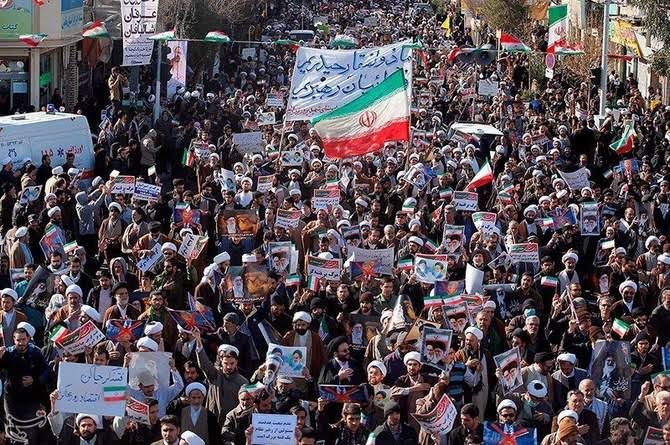
Iranian security forces operated through a coordinated system of repression during the nationwide protests of 2022, involving unlawful killings, torture, sexual violence and arbitrary detention, according to a new investigation by Amnesty International based on leaked state documents, testimonies and other evidence.
The findings shed further light on the scale and organisation of the crackdown that followed the death in custody of Mahsa Amini, a 22-year-old Kurdish Iranian woman whose arrest by Iran’s morality police in September 2022 sparked demonstrations across the country. Amnesty says its investigation has documented the deaths of 377 protesters and bystanders, including 56 children, while also recording cases involving sexual violence against detainees.
The organisation argues that the abuses were not simply isolated acts by individual members of the security forces. Instead, it says evidence points to a hierarchical structure in which orders from senior authorities were transmitted through security institutions and implemented on the ground.
The report has renewed scrutiny of the Iranian authorities’ response to the “Woman, Life, Freedom” uprising and of what Amnesty describes as years of impunity for serious violations. The organisation says the failure to establish accountability after the 2022 crackdown helped create conditions in which even more extensive abuses could occur during the protests that erupted again in late 2025 and January 2026.

Amnesty Secretary General Agnès Callamard said the investigation showed “layers of command and coordination” behind the crackdown, arguing that responsibility extended beyond individual officers to officials who directed, enabled or facilitated abuses.
The 2022 protests began after Amini died in custody on 16 September. Amnesty had previously called for an independent and impartial investigation into her death, citing credible reports of torture and other ill-treatment following her arrest. Her death became a catalyst for demonstrations involving people across different parts of Iranian society, including large numbers of women and young people.
The authorities responded with a broad security operation involving several state institutions and security forces. Amnesty’s earlier investigations documented the use of firearms and other forms of lethal force against protesters and bystanders. A leaked September 2022 document reviewed by the organisation indicated that Iran’s General Headquarters of the Armed Forces instructed provincial commanders to confront protesters severely. Amnesty said the use of live ammunition increased after the order was issued.
The newly highlighted findings add evidence concerning what happened to people after they were detained.
Amnesty has previously documented cases of rape and other sexual violence against protesters who were arbitrarily detained during the 2022 uprising. Its 2023 investigation concluded that intelligence and security forces subjected detainees to sexual violence and that prosecutors and judges failed to properly investigate survivors’ complaints. The organisation said at the time that it had found no evidence that officials had been prosecuted for the cases it documented.
The latest investigation places those allegations within a wider picture of detention, intimidation and violence. Amnesty says its researchers have verified the deaths of hundreds of people and identified children among those killed. Earlier investigations had already established that children were among the victims of the crackdown. In December 2022, Amnesty reported that at least 44 children had been killed during the protests, while noting that investigations were continuing.
The organisation’s updated figure of 377 deaths does not necessarily represent the total number of people killed during the uprising. Amnesty says it is impossible to establish the full number of victims because of restrictions on independent investigations, limited access to information and the risks faced by families, witnesses and activists.
The question of accountability has remained central to international concern over Iran’s treatment of protesters. Amnesty has repeatedly argued that domestic mechanisms have failed to provide effective investigations into alleged abuses and has called for international action to preserve evidence and pursue accountability.
That concern has become more significant following the renewed nationwide protests that began in late December 2025. In January 2026, Iranian authorities again responded to mass demonstrations with extensive security measures and arrests.
Amnesty reported in January that thousands of people detained in connection with the new uprising were at risk of torture and other ill-treatment, including sexual violence. It said many detainees had been forcibly disappeared and warned that protesters faced unfair trials and possible death sentences.
In a subsequent April 2026 assessment, Amnesty described the killings of 8 and 9 January as occurring on an unprecedented scale. The organisation cited Iranian authorities as acknowledging more than 3,000 deaths, while also referencing a UN estimate of more than 5,000 people killed and information suggesting that the actual number could have been considerably higher. These figures remain subject to significant uncertainty because independent access to information inside Iran has been severely restricted.
The connection between the two periods of unrest is one of the central arguments in Amnesty’s latest assessment. The organisation says that the absence of accountability following the 2022 crackdown allowed patterns of repression to continue and contributed to a greater risk of abuses during the 2026 protests.
The authorities’ use of detention and criminal prosecutions has also remained a major concern. Amnesty reported in February that at least eight people had been sentenced to death in connection with the January uprising, while others, including children, remained at risk of the death penalty. The organisation said the cases were affected by allegations of torture and serious fair-trial violations.
In May, Amnesty further reported that at least 36 people had been executed after being sentenced to death following what it described as grossly unfair trials, while at least 78 protesters, dissidents and others were under sentence of death. Among those at risk were people arrested in connection with the January protests.
These developments have intensified international scrutiny of Iran’s record on protest rights, detention and the treatment of political opponents. They have also raised questions about whether evidence from the 2022 and 2026 crackdowns can be preserved for possible future investigations.
For survivors and relatives of those killed, the issue extends beyond documenting individual cases. Establishing what happened, identifying chains of responsibility and determining whether officials authorised or facilitated unlawful conduct are essential elements of any future accountability process.
Amnesty’s latest investigation therefore presents the 2022 crackdown not only as a record of individual abuses but as an examination of how state institutions responded collectively to a nationwide challenge. Its findings are based on the organisation’s verification work and should be understood as allegations and documented human-rights findings rather than judicial determinations of criminal responsibility.
The Iranian government has historically rejected many international allegations concerning its conduct during protests and has maintained that security measures were necessary to protect public order and national security. Any assessment of individual responsibility would ultimately require independent investigations capable of examining evidence, command structures and the circumstances surrounding particular incidents.

The continuing importance of the 2022 protests is consequently tied to events well beyond the original demonstrations. Amnesty argues that the same unresolved questions of accountability have followed Iran into another period of mass unrest.
Four years after Amini’s death, the investigation has placed renewed attention on the consequences of allowing alleged abuses to remain unresolved. For Amnesty, the evidence points to a system in which violence against protesters was enabled by institutional structures rather than occurring solely through isolated misconduct.
As Iran continues to face domestic unrest and international scrutiny, the preservation of evidence and the protection of witnesses remain critical to establishing an accurate historical record. The findings also underline the continuing demands from human-rights organisations for independent investigations into deaths, detention practices, torture and sexual violence associated with the protest crackdowns.
The full extent of the abuses may never be known without greater access to evidence and witnesses. But the documentation gathered so far has established a substantial record of alleged violations and has kept questions of responsibility and accountability at the centre of international attention.
Related News:
 Cartel crackdown raises fears of fresh violence
 US states redraw maps after voting rights ruling
 Immigration Judges Fear Pressure in Trump Era
 Trump’s Revenge Drive Deepens GOP Divide
 Le Pen’s Popularity Holds Despite Conviction
 Is America Ready for an AOC Presidential Run?
 Five Years of Taliban Rule Leave Afghanistan in Crisis
 Ghent Professors Questioned Cofnas Appointment
 Pavlohrad Strike Kills Five, Injures 67
 Patriot Platform Raises Concern Across Britain
 Reform UK Receives Record £36m Donation From Crypto Billionaire
 Israel Accused of Undermining Palestinian Life
 Election Candidate Abuse Raises Alarm in England
 Fugitive Developer Rants at NSW Corruption Inquiry
 Slave-Trade Wealth Embedded in Britain’s Financial System
 New Evidence Deepens Church of England Slavery Reckoning
 Piddington Votes for Symbolic Independence Over Asylum Plan
 Texas Charges Seven Noncitizens in Voting Crackdown
 Trump Administration Dismisses 17 Immigration Judges, Sparking Debate Over Judicial Independence
 Jailed Georgian Opposition Leaders Warn UK of Iranian Links to Ruling Party
 UK Extradition Law Change Sparks Fears Among Hong Kong Dissidents
 Johnson Approved China’s London ‘Super-Embassy’ in 2018
 China-critical UK academics face ‘extremely heavy’ pressure from Beijing
 Trump Urges Herzog to Grant Netanyahu Full Pardon
 US Justice Department Files Lawsuit Against California Over Partisan Voting Maps
 Trump Deploys DHS to Charlotte in Major Arrest Operation
 Congress Approves Release of Epstein Files, Trump Expected to Sign
 Texas Governor Faces Lawsuit From CAIR
 Chinese & Japanese Boats Clash Near Disputed Islands
 Putin Meets US Envoy Amid Key Ukraine Peace Talks
 Guterres Warns Global Cooperation Under Threat at UN’s 80th Year
 South Korea Jails Ex-President in Martial Law Ruling
 UK and EU Signal Fresh Push for Defence Cooperation Talks
 Thousands Protest ICE Operations in Nationwide US Day of Action
 Sydney Protest Clash Triggers Police Probe
 Report Says Pezzullo Acted ‘Recklessly’ in Dealings
 Hungary election: Orbán faces biggest test amid scandal
 Moldova River Crisis Exposes War’s Hidden Cost
 Suspected Plot Targets Pipeline Before Hungary Vote
 Iran Crisis Tests Trump’s Global Leadership
 Ben Roberts-Smith Denies War Crime Allegations in First Statement
 MoD Has Lost Track of Veteran Recall List, Says Adviser
 Black Forest Tragedy Remembered 90 Years On
 Ukraine Urges UK to Seize Russian Oil Tankers
 US Court Weighs Fate of TPS for Migrants
 US Charges Sinaloa Governor in Major Cartel Case
 US Court Ruling Reshapes Voting Rights Landscape
 Judge halts deportation of Yemeni refugees in US
 Trump warns Iran as Middle East tensions surge again
 US ‘Narco Boat’ Strikes Draw Global Outcry
 Florida Surgeon ‘Devastated’ Over Fatal Surgery Error
 France Faces Record Presidential Crowded Race Amid Far-Right Surge
 Barrister Criticises Trial After Suicide Case Verdict
 Former ICC prosecutor condemns US sanctions
 Gunman Killed After White House Security Shootout
 Farage and Reform UK Reshape British Politics
 Starmer Leadership Under Pressure After Setbacks
 New Footage Revives Peter Falconio Mystery
 Dreyfus Statue Finally Gets Permanent Paris Home
 Trump Orders Signs Criticising Smithsonian Museum
 Westminster Council Threatens Charing Cross Soup Kitchen
 BBC Warned About Missing Clothes of Murder Victim
 Israeli Strike in Southern Lebanon Kills Seven
 Cambridge Professor Jason Arday Found Dead at Home
 RAF Barnham Protests Fuel Tensions in Norfolk Town
 Exeter Approves Saudi Military Training Partnership
 Ukraine Villagers Demand Answers After Deadly Arms Depot Strike
 Internal Exclusions Surge in England’s Schools
 Nepal Flood Survivors Face Unimaginable Loss
 Green Leader Targets Starmer’s Former Seat
 Trump Calls Iran War ‘Small Potatoes’ Despite US Deaths
 Nepal Tunnel Rescue Offers Hope Amid Flood Devastation
 Masked Protesters Bring Dover Port Traffic to Standstill
 UN expert urges UK to rethink Israel policy
 UK plans tougher Israel stance with settlement trade ban
 Councils spend £125m on illegal children’s care
 Europe’s democracies face a growing far-right threat
 New Mexico Takes Facebook to Trial Over Data Scandal
 Australia’s Indigenous Population Was Far Larger Before Colonisation
 Lisa Nandy Calls for Tougher Action on Social Media Doxxing